


- Will travel insurance cover weather-related flight delays and cancellations? - November 11, 2026
- 8 Cities Where the Weather Changes So Fast Locals Carry Everything - November 11, 2026
- 10 Traditional Building Techniques From Hot Climates Architects Are Revisiting - November 10, 2026
Most people can recall a hurricane by its first name long before they remember its wind speed or its date. Names like Katrina, Irma and Beryl stick because they’re short, human and easy to say. That’s the point, and there’s a surprisingly organized system behind it.
The facts below cover where those names come from, how they’re retired, and what the 2025 and 2026 seasons have added to the record. Some of it is practical, some is just odd, and all of it is checkable.
1. A United Nations Agency Sets the Names
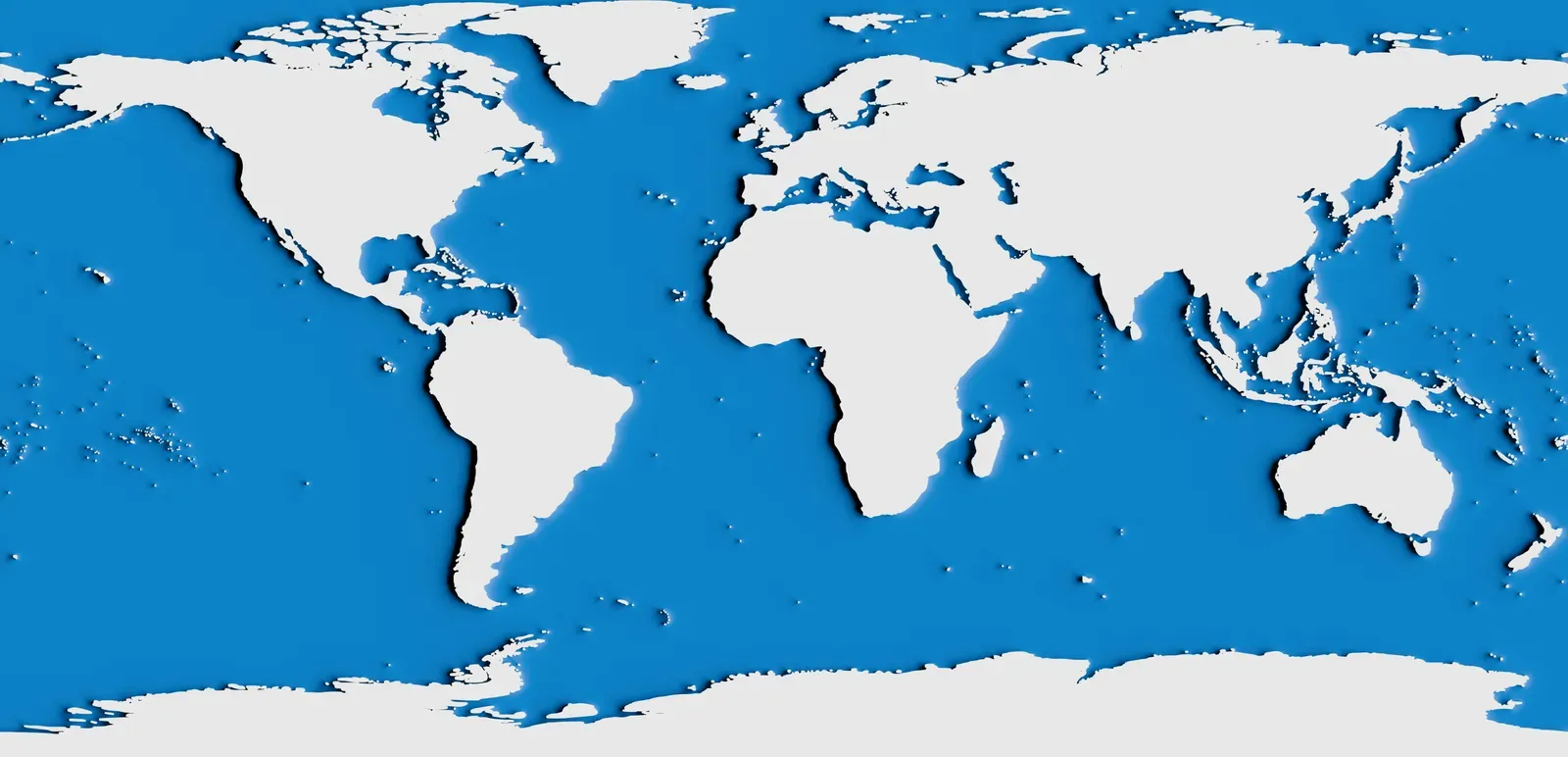
Atlantic storm names aren’t picked on the spot by whoever is on shift at a forecast office. The World Meteorological Organization, an arm of the United Nations, establishes the list of 21 storm names in the Atlantic basin. Forecasters then simply use the next name in line.
Every spring, the WMO Hurricane Committee meets to update the Atlantic naming lists ahead of the June 1 start of hurricane season. That’s when any changes get made.
2. Five Letters Are Left Out
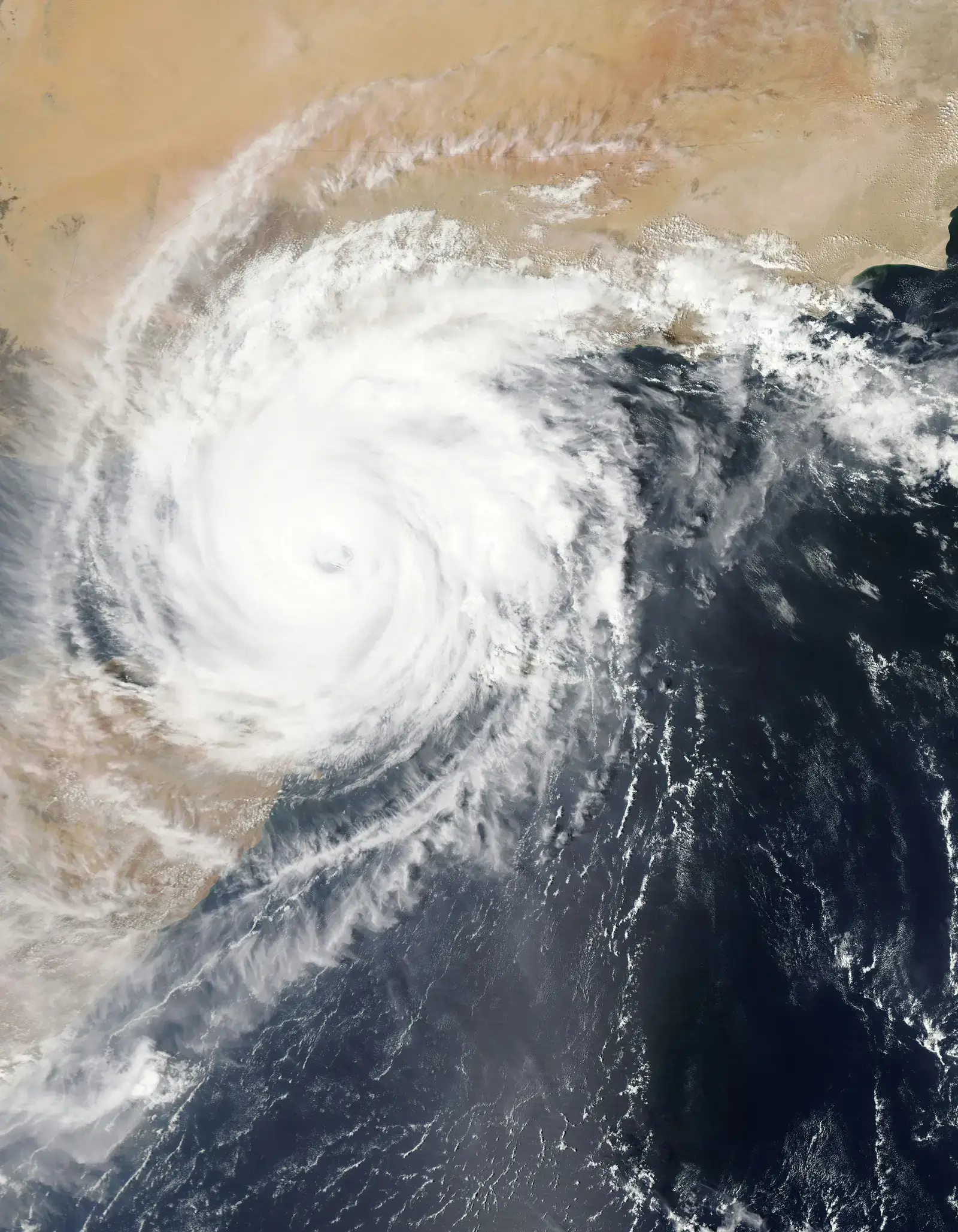
You’ll never see a hurricane starting with Q, U, X, Y or Z in the Atlantic. The WMO says it’s difficult to find six suitable names, one for each rotating list, that start with those letters. So the lists cover only 21 of the 26 letters.
Names also aren’t all English. English, French and Spanish names are balanced on the list to reflect the geography of Atlantic and Caribbean storms. The lists are also designed to be gender balanced.
3. The Lists Repeat Every Six Years
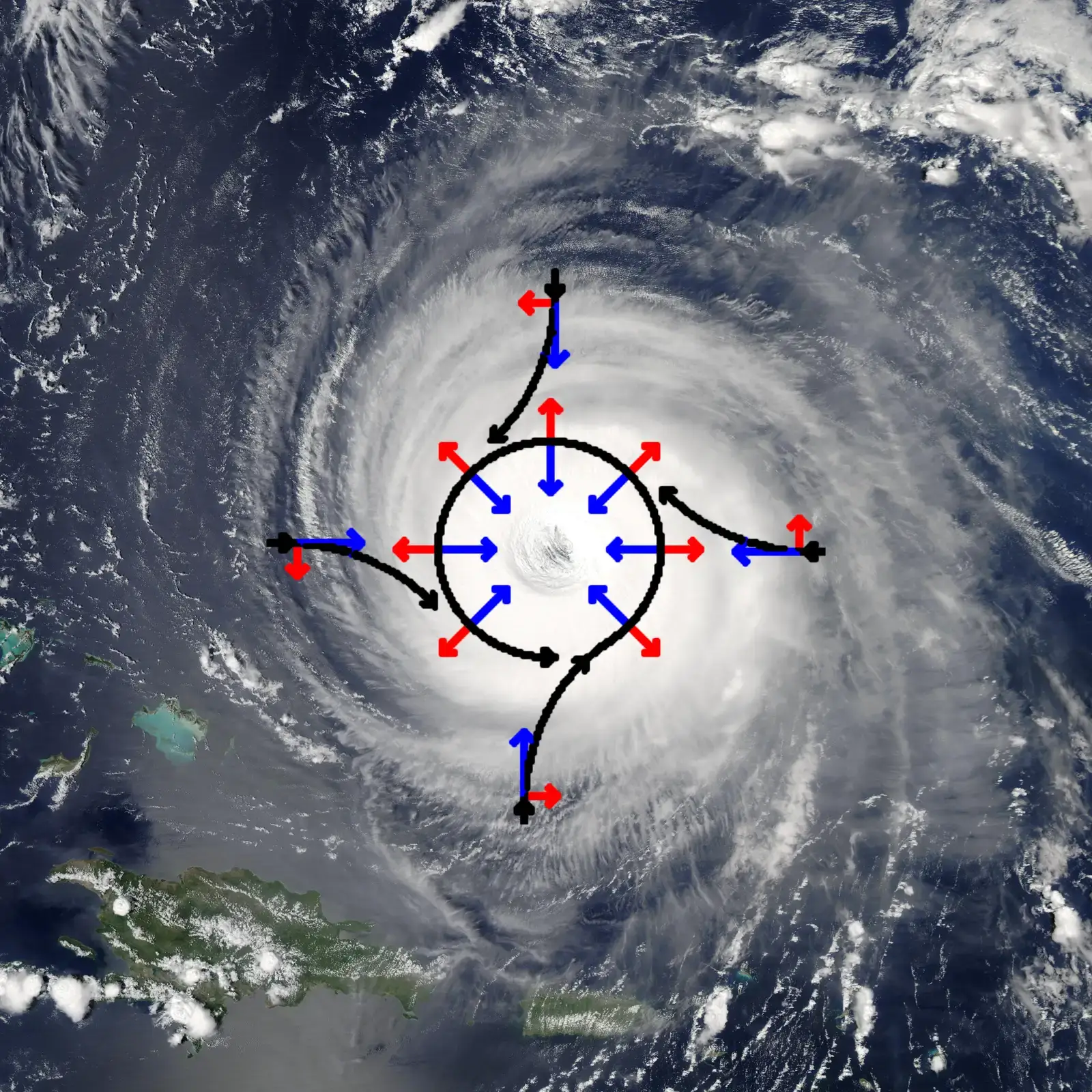
There are six lists, and they take turns. The WMO rotates six lists of 21 alphabetical names. After the sixth year, the first list comes around again.
That means this year’s names have a past and a future. The names from 2026 will be back in 2032. The 2026 list is the same one used in 2020, the most active Atlantic season on record at 30 named storms, with retired names swapped out.
4. Some Names Are Retired for Good

A name can drop out of the rotation if the storm behind it was bad enough. That happens when a storm is so deadly or costly that using the name again would be inappropriate. Katrina is the classic example.
The most recent case is Melissa. The WMO retired it and replaced it with Molly for the 2031 season. Melissa now sits alongside Katrina, Matthew, Irma and Beryl on the retired list.
5. Melissa Was the 100th Retired Name
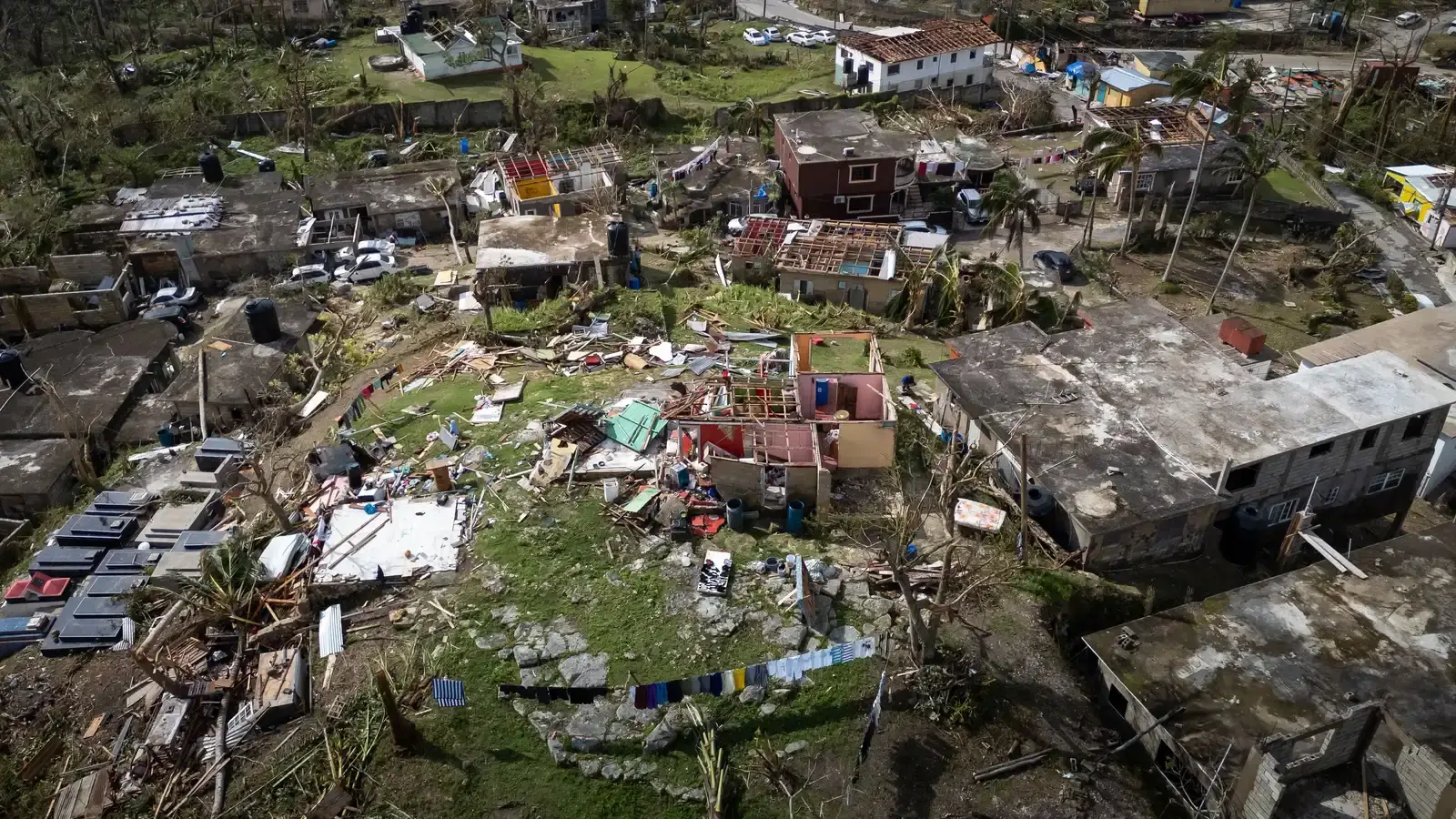
The retirement list has reached a round number. Melissa officially became the 100th Atlantic hurricane name to be retired since 1954. The decision came at the WMO committee’s annual meeting in early March 2026.
The 2025 season produced only one retirement. That’s down from four retired in 2024: Helene, Milton, Beryl and John. Seasons with no retirements are the exception, and the most recent one was 2023.
6. Naming Started Informally During World War II
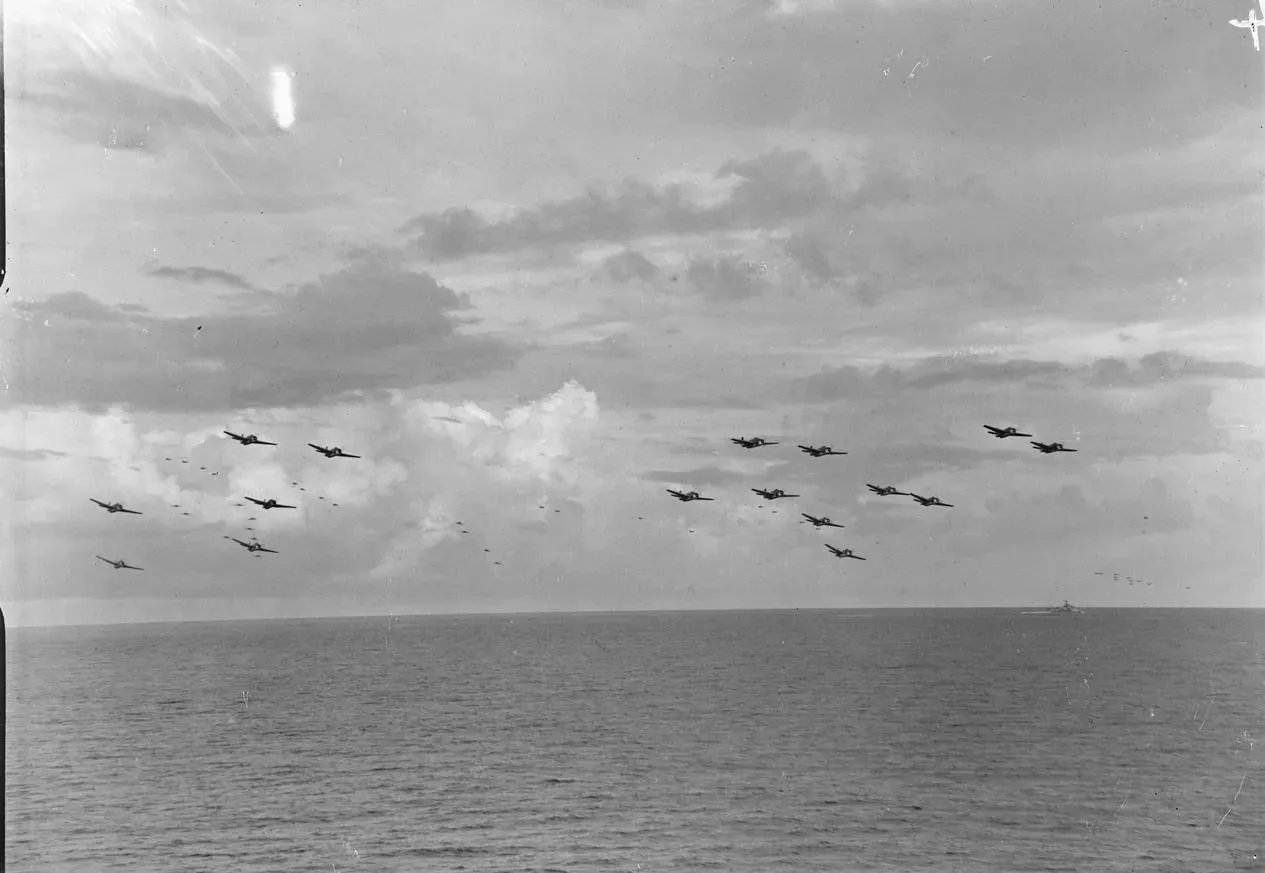
Before official lists, storms were often identified by year or location. In the later stages of World War II, forecasters with the U.S. Armed Forces began informally naming Pacific tropical cyclones after their wives and sweethearts. The habit proved handy for quick communication.
Official lists followed in the early 1950s, and for years they used only women’s names. Men’s names were added to the Atlantic lists in 1979, and the lists have alternated since. Short names are simply easier to pass along than latitude and longitude, especially when several storms are active at once.
7. The 2026 Atlantic Names Are Already Set
This year’s list runs from Arthur to Wilfred. It goes Arthur, Bertha, Cristobal, Dolly, Edouard, Fay, Gonzalo, Hanna, Isaias, Josephine, Kyle, Leah, Marco, Nana, Omar, Paulette, Rene, Sally, Teddy, Vicky and Wilfred.
Leah is a newer addition. It replaced Laura, one of the 2020 retirees. Names that were retired in earlier years show up on lists as fresh replacements.
8. Hurricane, Typhoon and Cyclone Are the Same Thing
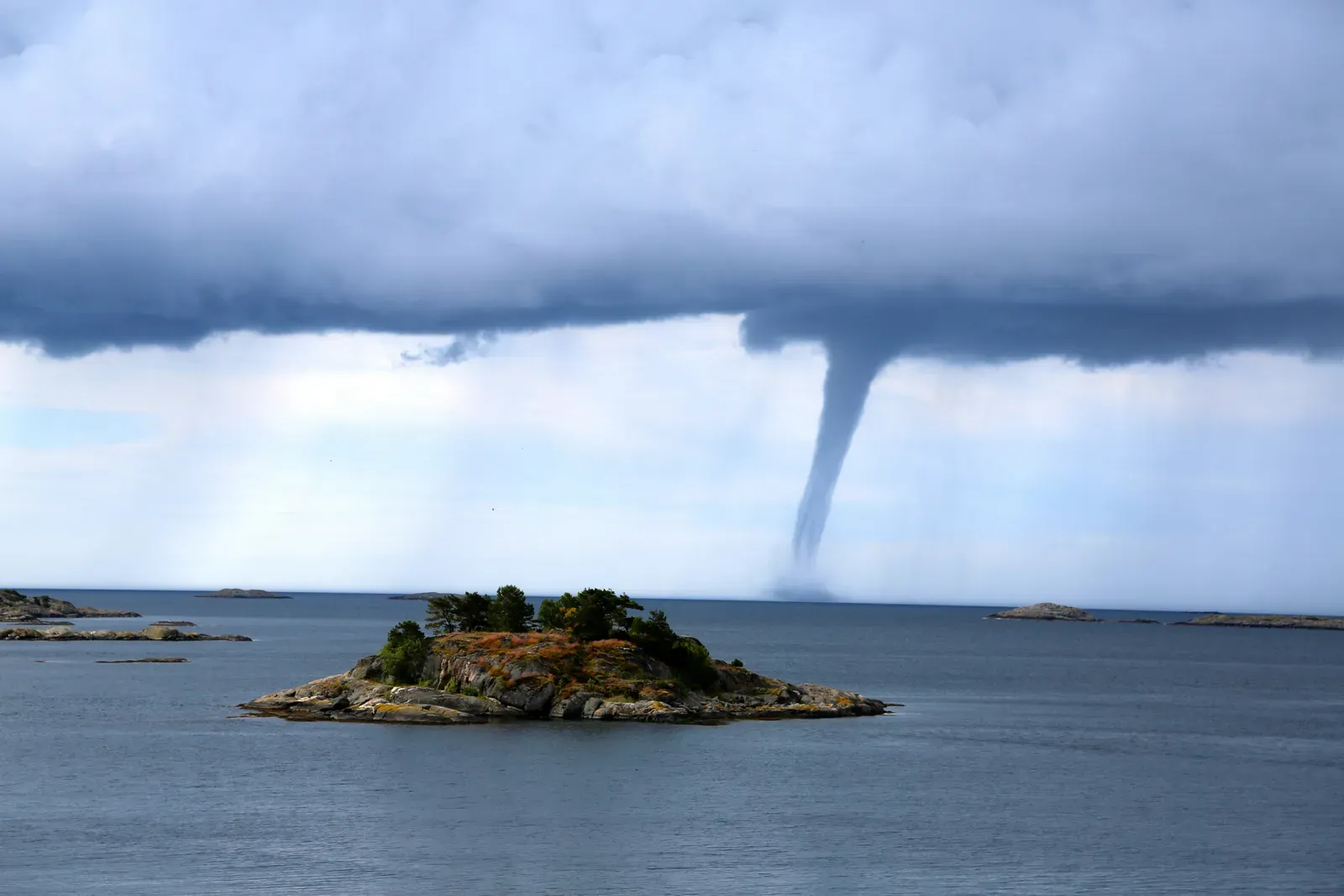
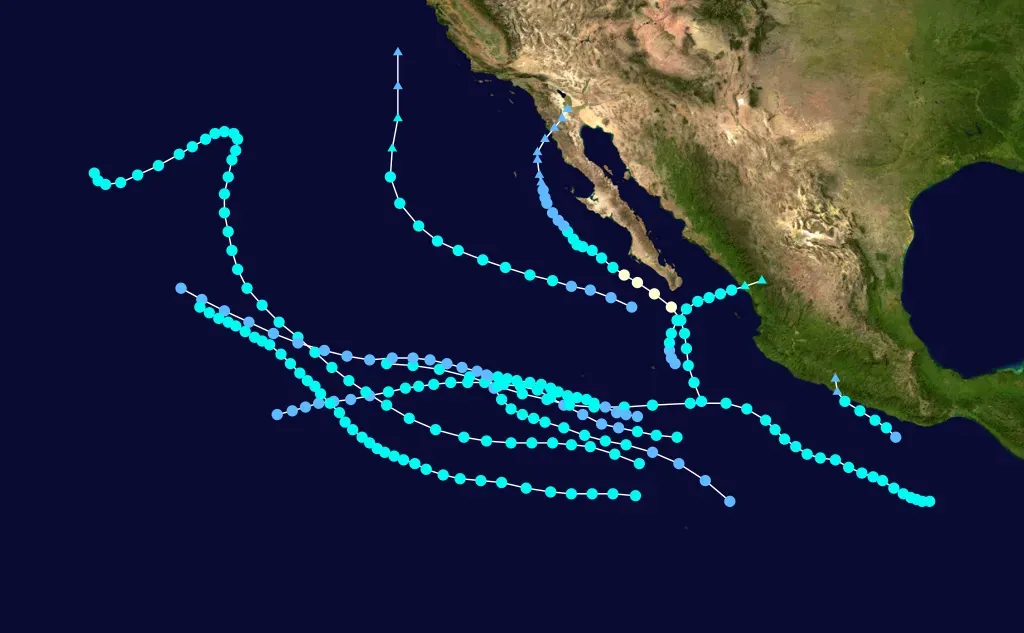
The word changes with geography, not the storm. In the Atlantic and the northeastern Pacific, a mature system is a hurricane. In the northwestern Pacific it’s a typhoon, and in the Indian Ocean and South Pacific it’s usually called a cyclone.
The wind speed matters for the label. A tropical storm has sustained winds of 39 to 73 mph, and a Category 1 hurricane begins at 74 mph. Below that, a system is a tropical depression.
9. The Saffir Simpson Scale Rates Wind Only
The familiar one to five scale measures sustained wind speed. Category 3 covers 111 to 129 mph, Category 4 covers 130 to 156 mph, and Category 5 starts at 157 mph. It says nothing directly about rain or surge.
That’s a real limitation. A slower, wetter storm can do enormous damage through flooding even at a modest category. Forecasters therefore issue separate warnings for storm surge and rainfall.
10. Hurricane Season Has a Defined Calendar

In the Atlantic, the season runs from June 1 to November 30. Storms can occasionally form outside those dates, but the window covers the vast majority of activity.
The busiest stretch is narrower. Peak activity runs from mid August to late October. The 2025 season followed that pattern, with its strongest system, Melissa, reaching late in October.
11. Hurricane Melissa Was Among the Most Intense on Record

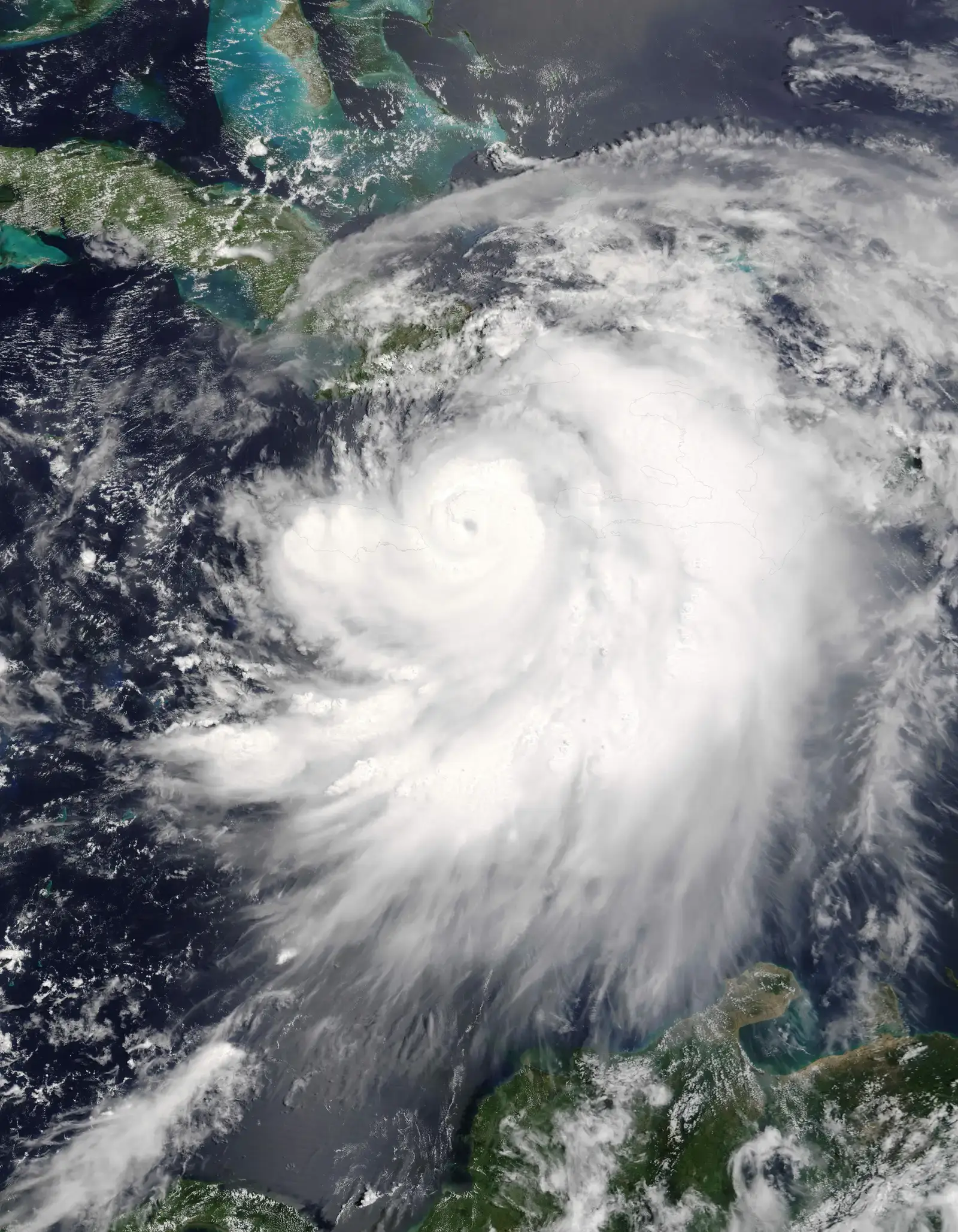
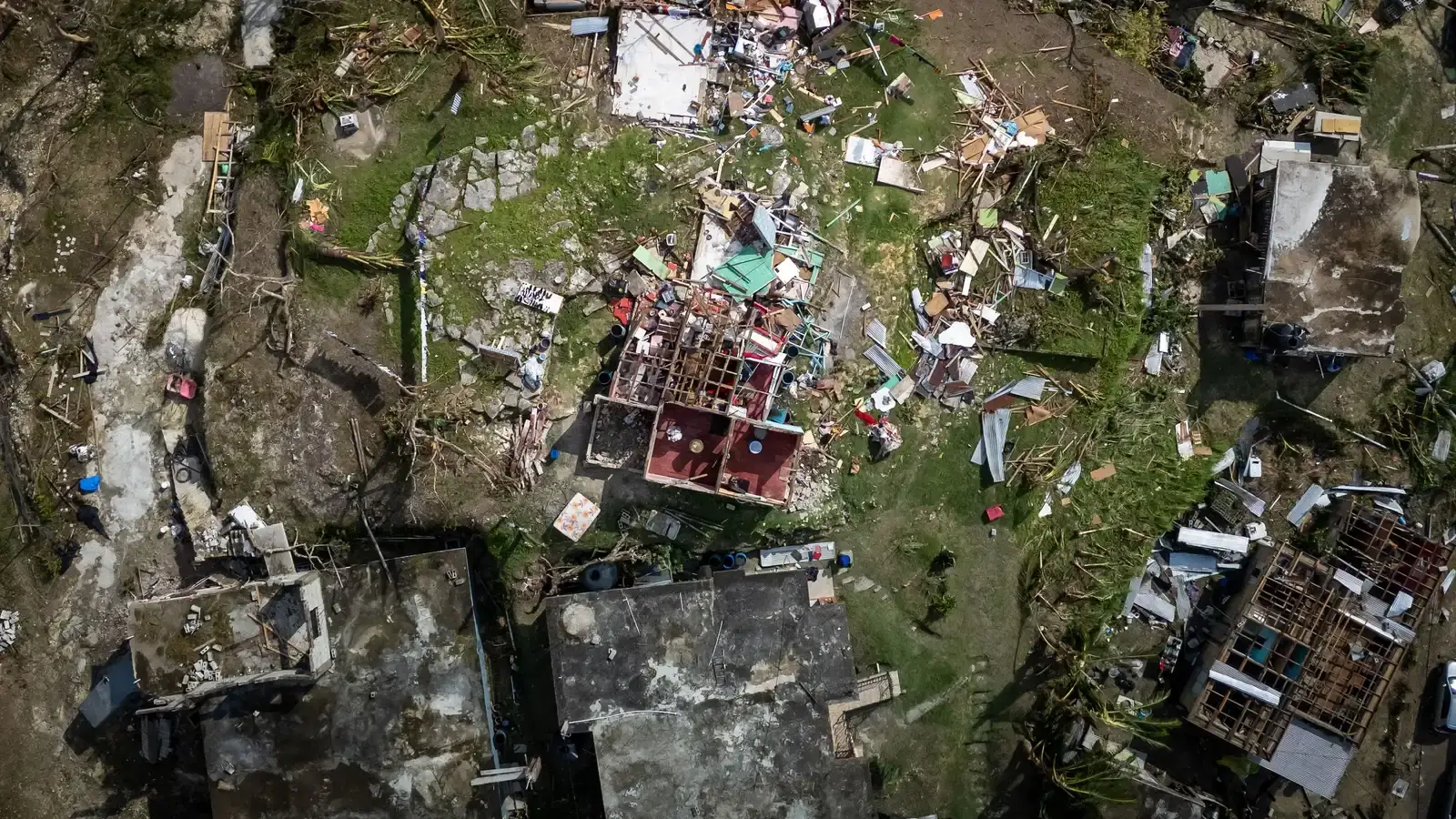
Melissa rapidly strengthened in the Caribbean in October 2025. It reached peak winds of 190 mph before making landfall in Jamaica with winds of 185 mph. Its lowest pressure was 892 millibars.
The human toll was heavy. The storm caused widespread destruction from wind, storm surge and flooding, leading to at least 95 deaths. Estimated monetary losses in Jamaica were over 12 billion U.S. dollars.
12. The Letter I Has the Most Retired Names
Some letters are more dangerous than others, at least statistically. The letter with the most retired storms is I, with 13. Think of Irma, Ian, Ida and Isabel.
There’s a reason. The ninth named storm often forms in the most active months, when conditions are most favorable. Separately, the 2005 season holds a record of its own, leading with five retired names.
