


- The Planet Where It Rains Liquid Glass – 7 Alien Worlds Defying Known Physics - November 14, 2026
- Stars Consuming Entire Worlds – 6 Planetary Systems Swallowing Their Own Worlds - November 14, 2026
- The Ground Liquefies Like Water – 6 Silent Fault Lines Geologists Watch Closely - November 14, 2026
Most of us never think about the dryer. It hums in the corner, the clothes come out warm, and the day moves on. Going a full year without one changes that, mostly because you start noticing everything the machine was quietly handling for you.
The household details turn out to be more interesting than the idea of “saving the planet” that usually gets attached to this kind of experiment. Some lessons were practical, some were about habits, and a couple were just surprising. Here’s what a year of drying by air showed up, backed by what the research says.
The dryer is a bigger energy user than it looks
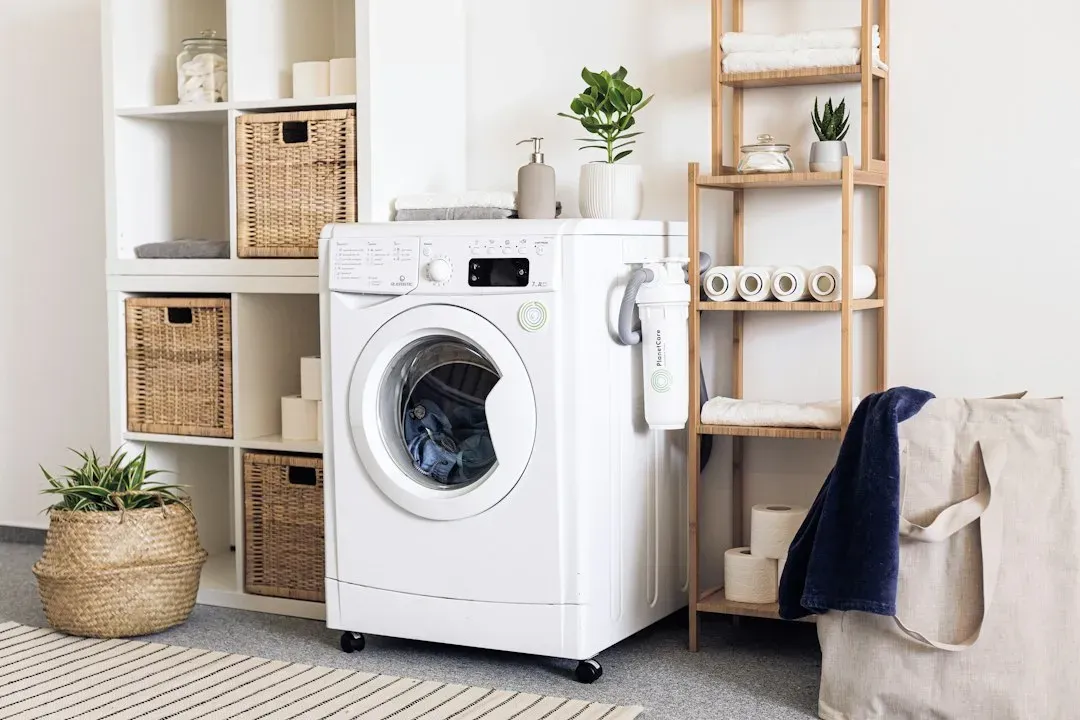
A dryer doesn’t feel like a major expense, since each load is cheap on its own. Still, household dryers in the U.S. consume about 3% of the residential energy budget, about six times that used by washing machines. The Department of Energy puts typical consumption for an electric dryer at approximately 782 kilowatt hours per year.
That helps explain why the savings show up quickly. A University of Michigan study estimated that over the lifetime of a dryer, 100% line drying could save a household upwards of $2,100. Your own number depends on your electricity rates and how many loads you run.
Your laundry schedule now belongs to the weather
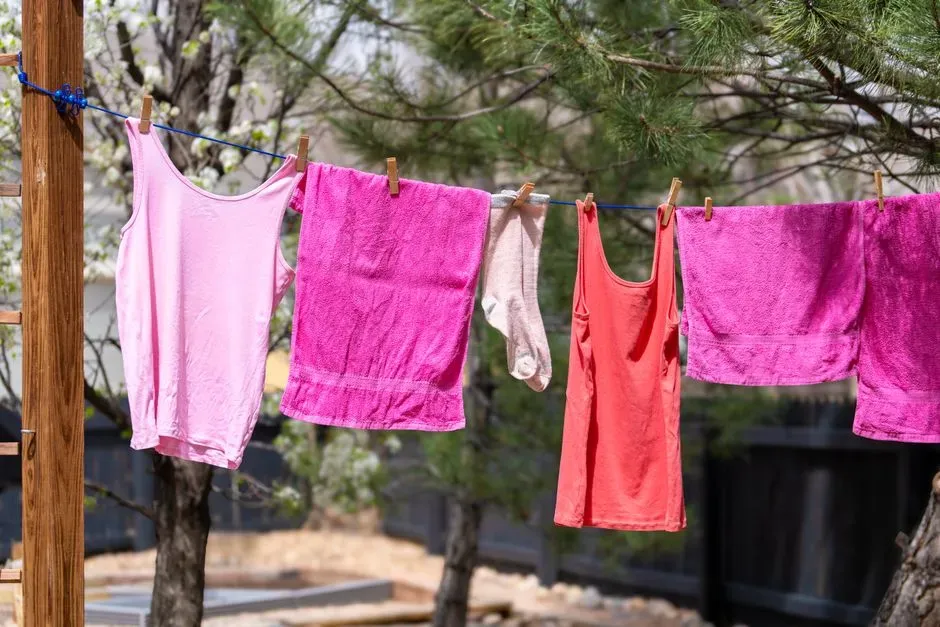
Without a dryer, a sunny, breezy morning becomes a laundry opportunity, and a damp week becomes a problem. You start checking the forecast before you decide what to wash. It sounds minor, yet it changes how you plan your week.
Rainy stretches were the hardest. Heavy items like jeans and towels can take a day or more indoors, so it helps to wash smaller batches and stagger them. Doing a load every day or two works better than saving up one giant pile.
Planning ahead replaces the last minute scramble
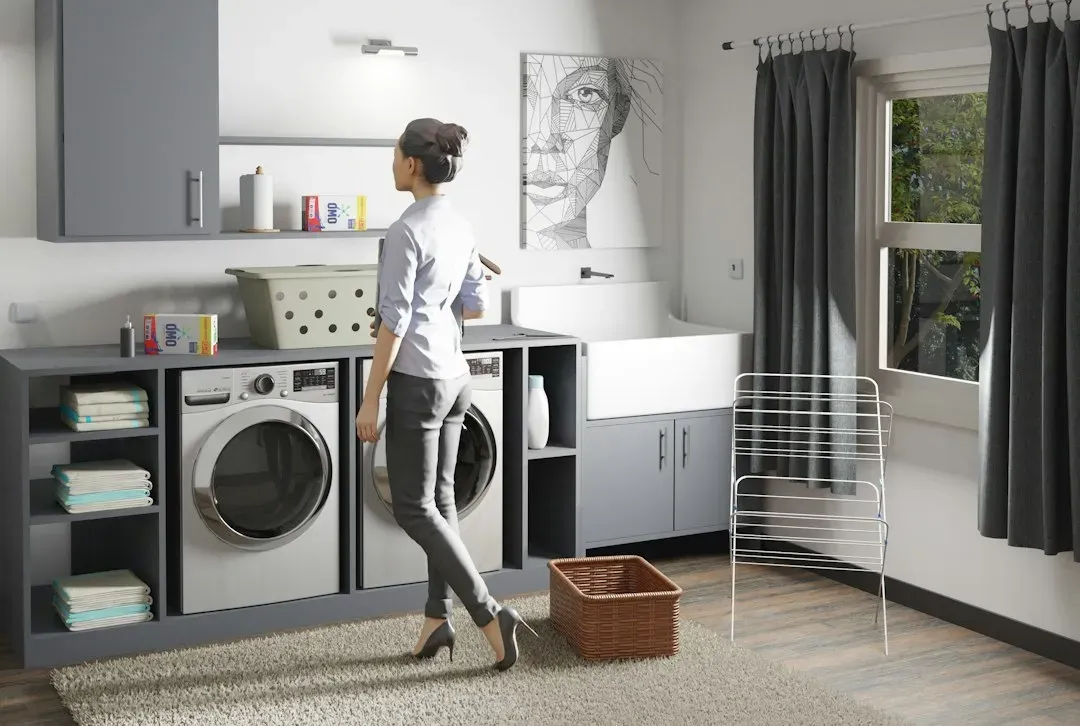
A dryer lets you wash something at nine at night and wear it at seven the next morning. Air drying takes that option away. You learn quickly to think a day ahead about which clothes you’ll actually need.
The upside is that laundry stops being an emergency. Hanging things out in the evening or first thing in the morning becomes routine, and the pile rarely gets out of hand. It felt less like a chore once it had its own rhythm.
Sunshine and fresh air do real work
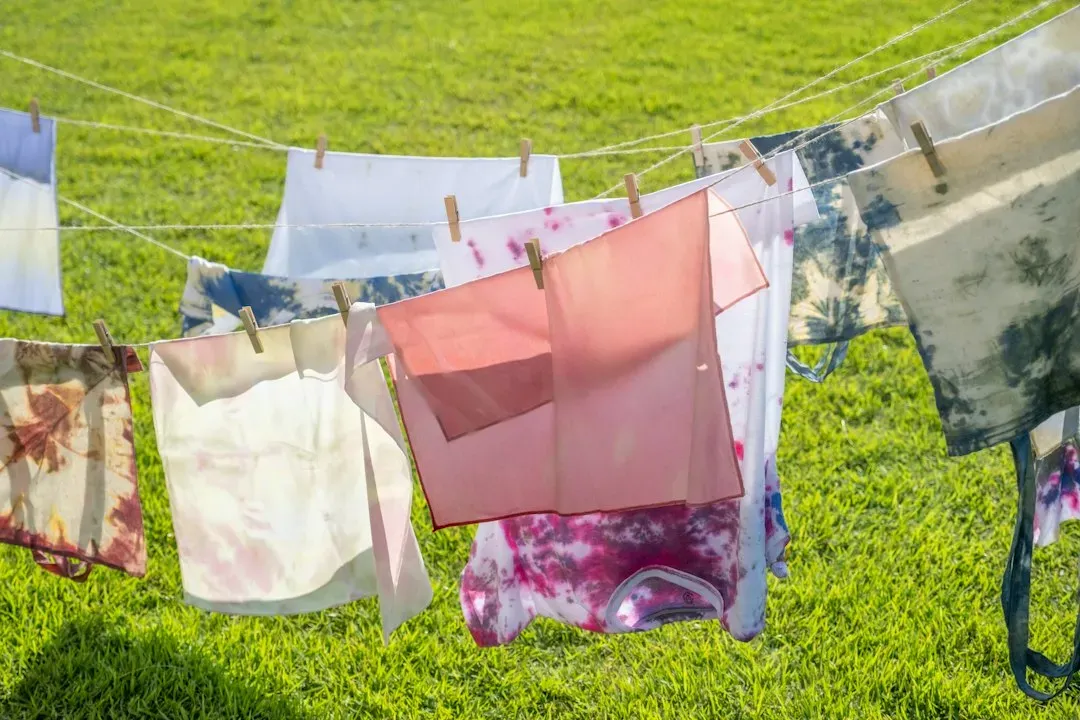
Clothes dried outdoors on a warm day come in with a clean, fresh smell that scented products rarely match. Sunlight also tends to brighten whites, though results vary with fabric and how long the items hang. I’d treat that as a pleasant side effect rather than a guarantee.
The cost side is simple. Heat from the sun and moving air do the job for free, and air works for free while a dryer draws power every minute it runs. Even a basic folding rack on a balcony can do a lot.
Some fabrics need a little coaxing
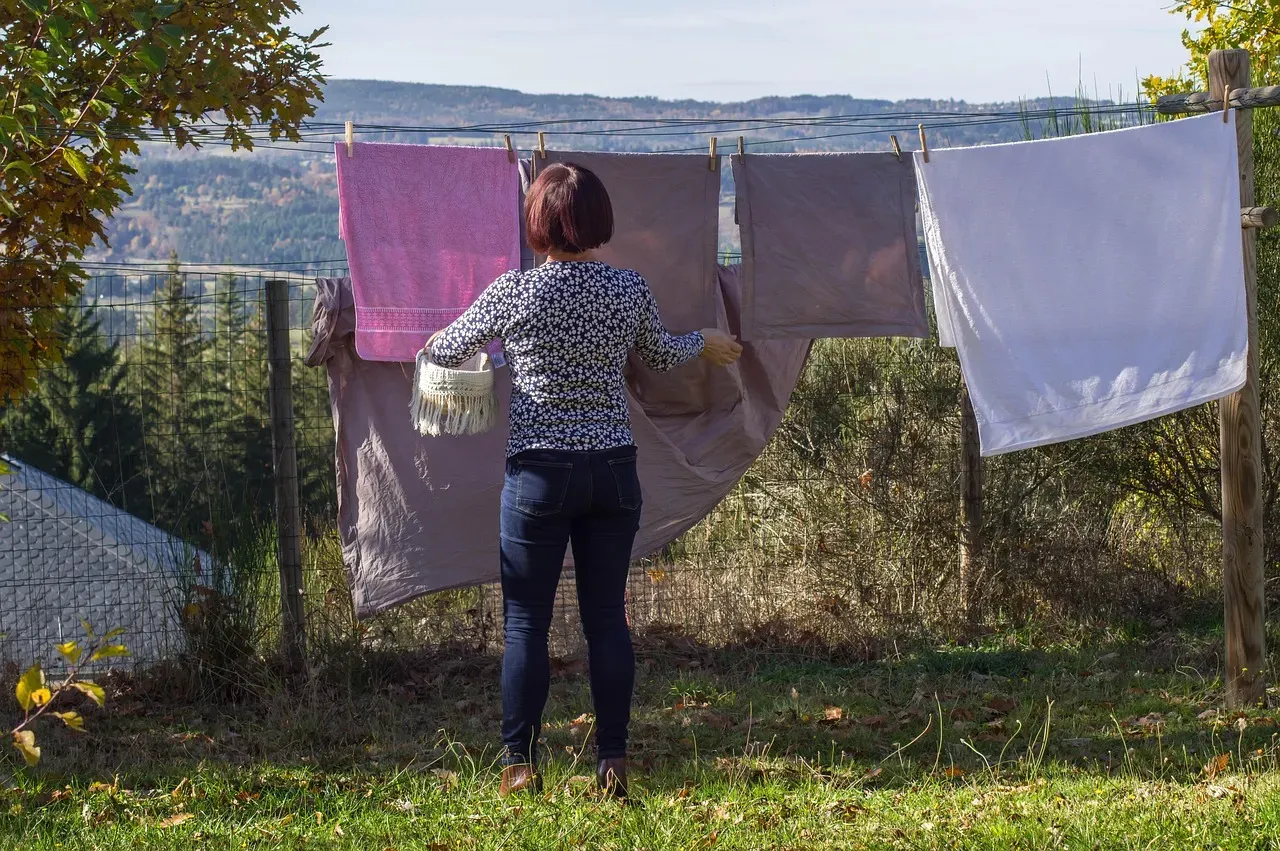
Towels and jeans can come out stiff after hanging. A good shake before they go on the line helps, and so does giving towels a few minutes of snapping out in the air once they’re dry. Some people finish with a short tumble, which brings up the hybrid approach later on.
Knits and delicate items often fare better on a flat rack, since hanging can stretch them. Thin cotton shirts and synthetics dry fast and rarely cause trouble. After a few weeks you know which items belong where.
Indoor drying needs some care with moisture

When it’s too cold or wet to hang clothes outside, a full rack inside releases a lot of water into the air. In a small or tightly sealed home, that can raise humidity and make condensation or musty smells more likely. Opening a window, running a fan, or using a dehumidifier makes a real difference.
Placement matters too. A room with some airflow beats a closed bedroom, and spreading items out so they aren’t bunched together shortens drying time. It’s worth taking this seriously, since damp air is one of the few genuine downsides of the experiment.
Dryers have hidden efficiency problems, even the good ones
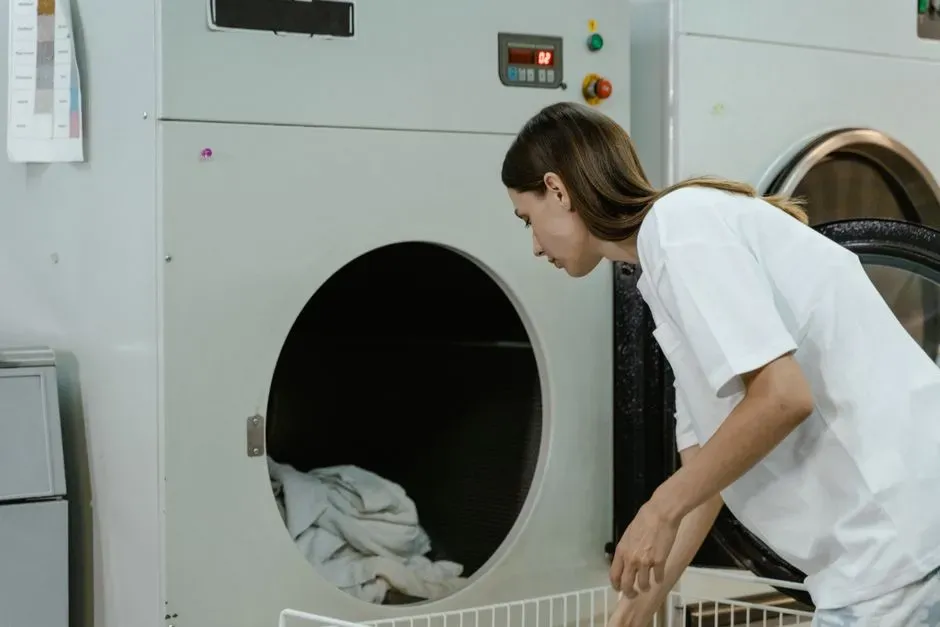
Testing summarized by Sense found that many dryers with moisture sensors still tend to over dry, and that as much as 62% of the energy used in a cycle may be from over-drying. In other words, a machine can waste a lot of energy after your clothes are already dry.
Heat settings matter as well. Testing for the NRDC, cited in an ENERGY STAR report, found a 13% difference in energy consumption between the highest and lowest heat settings for one clothes dryer model. Living without the machine made me notice how much of its work happens invisibly.
Going all in isn’t the only way to benefit
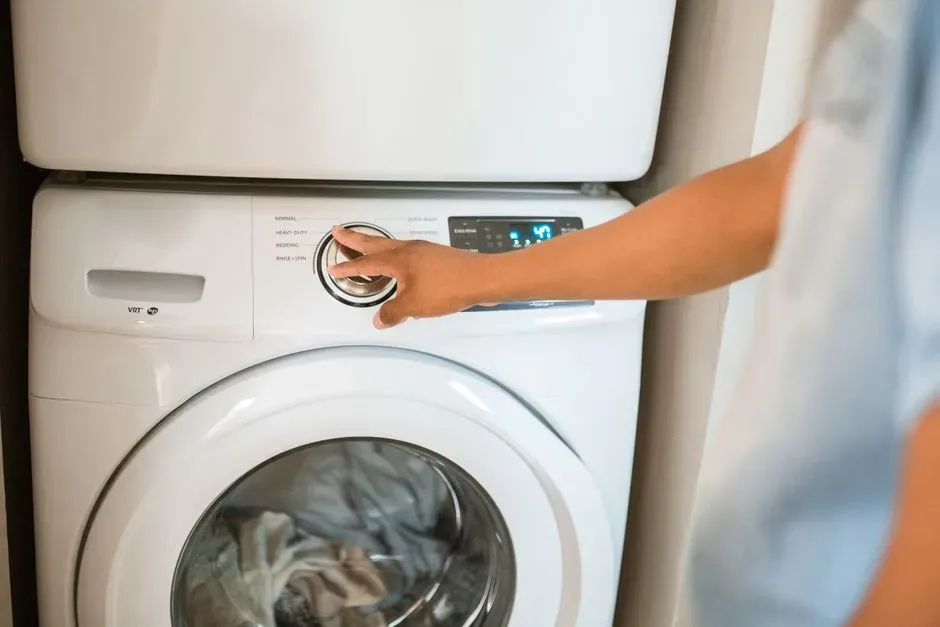
The year taught me that the choice isn’t strictly all or nothing. The dryer is widespread, since the 2020 Residential Energy Consumption Survey indicates that 102.32 million U.S. households (83%) have clothes dryers. For most of those homes, cutting back is far more realistic than giving up completely.
Air drying most loads and keeping a dryer for emergencies, bulky bedding, or wet winter weeks captures a good share of the savings. If you do keep one, an ENERGY STAR dryer consumes 20% less energy than a non-ES dryer. The biggest gain comes from simply running the machine less often.
Final thoughts
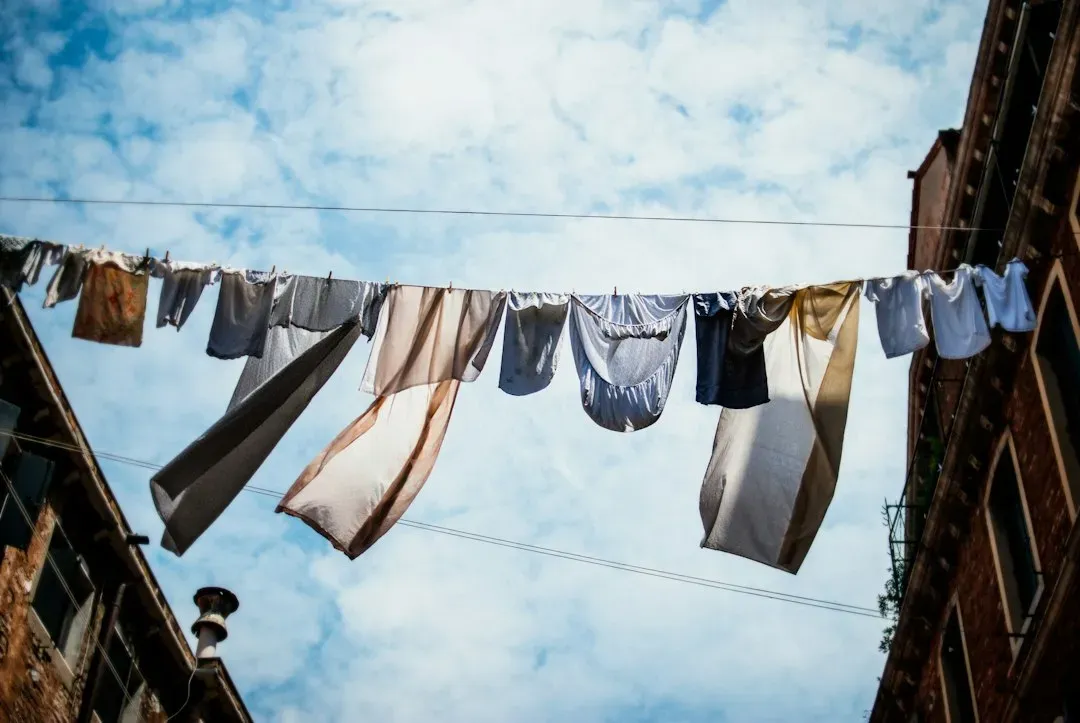
A year without a dryer is less about hardship than about paying attention. You see where the energy goes, how weather shapes daily routines, and how much of laundry is habit. Those lessons stay useful whether or not the machine ever comes back.
