


- Rain Shadows: Why One Side of a Mountain Range Can Be Lush and the Other Dry - October 13, 2026
- What Atmospheric Rivers Are and How They Bring Flooding to the US West Coast - October 13, 2026
- White Roofs, Shade Trees and Cool Pavement: 6 Ways Cities Are Cooling Their Streets - October 12, 2026
I did all the research before packing up my life and heading to the desert. I read about the triple-digit summers, I knew the sun would be relentless, and I told everyone who asked that “dry heat” would feel completely different from the humid summers I grew up with. In some ways, that part was true. Still, nobody warned me about the dozens of smaller, stranger, and occasionally alarming surprises that come with actually living here year-round, not just visiting for a long weekend in February.
Arizona rewards people who adapt quickly and humbles anyone who assumes their old habits will simply carry over. Below are eight things that genuinely caught me off guard after the moving boxes were unpacked, based on my own experience and on data from local utilities, meteorologists, and health officials who track this stuff far more closely than I ever expected to.
1. The Nights Don’t Cool Off the Way I Expected
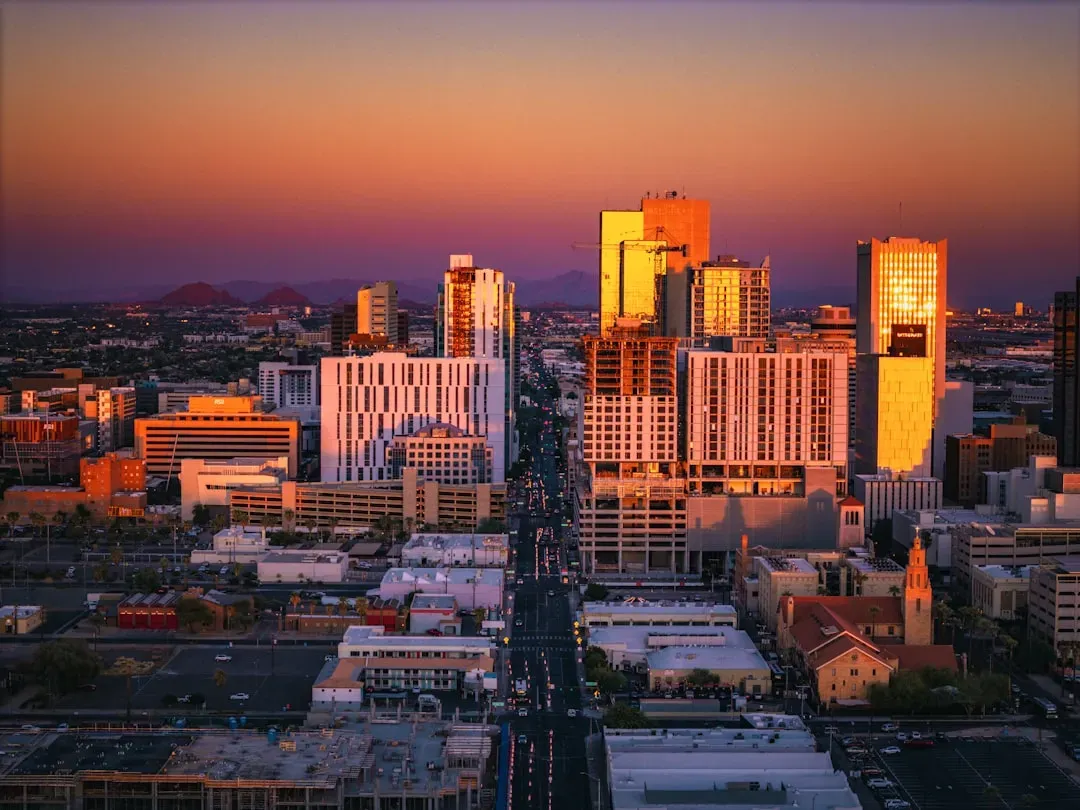
I assumed that once the sun went down, the desert would finally exhale. That is not really how it works anymore, especially in the Phoenix metro area. According to the National Weather Service, Phoenix’s average summer overnight low between 1896 and 1960 was approximately 71.5 degrees. These days that number has climbed dramatically, and the city’s low temperature hit 97 degrees, the hottest overnight temperature ever recorded in Phoenix, matching the only other time it reached that mark on July 19, 2023.
What really surprised me is how much of this comes down to concrete and asphalt rather than just the sun. As natural desert landscapes have been replaced with asphalt, concrete, rooftops, and buildings, the region has become more effective at storing heat during the day and releasing it slowly overnight, functioning like thermal batteries that prevent the city from cooling after sunset. I used to think evening walks would be my escape from the heat. Instead, I learned that the pavement under my feet is still radiating warmth well past midnight.
2. My Electric Bill Became a Second Rent Payment

I had heard summer bills would be higher, but I underestimated by how much. Arizona summer electricity bills average between two hundred and four hundred fifty dollars per month depending on home size, according to the U.S. Energy Information Administration. For my modest place, that meant a jump that felt closer to a car payment than a utility bill.
The reason became obvious once I looked at how much my air conditioner actually runs. Air conditioning accounts for a quarter of all household energy use in Arizona, roughly quadruple the national average. On top of that, Phoenix averages more than eighty days above one hundred degrees Fahrenheit annually, forcing HVAC systems to run twelve to eighteen hours per day at peak summer. I now treat my thermostat with the same respect I once reserved for my grocery budget.
3. The Air Itself Started Attacking My Skin and Sinuses
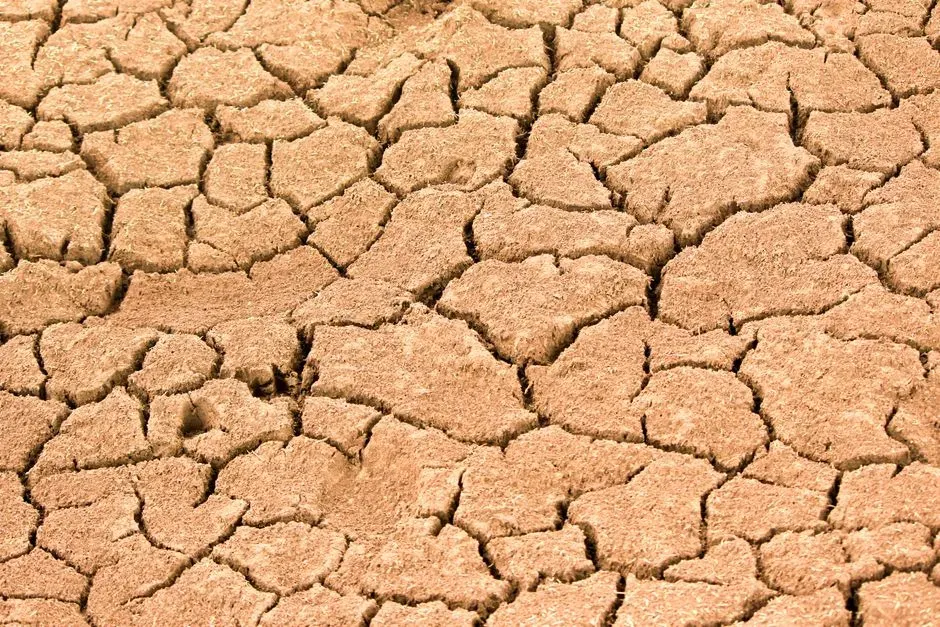
I expected the heat, but I did not expect my body to feel like it was slowly drying out from the inside. Within weeks I was dealing with cracked lips, itchy skin, and more nosebleeds than I’d had in the previous decade combined. As it turns out, this is a well-documented desert phenomenon rather than something unique to me.
Low humidity pulls moisture from everything it touches, including people. Arizona’s desert air pulls moisture from anything it touches, including skin, and many homeowners notice their skin feeling itchy, flaky, or tight during the driest months. Static shocks became a running joke with my family too, since touching a doorknob or taking off a sweater in the middle of an Arizona winter turned into a small but consistent source of static jolts I never experienced back home.
4. Dust Storms Are Their Own Weather Category
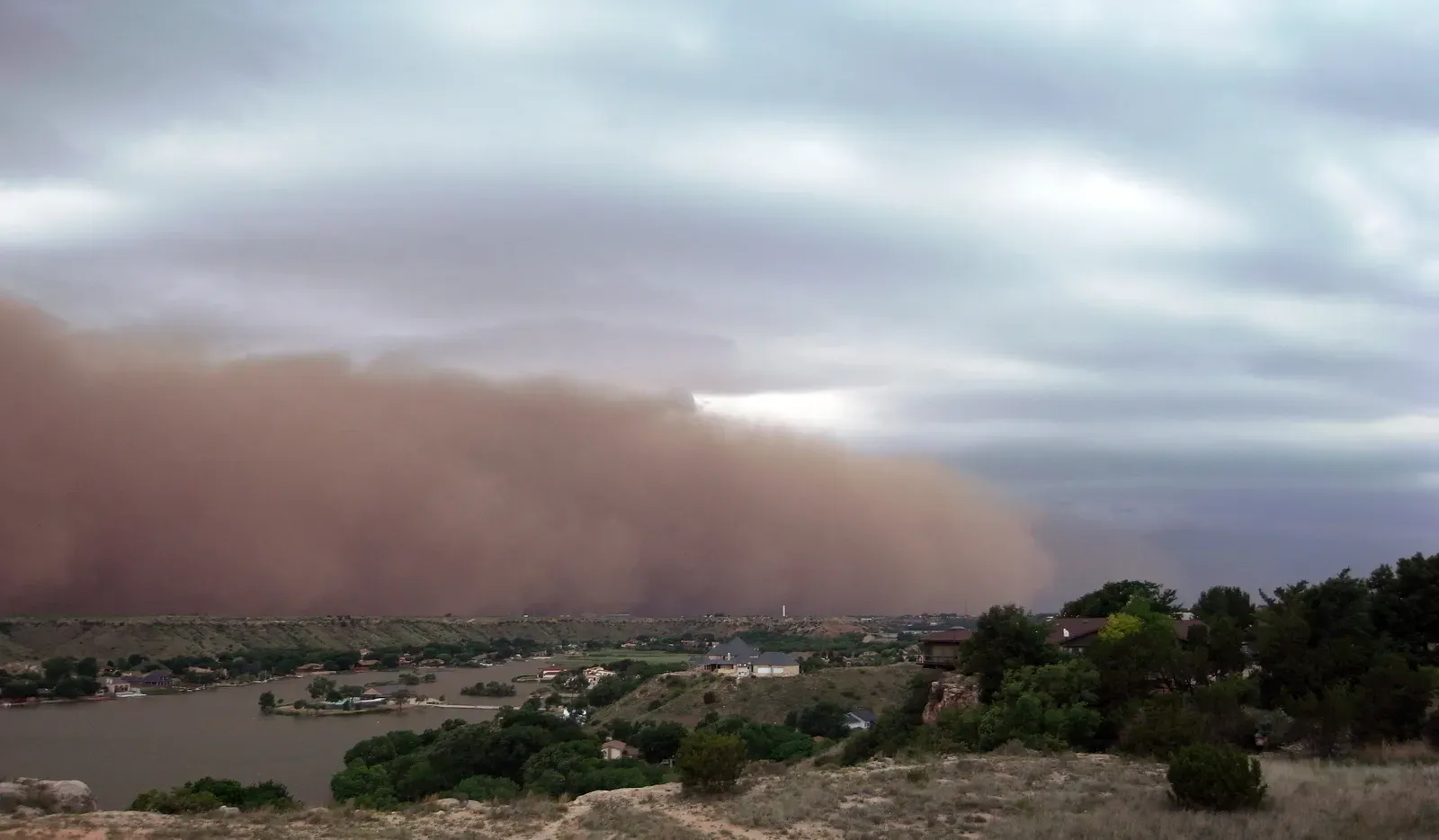
Nobody adequately prepared me for the first time I watched a wall of brown dust roll across the horizon like something out of a disaster film. These are called haboobs, and they are a legitimate meteorological event, not just a windy afternoon. A haboob forms when a thunderstorm’s downdraft hits the desert floor and kicks up loose sand and dust in a dense, rolling wall that advances at speeds of 30 to 60 mph.
The scale of these storms is genuinely hard to picture until you’ve seen one. The most famous example swept across the Phoenix metro area in a wall of brown particulate nearly 5,000 feet tall and 100 miles wide back in July 2011. Local officials now take them seriously enough that the National Oceanic and Atmospheric Administration says the Phoenix area experiences one to three large dust storms a year. I now know to pull off the road immediately rather than try to outdrive one.
5. Monsoon Season Feels Like Two Different Climates in One Summer
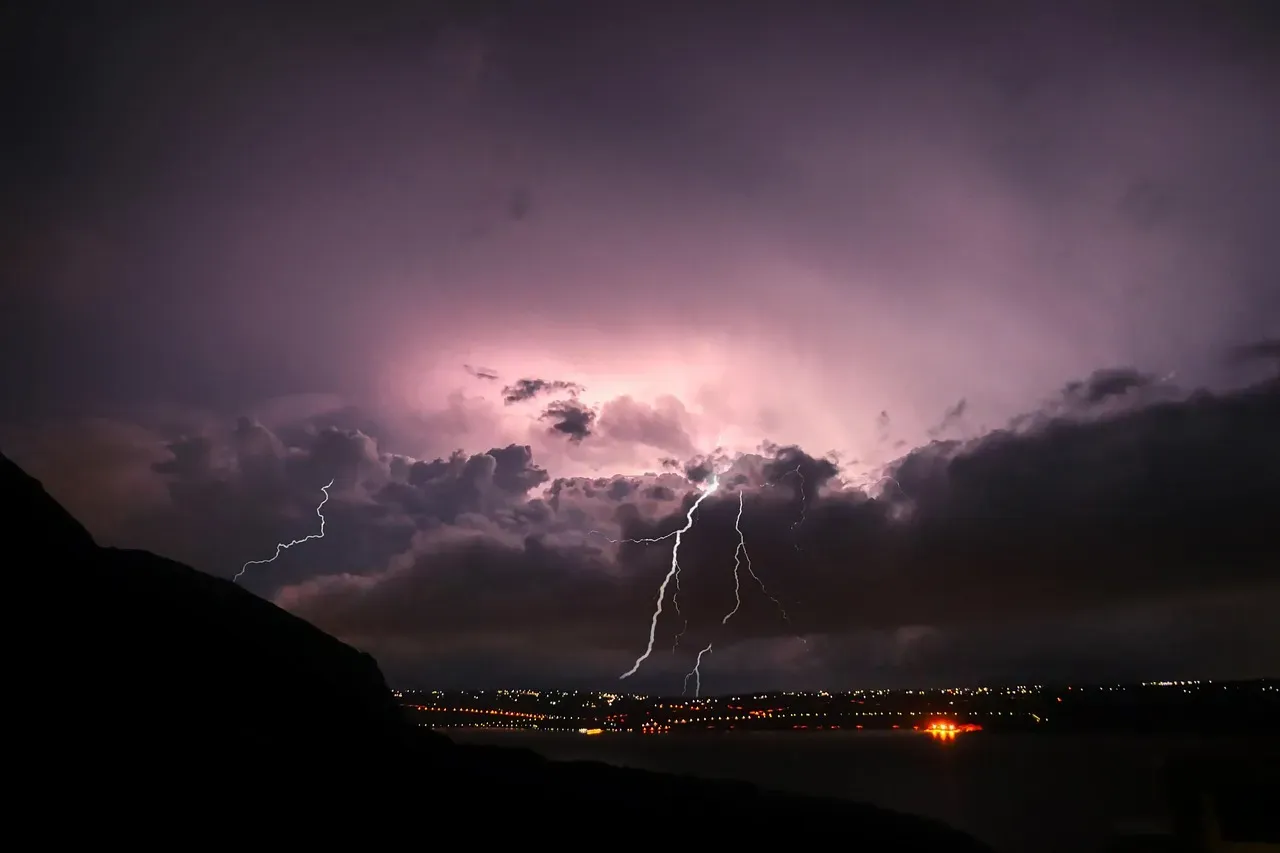
I had this idea that Arizona summers were just endless dry heat from June through September. Monsoon season completely rearranged that assumption. The storms that arrive in the back half of summer can be dramatic and fast-moving in a way that feels almost tropical for a few hours at a time.
What struck me most was how quickly conditions can flip from calm to severe. The speed of development is remarkable, since a clear sky at three in the afternoon can become a full severe thunderstorm by five, with the desert offering no gradual build, going from nothing to everything in under two hours. Meanwhile, Phoenix averages just 2.56 inches of monsoon rain, but it’s the wind from those storms, not the rain, that lifts the dust. I learned to check the radar obsessively during monsoon months, something I never once did in my previous home.
6. Extreme Heat Is a Genuine Public Health Emergency, Not Just an Inconvenience
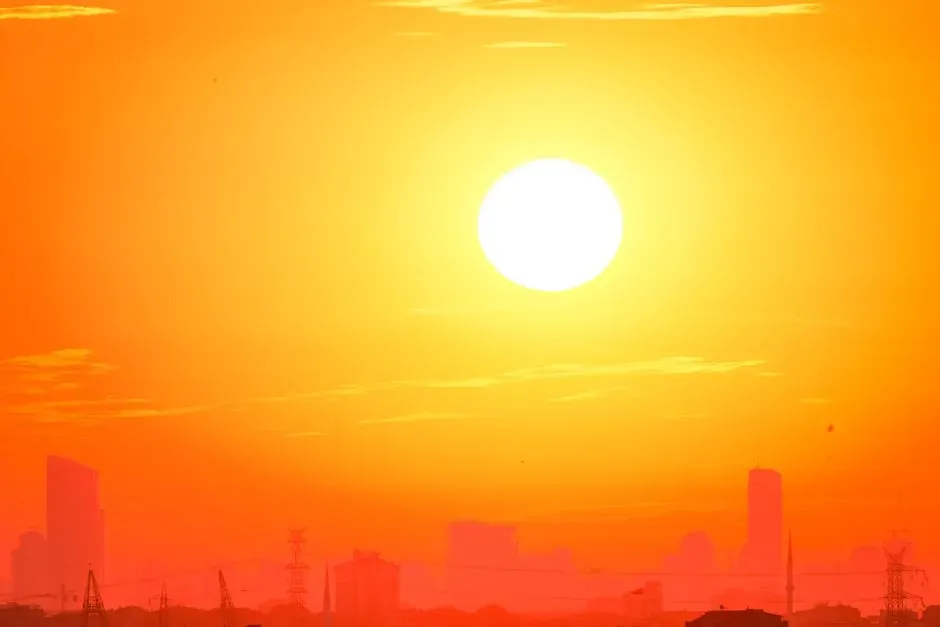
Coming from a milder climate, I thought of heat as uncomfortable rather than dangerous. Living here changed that perception fast. The scale of heat-related illness and death in Maricopa County is something local health officials track closely every single year, and the numbers are sobering.
The lack of overnight relief is a major part of why this heat is so risky. Heat-related deaths tend to increase when nights stay hotter and people never get the chance to cool off, with a Maricopa County health official noting it’s “that sustained heat with high overnight lows that we see as the biggest risk.” More strikingly, the Maricopa County Office of the Medical Examiner had confirmed 81 heat-related deaths so far in 2026, compared to 35 confirmed at the same point the previous year. That statistic alone changed how seriously I take heat warnings now.
7. Triple-Digit Days Have Become Far More Common Than the “Historical Average”
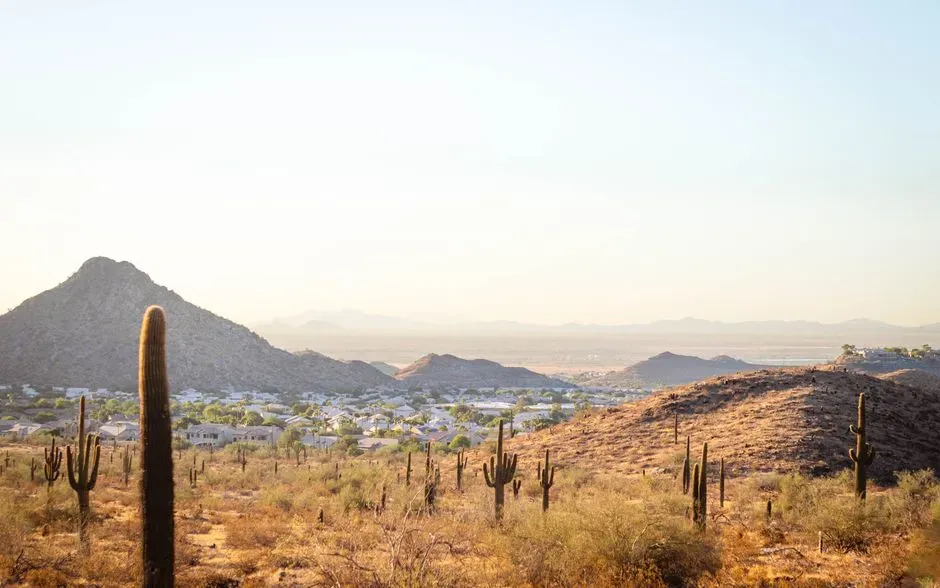
Before moving, I looked up the old climate averages and assumed those numbers still applied. They don’t, at least not anymore. Arizona’s baseline heat has shifted noticeably over the past couple of decades, and the change is well documented rather than just anecdotal.
Historically, Phoenix averaged 13 days per year at or above 110 degrees, but that figure has risen to 21 days annually, and in 2024 the city experienced an unprecedented 70 days reaching or exceeding 110 degrees. Scientists point to a combination of factors behind this shift. Researchers attribute the trend to a combination of global climate change and the urban heat island effect. I now plan outdoor errands around forecasts the way people elsewhere plan around snowstorms.
8. Winter Actually Arrives, and It Helps Offset the Summer Pain
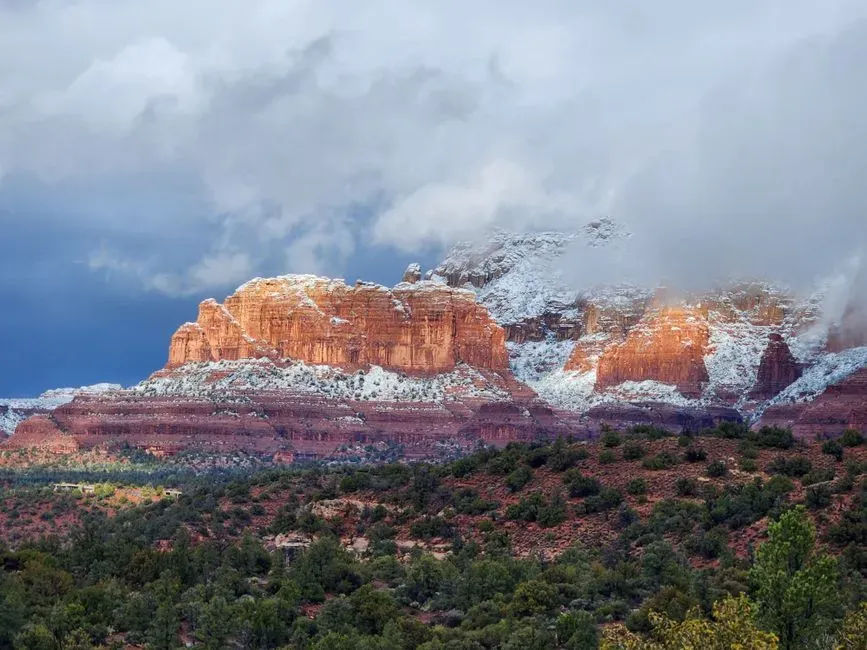
This one was a pleasant surprise rather than a rude one. I had braced myself for a brutal year-round electric bill, but the mild Arizona winters genuinely balance things out more than I expected going in.
The state makes up for expensive summers with mild winters, since temperatures almost never dip below 40 degrees, and lower-than-average heating costs help even out monthly bills to an annual average around 128 dollars a month. That’s still higher than the country’s average but nowhere near what newcomers might expect after witnessing the summer numbers. It was the first time a utility statistic actually made me feel a little better about my decision to move here.
Looking back, none of these eight surprises were dealbreakers, but they were all things I wish someone had explained to me in plain terms before I signed a lease. Arizona’s dry heat is real, and in some ways it does feel more tolerable than humid summers elsewhere. Still, dry heat comes bundled with dust walls, skyrocketing cooling bills, dangerously warm nights, and a climate that keeps shifting in ways researchers are still trying to fully quantify. If you’re thinking about making the same move, do your homework on the utility rates and the monsoon calendar, not just the average daytime high. The desert has a way of teaching you things you didn’t know you needed to learn.
