

Mawsynram is a small village in the East Khasi Hills of Meghalaya, in northeastern India. It sits at about 1,400 meters, roughly 15 km west of Cherrapunji. Few people outside the region would find it on a map, yet meteorologists know it well.
The village is best known for one thing, and that’s water falling from the sky in huge amounts. The comparison in the title sounds like an exaggeration. The arithmetic supports it for most American cities, though not for all of them.
The Number Behind the Headline

Mawsynram is reportedly the wettest place on Earth, with an average annual rainfall of 11,872 millimetres, or 467.4 inches. That’s close to twelve meters of water in a typical year. The figure is repeated in 2026 travel and reference material, so it’s the standard benchmark.
Other sources vary slightly. An Indian Meteorological Department scientist cited an average of about 11,802 mm for Mawsynram, based on the 1974 to 2022 period. The differences come from the years used, not from any real disagreement about how wet the place is.
How That Stacks Up Against U.S. Cities

Many U.S. cities receive somewhere around thirty to fifty inches of rain a year. Take a city that averages forty inches. Ten years of its rain adds up to about four hundred inches, which is still less than one average year in Mawsynram.
That’s my own back of the envelope math, not an official ranking, and it has limits. Some of the wettest Gulf Coast cities collect more than sixty inches a year, so over a decade they’d pull ahead. Dry western cities are nowhere near the comparison, and a decade of their rain wouldn’t fill a single Mawsynram week in July.
Why the Khasi Hills Wring Out the Sky
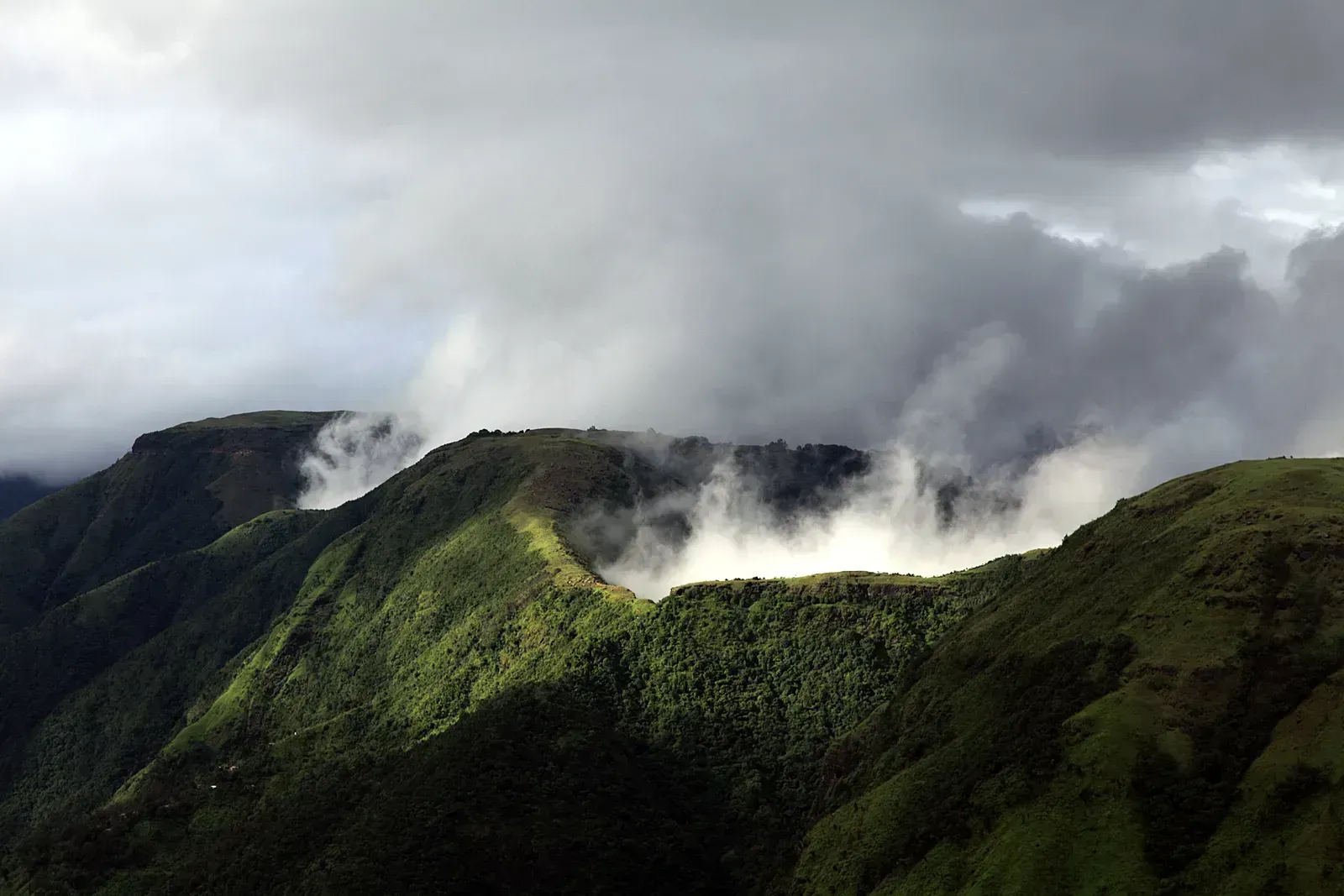
The cause is geography. During the southwest monsoon, warm, moisture laden winds move north off the Bay of Bengal, cross the flat plains of Bangladesh, and then meet the abruptly rising Khasi Hills. Nothing slows them down before the slope.
The air is forced sharply upward, cools, and releases its moisture almost continuously over Mawsynram. The funnel shaped valleys around the village concentrate the effect further. Meteorologists call this orographic rainfall.
A Season That Runs From June to September
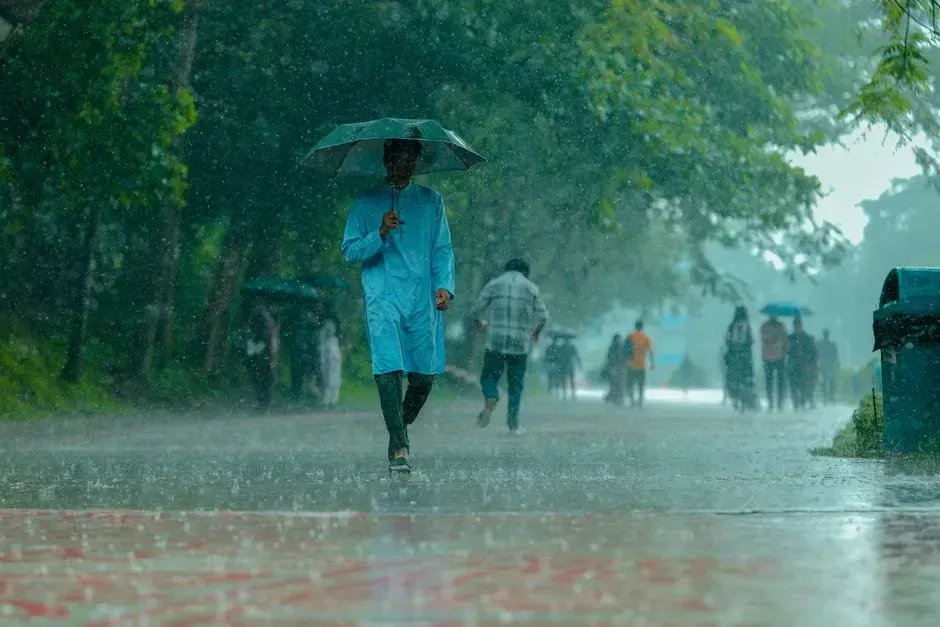
The vast majority of the rain falls during the monsoon months. July is the heaviest month, with the June to September southwest monsoon delivering most of the total. Climate tables for the village show July averaging roughly 2,467 mm, with June not far behind.
The dry months are still not exactly dry by U.S. standards. January averages only a small amount, yet the late spring build up is fast. By May the monthly average is already above one thousand millimeters.
The Day Mawsynram Broke Its Own Record
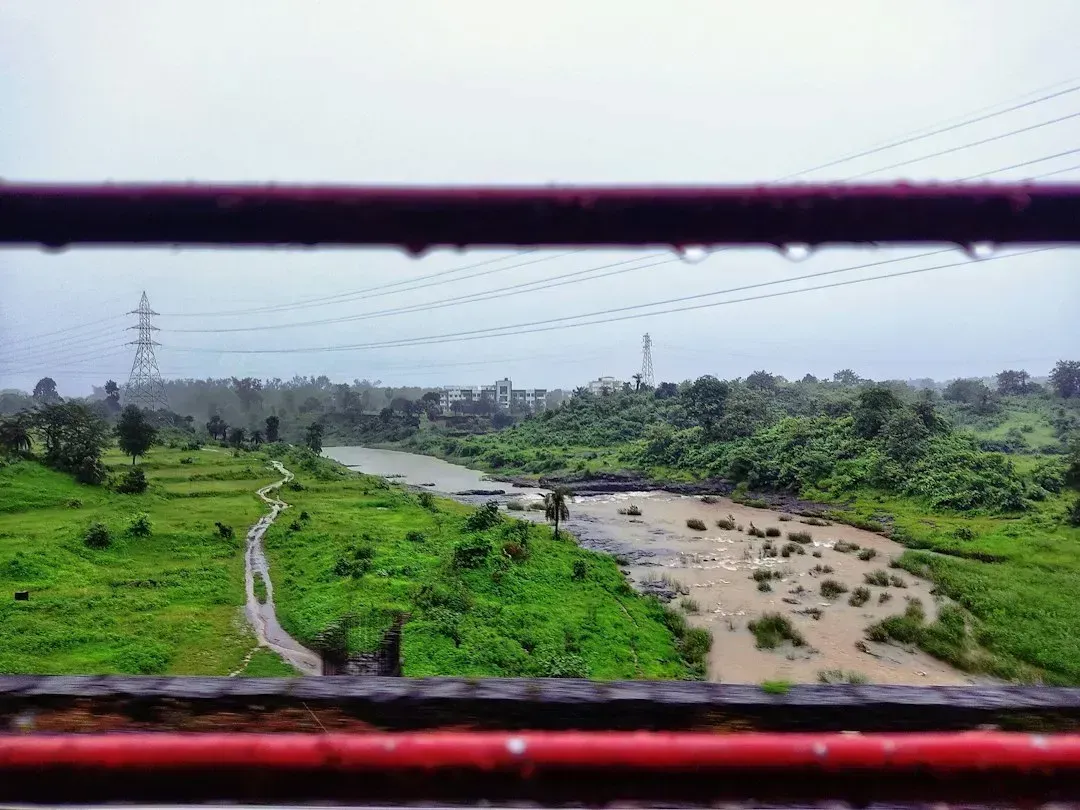
On 17 June 2022, Mawsynram received 1,003.2 millimetres in a span of 24 hours, its highest single day total. The previous mark was 944.7 mm, set on 7 June 1966. That is nearly forty inches in a day.
Local scientists treated it as unusual. An IMD scientist said at the time that fifty to sixty centimeters is normal once or twice every year, but far more than that is not typical. Some travel sites give a higher single day number, but the figure most sources agree on is about one thousand millimeters.
Mawsynram and Cherrapunji, the Long Rivalry

Cherrapunji, also called Sohra, is only a short distance away and held the title of wettest place for a long time. Mawsynram has the higher long term average, so it’s currently called the wettest place on Earth. The gap is small, and the two have traded the label over the decades.
The bigger records belong to Cherrapunji. The famous 26,461 mm in 1860 to 1861 fell there, not at Mawsynram. Some websites blur this, and Guinness is often cited for a Mawsynram figure of about 26,000 mm in 1985.
A Title That Isn’t Entirely Uncontested
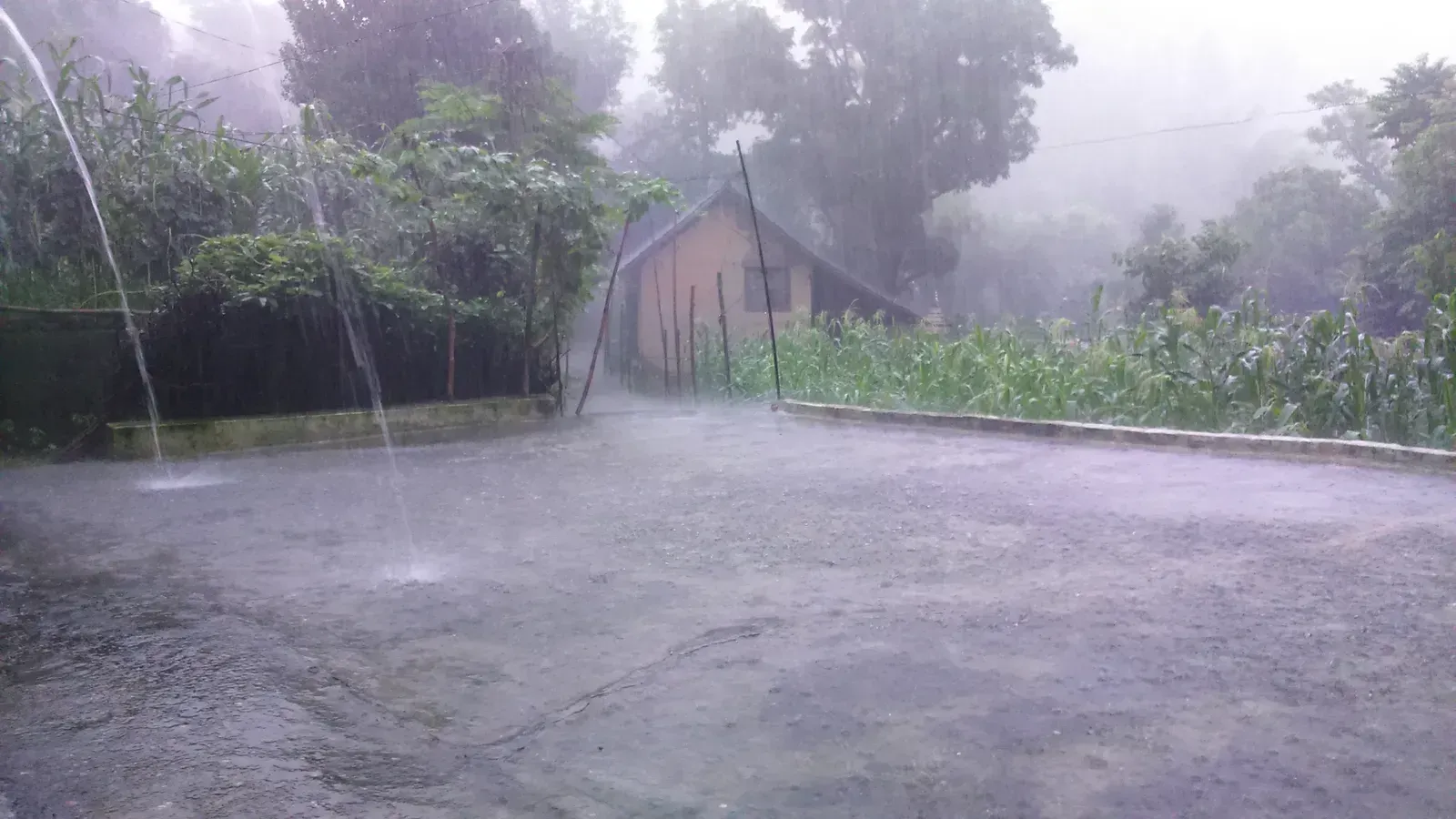
The claim has a rival. The wettest place title is disputed by Lloró, Colombia. Rain gauge networks are sparse in remote regions, and long, consistent records are hard to come by.
That’s why phrases like reportedly and inhabited place appear so often in the descriptions. Mawsynram’s claim rests on decades of Indian records, which is a solid base. It just isn’t the only candidate.
Living With the Rain
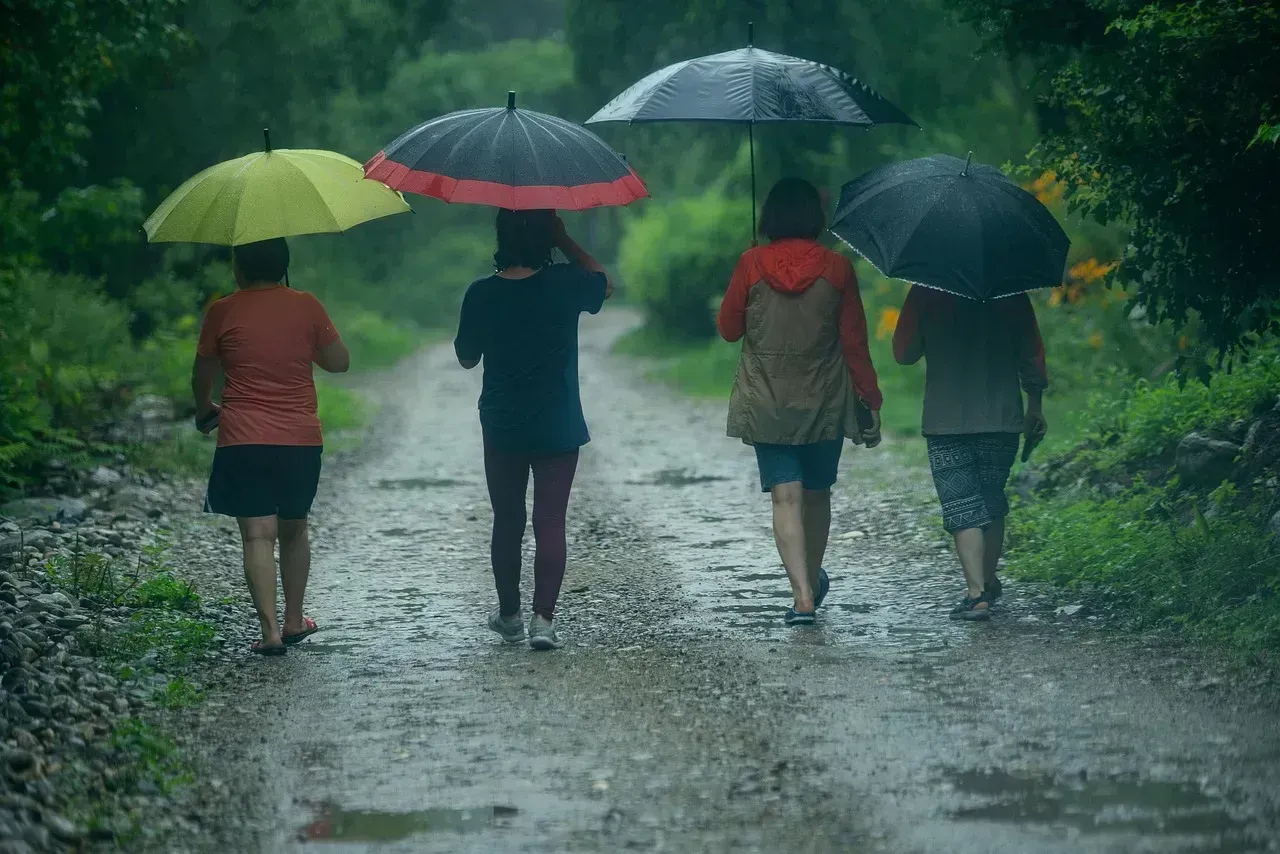
All this water shapes daily life. The heavy rainfall leads to lush vegetation and biodiversity, but also to landslides and soil erosion. Roads and slopes take a beating every monsoon.
Residents have adapted in practical ways. Locals use thick grass to soundproof their homes against the deafening rain. Rain is loud on tin roofs, and it can go on for days.
What Recent Years Show
Rainfall isn’t perfectly steady from year to year. In 2025, an Indian civil services news site reported that Cherrapunji and Mawsynram had recorded about half the normal rainfall that year. That report covered part of a season, so it says little about the long term average.
Longer records show a mixed pattern. IMD data summarized by one reference source suggests that Cherrapunji has a significant decreasing trend while Mawsynram shows a slight increase. The evidence on long term change is limited, and a single dry or wet year doesn’t settle it.
Where the Record Stands in 2026
Current reference guides still list Mawsynram at about 11,872 mm a year. It is described as the highest average annual rainfall of any inhabited place on the planet. For comparison, London gets around 600 mm.
Against that background, the comparison with U.S. cities holds for most of them. A typical American city would need about a decade to collect what Mawsynram gets in a single year. The wettest Gulf Coast cities take longer to be outdone, and the driest desert cities never come close.

- I Asked AI and a Waste Auditor How to Cut My Household Trash – Where They Disagreed - November 12, 2026
- Einstein’s equations suggest gravity can reconnect like the sun’s magnetic field - November 12, 2026
- This Map Shows Which States Get the Most Severe Storms Each Year – And It’s Not What You’d Expect - November 12, 2026
