
There’s a particular kind of quiet that settles over a small Kansas or Oklahoma town in the seconds before an outdoor siren starts to wail. Longtime residents don’t scramble the way visitors often expect. Most of them have already done half the work before the sound even reaches their street, because in tornado-prone regions, waiting for the siren is considered a rookie move rather than a smart plan.
What actually happens next tends to look less dramatic and more procedural than movies suggest. People move with a kind of practiced calm, following habits built from years of springtime storms, close calls, and the occasional direct hit. Here’s what that routine really looks like, based on how emergency officials and residents across the Plains describe it.
They Were Already Watching the Sky Before the Siren Sounded
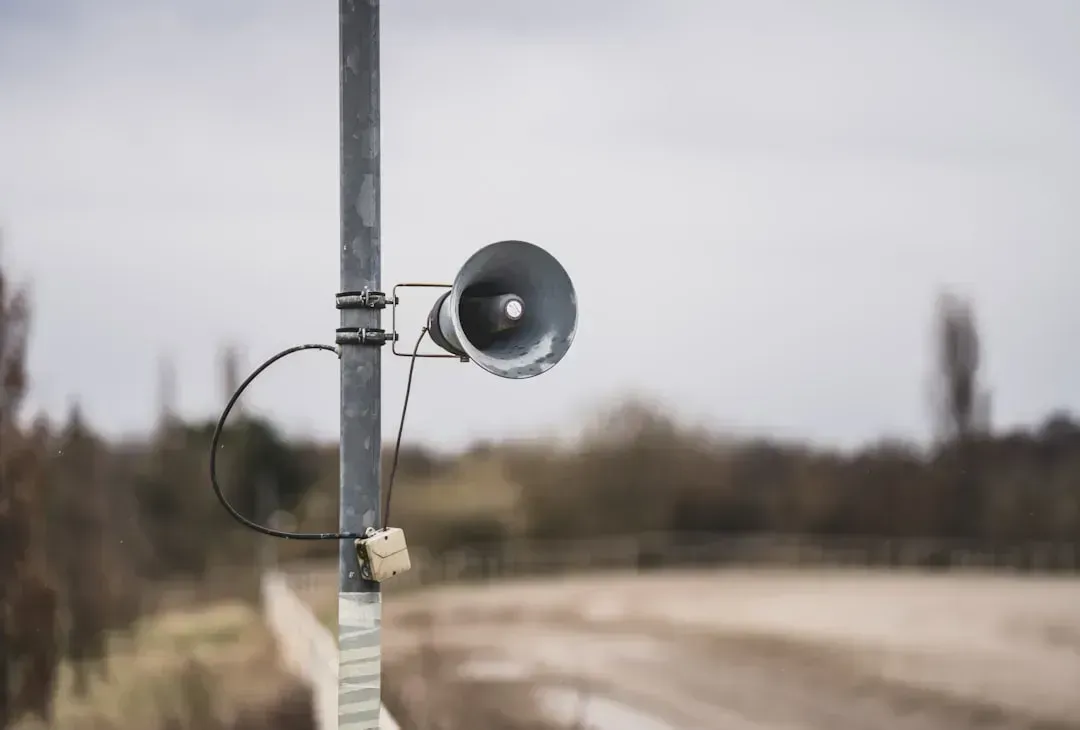
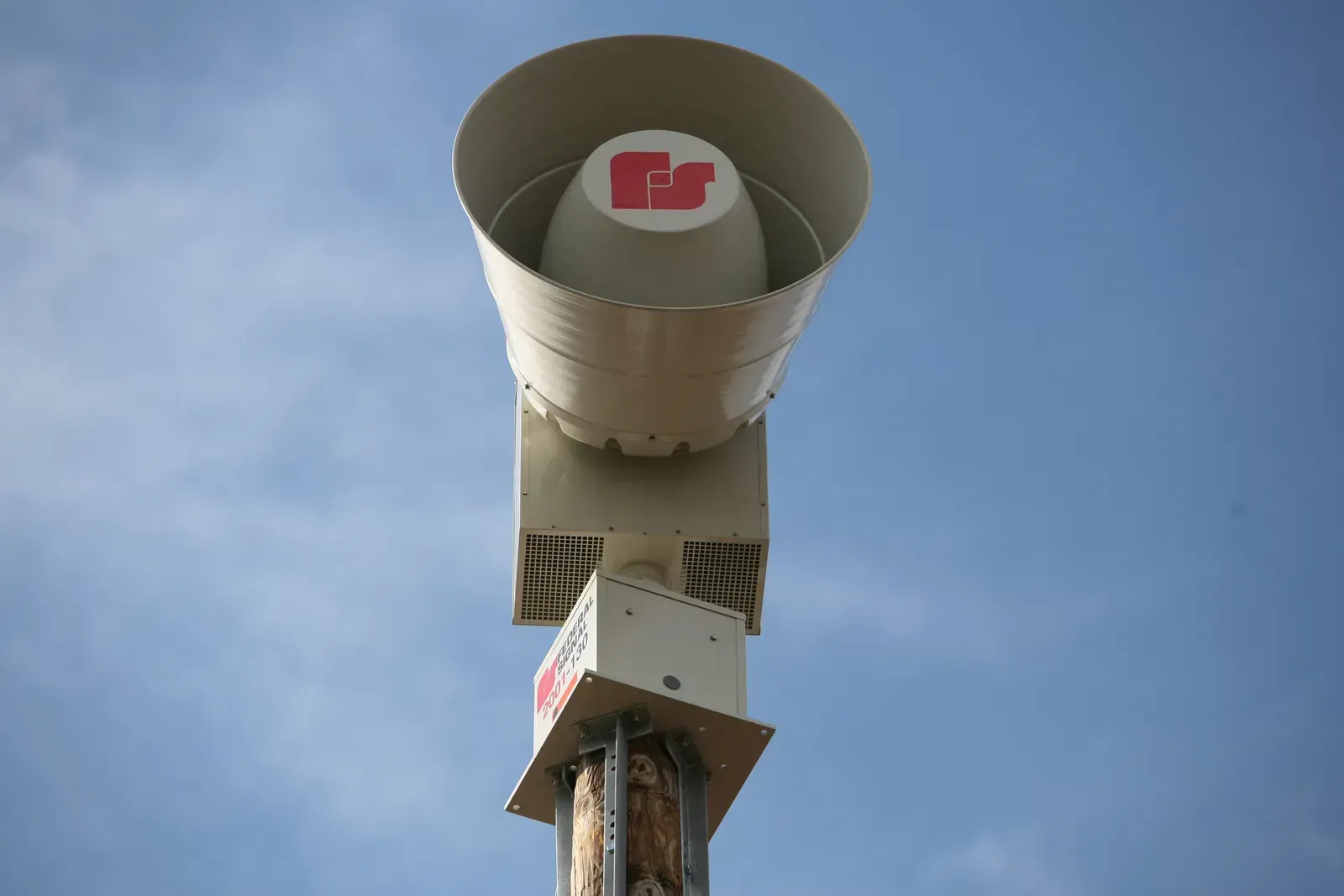
In most Tornado Alley communities, the outdoor siren is treated as a last confirmation, not a first alert. Locals typically already know a tornado watch is in effect because they’ve been tracking the forecast on local news or a weather app since morning. Meteorologists can predict when conditions might be right for a tornado, so residents who grew up in the region tend to pay close attention to those outlooks days in advance.
By the time a warning is issued, many people have already glanced outside, checked radar on their phones, or noticed the sky turning that greenish gray color longtime residents associate with hail and rotation. The siren, when it finally sounds, mostly just confirms what they suspected. That head start matters, because sirens are intended for outdoor alerting, and they may not be audible inside homes and buildings, with background noise, wind direction, or weather conditions affecting how far the sound travels.
They Move Toward a Specific Spot, Not Just “Downstairs”
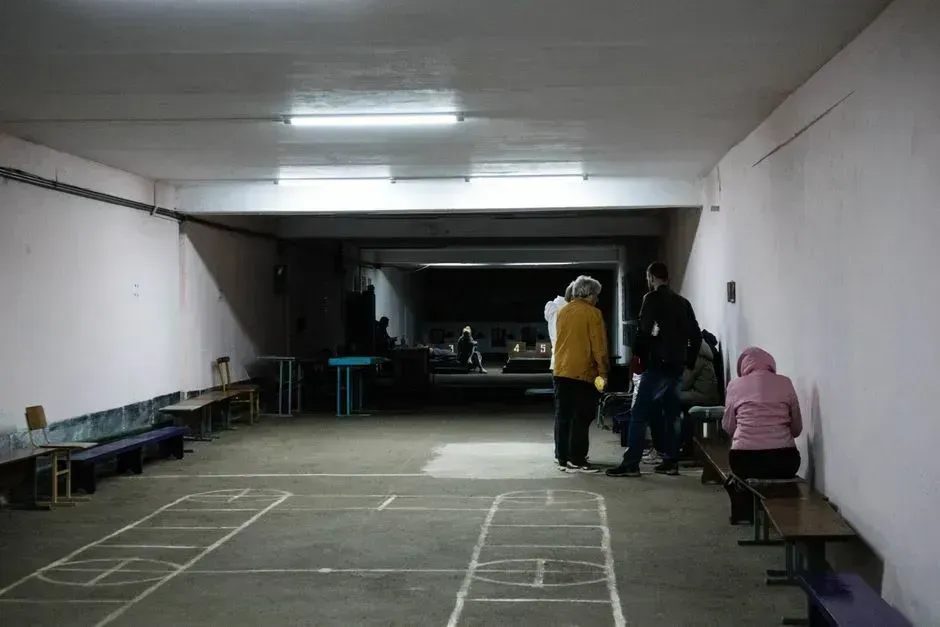
Locals rarely just retreat to the basement in general. They go to one particular, pre-chosen spot, usually a small interior room away from any exterior wall. Ready.gov describes the next best protection as a small, interior, windowless room or basement on the lowest level of a sturdy building. In homes without basements, that often means a bathroom, closet, or hallway wrapped by as many interior walls as possible.
This isn’t guesswork; it’s usually a spot the household has talked about or practiced reaching quickly. Guidance from the National Weather Service recommends going to the basement if one is available, getting under the stairs or a piece of sturdy furniture, and if there’s no basement, getting to the centermost room on the lowest level with as many walls as possible between the occupants and the outside, while protecting the head, neck, and spine. People who’ve lived through a warning or two know exactly where that room is before the siren even finishes its first cycle.
They Grab a Few Specific Items, Not a Suitcase

There’s no frantic packing in a real tornado warning. Locals typically know shelter time might only be a few minutes, so what they grab is short and specific: shoes, a phone, maybe a helmet for kids, and sometimes a small battery radio kept near the shelter spot. Shoes in particular matter more than people expect, since post-storm debris fields are often littered with broken glass, nails, and splintered wood.
Many households in tornado-prone states also keep a small kit already staged near their safe room rather than assembling one on the fly. Ready.gov advises preparing for a long-term stay at home or sheltering in place by gathering emergency supplies, cleaning supplies, non-perishable food, water, medical supplies, and medications ahead of time. The point isn’t to pack during the warning; it’s to have already packed weeks earlier.
They Turn On a Second Source of Information, Not Just the Siren
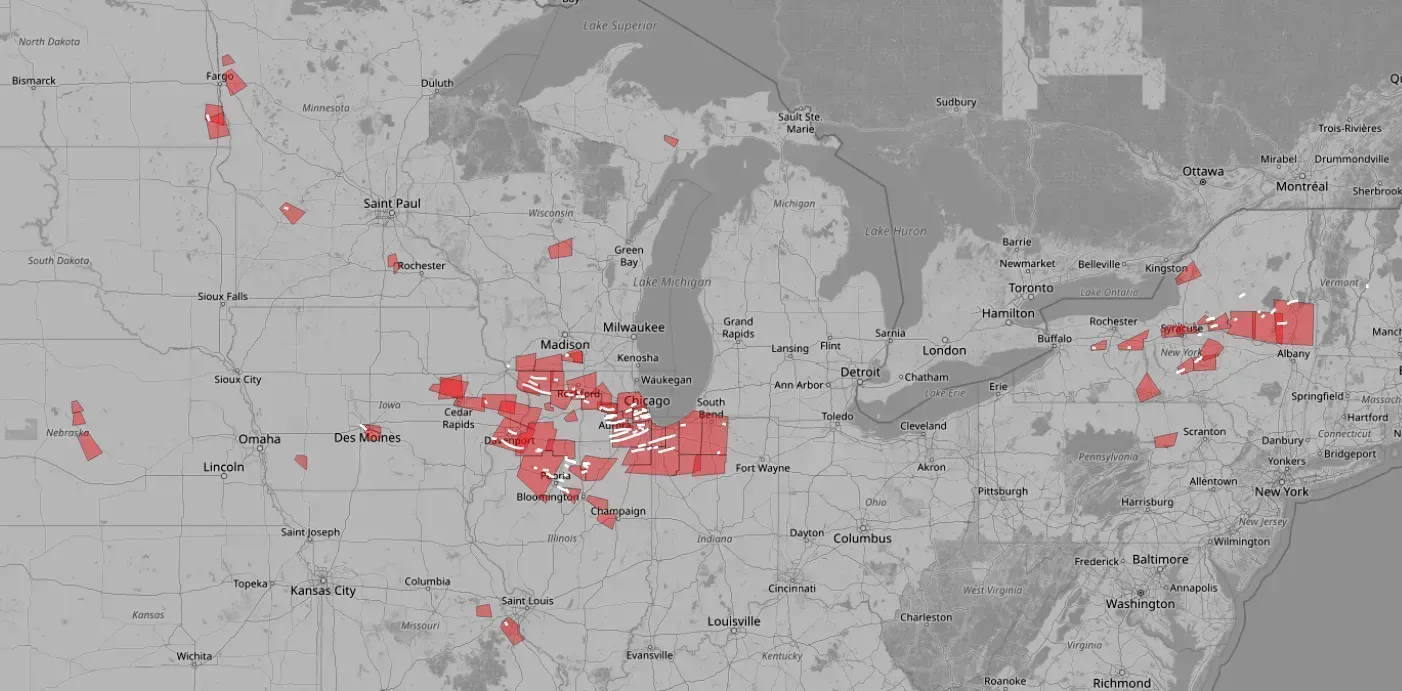
A siren tells you something is happening nearby, but it can’t tell you where a tornado actually is, which direction it’s tracking, or how much time is left before it arrives. So the moment locals hear one, they flip on a second, more detailed source: a local TV meteorologist, a NOAA Weather Radio, or a phone app showing the actual warning polygon overlaid on a map. That second layer is what tells someone whether the threat is still fifteen miles out or already crossing into the next neighborhood over.
This habit exists because the margin for error is genuinely thin. The average tornado warning provides a 13-minute lead time, and even in a tornado-heavy corridor like Missouri and Kansas, about 75% of all tornadoes are preceded by a tornado warning, which means a portion of them still strike with little to no notice at all. People who’ve been through a close call keep that second source running the entire time they’re sheltering, not just in the moments before, because conditions can change fast enough that the first alert is already outdated.
They Know the Exact Difference Between a Watch and a Warning
Longtime residents don’t confuse the two terms the way newcomers sometimes do, and that distinction shapes how urgently they react. A watch means the atmosphere has the right ingredients for tornadoes to form somewhere in a broad region, so locals treat it as a cue to double-check the safe room and charge their phones, not as a reason to panic. A warning means a tornado has actually been spotted or indicated on radar, and at that point, the calm, procedural behavior described throughout this piece kicks in immediately.
The two alerts also differ sharply in scale and urgency, which is part of why locals respond to them so differently. A tornado watch is issued when conditions are favorable for tornadoes, covers a large geographic area, and is usually in effect for four to eight hours, while a tornado warning is more localized, often pinpointing specific counties and cities, and typically lasts about 30 minutes. Locals essentially use the watch period as prep time and save the urgent response for the warning itself.
They Head for Sturdier Shelter If They Live in a Mobile Home
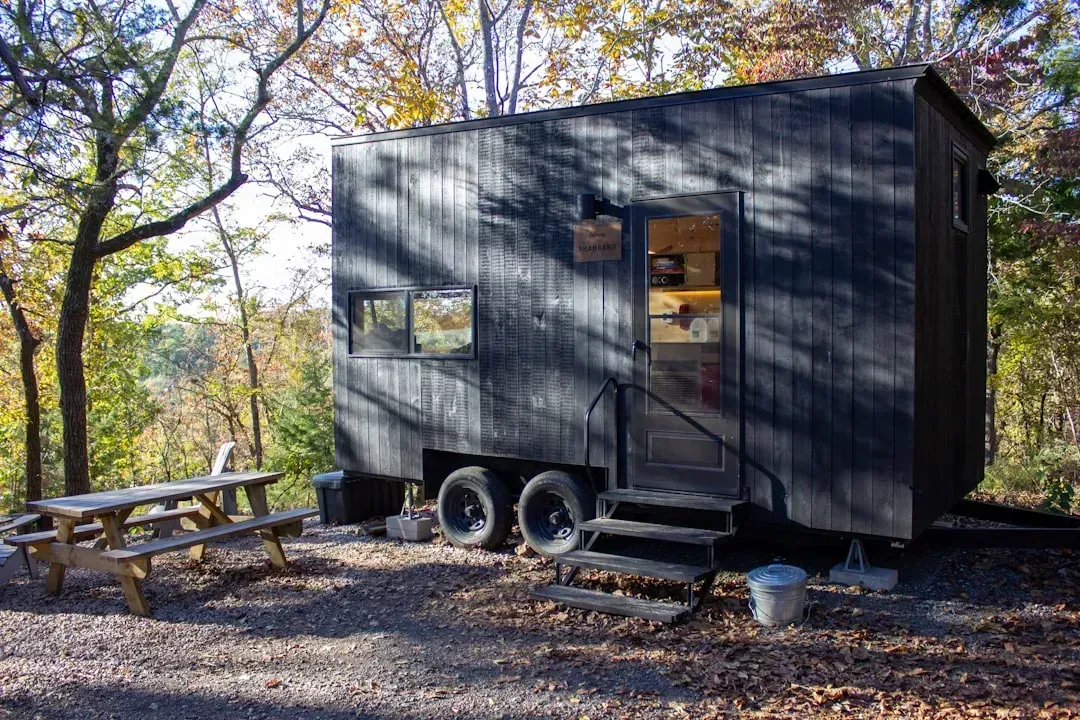
Residents of mobile and manufactured homes in Tornado Alley tend to have a very different routine than everyone else, because staying put simply isn’t an option. Many have already identified a neighbor’s house, a community storm shelter, or a nearby sturdy public building as their designated fallback location, and they head there the moment a watch is issued rather than waiting for a warning. This isn’t paranoia; it reflects a well-documented safety gap between mobile homes and permanent structures.
The numbers behind that habit are stark. On average, 72 percent of all tornado-related fatalities occur in homes, and 54 percent of those happen in mobile homes, where residents are 15 to 20 times more likely to be killed compared to someone in a permanent home. Engineers who’ve studied storm damage have also found that anchoring plays a major role in survivability, since a home solidly secured to the ground is far less likely to be flung or tossed by high winds. Locals in mobile home parks who’ve seen the aftermath of a bad storm rarely need convincing twice.
They Round Up Pets and Livestock Before They Round Up Themselves

Anyone who’s lived through a few warning seasons knows that a loose dog or a spooked cat can turn a two-minute dash to shelter into a much longer, riskier ordeal. So locals tend to bring pets inside and into the safe room well before a warning is even issued, often as soon as a watch goes up and the sky starts looking unsettled. Leashes, carriers, and a bit of muscle memory make this part of the routine almost automatic in households with animals.
On farms and ranches across the Plains, the calculation is different but no less practiced. Livestock generally can’t be herded into a house, so many farmers instead move animals toward a sturdy barn, a low windbreak, or open pasture away from loose equipment and debris that could become airborne. It’s rarely a perfect solution, but it’s one more example of decisions made calmly, in advance, rather than in a last-minute scramble once the sky turns green.
They Check on Neighbors Once the All-Clear Sounds
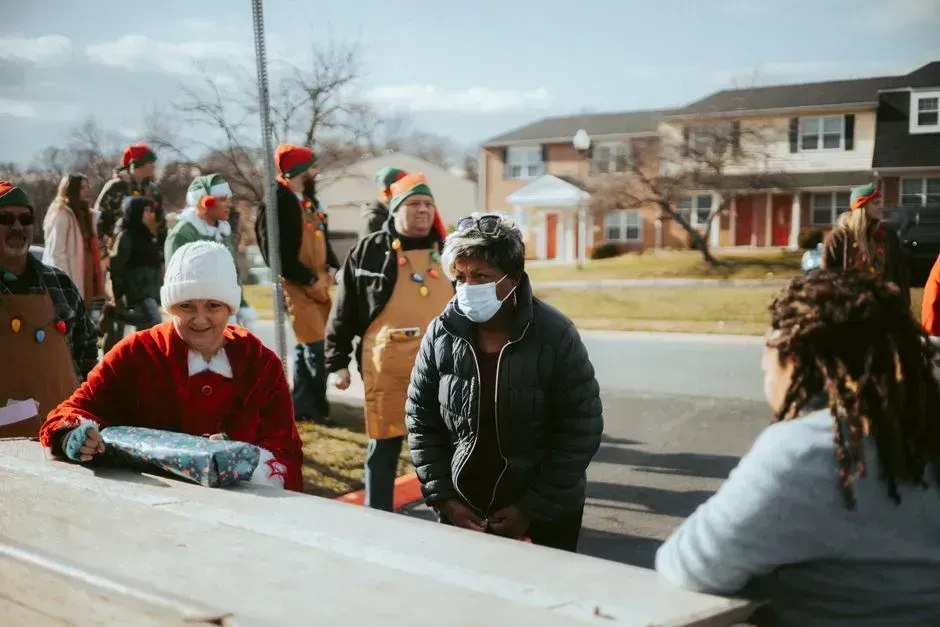
The moment a warning expires, the routine shifts from sheltering to checking in, and this is where small-town culture in Tornado Alley really shows itself. People step outside, look at the sky, and then start walking or driving to nearby houses, especially those belonging to elderly neighbors, people who live alone, or anyone known to have mobility issues. It’s rarely organized by any official group; it just happens because everyone assumes someone should look in.
This informal check-in system often catches problems faster than official response teams can, particularly in rural areas where emergency services may be spread thin across a wide county. Downed power lines, gas leaks, and blocked exits are exactly the kind of hazards a quick neighbor visit can catch early. It’s one of the more understated parts of the whole routine, but longtime residents describe it as just as automatic as grabbing shoes before heading to the safe room.
They Document Damage Before They Touch Anything
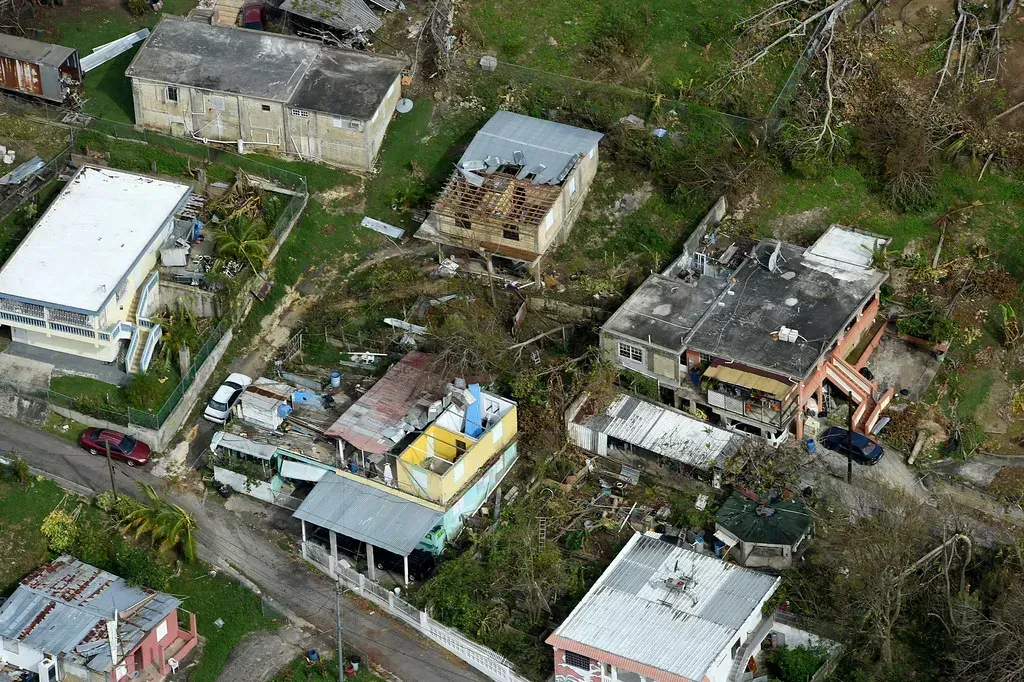
Once everyone’s accounted for, the next habit kicks in fast: photos and video, taken before any cleanup begins. Locals who’ve filed a storm damage claim before know that insurers want to see the damage exactly as the tornado left it, not after debris has already been swept into a pile. That means walking the property room by room and angle by angle, capturing everything from a cracked window to a soggy carpet.
Experienced homeowners also know to hang onto anything they discard and to keep receipts for every emergency repair along the way. Securing and preserving all receipts for materials and emergency repairs helps ensure fair compensation later, and temporary fixes like tarping a roof or boarding up a window are usually covered too, as long as they’re documented first. It’s a tedious step in an already exhausting day, but it’s one locals rarely skip.
They Talk About It Afterward – and Quietly Adjust the Plan

In the days after a warning, the conversation in these towns almost always turns to what worked and what didn’t. Maybe the flashlight batteries were dead, maybe the dog wouldn’t come when called, or maybe the designated safe room turned out to be too crowded for the whole family. These debriefs happen over coffee, at the feed store, or on a porch, and they’re taken seriously even when the storm turned out to be minor.
That habit of quietly refining the plan is arguably what separates practiced Tornado Alley households from newcomers. A missing weather radio gets replaced, a new meeting spot gets picked, or a mobile home family finally builds a relationship with a neighbor who has a basement. None of it is dramatic, but it’s exactly why the same households tend to handle the next warning just a little more smoothly than the last one.

- Insurers Ranked Every State by Climate Risk – This One Came in Dead Last - August 18, 2026
- I Asked 3 Water Engineers How Bad the Next Drought Will Be – Their Answers Didn’t Match - August 18, 2026
- The Real Reason Some Cities Are Becoming Unlivable in Summer – And It’s Not Just Heat - August 18, 2026
