

Las Vegas, Nevada
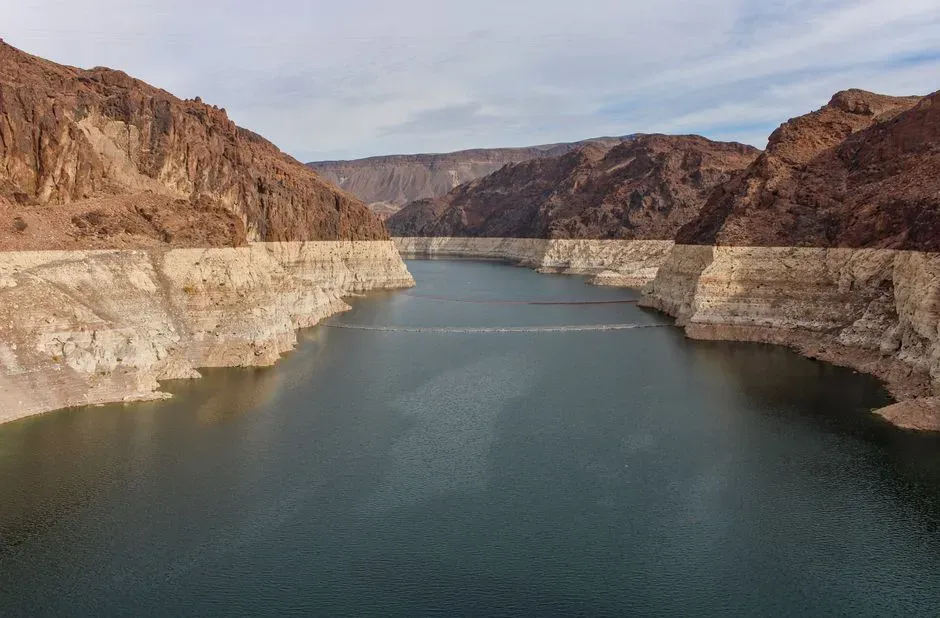
Las Vegas is about as exposed to a single water source as any major American city gets. Las Vegas depends almost entirely on the Colorado River for its water supply, receiving about 90% from Lake Mead. That dependency turns every drop in the reservoir into a direct threat to the city’s tap water.
The numbers have been trending the wrong way for years. The Southern Nevada Water Authority reported in early 2025 that Lake Mead has dropped to just 35% capacity, triggering the most severe water shortage declarations in U.S. history. The city has fought back hard on conservation, and despite impressive conservation efforts that reduced per-capita water use by 47% since 2002, the city’s growing population and tourism industry continue to strain resources. Some researchers go further, warning that climate scientists from the University of Nevada predict that the region could experience “dead pool” conditions at Lake Mead by 2028, where water levels drop so low that it cannot flow downstream.
Phoenix, Arizona
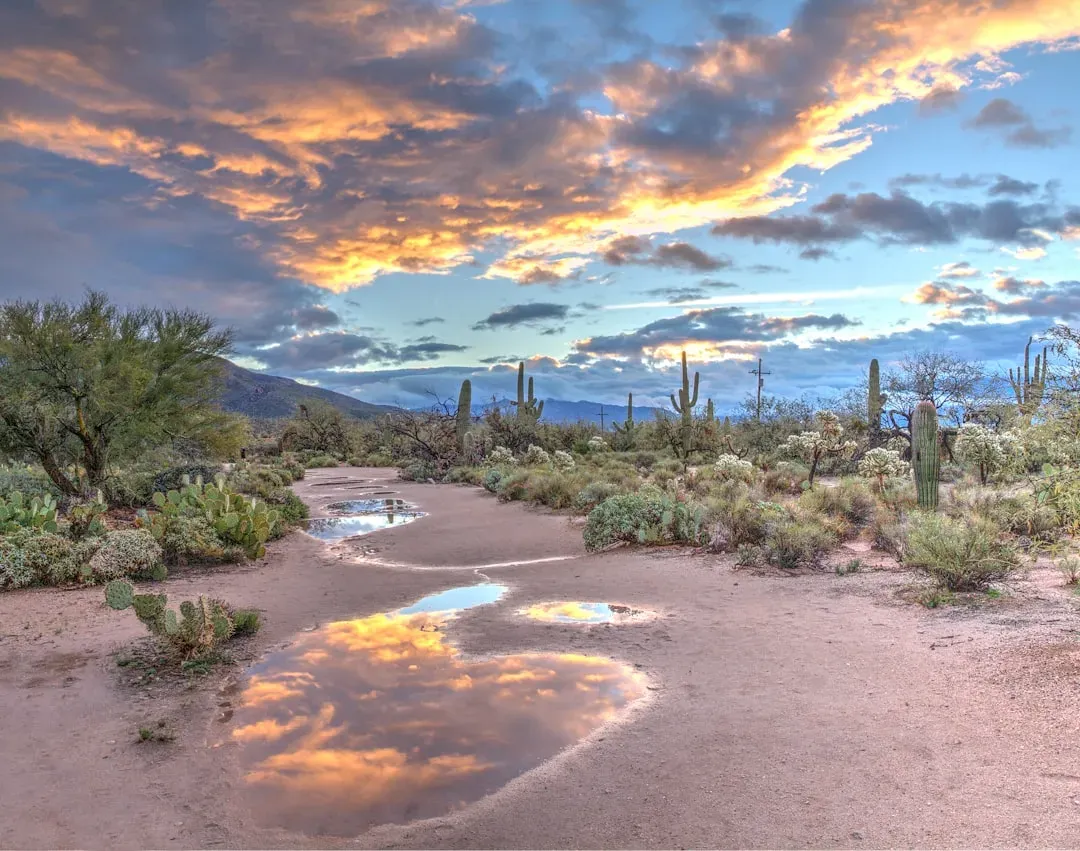
Phoenix sits at the front line of the Colorado River’s shrinking allocation system, and 2026 has already brought some uncomfortable milestones. Eighty-seven percent of Arizona is now in drought, and the Colorado River sits at just 36 percent capacity. The federal response has been blunt: the Bureau of Reclamation has formally designated the river in a Tier 1 shortage condition, which translates directly into roughly a 30 percent reduction in CAP deliveries to Arizona.
City officials insist the situation is manageable for now, partly because of decades of diversification. The city’s water supply breakdown relies on approximately 60 percent Salt and Verde River water, with the Colorado River share making up roughly 40 percent, and groundwater at about 2 percent. Even so, backup plans are being drawn up in case things worsen, since stored groundwater that Phoenix has been banking underground can then be layered in to meet a 50% cut, though the city would still fall a little short at 75%. That single detail, a city admitting it would come up short even after tapping every backup source, is about as close as water planners get to sounding alarmed.
Los Angeles, California
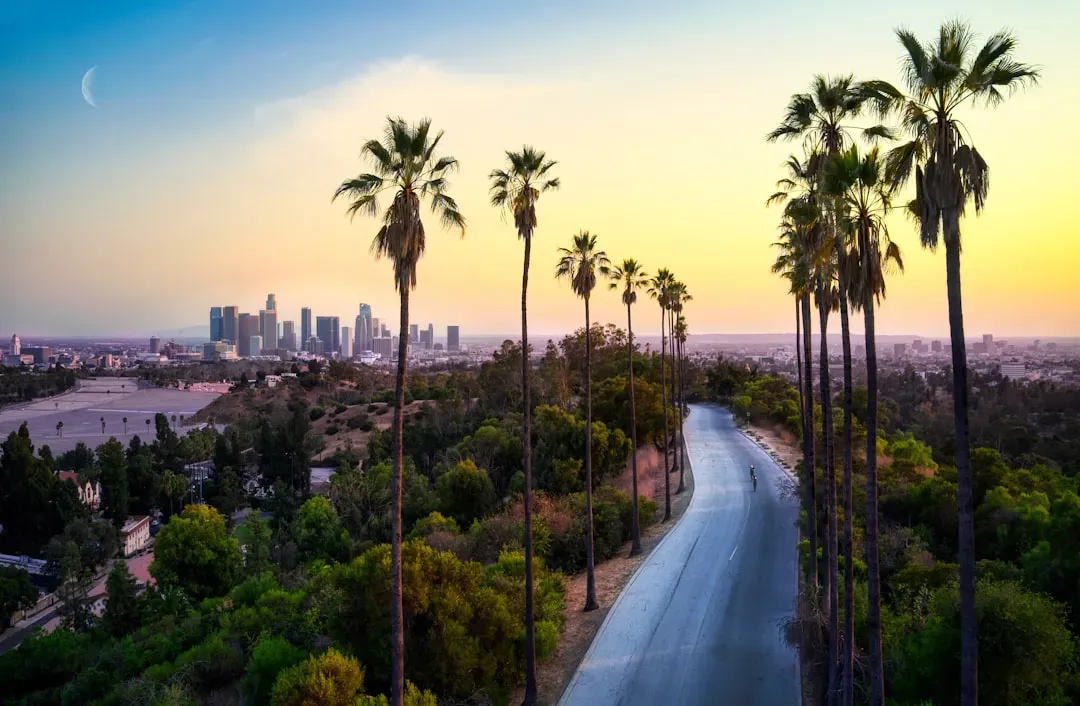
Los Angeles draws from a patchwork of sources rather than one river, which helps, but each leg of that patchwork is under strain at the same time. Los Angeles sources its water from three main supplies: the Colorado River, Northern California’s Sacramento-San Joaquin Delta, and local groundwater. Each of these sources faces unprecedented challenges, with the Colorado River allocation cuts affecting 25% of the city’s supply according to the Metropolitan Water District of Southern California’s 2024 annual report.
Snowpack, the slow-motion reservoir that feeds much of California’s water system, has also been underperforming. The ongoing California drought, now in its fourth year, has reduced Sierra Nevada snowpack to 70% of normal levels. Meanwhile demand hasn’t slowed down, since LA’s population of nearly 4 million people consumes approximately 580 gallons per person daily when including industrial and commercial use. Water recycling and conservation programs are expanding, but planners openly acknowledge that without bigger infrastructure investment, rationing scenarios remain on the table.
San Antonio, Texas
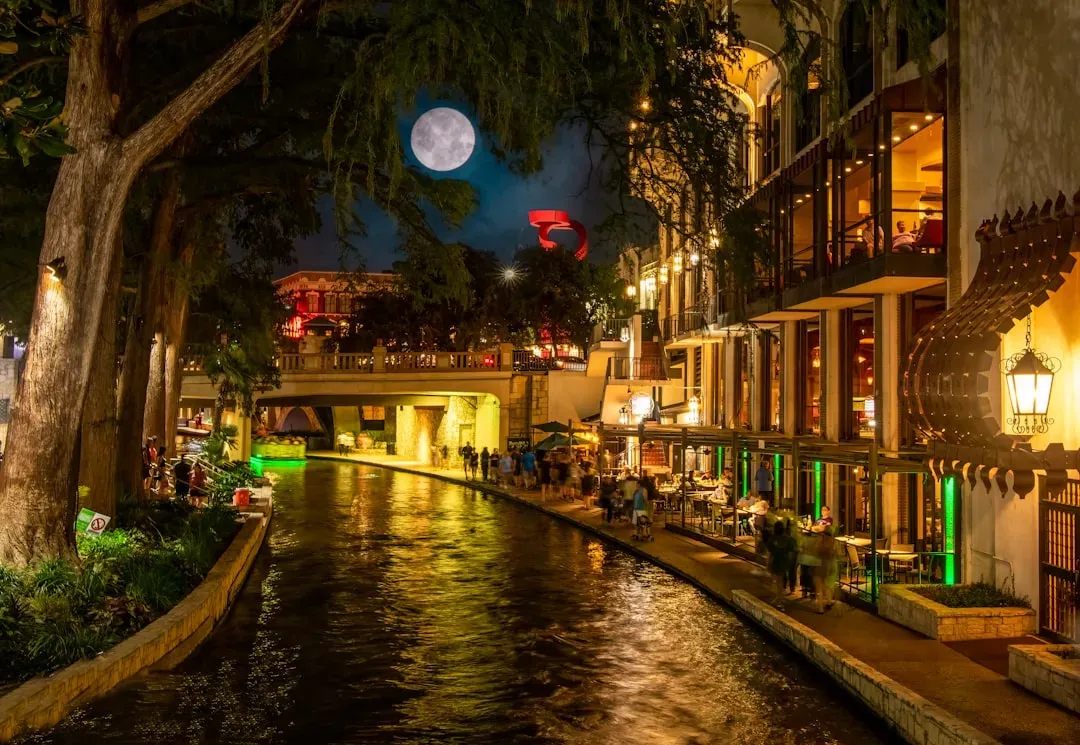
San Antonio’s water story is really the story of one aquifer. The Edwards Aquifer Authority announced Monday, June 3, 2026, that it is lifting Stage 4 water restrictions and returning to Stage 3 for groundwater permit holders across a wide swath of counties, a change that offered real relief to a region that had been under emergency conditions since the previous summer. Stage 4 conditions have existed since August 2025 due to a drought now in its seventh year.
The pumping cuts involved are steep even under the improved stage. Under Stage 4, pumpers must reduce water withdrawals from the aquifer 40% below permitted levels, while under Stage 3, that reduction is eased to 35%. And the aquifer isn’t just a municipal supply, it’s the primary source for a huge population, since more than 2.5 million residents rely on the aquifer as a source of water. The system has bounced between stages for years now, and each swing back toward Stage 4 or worse pushes San Antonio closer to a scenario where nearly half its normal groundwater draw simply isn’t available.
Miami, Florida
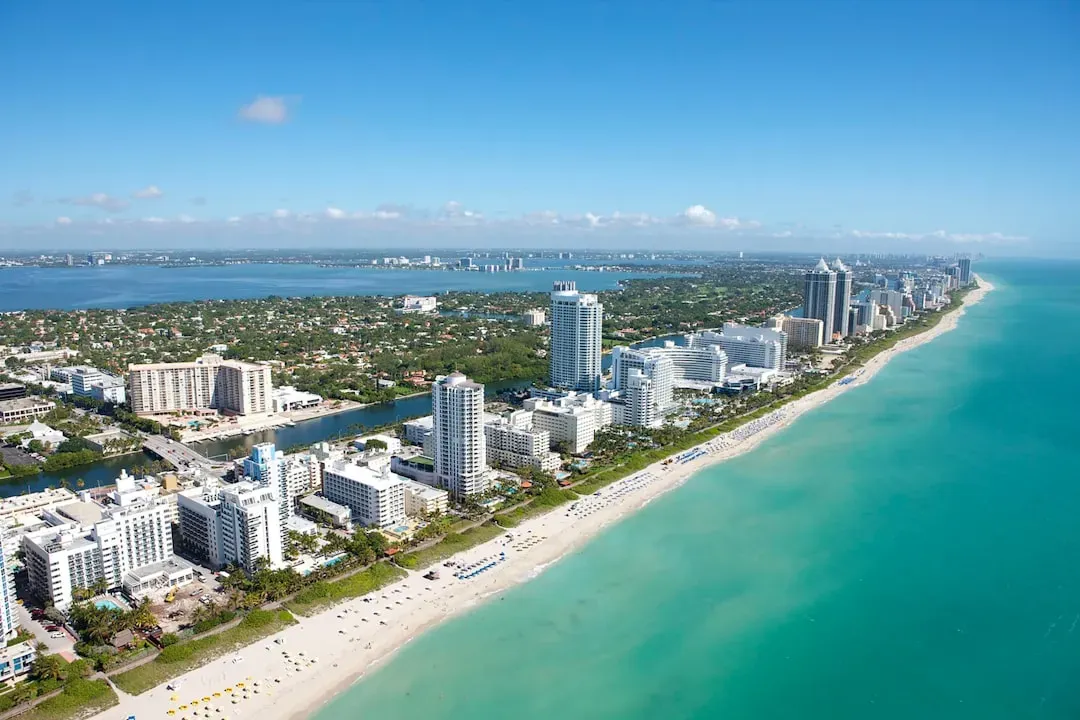
Miami’s threat looks nothing like the drought-driven crises out West, but the stakes are just as high. Miami faces a unique water crisis that most people don’t see coming, saltwater intrusion into its freshwater aquifer, as the Biscayne Aquifer, which supplies water to over 8 million South Floridians, is being contaminated by rising sea levels that push saltwater inland.
The intrusion isn’t a distant projection, it’s measurable right now. The U.S. Geological Survey’s 2024 monitoring data shows saltwater has moved up to 3 miles inland in some areas since 2020, while Miami-Dade County’s population continues to grow at 1.2% annually as climate change accelerates sea-level rise by approximately 3.4 millimeters per year in the region. Local water managers have been direct about what happens if nothing changes, warning that without massive desalination projects, which are extremely energy-intensive and expensive, the city could lose 40% of its freshwater supply by 2035. Desalination remains the leading proposed fix, but it’s costly enough that funding it at scale has proven politically difficult.
Corpus Christi, Texas
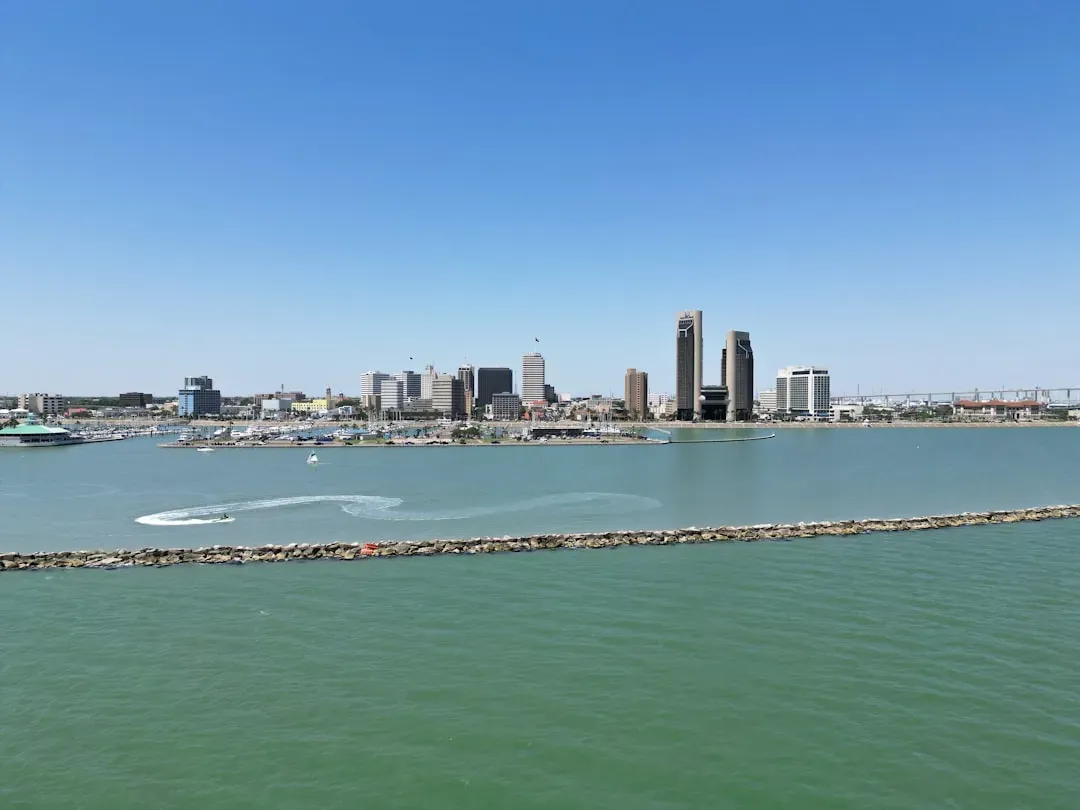
Corpus Christi has already crossed the line that most of these other cities are still trying to avoid. City manager Peter Zanoni announced Corpus Christi will be forced to cut overall water consumption by 25 percent, nearly 16 million gallons a day, as soon as September. That’s not a projection for 2035, that’s an active mandate.
What makes the situation notable is how unprepared the city admits it is for managing cuts of this size. City officials have said “We have no precedent to follow. There’s no manual, there’s no video,” when addressing the council. Local businesses are equally uncertain about the fallout, with one major employer noting “We don’t have enough information from the city to make a statement on how we would proceed or how this would affect our business.” If a twenty five percent cut is already testing the limits of the city’s planning, a slide toward fifty percent by the mid 2030s would represent a genuinely unprecedented strain on daily life, from hospitals to food processing to ordinary households trying to keep the taps running.

- Insurers Ranked Every State by Climate Risk – This One Came in Dead Last - August 18, 2026
- I Asked 3 Water Engineers How Bad the Next Drought Will Be – Their Answers Didn’t Match - August 18, 2026
- The Real Reason Some Cities Are Becoming Unlivable in Summer – And It’s Not Just Heat - August 18, 2026
