
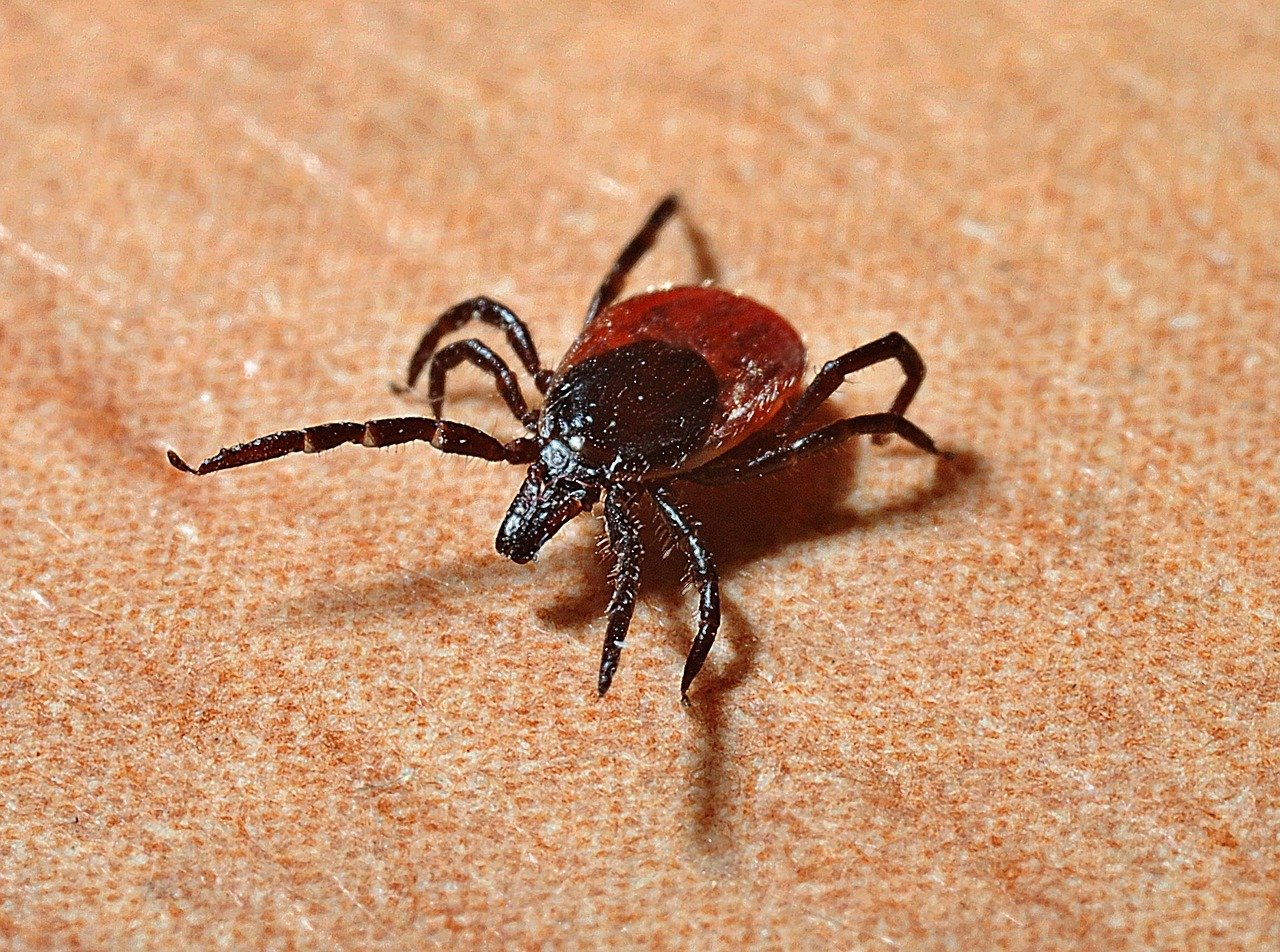
When the leaves turn and jackets come out, many of us figure ticks are finished for the year. That’s an easy assumption to make, but it isn’t quite right. For one common species, autumn is a major activity period.
The details depend on where you live and which tick you’re dealing with. Below is what public health and extension sources say about cool-weather ticks, and what that means for your time outdoors.
Why the Season Doesn’t End With Summer
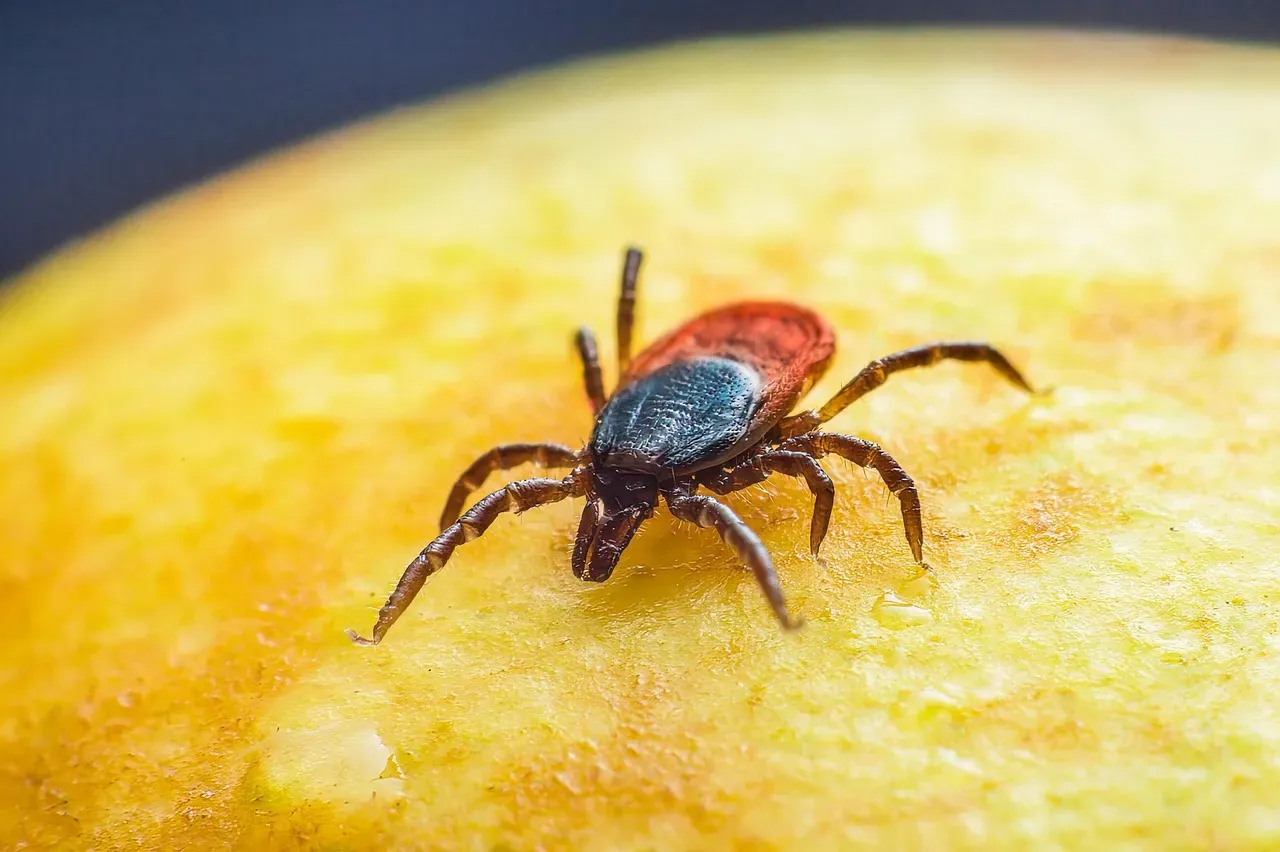
Tick season is usually described as running from early spring through late fall. Ticks are most active from April to September in many parts of the United States, although the season can last longer in southern regions and warmer climates. That’s the general pattern, and it’s where the “summer only” idea comes from.
Still, a peak isn’t an endpoint. After nymphal activity peaks during the warmer months, adult blacklegged ticks become active again in the fall, creating a second seasonal period of tick activity. Falling temperatures don’t automatically mean falling risk.
The Blacklegged Tick and Its Fall Comeback
The blacklegged tick, also called the deer tick, is the species behind most of the cool-season concern. It’s found in the eastern half of the United States. It’s also the tick that carries the bacterium that causes Lyme disease.
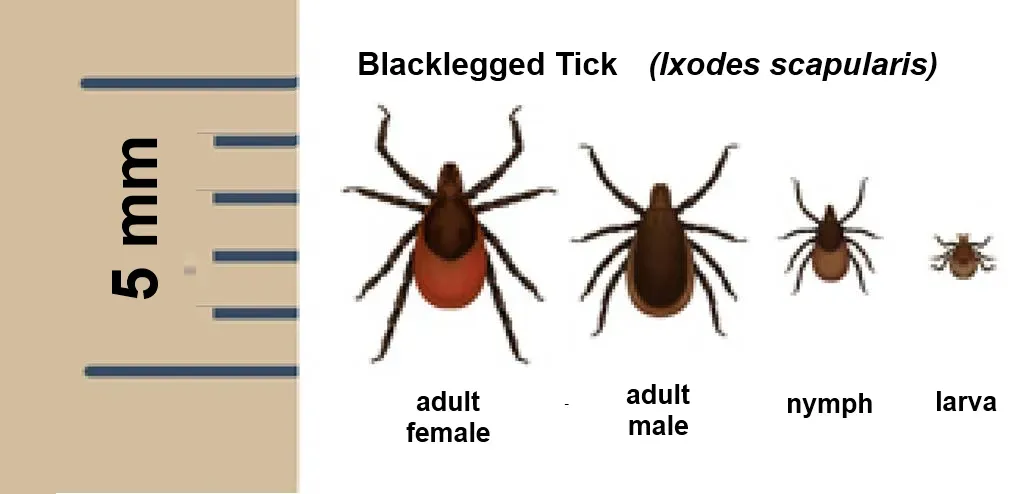
Its life cycle explains the timing. The cycle generally spans two years and includes four stages: egg, larva, nymph and adult. In the fall, nymphs mature into adults, and adult ticks actively search for a blood meal.
How Cold Is Too Cold?
The CDC’s guidance is that adult blacklegged ticks may search for hosts whenever winter temperatures are above freezing. Several regional sources give more specific numbers, and they don’t line up perfectly. Wisconsin surveillance notes winter activity when daytime temperatures rise above 40°F, and Illinois guidance mentions activity when ground temperatures are about 45°F.
Other reports put the threshold lower. University of Minnesota Extension reports adult blacklegged ticks outdoors in the mid-to-upper 30s°F. The practical takeaway is that no single number works everywhere, so mild days deserve caution.
Why Fall Matters for Adult Females
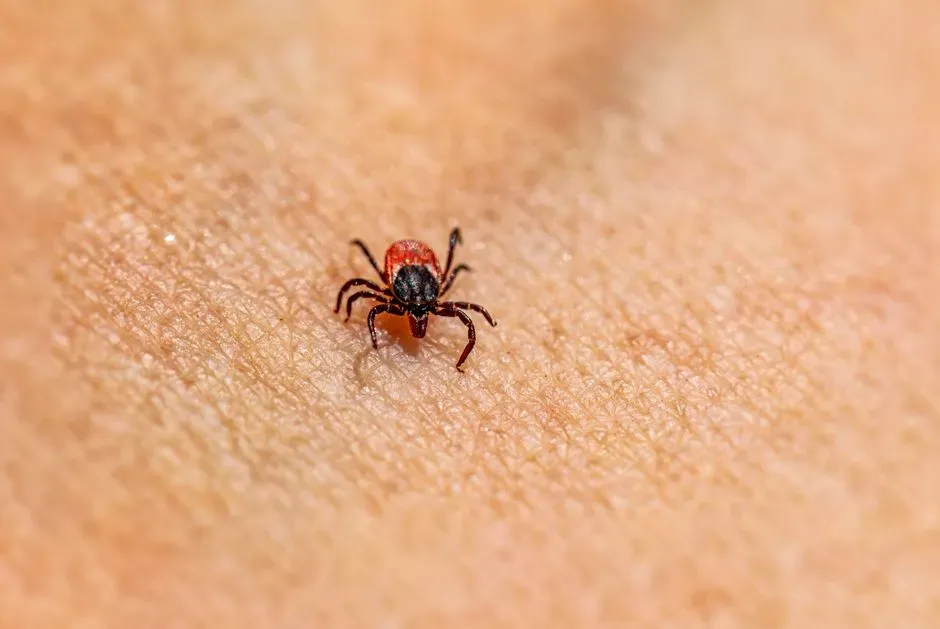
Fall activity has a biological purpose. When adult female blacklegged ticks fully feed on their final host, they mate with an adult male and reproduce over winter. That makes the autumn blood meal important to the tick.
Some females don’t manage it right away. Adult females that don’t feed in fall may do so the following spring. That helps explain why adult ticks show up in both seasons.
What Happens in Winter?
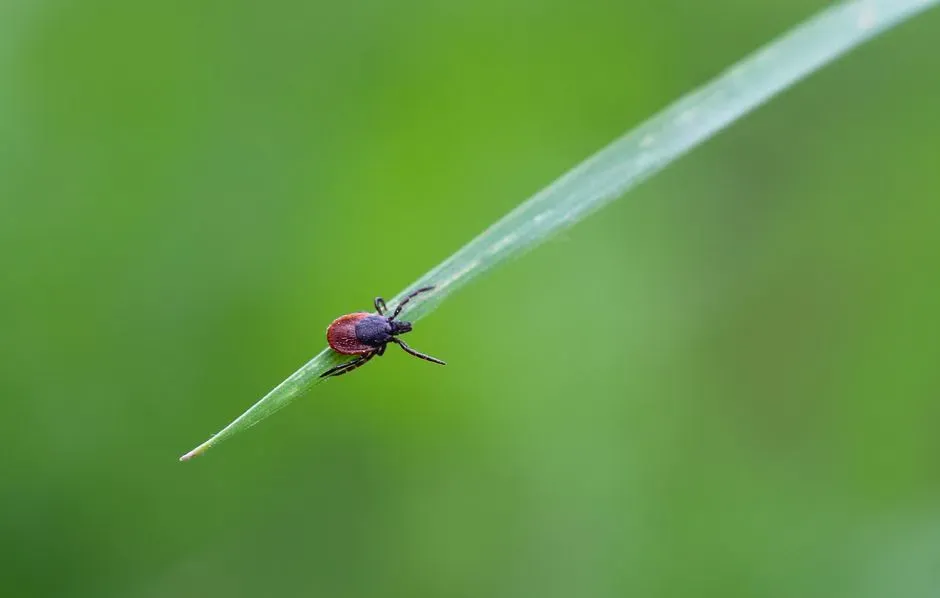
Freezing weather doesn’t wipe ticks out. They can shelter in leaf litter and resume activity when winter temperatures rise. A thaw in January can bring them back to the surface.
Canadian researchers have raised a related point. A recently published Canadian study showed that blacklegged ticks infected with the Lyme disease bacteria are more likely to survive winter temperatures. That finding is a reason to stay careful during warm spells in cooler months, though one study shouldn’t be treated as the whole story.
Not Every Tick Follows the Same Rules
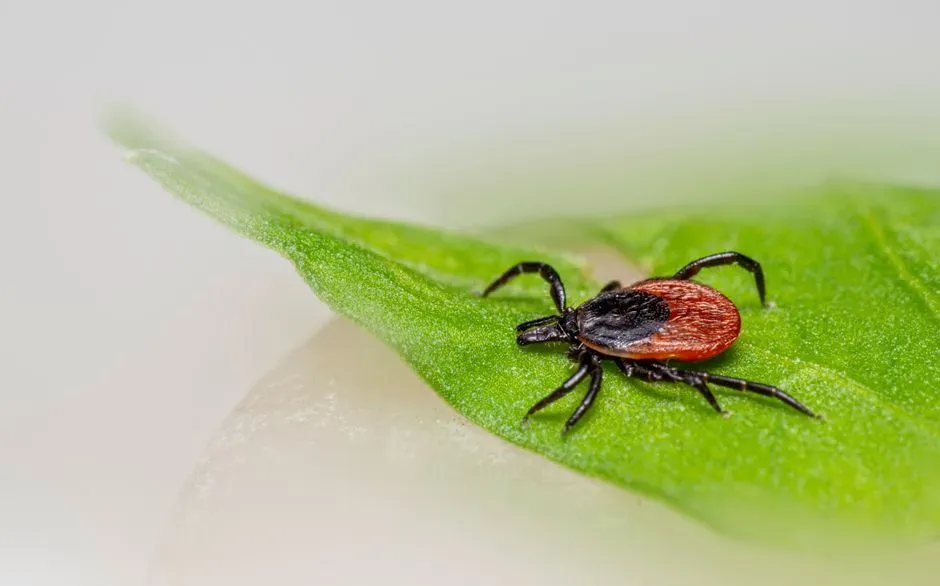
Other species behave differently. During fall and winter, the American dog tick and Lone Star tick are generally inactive, while blacklegged ticks can remain active as long as temperatures stay above freezing. Day length matters for some of them. The American dog tick begins questing as days get longer in the spring and early summer, and its activity decreases as days shorten.
This is why a tick found in October isn’t necessarily a blacklegged tick. As one summary put it, it doesn’t mean every tick you find in October is an adult of this species. Local species and climate matter.
How Risky Is Cool-Season Exposure?
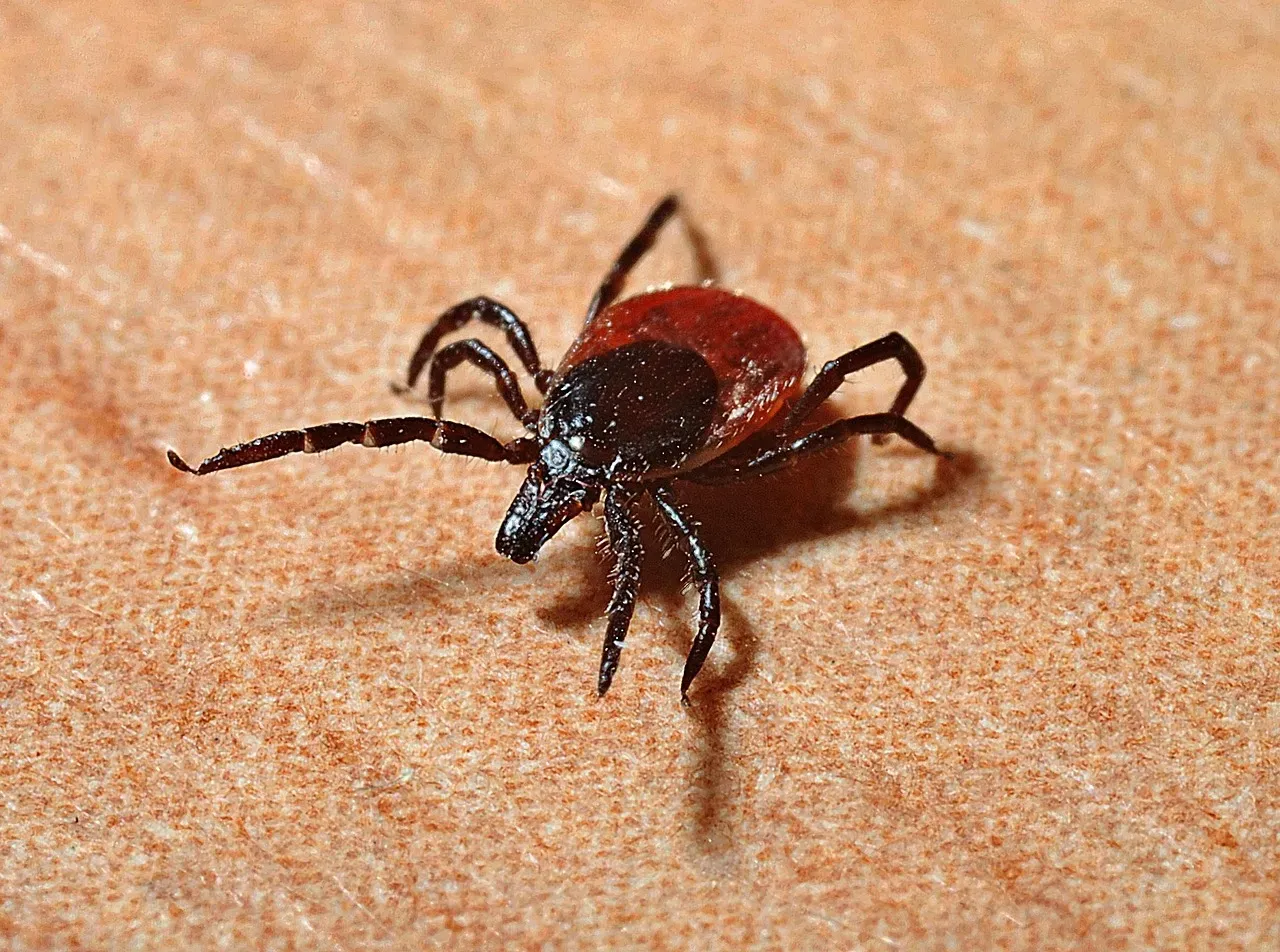
Fall carries real risk in Lyme-endemic areas. One tick lab reported that adult blacklegged ticks carry the Lyme bacterium at a higher rate than nymphs. In its testing, 41% of adult females tested positive, compared with 27% of nymphs. That’s one lab’s data, but it matches the general view that adults are often infected.
Context matters, though. In Pennsylvania’s account, most Lyme transmission occurs in June and July because of the activity and small size of the nymphs. Winter exposure, in one pest-control writer’s words, is lower than during peak nymph season, but it is not zero. Adults are larger and easier to spot, which helps a little.
Practical Habits for Cooler Months

Keep doing tick checks on mild days. That’s especially true after time in leaf litter, wooded edges and brush, where ticks wait. Adult ticks can be found in forest edge habitat and understory vegetation throughout winter when temperatures are above freezing. Check yourself, kids and pets after you come in.
Remove an attached tick promptly. Removing a tick quickly can reduce the risk of contracting a tick-borne disease. If you get a bite or develop symptoms after one, contact a health care provider, and mention the bite even if it happened in late fall.
Conclusion
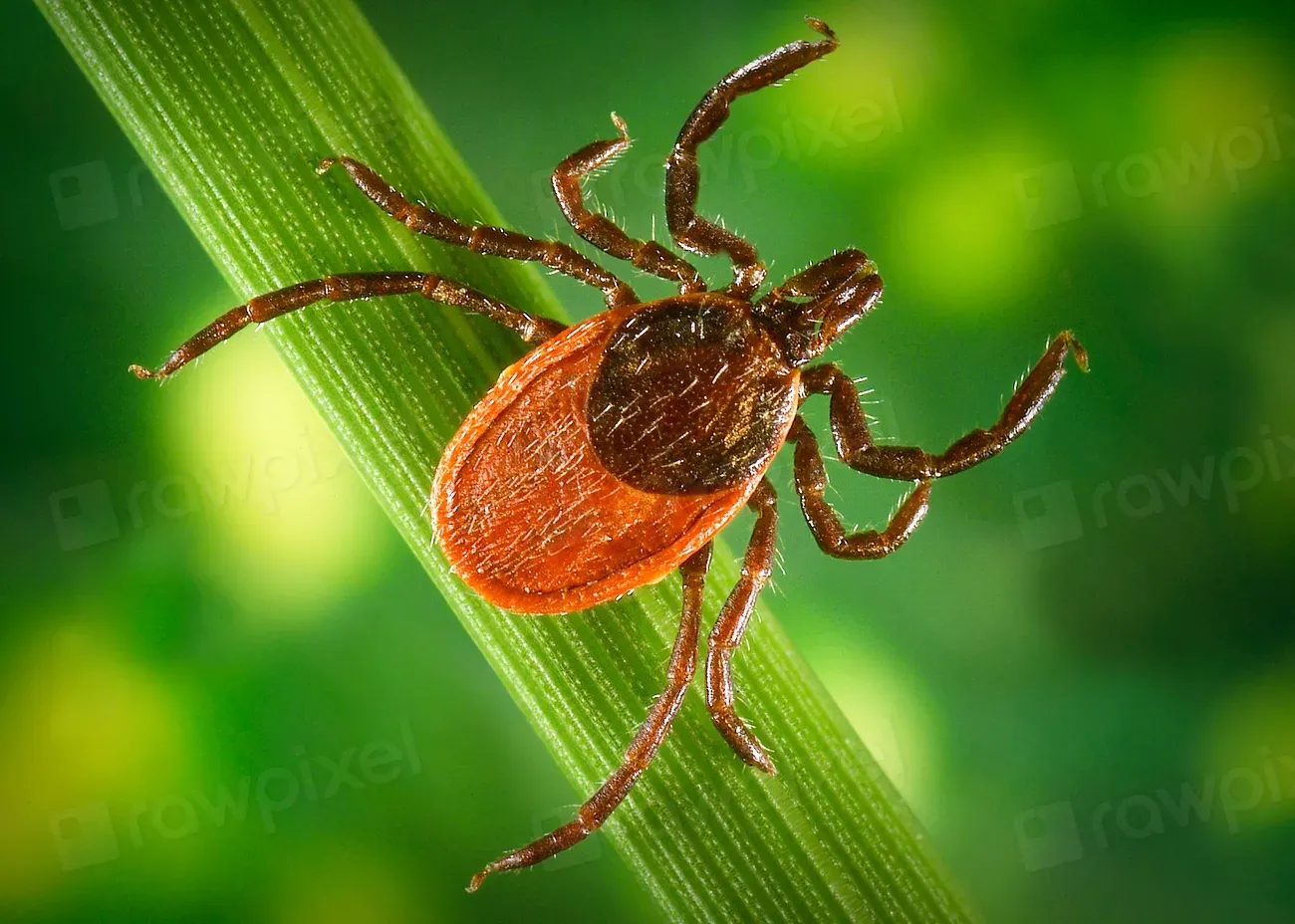
Tick season doesn’t end on a calendar date or at the first frost. Adult blacklegged ticks are active in autumn and can emerge on winter days above freezing, while other species mostly go quiet. The risk is real, though usually lower than in early summer.
A first frost is a poor signal to stop checking. Let the thermometer and your local conditions guide you instead.

- Rooftop Gardens Can Cool Buildings. Cities Are Adding Them To Fight Heat - November 19, 2026
- 6 Cities In The Americas Expanding Bike Lanes And Public Transit - November 19, 2026
- Sunbeams Piercing Low Clouds – The Particle Scattering Behind Crepuscular Rays - November 18, 2026
