

Most ancient cities faded slowly. Trade routes shifted, rivers moved, empires lost interest, and people drifted away over generations. A few places met a very different end, one that arrived in hours and left almost nothing for anyone to come back to.
The ten sites below were destroyed or buried by volcanoes, earthquakes, tsunamis, or, in one disputed case, a possible cosmic blast. Some of these catastrophes lasted a full day or a night rather than a literal afternoon, and a few details are still argued over by researchers. Where the evidence is uncertain, I’ve said so.
Pompeii, Italy
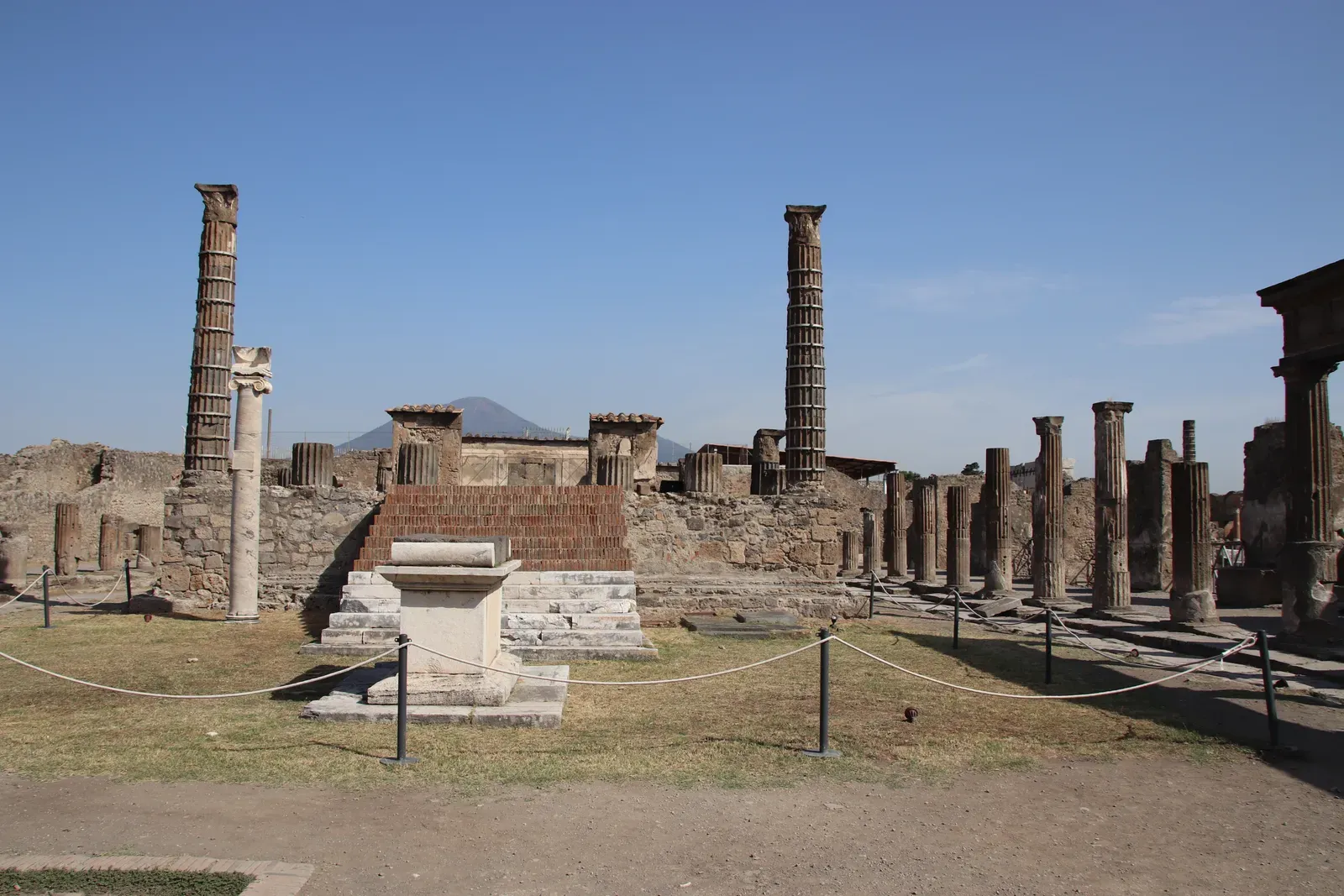
Pompeii is the textbook case. When Vesuvius erupted in AD 79, Pliny the Younger described a towering column of ash that began rising in the early afternoon. Pumice then rained on the city for hours, and by the next morning fast pyroclastic surges had swept through the streets.
The traditional date of late August has been questioned. A charcoal inscription found in 2018 points toward October, and researchers are still weighing what that means. What isn’t in doubt is the scale of the burial, since the city lay under several meters of ash and pumice for nearly seventeen centuries. Excavations continue, and the site remains one of the most visited archaeological places in Europe.
Herculaneum, Italy
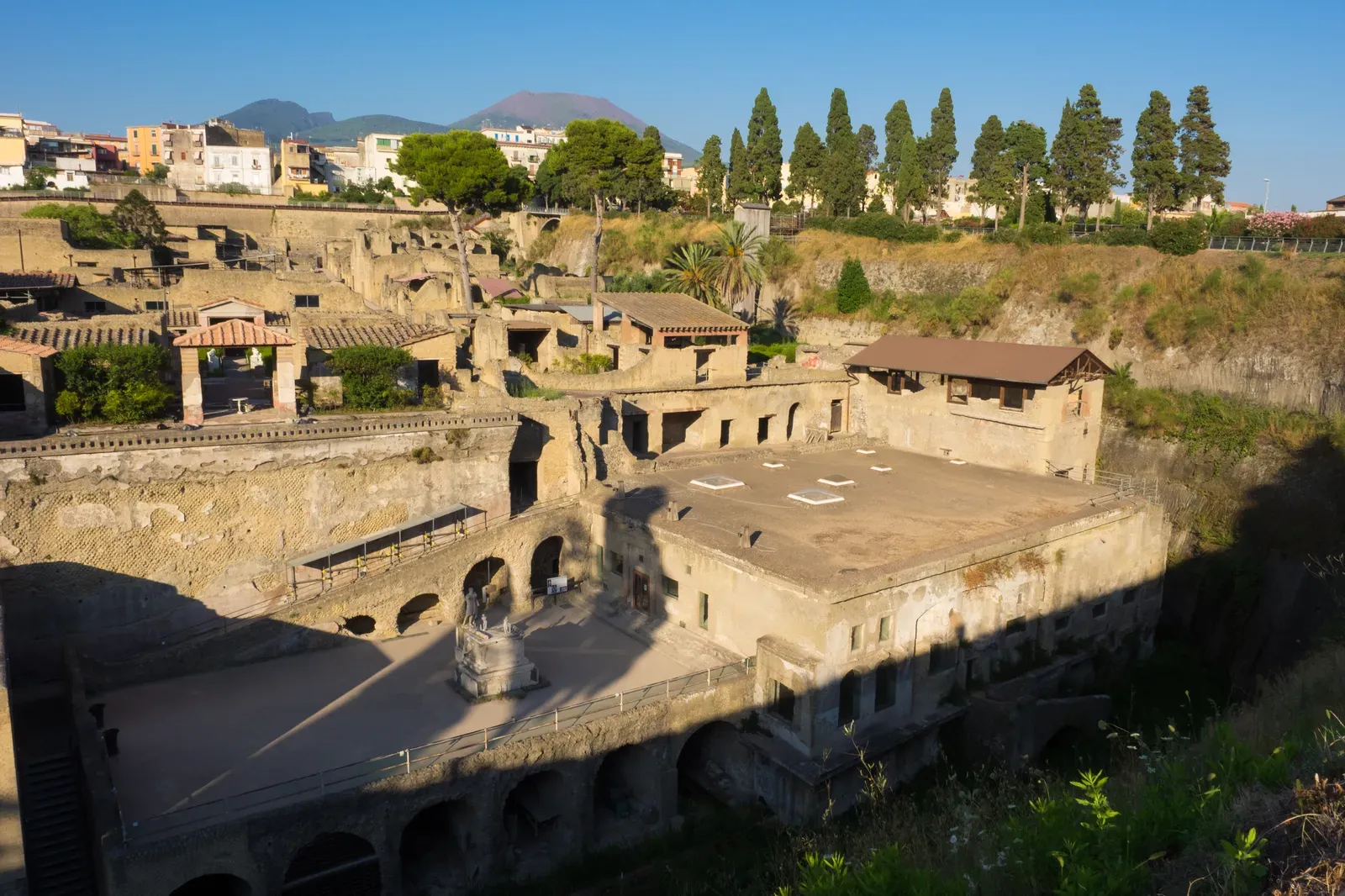
Herculaneum sat closer to the volcano but was spared the first phase of ashfall. The deadliest blow came later, when surges of superheated gas and ash hit the town in the night and early morning. Everything happened quickly enough that wooden furniture, food, and even papyrus scrolls were carbonized instead of destroyed.
In the 1980s, archaeologists found hundreds of skeletons crowded in the old boat houses along the shore, apparently waiting for rescue. The town was buried far deeper than Pompeii, under many meters of hardened volcanic material. The carbonized scrolls from the Villa of the Papyri are still being read with imaging and computer tools, which has become one of the more surprising research stories of recent years.
Stabiae, Italy
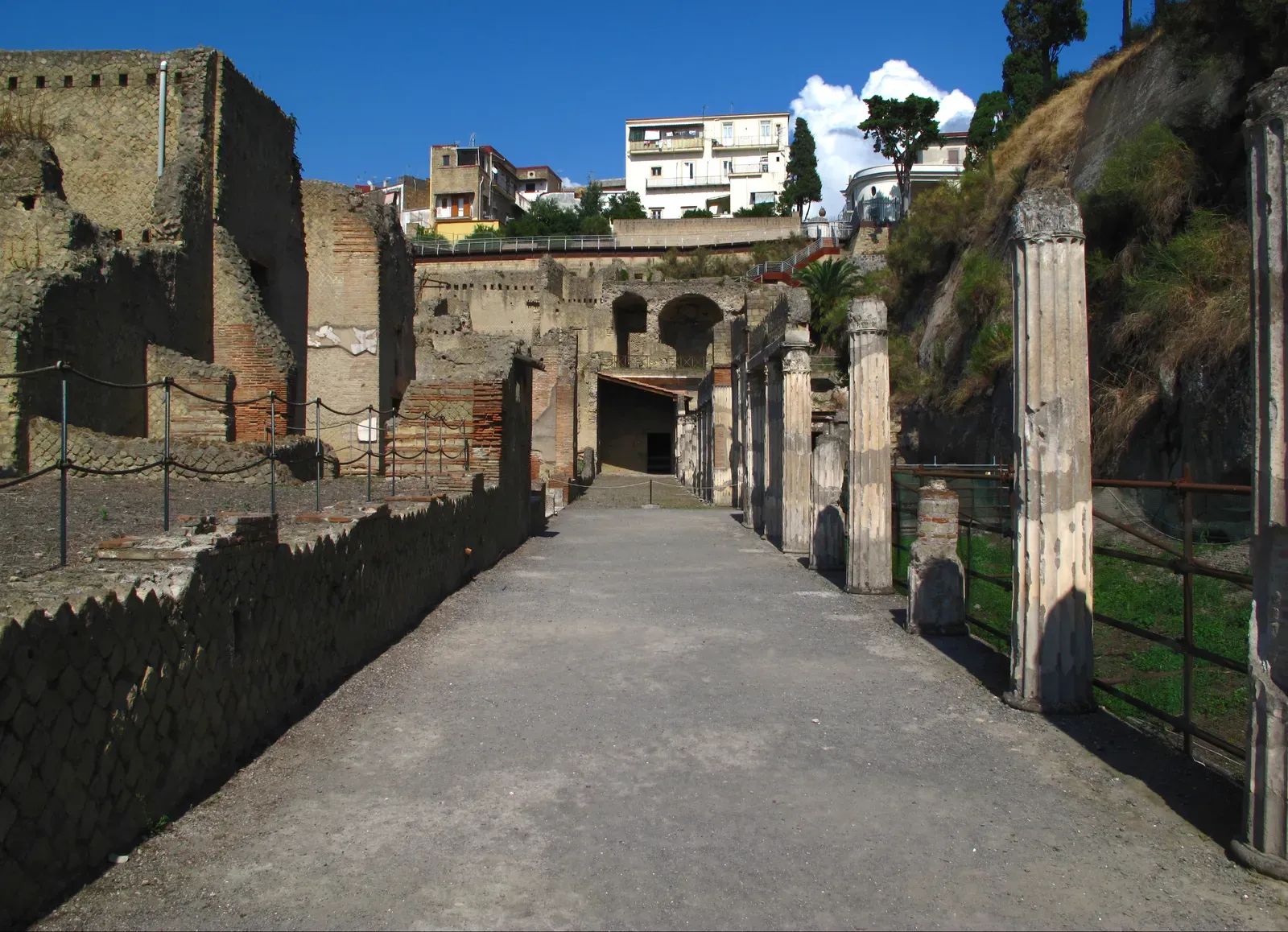
Stabiae was a seaside resort of luxury villas on the Bay of Naples, south of Pompeii. The eruption of AD 79 buried it under ash and pumice, and Pliny the Elder, who had sailed across the bay to help evacuate people, died on its shore. His nephew’s letters are our main written account of those hours.
Excavations here began in the eighteenth century, and only some villas have been properly studied and opened to visitors. The site shows how a wealthy coastal district could be lost in a single day. Its painted rooms, which were covered quickly and left undisturbed, are among the best preserved in the region.
Oplontis, Italy
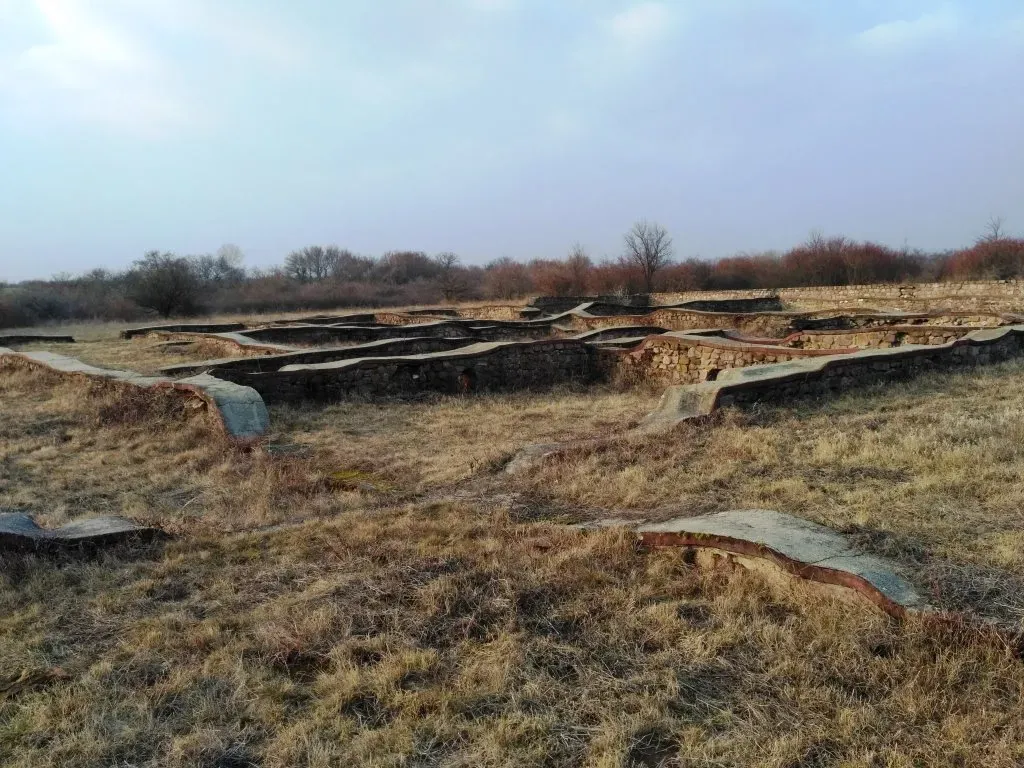
Oplontis lies beneath the modern town of Torre Annunziata. It’s best known for a vast villa often linked to Poppaea Sabina, the wife of Emperor Nero. The same eruption of AD 79 covered it, and the deposits that sealed the site helped protect its wall paintings.
The villa was apparently being renovated when the volcano erupted. Some rooms were empty and statues were stacked away, which tells us the owners weren’t in the middle of a normal day. UNESCO lists Oplontis together with Pompeii and Herculaneum, and it offers a quieter view of the same disaster.
Ceren, El Salvador
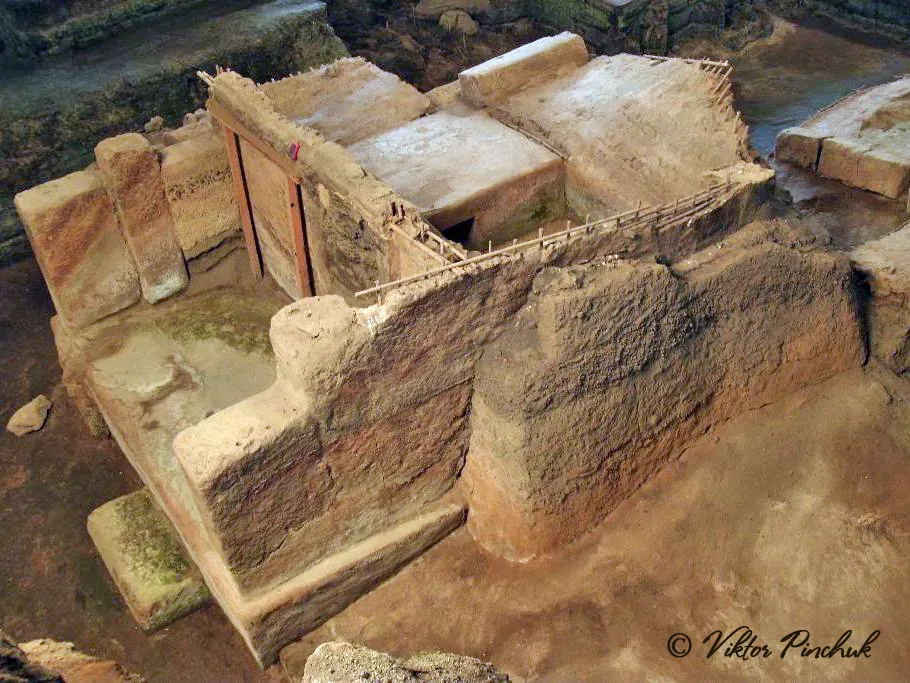
Ceren is often called the Pompeii of the Americas, though it was a farming village rather than a city. Around the sixth or seventh century AD, an eruption from the nearby Laguna Caldera volcano buried it in ash. The event came in the evening, and the villagers seem to have left in a hurry.
A bulldozer exposed the site in 1976 during construction work. Archaeologists later found houses, storage rooms, and even cultivated fields preserved under the ash. Because ordinary homes survived, Ceren has given researchers a rare look at everyday Maya era life, and UNESCO recognized it as a World Heritage Site in 1993.
Helike, Greece
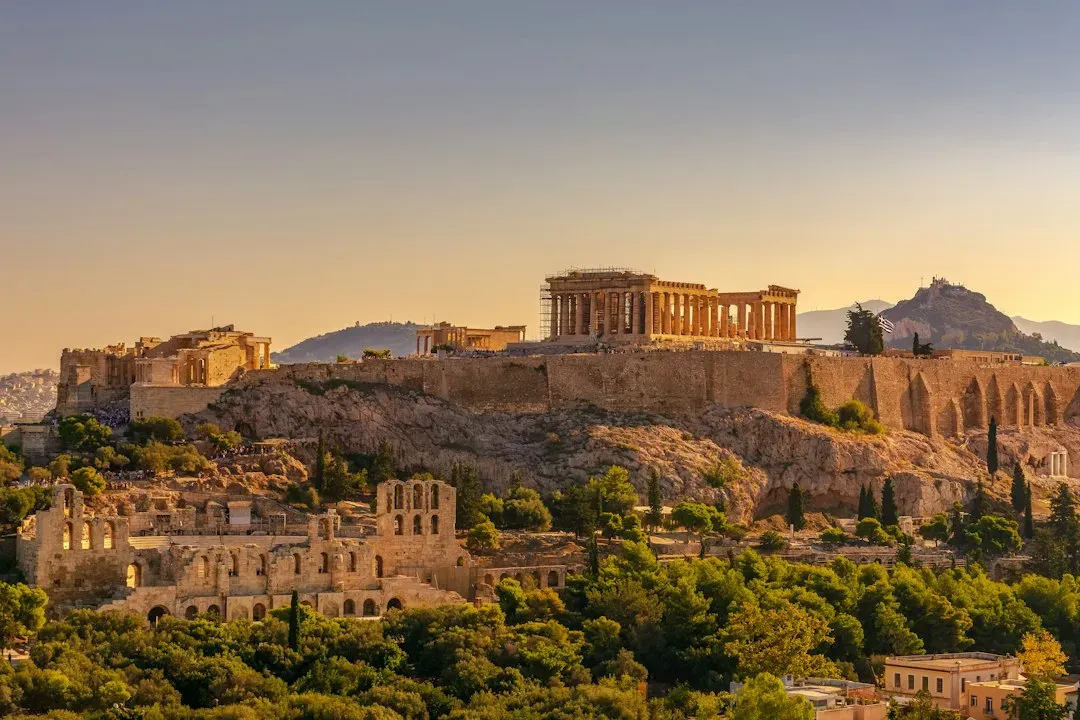
Helike was a prosperous Achaean city on the Gulf of Corinth. Ancient writers say an earthquake in 373 BC, followed by a wave, dropped it into the sea in a single night. Later travelers reportedly saw ruins beneath the water, and the story helped feed the idea of lost cities in general.
Modern searches have been difficult, since the coastline has changed, and sediment has buried much of the area. Excavations in the area turned up an Early Bronze Age settlement, yet the classical city has not been definitively located. Helike remains a case where the historical accounts are strong and the physical proof is still partial.
Kourion, Cyprus
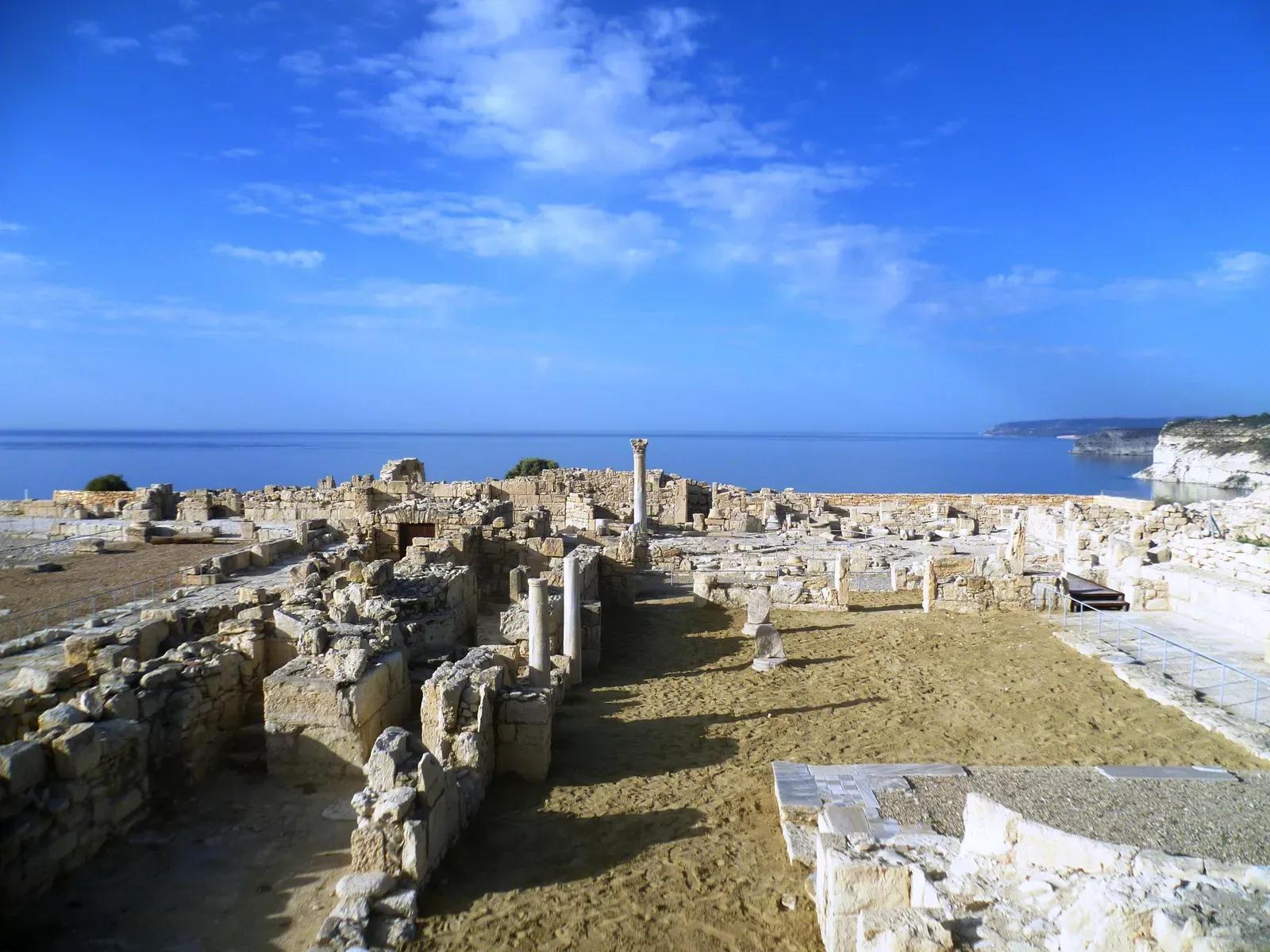
Kourion was a major Greek and Roman city on Cyprus’s southern coast. A powerful earthquake struck the eastern Mediterranean in AD 365, and ancient sources describe widespread damage, with a tsunami reaching Alexandria. Excavators at Kourion have long linked collapsed buildings and human remains to that quake.
That reading isn’t universally accepted. Some scholars argue that the dating of the destruction layers is less clear, and that damage came from several quakes over time. Even so, the theater and mosaics still draw visitors, and the site is a reminder of how fast a Roman city could be wrecked.
Akrotiri, Santorini
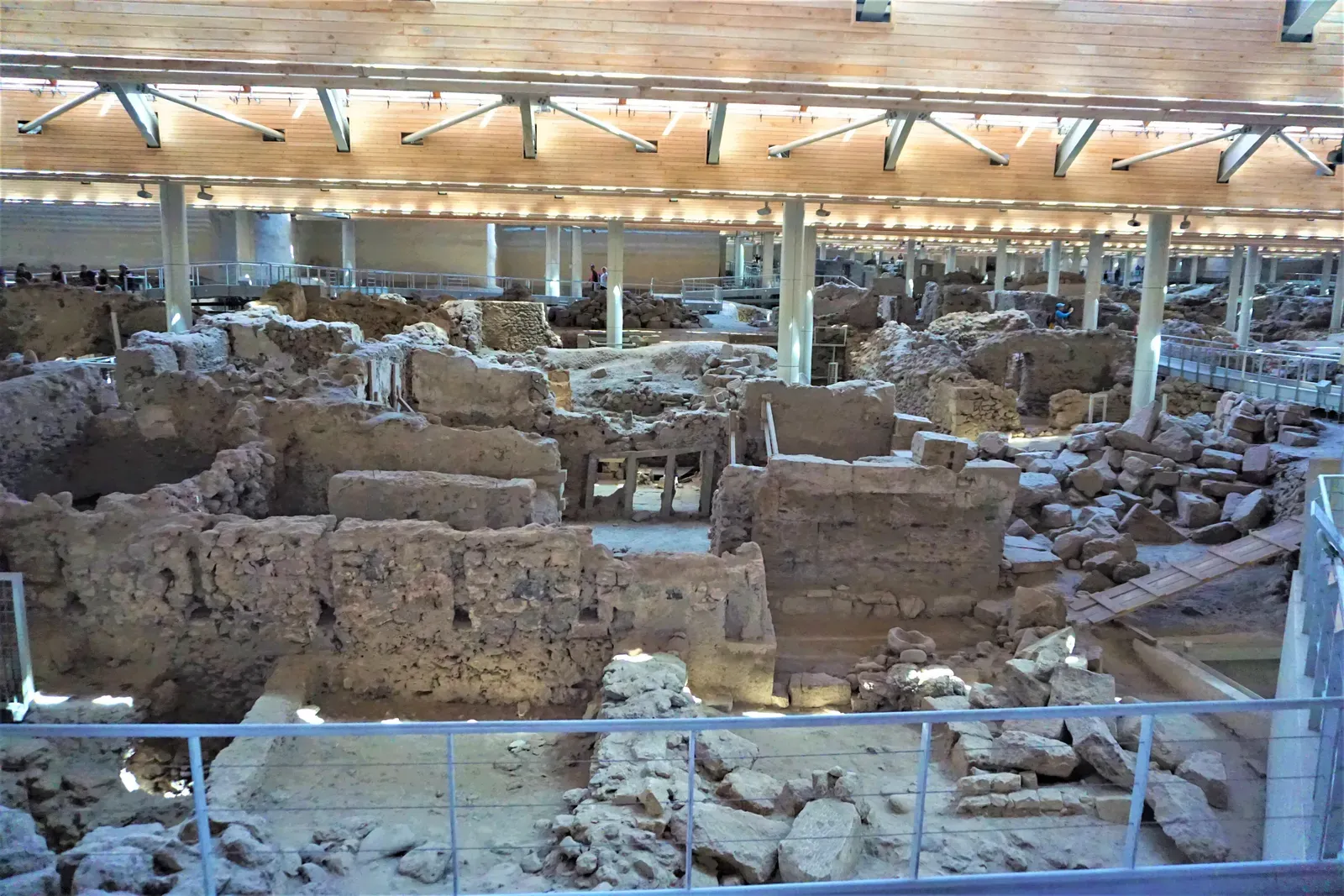
Akrotiri was a Bronze Age Minoan town on Thera, now Santorini. The island’s massive eruption, usually dated to the late seventeenth century BC, buried it in pumice and ash. Researchers still debate the exact date, and the radiocarbon and archaeological estimates don’t fully agree.
Unlike Pompeii, Akrotiri has yielded no clear victims. Earlier earthquakes and tremors probably gave residents warning, and they seem to have left before the main blast. What remains are multistory buildings, wall paintings, and pottery, all sealed under volcanic material.
Tall el Hammam, Jordan
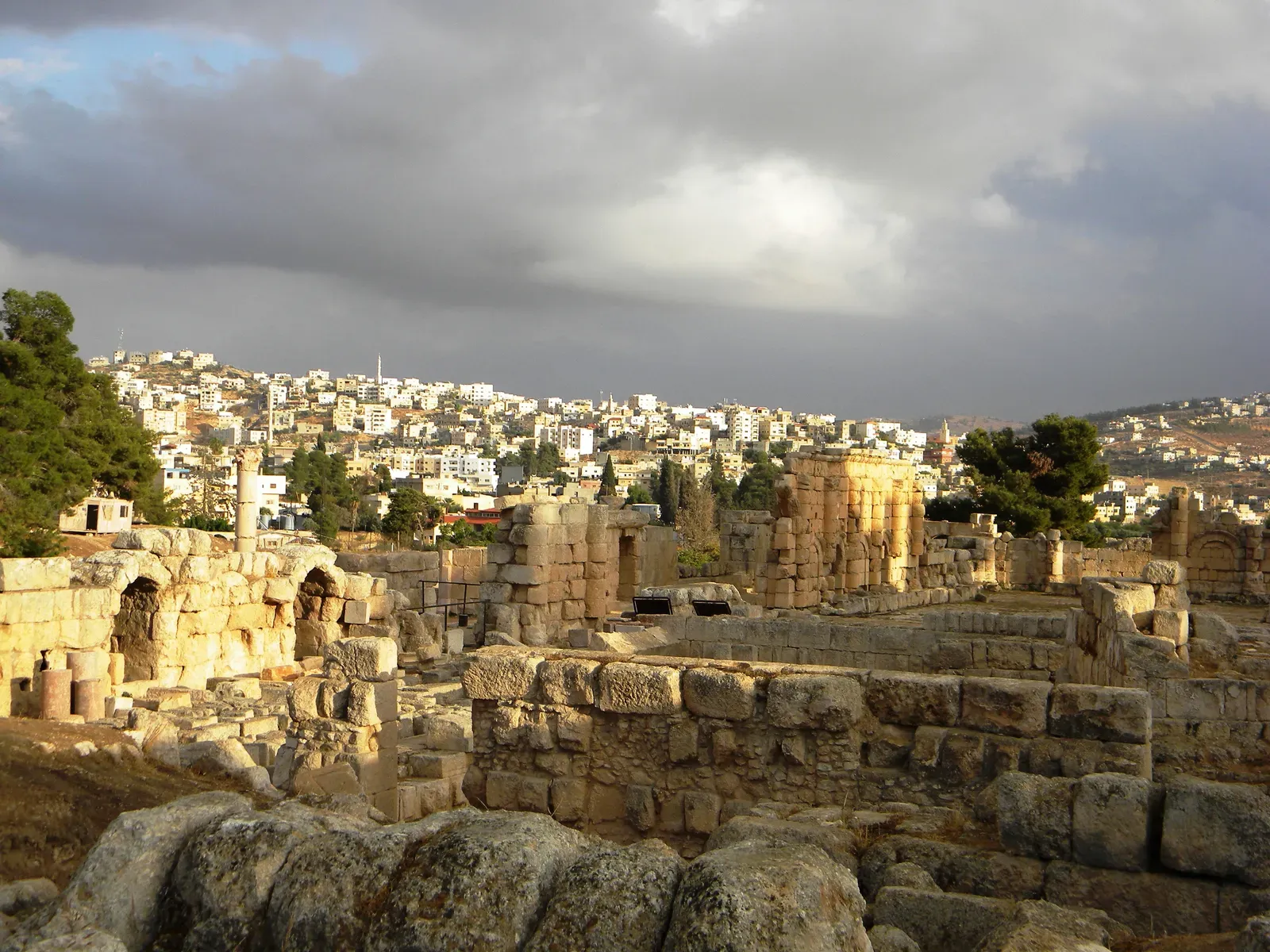
This one comes with a firm caution. Tall el Hammam was a sizeable Bronze Age city east of the Jordan River, and a 2021 study in Scientific Reports proposed that an airburst from a space object destroyed it roughly 3,600 years ago. The authors pointed to shocked minerals, melted pottery, and a thick burned layer as evidence.
The claim has been criticized, and several researchers have questioned the interpretation of the material, the dating, and the link to the biblical story of Sodom. No consensus has formed. It’s best read as a proposal still under debate, not a settled event.
Pompeii’s Neighbor Boscoreale, Italy
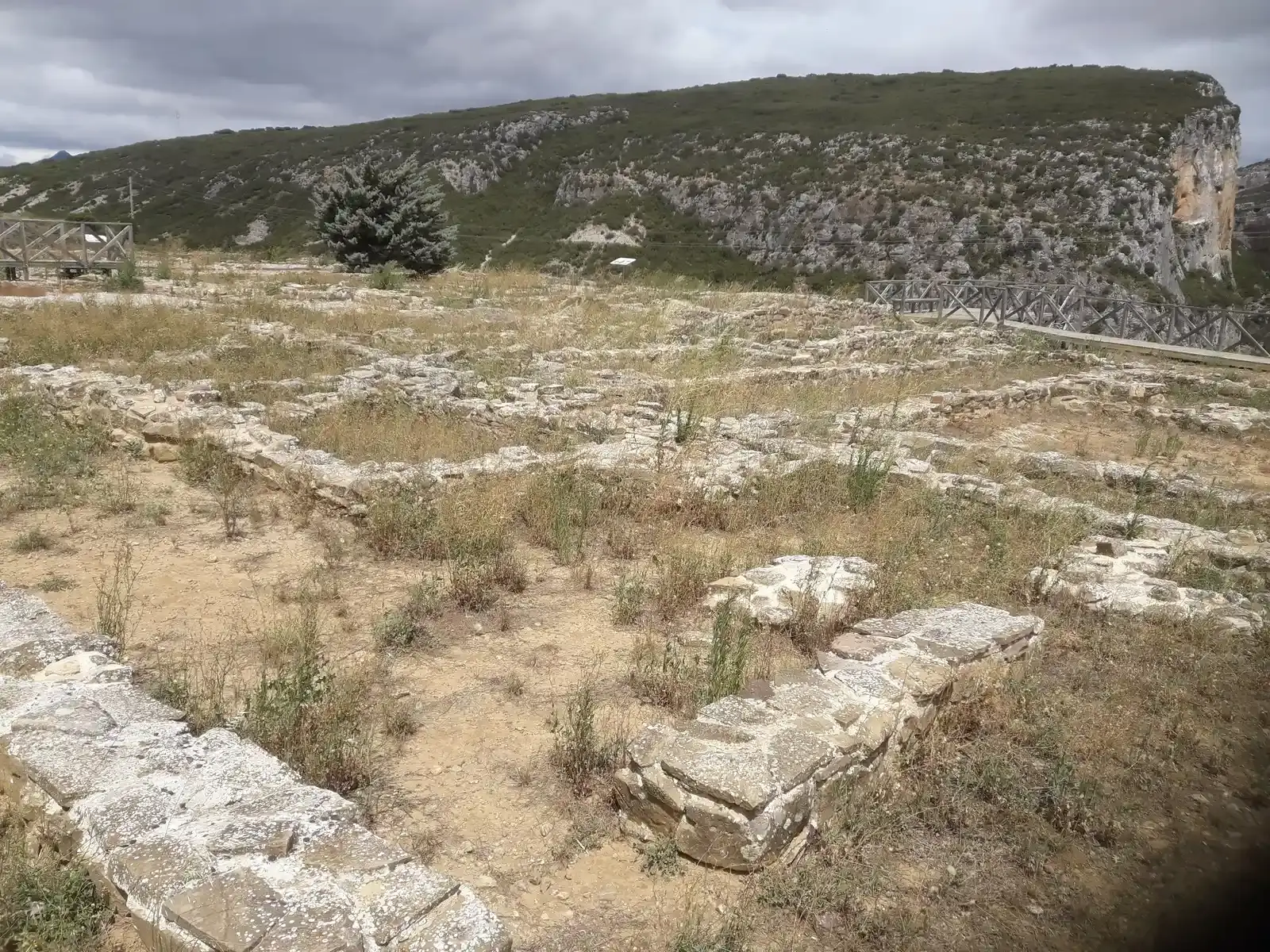
Boscoreale was a cluster of farms and villas just north of Pompeii, and the eruption of AD 79 buried it as well. Its villas show a working countryside, with wine presses, storage jars, and rooms for farm labor. Finds there include a famous silver treasure, now held in the Louvre.
The site reminds us that the eruption didn’t only hit towns. Rural estates around Vesuvius were covered in the same hours, which erased a whole agricultural landscape. Today the area is partly modern development, and several excavated villas are open for visits.

- 9 Wildfire-Season Routines Many California Residents Follow - November 10, 2026
- Most US states face earthquake risk as major fault lines span the country - November 10, 2026
- The Joplin Tornado of 2011 Killed 158 People and Led to New Warning Language - November 10, 2026
