


- 10 Traditional Building Techniques From Hot Climates Architects Are Revisiting - November 10, 2026
- 2026 Atlantic hurricane season winding down? El Niño eases late-season storm threat - November 10, 2026
- Could the Great Pacific Garbage Patch be altering the ocean’s color? - November 10, 2026
In June of 1816, farmers in parts of New England woke to frost on their young crops. Snow fell in Quebec. Across the Atlantic, Swiss villagers watched rain turn their fields to mud while grain prices climbed week after week.
Nobody at the time could name the cause. The answer sat on the other side of the planet, on a small Indonesian island, where a mountain had blown itself apart more than a year earlier.
A Mountain on Sumbawa
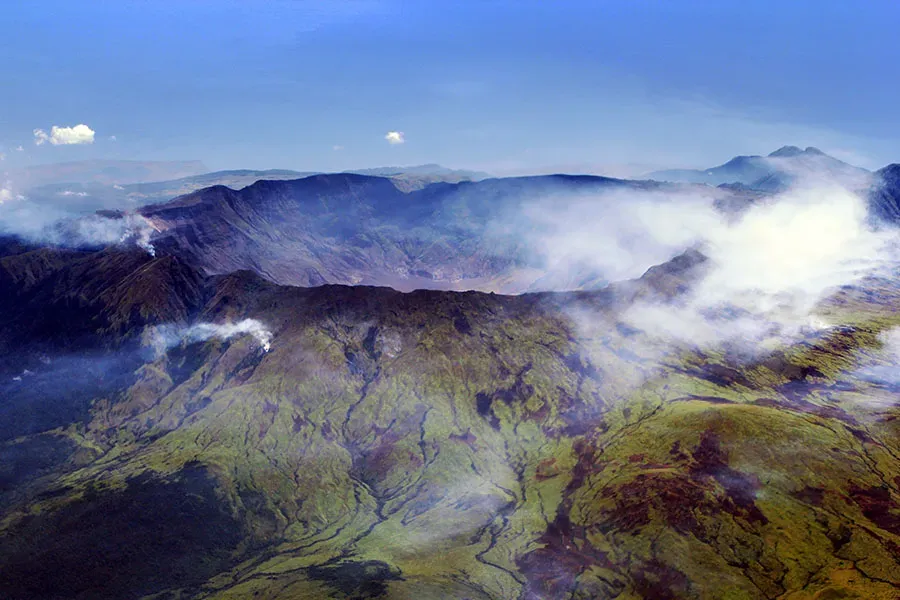
Mount Tambora stands on the island of Sumbawa in what is now Indonesia. Before 1815 it was a tall volcano, often estimated at well over four thousand meters. It had been quiet for centuries, and local communities farmed its slopes.
Rumbling began in 1812, and a smaller eruption followed in early April 1815. Most of the surrounding population had little reason to expect what came next.
The April 1815 Explosion
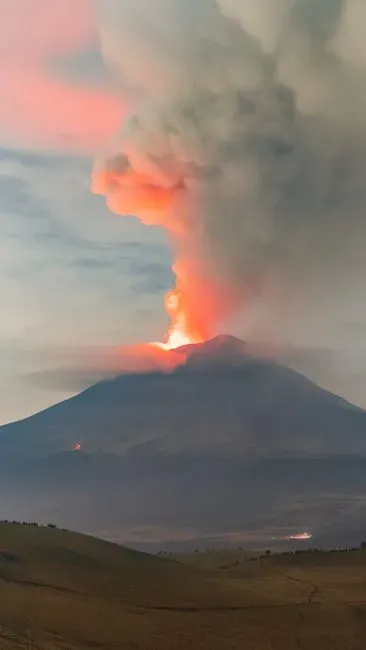
The climactic phase came on April 10 and 11, 1815. Volcanologists rate it a seven on the Volcanic Explosivity Index, which tops out at eight. It is the largest eruption in recorded human history.
The blast was heard on Sumatra, roughly two thousand kilometers away. Ash fell across much of the region, and the mountain’s summit collapsed into a huge caldera several kilometers wide.
The Human Cost Near the Volcano
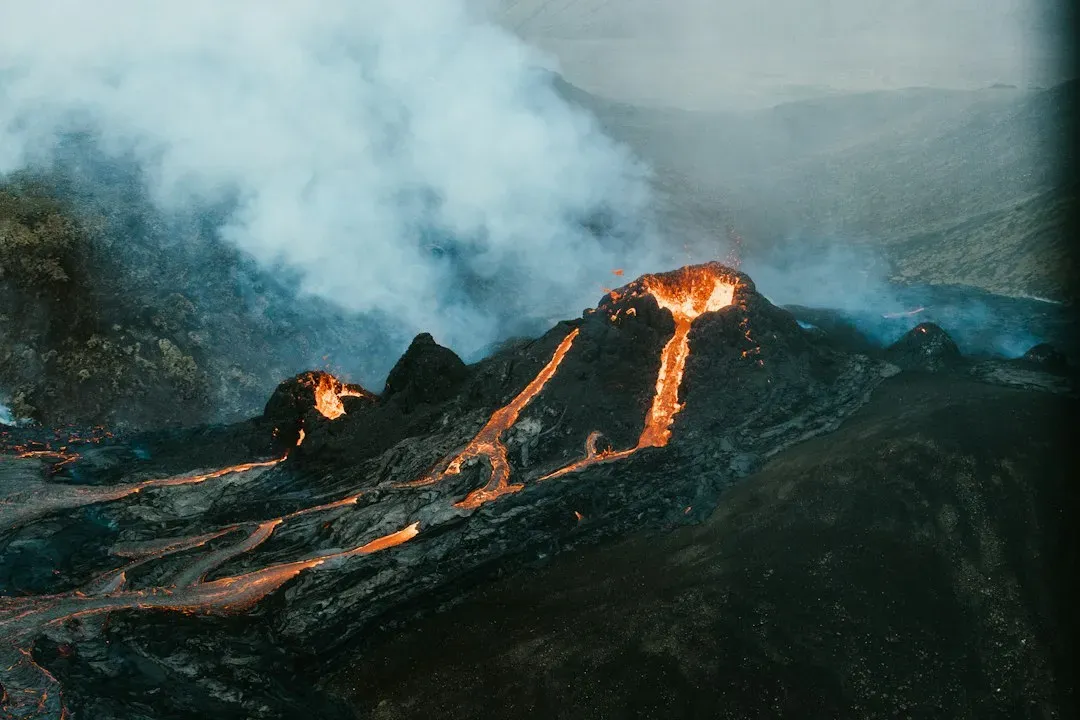
Pyroclastic flows and ash killed thousands of people on Sumbawa and neighboring Lombok. Historians commonly estimate that around ten thousand died directly. Famine and disease afterward raised the total toll to somewhere between seventy thousand and ninety thousand, though the figures are uncertain.
Crops were buried, and water supplies were fouled by ash. The Sumbawa kingdoms of Tambora and Pekat were wiped out, and their languages were lost.
Sulfur in the Stratosphere
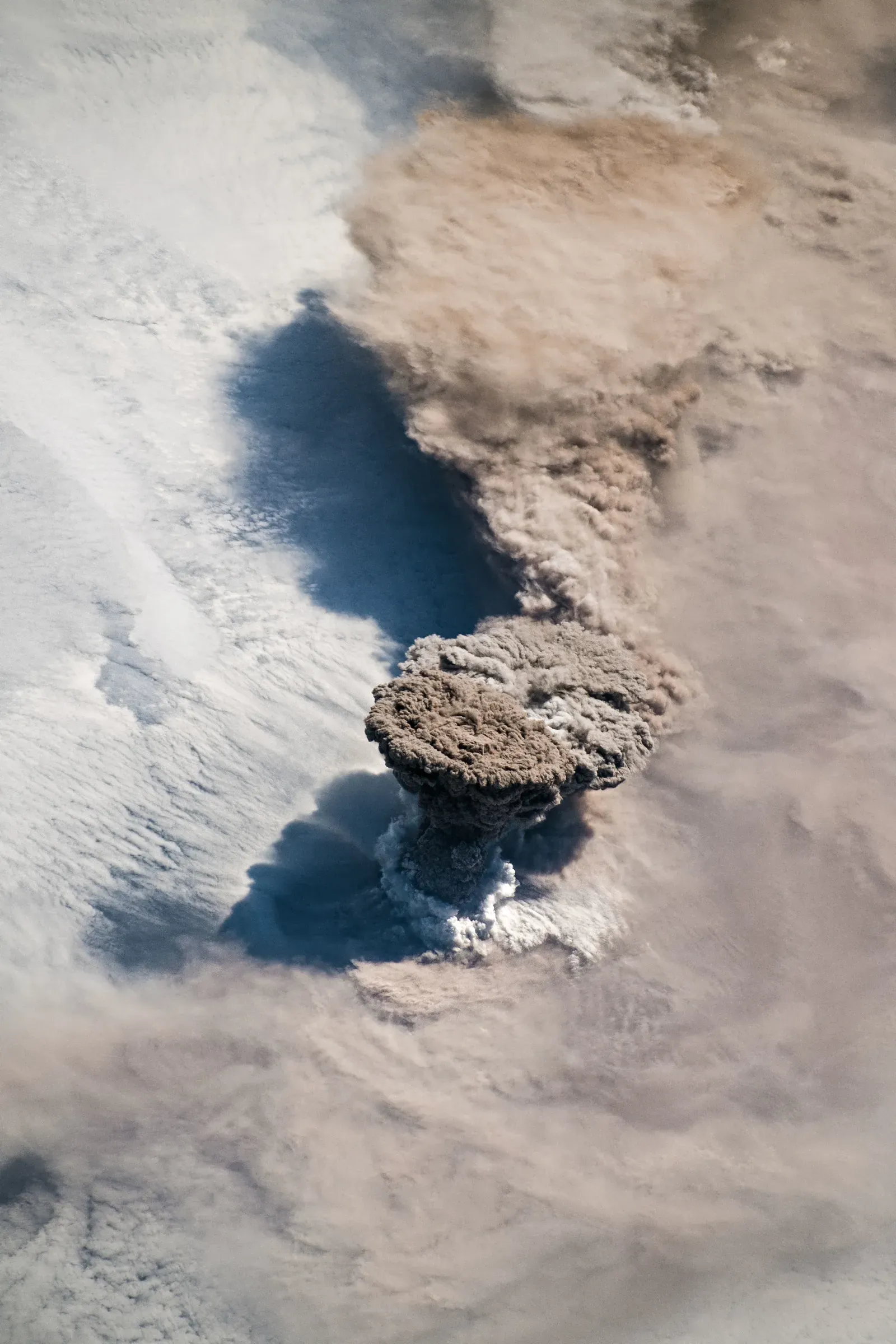
The global chill came less from ash than from gas. Tambora pumped enormous amounts of sulfur dioxide high into the stratosphere. There it turned into tiny sulfate droplets that reflected sunlight back to space.
Ash falls out within weeks, but those droplets lingered for a year or more. Ice cores from Greenland and Antarctica still carry a sharp sulfate spike from this period. Climate reconstructions suggest that global average temperatures fell by roughly half a degree Celsius or a bit more, and some regions cooled far more than that.
The Hungry Year in Europe
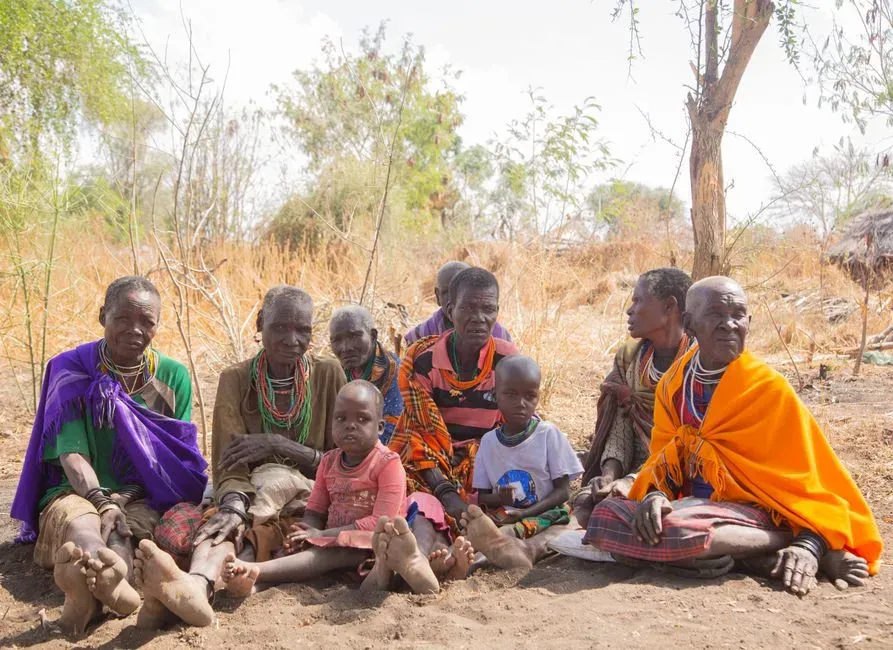
Europe was still recovering from the Napoleonic wars when 1816 arrived cold and wet. Harvests of wheat, rye, and potatoes failed across Switzerland, Germany, France, and the British Isles. Bread prices spiked, and food riots broke out in several countries.
Historians often call it the last great subsistence crisis in the Western world. Many families sold livestock and begged on the roads. Some governments opened grain stores, but relief was patchy and slow.
Frost in June across North America
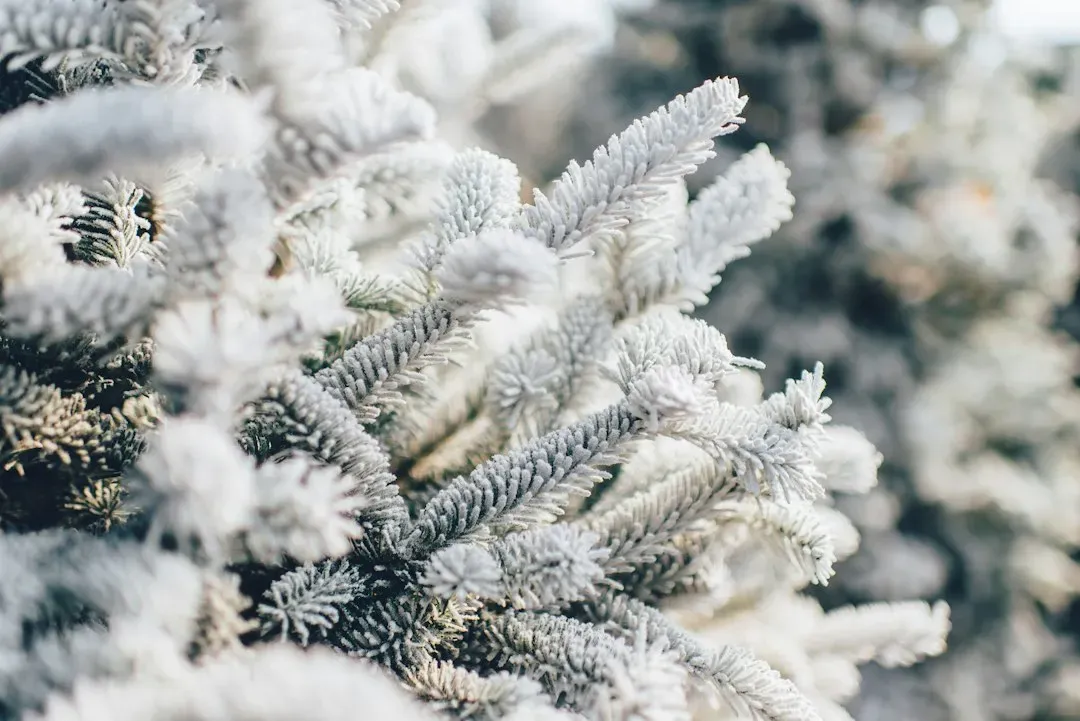
In New England and eastern Canada, cold fronts struck repeatedly through the spring and summer of 1816. Frost and snow were recorded in June, and hard frosts returned in July and August. Corn, the staple crop, suffered badly.
The hardship pushed many families to move west, with Ohio and the wider Midwest drawing settlers who had given up on thin northeastern soil. The shortage also drove up the price of oats, which hurt households that relied on horses.
Monsoons, Rice, and Disease in Asia
The effects reached Asia too. Researchers link the disrupted monsoon of those years to crop failures in southern China, especially Yunnan province, where rice harvests suffered and famine followed. India saw unusual weather and a severe cholera outbreak in Bengal around 1817.
The link between Tambora and that cholera outbreak is debated. Scientists generally agree that a cooling and altered monsoon plausibly affected conditions, but they treat the exact causal chain with caution.
Sunsets, Ghost Stories, and a New Bicycle
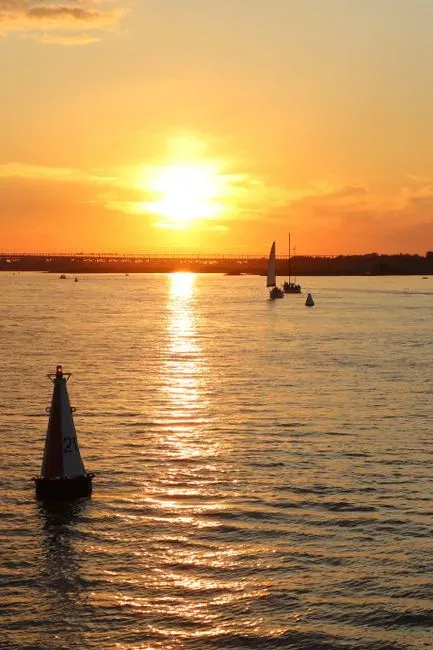
The sky itself changed. Vivid, lingering sunsets appeared across Europe, and many art historians connect them to the paintings of J. M. W. Turner, though the link is suggestive rather than proven. In the summer of 1816, gloomy weather kept a group of writers indoors near Lake Geneva.
Mary Shelley began Frankenstein there, and John Polidori wrote The Vampyre. Some historians also point to Karl Drais, who invented his early running machine in 1817, as a possible response to horse feed shortages, although this idea remains contested.
How Scientists Piece the Story Together
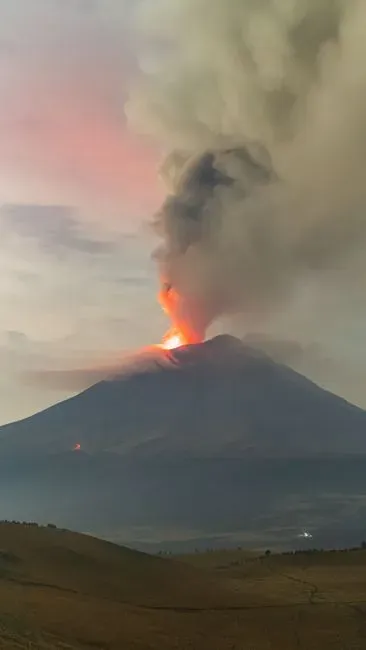
Our understanding comes from several independent records. Tree rings, ice cores, ship logs, farm diaries, and weather observations all line up around 1815 and 1816. Researchers also note that an earlier, unidentified eruption around 1809 probably cooled the climate before Tambora added to it.
Modern climate models use Tambora as a test case for how volcanic aerosols affect weather and harvests. Its record is one reason that volcano monitoring in Indonesia and elsewhere is treated as a global concern, not only a local one.
