

1. Native oaks (Quercus species)
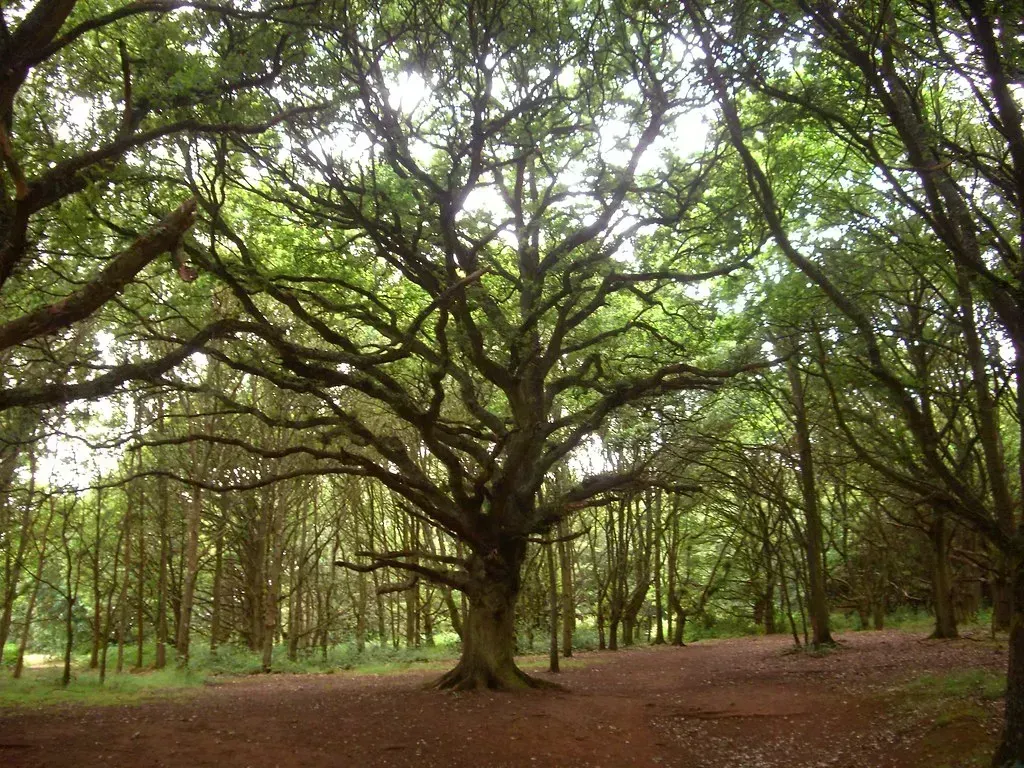
Oaks are probably the most heavily regulated trees in the country, particularly in California and Texas. In Los Altos Hills, California, a Heritage Oak includes species such as Valley Oak, California Live Oak, Black Oak and Blue Oak that has a trunk thirty-six inches in circumference at a point four feet above the root crown. That designation carries real weight, since Heritage Oaks are designated as protected trees in Los Altos Hills and require a permit in order to remove.
Sacramento takes a similar approach. A tree removal permit is required to remove any native oak growing on private or public land, including valley oak, live oak, and blue oak. Austin, Texas, layers its oak rules by size, and oaks nineteen inches or larger in diameter require a removal permit, while those twenty four inches or larger are classified as Heritage Trees, with removal prohibited except in narrowly defined circumstances. Given how common oaks are in residential landscaping, plenty of homeowners discover these rules only after calling a tree service.
2. American elm
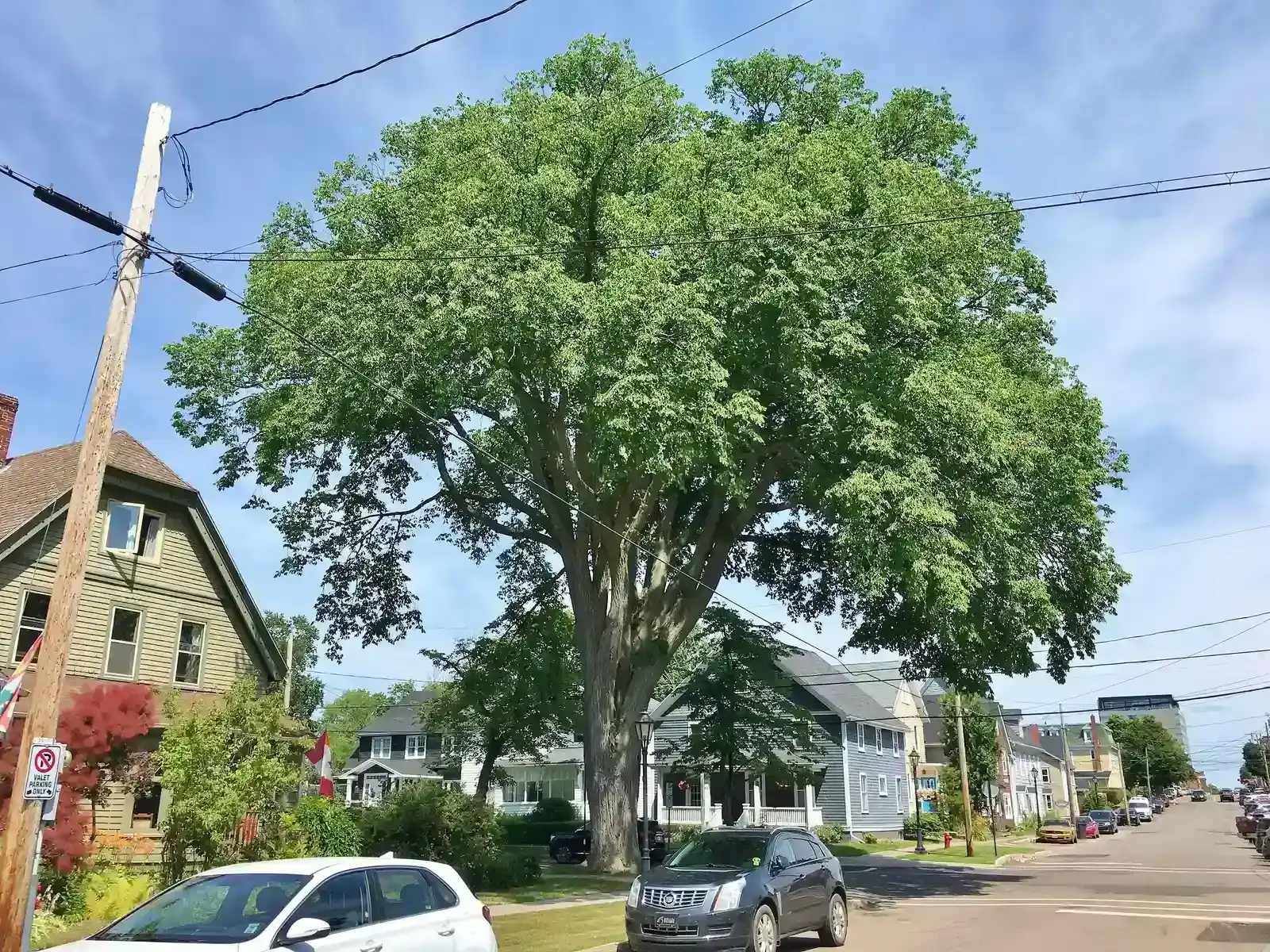
Elm protections exist for a very specific reason, and it has nothing to do with the tree’s beauty. In Boise, Idaho, a permit is required to cut down any elm tree on private property, a regulation meant to help control the spread of Dutch elm disease. The fungal disease nearly wiped out American elms across the country in the twentieth century, and many cities still treat surviving specimens as worth safeguarding.
Scarsdale, New York, follows the same logic. The removal of American Elm, among other species, requires a permit from the Village Engineer. The permit process typically allows for inspection to confirm whether a tree is genuinely diseased or hazardous before a homeowner is cleared to remove it, which helps prevent healthy elms from being cut down unnecessarily out of caution or convenience.
3. American beech
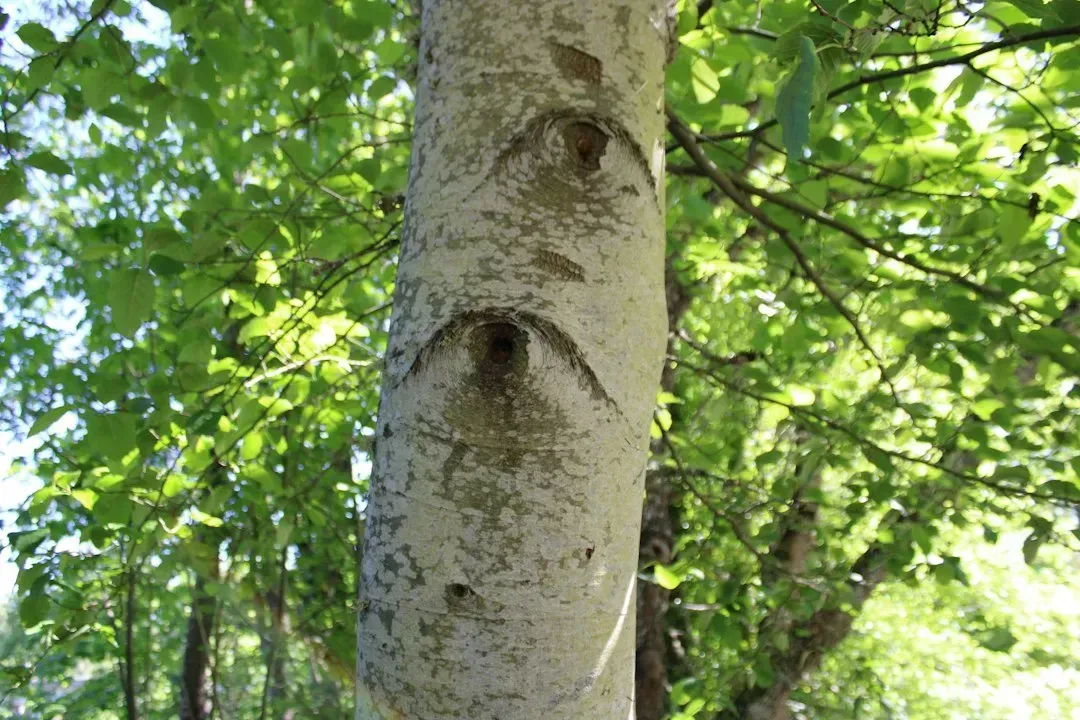
Fewer people expect beech trees to be on a protected list, but Scarsdale includes the American Beech alongside elms and heritage designees in its permit requirements. Removal of any American Beech Tree requires a permit from the Village Engineer, the same standard applied to elms and locally designated heritage trees.
Beeches are often included in these ordinances because of their slow growth and long lifespan. A mature beech can take well over a century to reach full size, so once one is lost, replacing its ecological and visual contribution is not something that happens in a homeowner’s lifetime. That long horizon is part of why some municipalities treat the species with extra caution.
4. Redbud, dogwood, holly, and eastern red cedar (Maryland’s protected quartet)
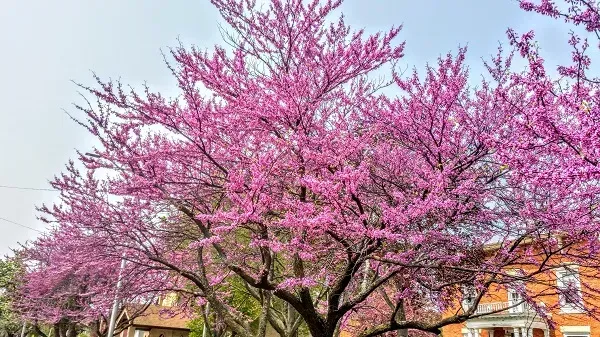
Maryland stands out because its protections apply statewide rather than city by city. According to state guidance, Maryland protects four tree species by law, cedar, red-bud, dogwood, and holly, and removing any of these species requires a special permit, even on private property outside the Critical Area.
The rule is broad. Protected tree species, including cedar, red-bud, dogwood, and holly, require special permits for removal under Maryland state law regardless of where they are located. That is worth knowing for anyone landscaping a Maryland property, since these four species are common ornamental and native choices that many homeowners plant without realizing they later cannot be freely removed.
5. Coast redwood (Sequoia sempervirens)
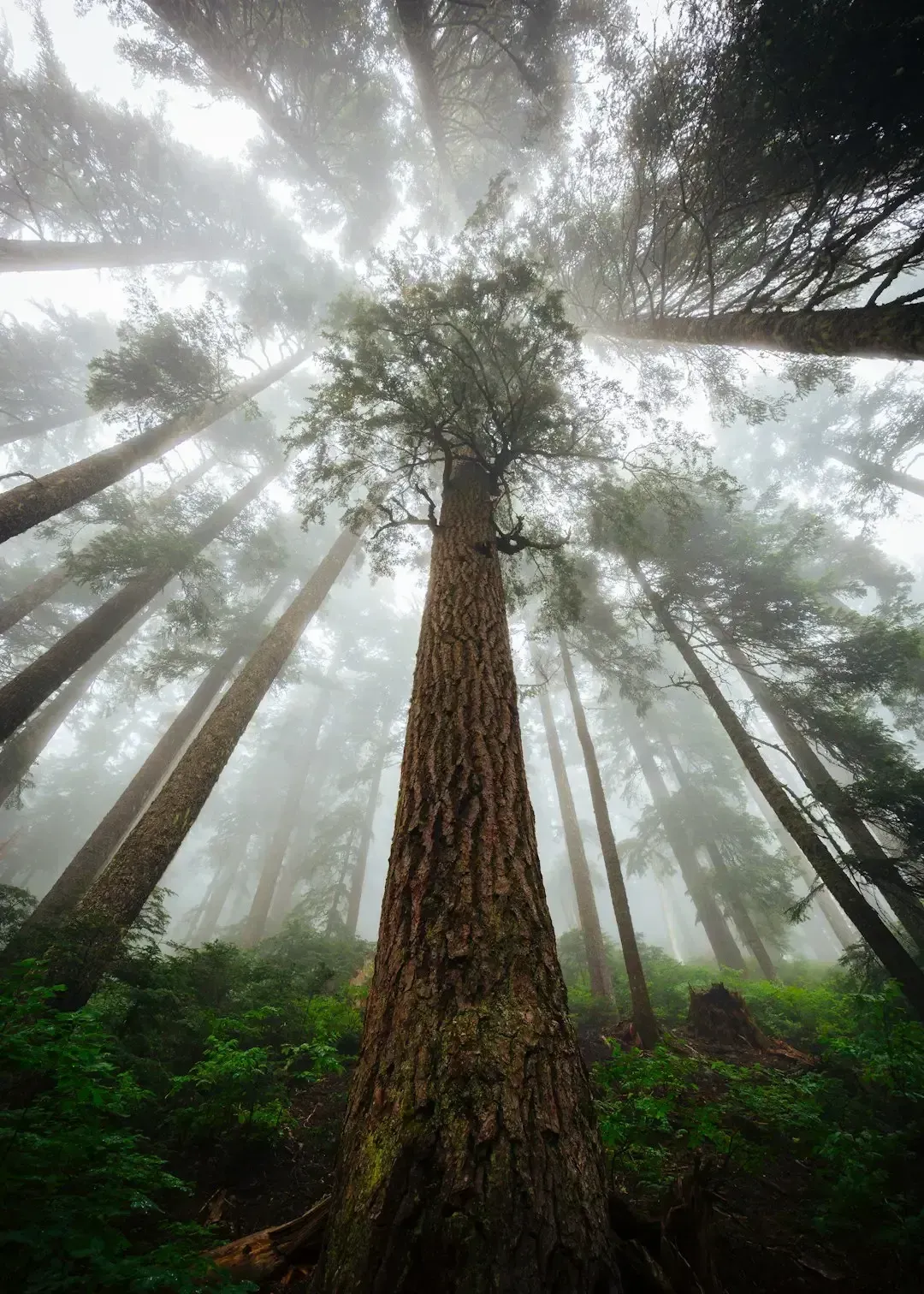
Redwoods rarely need protecting from disease or scarcity in their native range, but individual specimens planted far from that range often end up on municipal heritage lists. In San Bruno, California, the city’s heritage tree definition specifically names the species. Any native Bay, Buckeye, Oak, Redwood, or Pine tree that has a diameter of six inches or more measured at fifty four inches above natural grade qualifies as a heritage tree.
The San Bruno ordinance does not stop at native habitat boundaries either. The city’s Heritage Tree Ordinance declares such trees, whether located on city or private property, to be an asset to the community at large and provides penalties for removing or improperly pruning these trees. A single backyard redwood, in other words, can carry the same legal status as a tree growing in a protected grove.
6. Red and black mangroves
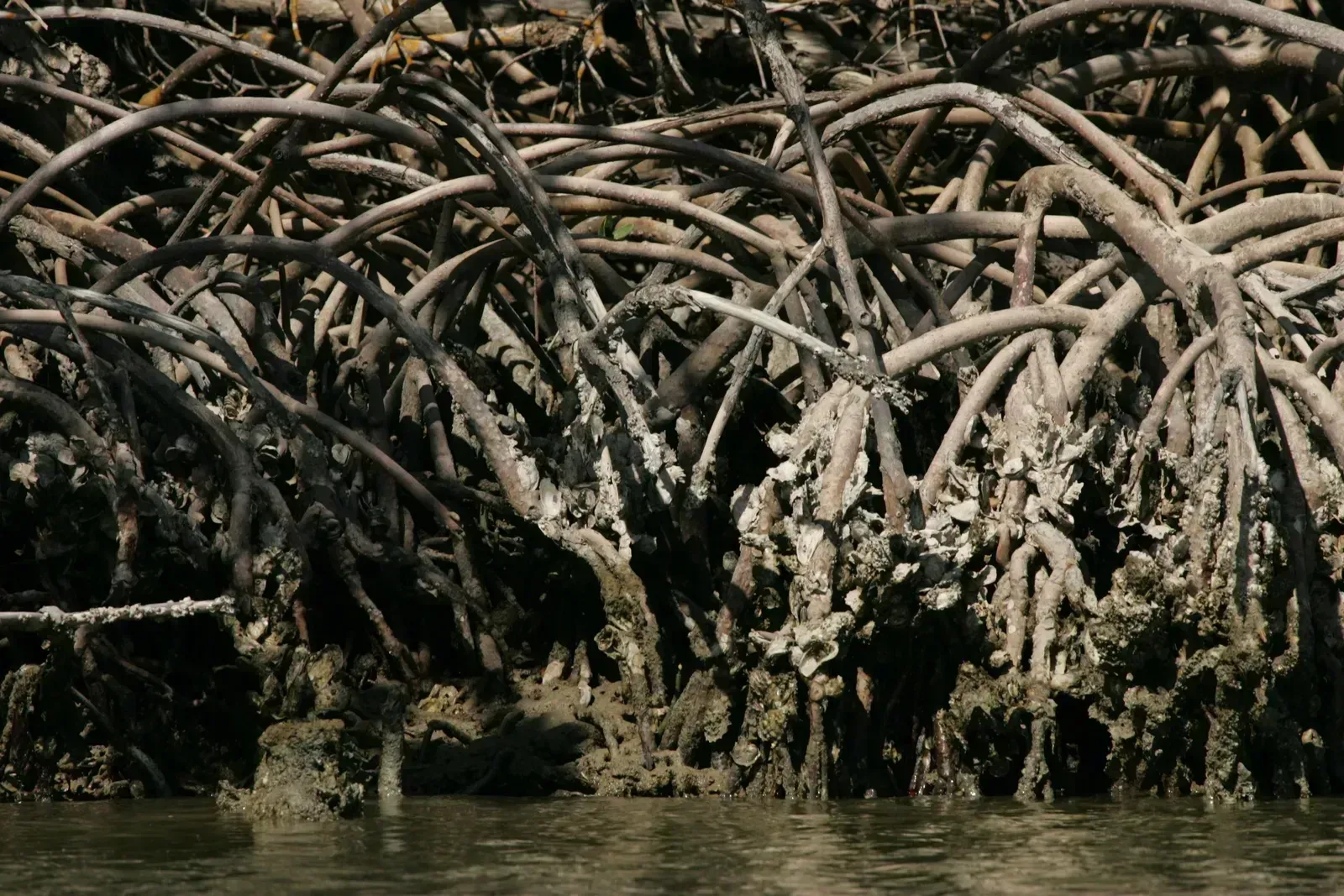
Florida’s mangrove rules work differently from a typical tree ordinance, but the underlying restriction is just as real for waterfront property owners. State law makes clear that the trimming exemptions and general permits in the Mangrove Act do not provide for mangrove removal, so anyone who wants to remove mangroves on their property may have to apply for an individual permit, with mitigation potentially required.
Even routine trimming has strict limits. Property owners can only cut mangroves back under narrow conditions, since shorelines of less than or equal to one hundred fifty feet in length, where the mangroves do not exceed ten feet in overall height, can be trimmed to no less than six feet in overall height by the private property owner. Anything beyond that basic exemption pushes a homeowner into permit territory, and outright removal almost always does. These six examples only scratch the surface of how tree protection laws work across the country. Diameter thresholds, species lists, and permit fees differ from one city or county to the next, and sometimes even from one neighborhood to another within the same municipality. Anyone considering removing a mature or unusual tree is better off calling the local planning or public works department first, since a quick phone call is far cheaper than a fine discovered after the stump is already ground down.

- Blue whales vanish from the Galápagos, and scientists suspect El Niño - November 11, 2026
- 8 Famous Battles That Were Decided by the Weather - November 11, 2026
- Black Sunday 1935: 9 Photos From the Worst Dust Storm of the Dust Bowl Era - November 11, 2026
