


- Rain Shadows: Why One Side of a Mountain Range Can Be Lush and the Other Dry - October 13, 2026
- What Atmospheric Rivers Are and How They Bring Flooding to the US West Coast - October 13, 2026
- White Roofs, Shade Trees and Cool Pavement: 6 Ways Cities Are Cooling Their Streets - October 12, 2026
If your eyes have been itchier and your tissue box emptier than usual, you’re not imagining things. Allergists across the country have been sounding the alarm about pollen seasons that start earlier, last longer, and hit harder than they did even a decade ago. If you think pollen allergies are getting worse, you’re not wrong, as longer, more intense pollen seasons caused by the impact of climate change mean allergy symptoms hit harder and last longer.
The 2026 Allergy Capitals report from the Asthma and Allergy Foundation of America (AAFA) shook up the usual rankings in a big way. Historically, cities in the Southeast dominated the top of the list due to their warm, humid climates, but findings indicate cities in the West experienced massive spikes in pollen production, pushing them to the top of the worst cities for allergies. Here’s a region-by-region look at where pollen counts have gotten so extreme that allergists are treating them as a genuine public health concern.
1. The Intermountain West (Idaho and Utah)
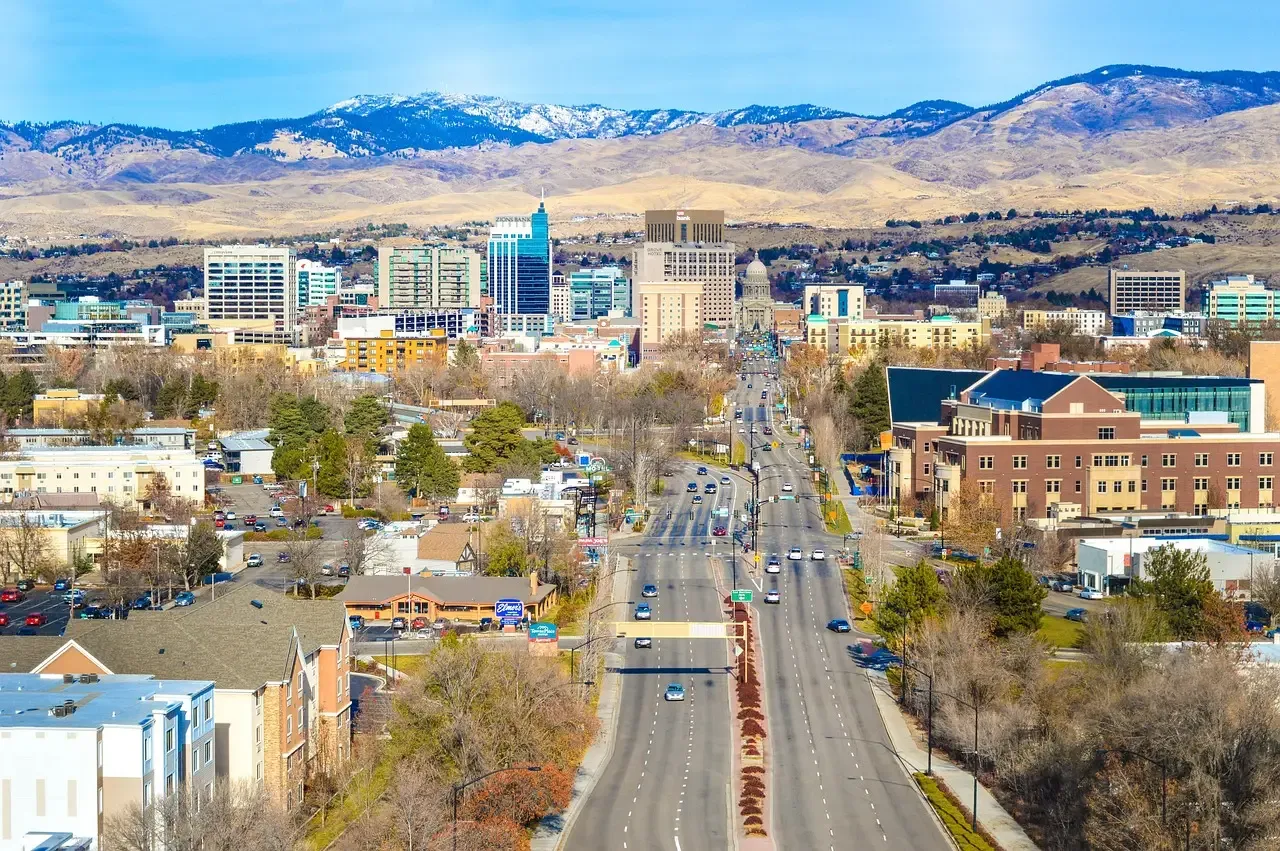
For the first time in the history of the AAFA’s annual report, a city outside the traditional Southeast stronghold took the number one spot. For the first time, Boise, Idaho, is the most challenging city for pollen allergies in the country. A wet winter and early warm spring led Boise to have an unusually heavy tree and grass pollen load in 2025, and weed pollen season lasted longer into the fall as well. Utah cities piled onto the list right alongside it, making the Intermountain West a genuine hotspot rather than a one-city anomaly.
Utah has the most cities on the list, with three areas experiencing worse-than-average pollen counts, including Provo, Ogden, and Salt Lake City. That’s striking given Utah’s reputation for dry, high-desert air that’s traditionally been kinder to allergy sufferers. Other climate factors that may have influenced rankings include warmer temperatures, especially in winter and spring, and drought conditions in Utah. Allergists in the region point to a one-two punch of unusually wet growing seasons followed by dry, windy stretches that send pollen airborne in dense, allergenic clouds.
2. The Southern Plains (Kansas and Oklahoma)
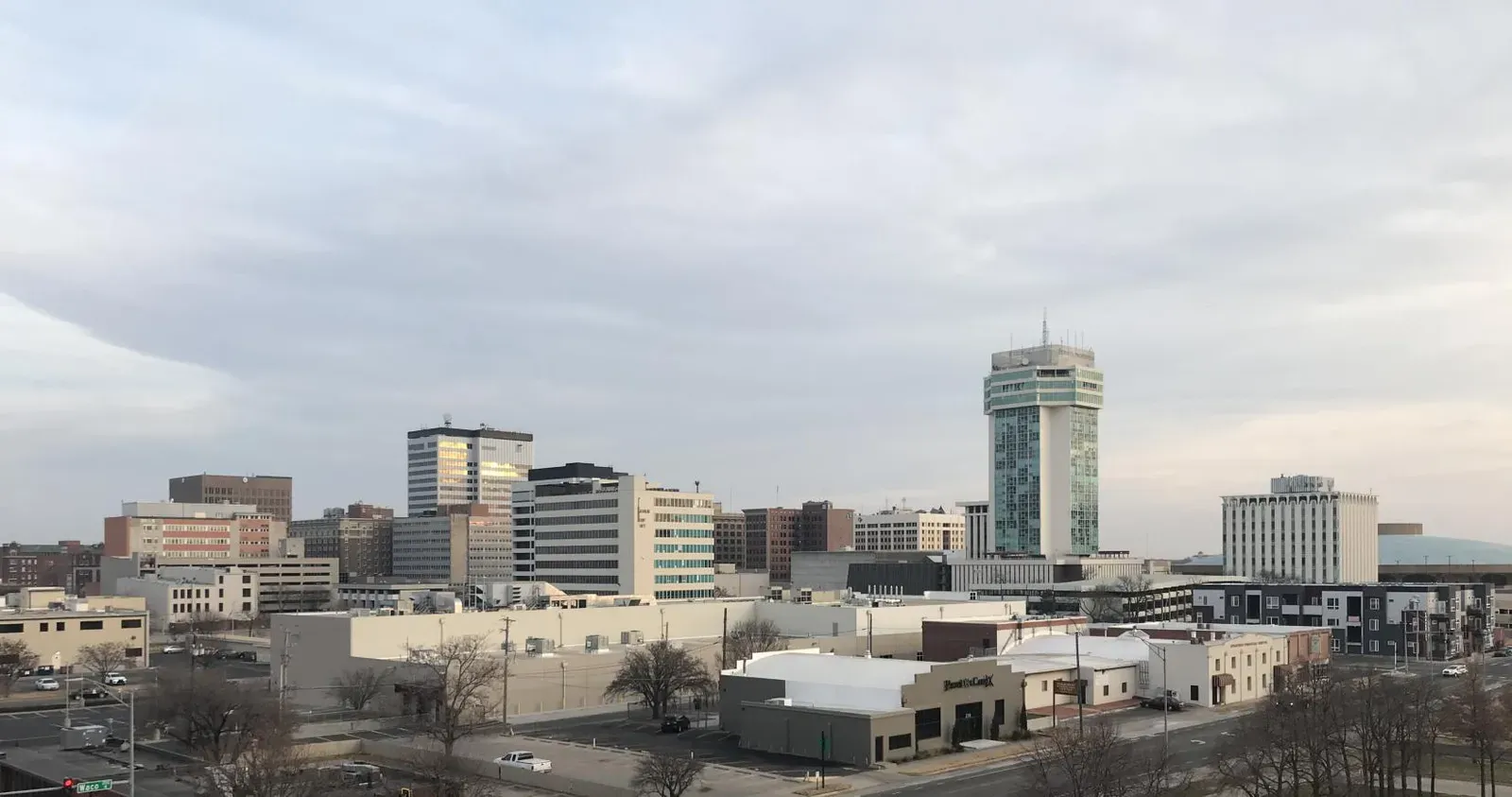
Before Boise’s surprise ascent, the Southern Plains ruled the allergy rankings for years, and it’s still not a comfortable place to breathe if you’re pollen-sensitive. For three years running, Wichita, Kansas took the top spot due to its higher-than-average tree and grass pollen, higher-than-average medicine use, and limited access to allergy specialists. Oklahoma City and Tulsa have consistently ranked in the top five nationally as well, forming a tight cluster of extreme pollen conditions across the region.
Even as Wichita slipped down the 2026 rankings, the underlying pollen load in this stretch of the country hasn’t disappeared. Wichita is now ranked much lower, scoring better-than-average in terms of all pollen this year, though that’s a relative shift rather than a dramatic improvement. The wide-open plains geography means grass and weed pollen travel long distances with little to block them, which keeps counts elevated across huge swaths of Kansas and Oklahoma for much of the growing season.
3. The Gulf Coast and Lower Mississippi Valley
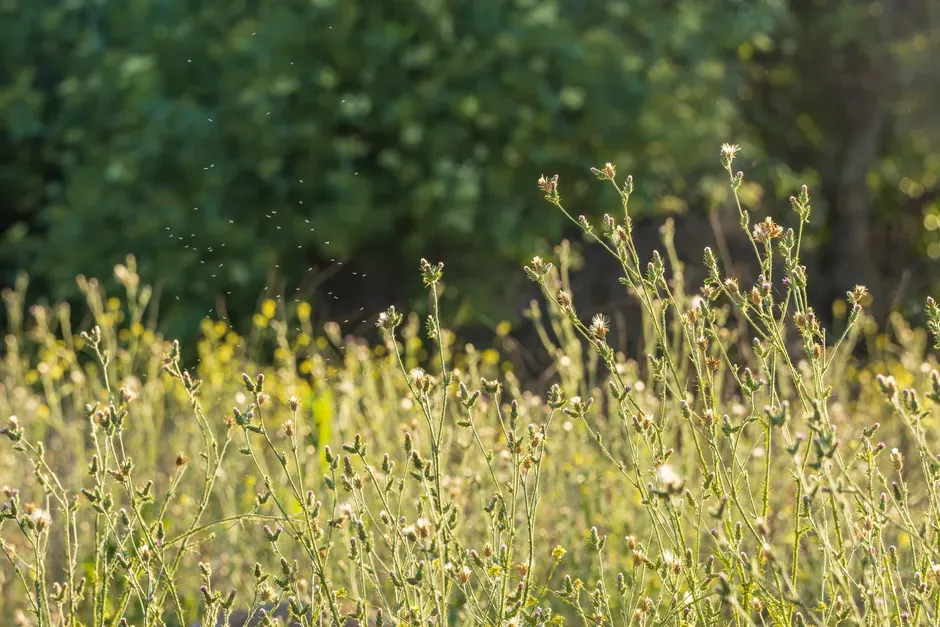
Humidity and heat make the Gulf Coast a near-perfect incubator for pollen-producing vegetation, and New Orleans has become one of the starkest examples of how fast conditions can deteriorate. New Orleans, which ranked 34th the year before, jumped all the way to second place due to a surge in weed pollen. That surge was likely tied to moisture from Hurricane Francine, which made landfall in September. It’s a textbook case of how a single extreme weather event can reshape an entire region’s allergy season almost overnight.
Louisiana isn’t alone in this corridor. Baton Rouge has also landed consistently among the toughest cities for allergy sufferers, and the broader Gulf Coast tends to see prolonged ragweed and weed pollen seasons. It may be an extended year for ragweed around the southern Plains and part of the Gulf Coast due to an uptick in tropical moisture. Allergists in the region often note that storm season and pollen season now overlap in ways that compound symptoms for local residents.
4. The Carolinas and Mid-Atlantic Southeast
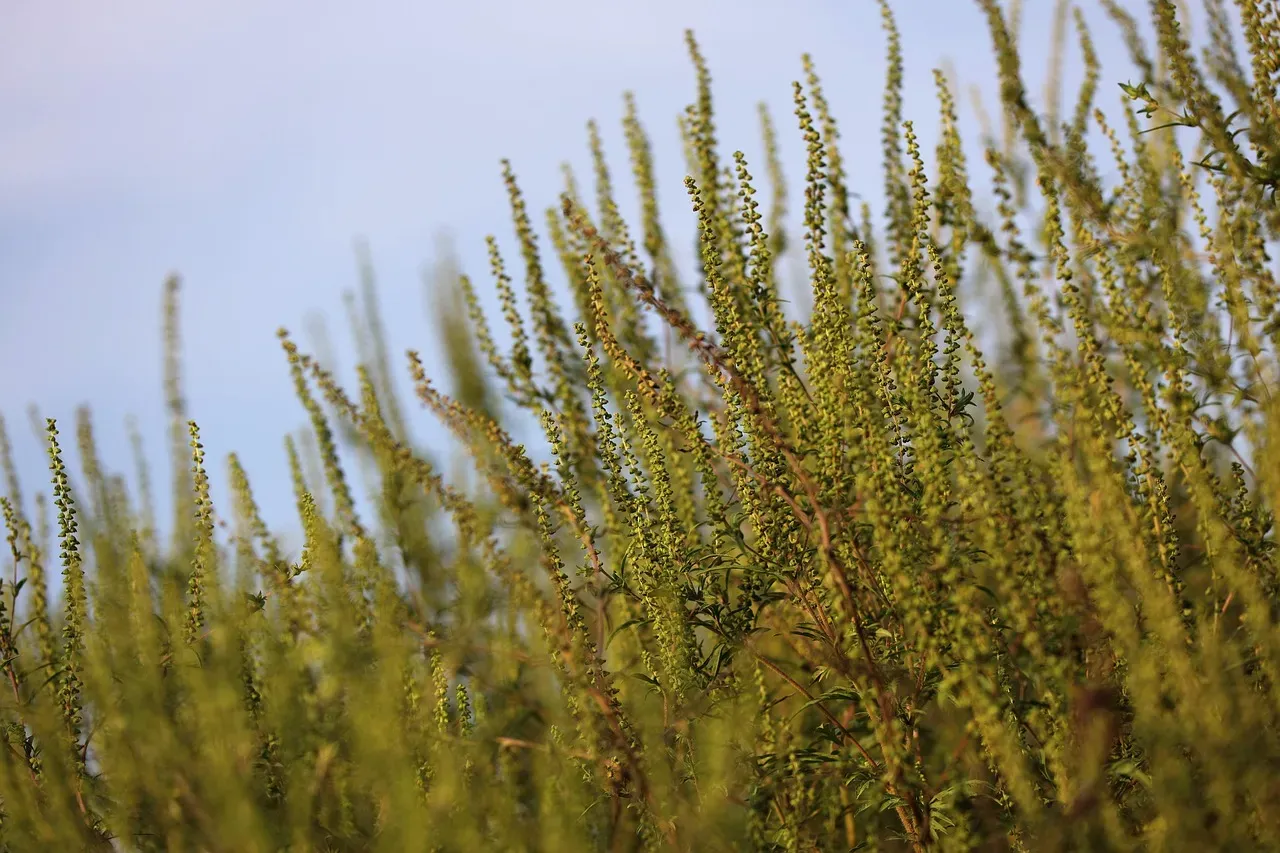
The traditional Southeast allergy belt hasn’t gone away, even as western cities grab headlines. Raleigh, Greenville, Winston-Salem, and Richmond have all remained fixtures near the top of the national rankings year after year. Cities in the Southeast tend to have warmer, more humid climates that support pollen production, and that combination of moisture and mild winters means the tree pollen season here often starts earlier than almost anywhere else in the country.
Coastal Carolina communities face an added layer of trouble from ragweed later in the year. It may be an extended year for ragweed in the coastal Carolinas due to an uptick in tropical moisture. That means residents here often deal with a brutal one-two combination: an early, intense tree pollen season in spring followed by a stretched-out weed pollen season well into autumn, leaving very little relief in between.
5. The Pacific Coast (California, Washington)
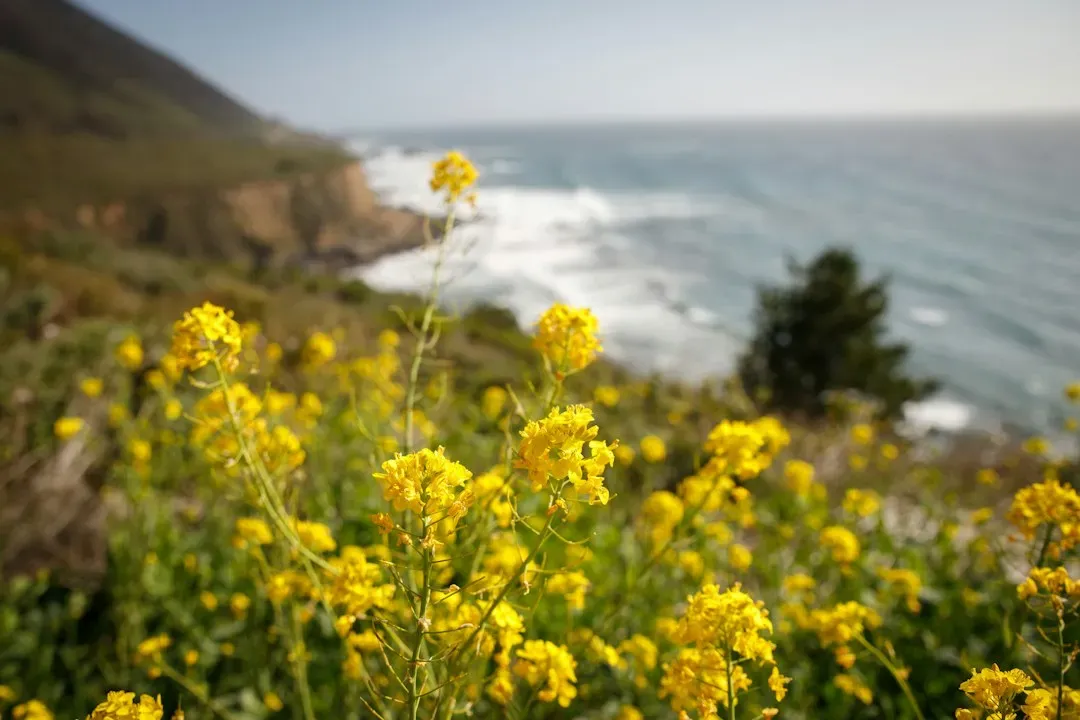
California’s inclusion among extreme pollen regions surprises a lot of people who associate the state with ocean breezes and mild weather, but the data tells a different story. San Diego and San Francisco both landed among the top 20 worst places to live with pollen allergies in the 2026 rankings. The culprit tracks back to an unusually wet stretch of California weather. The increased pollen counts may be due to an abundance of atmospheric rivers that particularly impacted Central and Southern California but brought much of the state to near or above normal precipitation levels.
Further north, Spokane, Washington joined the list as well, reflecting a broader pattern across the Pacific Northwest. In late 2024, Western states had several strong storms, including a bomb cyclone and powerful atmospheric rivers, and these storms brought intense rainfall that impacted the spring growing season and pollen release in 2025. Allergists note that heavier-than-normal rain seasons tend to fuel explosive grass growth once things dry out and warm up, which is exactly the setup that has pushed Pacific Coast cities into extreme territory.
6. The Upper Midwest and Great Lakes
Rochester, New York, Minneapolis, and Toledo might not be the first cities that come to mind when people think about brutal allergy seasons, but all three cracked the 2026 top 20 worst list. This region has historically been considered relatively mild for allergy sufferers thanks to its shorter growing season and cooler climate, which makes its sudden appearance near the top of the rankings especially notable to allergists tracking long-term trends.
Part of the shift ties back to warming winters that let trees and grasses start producing pollen weeks earlier than they used to. Warmer temperatures linked to climate change are allowing plants to start growing earlier and produce more highly allergenic pollen, while extreme weather events can further increase pollen production or prolong pollen seasons. For Great Lakes residents, that means a pollen season that increasingly resembles what Southern states have dealt with for years, just arriving a bit later on the calendar.
What ties all six of these regions together isn’t geography so much as a shared exposure to shifting weather extremes. Whether it’s atmospheric rivers soaking California, hurricane moisture fueling ragweed in Louisiana, or warming winters waking up trees earlier in the Great Lakes, the underlying driver keeps pointing back to a changing climate. For the more than 106 million people in the United States who live with allergies and/or asthma, these trends can significantly affect quality of life. If your region made this list, the practical takeaway is straightforward: track local pollen forecasts closely, talk to an allergist about starting medication earlier than you normally would, and don’t assume last year’s mild season means this year will follow the same pattern.
