

Spring doesn’t arrive on a fixed date, and it never really did. Still, across much of the Northern Hemisphere the season’s markers, such as leaf-out, flowering and the return of migrating birds, are drifting earlier in the calendar. Scientists call the study of these seasonal events phenology, and it has become one of the clearest ways to see warming at work in ordinary life.
The interesting part isn’t that everything moves earlier. It’s that different species move at different speeds. When plants, insects and birds fall out of step, the effects can ripple through whole food webs. Here’s what recent research says, and where the evidence is still unsettled.
Why Spring Timing Is Such a Sensitive Climate Signal
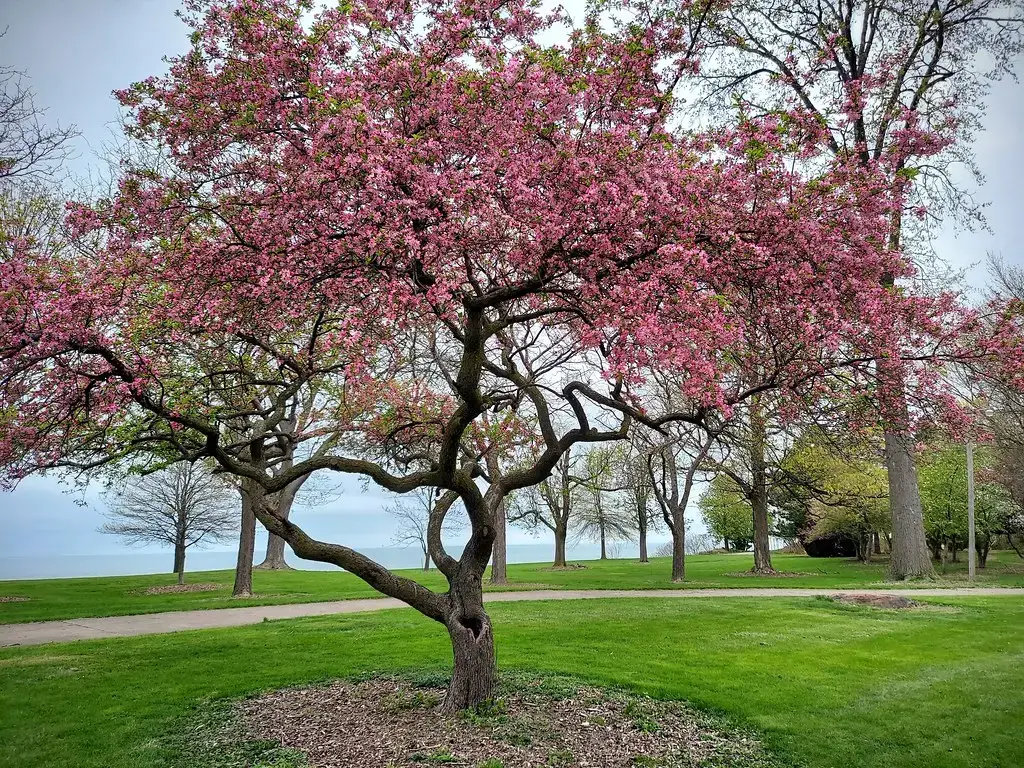
Many plants time their buds and flowers to accumulated warmth, so a warmer late winter or early spring can pull those events forward. Birds and insects respond to their own cues, including temperature, food availability and, for many birds, day length. Because each group reads a different signal, a warming climate can shift them by different amounts.
That’s why phenology is more than a curiosity. A change in one species’ timing matters mostly in relation to the species it depends on. Researchers often frame this as a question of synchrony: does the bird still arrive when the food does?
Birds Are Arriving Earlier, but Not Dramatically
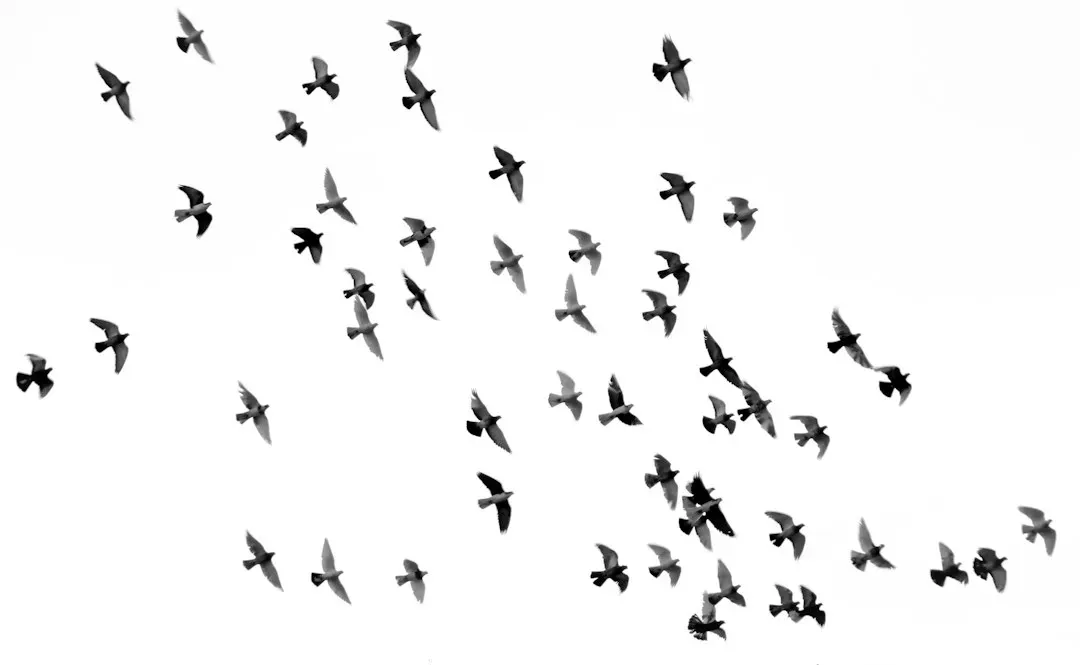
A 2025 study in Ecology looked at long-term radar-based migration patterns. It found that spring passage dates advanced significantly, by roughly 0.6 days per decade. That’s a modest shift, and it’s a useful reminder that average changes can look small even when they matter biologically.
Other work points the same way. A review of Mediterranean stopover data notes that spring migration is shifting toward earlier dates in many bird species, though the pattern isn’t the same for all species, populations, sexes and age classes. In short, earlier is the general direction, but the pace varies a lot.
Do Birds Really Keep Pace With Green-Up?
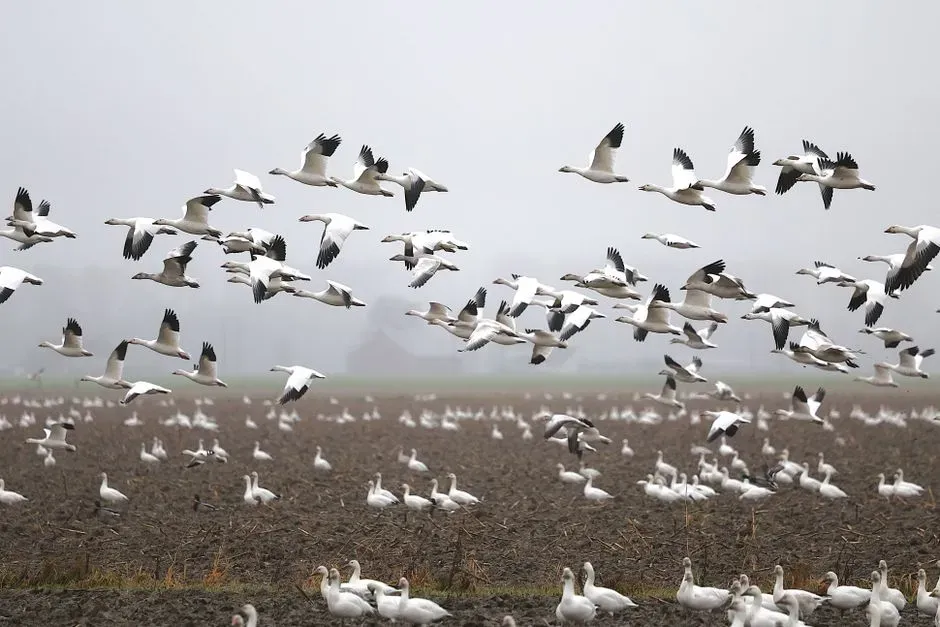
Earlier arrival doesn’t automatically mean birds are keeping up. In the same Ecology study, long-term adjustments in migration timing did not reduce birds’ exposure to changing environmental conditions. Put simply, birds are moving earlier, but the environment is changing too, so they still meet different conditions than their predecessors did.
The results were mixed by migration stage. Temperatures on the dates when the earliest migrants passed increased, while the middle and late portions of the migration passed closer to green-up. That suggests some birds are tracking spring better than others, depending on when in the season they travel.
The Mismatch Worry
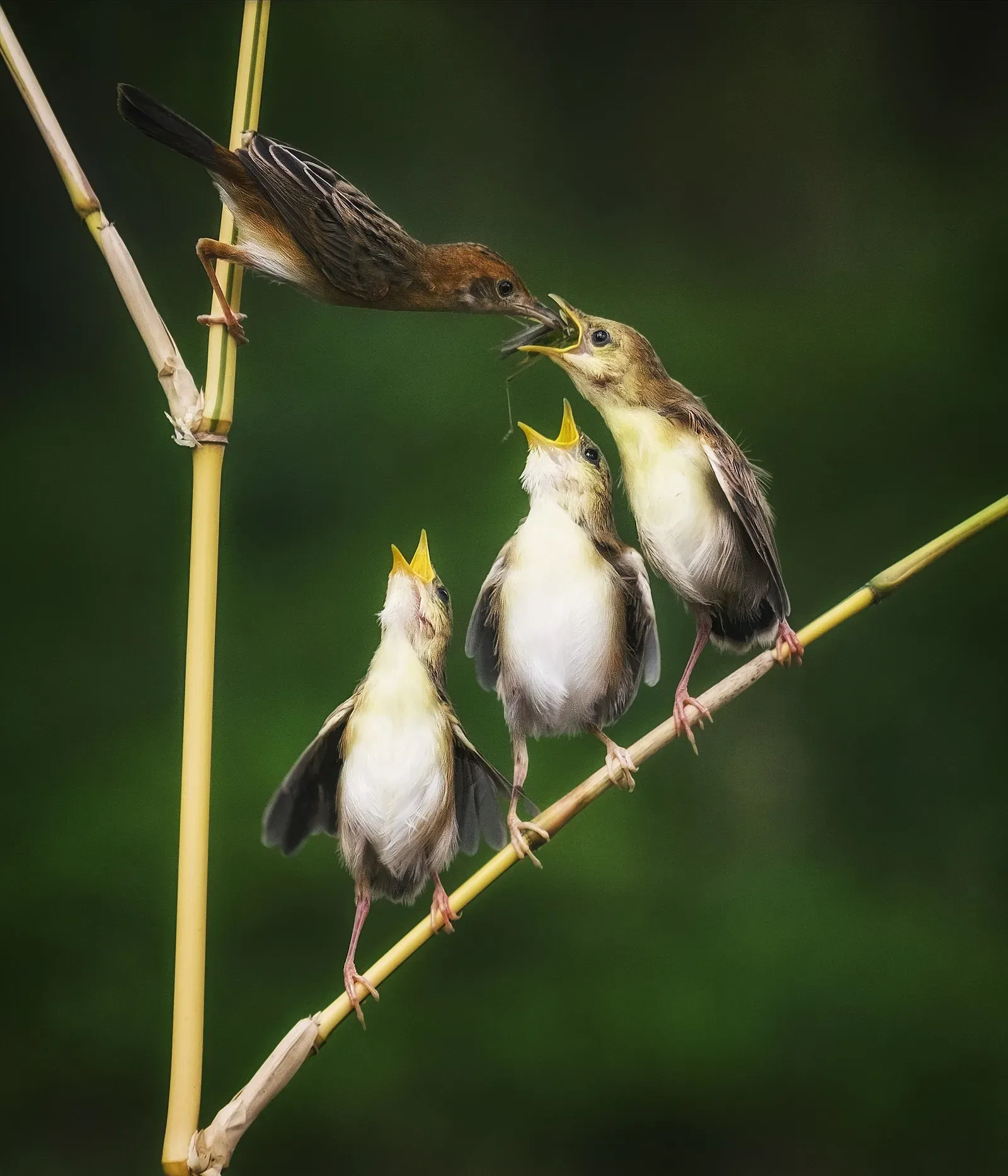
The concern researchers keep returning to is phenological mismatch. Climate change is broadly altering species’ phenology, and asynchrony between birds and their breeding resources can sharply decrease productivity. If chicks hatch after the peak of insect abundance, for example, parents may struggle to feed them.
A recent PNAS study, covered by Audubon, suggested that a wide range of species may already be falling behind. I’d read that as a warning about risk rather than a verdict on every species, since results differ by region, species and the way timing is measured.
Why Some Species Adjust and Others Don’t
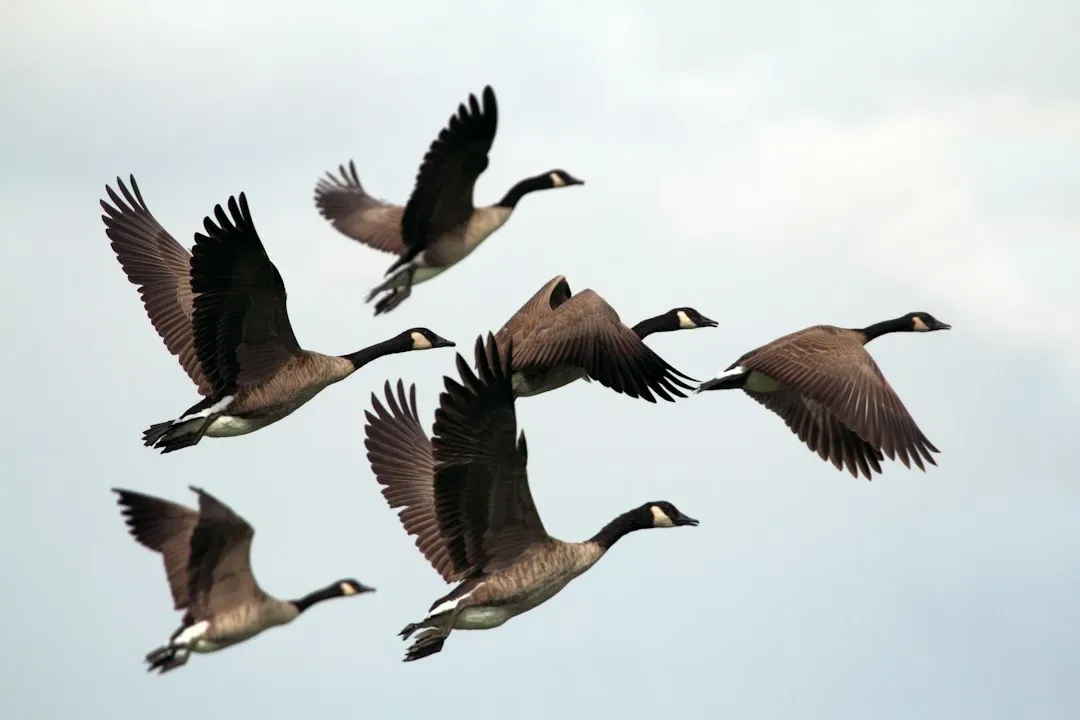
Distance seems to matter. A study of Italian stopover data found that advancement of spring passage was more pronounced in short-distance migrants wintering in northern Africa and in species wintering in the Sahel. Birds that winter far away may have less information about conditions on their breeding grounds.
Conditions along the whole route count as well. Research on the prothonotary warbler notes that it’s poorly understood why some species haven’t altered their spring migration timing, and it examines how conditions across the full annual cycle, from wintering grounds to stopovers, shape arrival dates. A bird can’t easily sense spring thousands of kilometers away.
Not Every Region Responds the Same Way
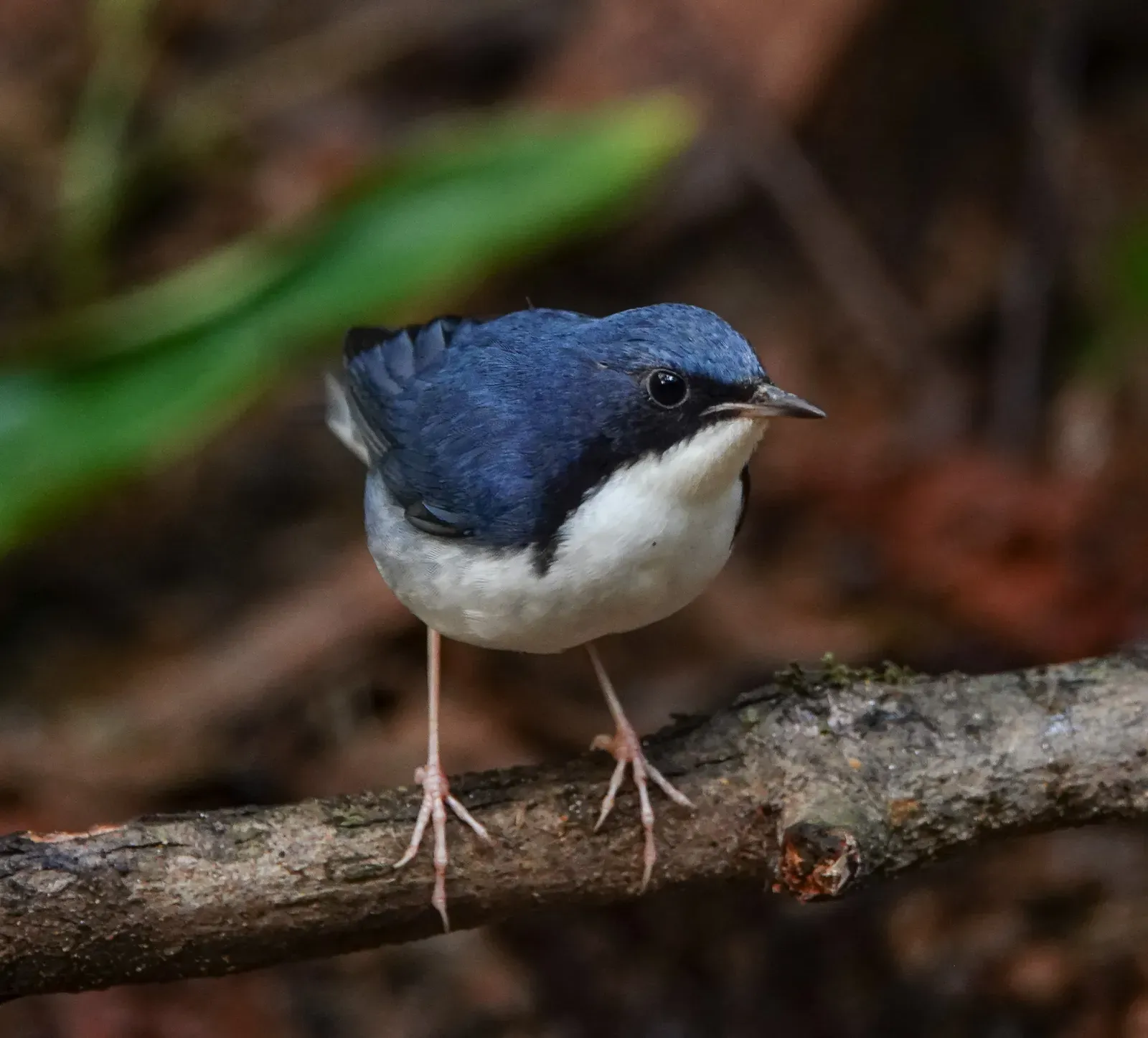
Local climate shapes the response. In Central Siberia, a long-running dataset of first arrival dates for 145 species showed significant warming, yet arrival dates shifted only slightly earlier, by about 0.86 days per decade. The authors attribute the smaller response in part to a strongly continental climate in which spring temperatures rise steeply, about one degree in three days.
The same study notes that information on climate influence comes almost exclusively from the marginal parts of the continents. So broad statements about bird timing should be held loosely, because the interior of big landmasses has been studied less.
Measuring Timing Is Harder Than It Sounds
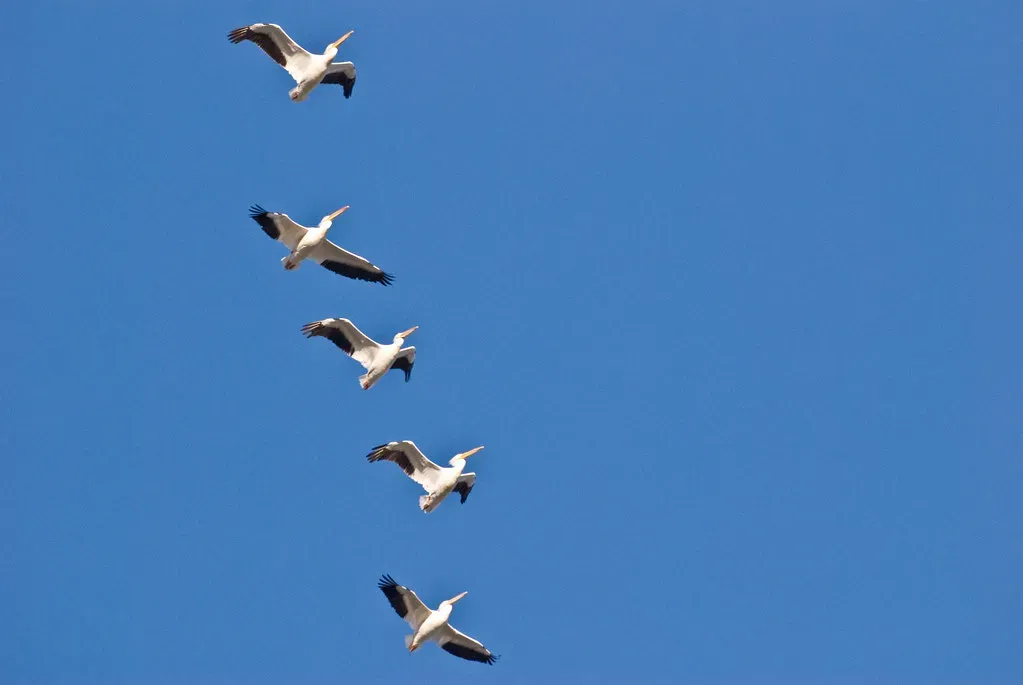
Results depend on what you count. First arrival dates are easy to record but can be skewed by a single early bird or by how many observers are out looking. A Japanese community-science analysis points out that earlier departures do not necessarily result in earlier arrivals at breeding sites.
Tracking studies add nuance. Birds can modulate arrival at breeding sites by adjusting the number of days spent at stopovers, which makes change harder to detect close to the nesting grounds. Citizen science and satellites now let researchers compare bird arrival with vegetation green-up directly, which is helping to sharpen these comparisons.
What Gardeners and Birdwatchers Can Do
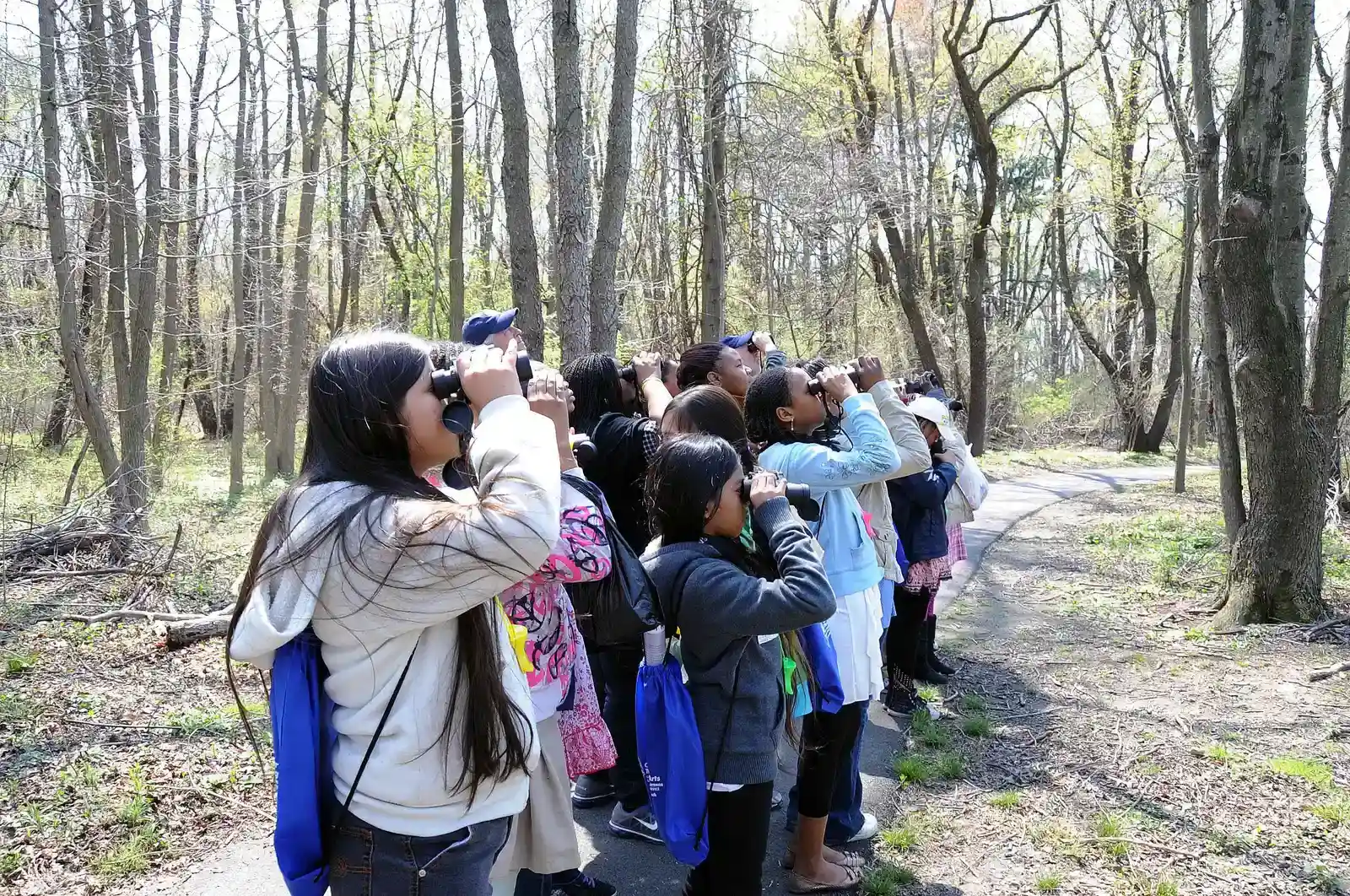
You don’t need a lab to contribute. Logging sightings on platforms like eBird, which supplied the data for several of the studies above, helps scientists build the long records that make phenology research possible. Noting your own first bloom or first warbler of the year, year after year, adds to that picture.
Habitat matters too. Keeping stopover areas green, planting native species that support insects, and reducing hazards like window collisions won’t stop climate change. Still, they can give migrants a little more resilience while they adapt.
Conclusion
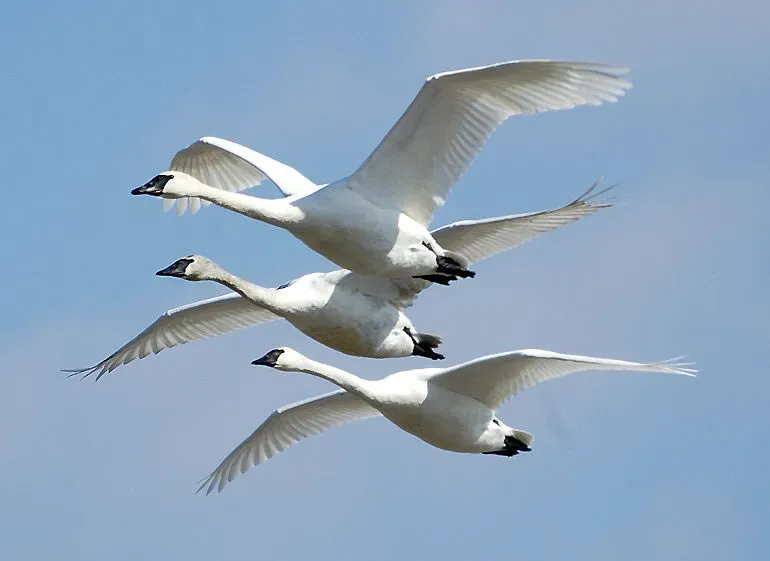
The evidence is consistent on direction: spring events are shifting earlier, and many migratory birds are following, if slowly. It’s less consistent on whether they’re following fast enough, and the answer varies by species, route and region. That uncertainty is part of the story, not a gap in it.
Spring has always been a negotiation between weather, plants and animals. Warming is changing the terms, and the birds that return each year are quietly showing us how well they can renegotiate.

- Blue whales vanish from the Galápagos, and scientists suspect El Niño - November 11, 2026
- 8 Famous Battles That Were Decided by the Weather - November 11, 2026
- Black Sunday 1935: 9 Photos From the Worst Dust Storm of the Dust Bowl Era - November 11, 2026
