


- Real Estate Analysts Just Changed Their Mind About the Safest Places to Buy – Here’s Why - November 12, 2026
- Black Holes Firing Beams at Near-Light Speed – 5 Cosmic Engines Warping Spacetime - November 12, 2026
- Silent Rogue Worlds Drifting in Total Dark – 6 Planets Ejected From Their Star Systems - November 12, 2026
When people hear that the planet has warmed by roughly 1.2 degrees Celsius since pre-industrial times, they usually picture hotter afternoons. The record is more complicated than that. Over much of the land surface, the coolest part of the day has been warming faster than the hottest part.
This pattern has a name, asymmetric warming. It has real consequences for human health, cities and ecosystems. It is also not uniform. Some recent studies suggest the trend has weakened or even reversed in certain regions and periods, so the details matter.
What Scientists Mean by Asymmetric Warming

Weather stations record two numbers every day, the maximum temperature and the minimum temperature. The minimum almost always occurs at night or around dawn. The gap between the two is called the diurnal temperature range, or DTR.
Researchers describe asymmetric warming as a situation in which day and night temperatures rise at different rates. A review aimed at health researchers notes that the widespread decline in DTR that emerged in the mid-20th century has been attributed mainly to faster increases in minimum temperature than in maximum temperature. In plain terms, the day-to-night swing has narrowed.
What the Long-Term Records Show
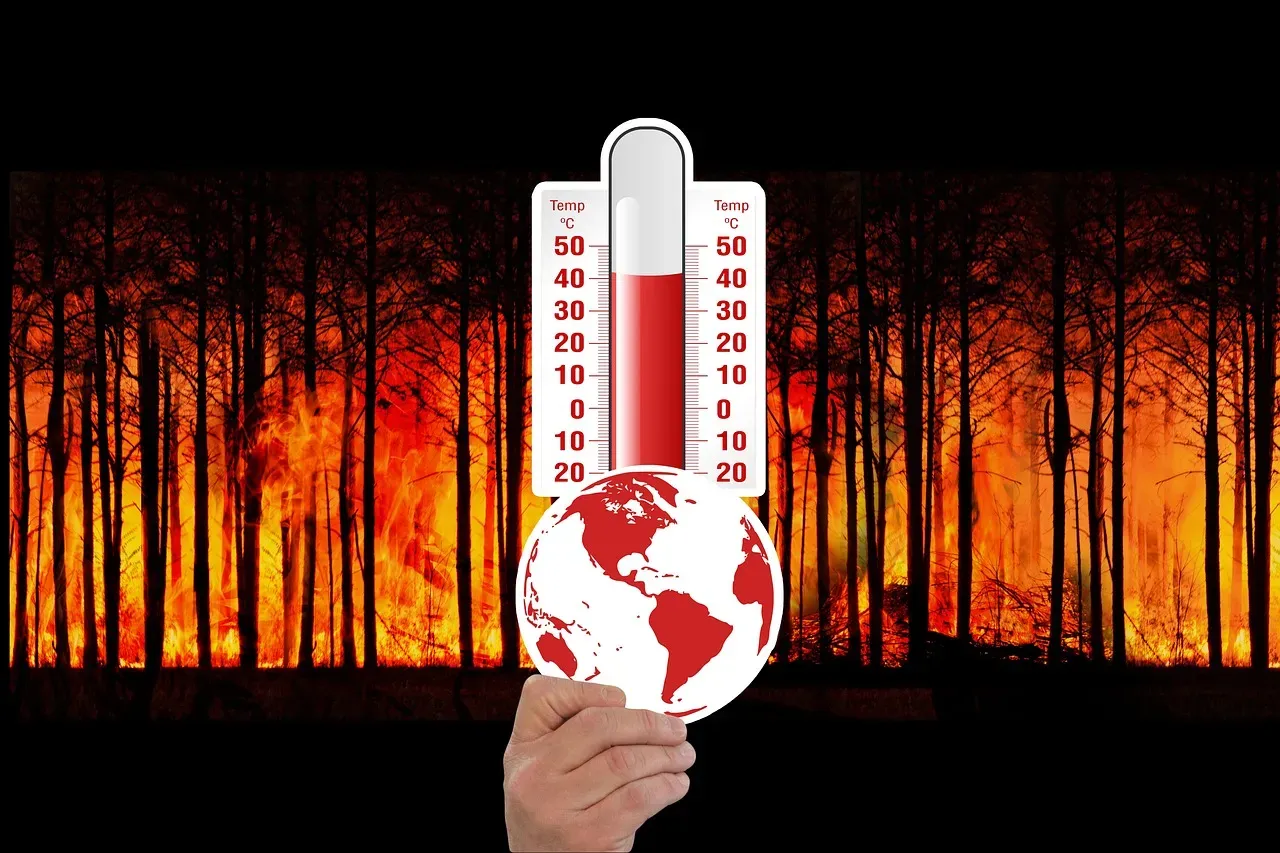
One of the best-known early analyses used data from more than 2,000 weather stations worldwide. It found that minimum temperatures had warmed by 1.4°F between 1951 and 1990, while maximum temperatures had warmed by 0.5°F. That was a clear gap, and it helped establish the idea.
A later summary of global land data says over roughly five decades, daily minimum temperatures increased about 40 percent faster than daily maximum temperatures. In the United States, the Fourth National Climate Assessment found average minimum and maximum temperatures are 1.4°F and 1.1°F warmer than in the first half of the 20th century. The gap there is smaller, which shows that the size of the effect varies by place.
Clouds: A Blanket at Night, a Shade by Day

Clouds play a double role. During the day, they reflect the Sun’s heat back to space and cool things down. At night, they absorb and re-emit heat rising from Earth, which warms the surface. Any change in cloud cover can therefore shift day and night temperatures differently.
Scientists have also linked the trend to a wetter atmosphere. Increasing cloud cover from a moister atmosphere constrains how fast the air cools overnight. That means nights lose less heat than they once did.
Greenhouse Gases and Humidity

Greenhouse gases trap outgoing heat around the clock, but their effect is easiest to see after sunset, when the Sun is no longer adding energy. Some analyses argue that rising CO2 raises night-time temperatures more than midday temperatures. Note that this source is a blog, so treat it as an explanation rather than a definitive result.
Humidity adds to the effect. The health-research primer explains that as the planet warms and more moisture enters the air, dew point temperatures rise, and on calm, clear nights the dew point is a good proxy for the minimum temperature. Its analysis also found that declines in DTR are associated with increasingly humid conditions, especially in summer and autumn.
Cities Hold On to Heat
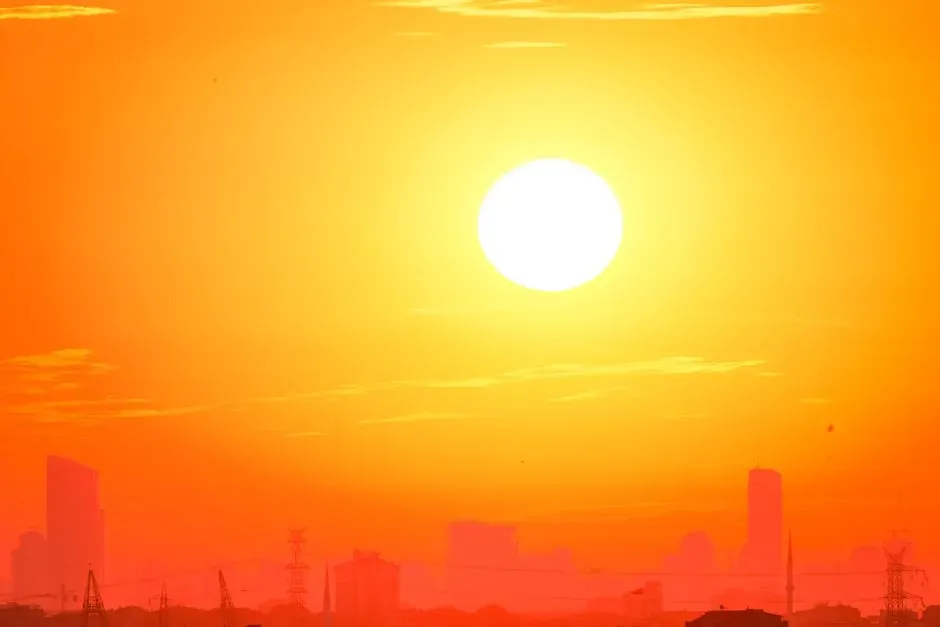
Urban areas amplify warm nights. Buildings and other structures absorb daytime heat and release it at night, which station-based studies show raises minimum temperatures and reduces DTR. Pavement and concrete are good at storing heat, and cities often have fewer trees to provide shade.
The Union of Concerned Scientists notes that this re-radiated heat can keep urban air up to 22°F warmer than the surroundings. That is an upper figure, not a typical one. Still, it explains why city residents often feel the lack of overnight relief first.
Aerosols Complicate the Picture
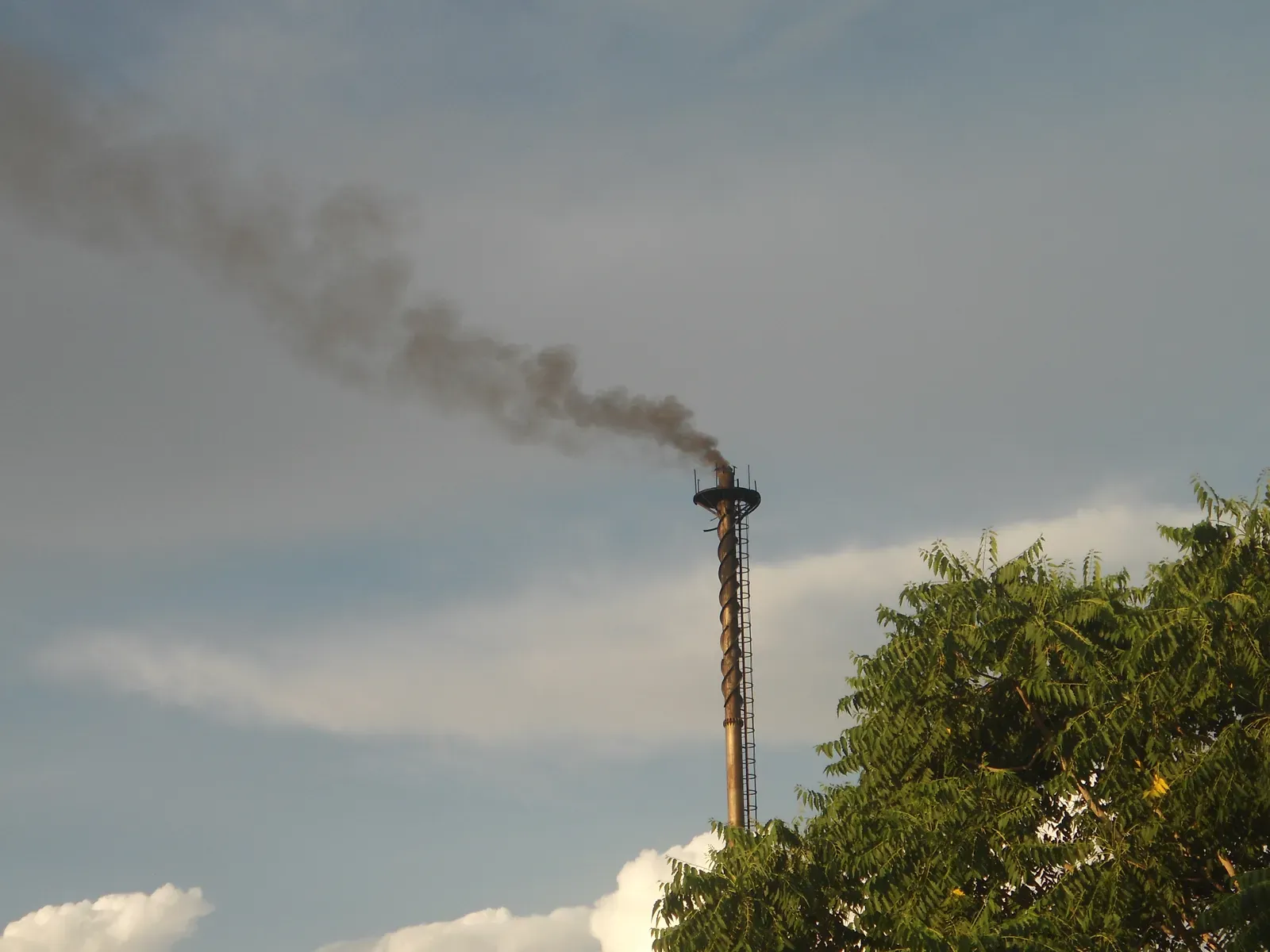
Tiny airborne particles from pollution can block sunlight and cool daytime temperatures. When those particles decline, days can warm more quickly. A 2025 study in Europe used causal inference and identified aerosols as a driver of European DTR change since 1940.
The authors report that since the 1980s, European DTR has increased by about 0.5 K because falling aerosol emissions led to cooler nights relative to days. So cleaner air has partly worked against the night-warming trend in that region. It is a good example of why local factors matter.
Evidence That the Trend Is Shifting
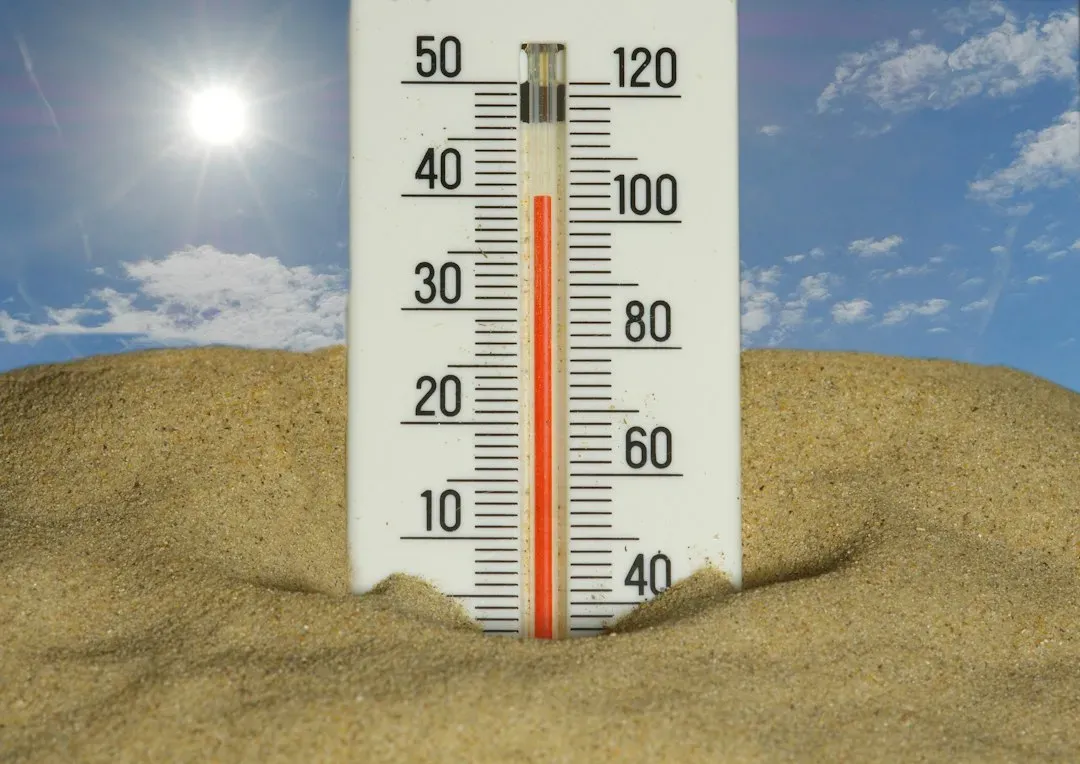
Not every study finds nights still pulling ahead. A 2023 paper in Nature Communications reported a substantial increase in the warming rate of daily maximum temperatures while minimum temperatures stayed relatively stable, reversing the trend and widening the diurnal range in recent decades. The authors attribute this to a widespread reduction in cloud cover, which has increased solar irradiance at the surface.
This doesn’t erase the long-term record. It suggests the balance between day and night warming can change with cloud trends, aerosols and regional conditions. It also explains why the headline’s wording, “in many regions,” is the careful way to put it.
Why Warm Nights Matter for Health

The Union of Concerned Scientists points out that warm nights deprive our bodies and minds of the chance to cool off, which has health consequences. Heat waves are most dangerous when overnight temperatures stay high, because people without air conditioning get little recovery time. Older adults and people with chronic conditions are especially at risk.
The same group says climate change is making a given warm overnight low as much as five times more likely across large parts of the southwestern US. Projections point the same way. A widely cited study found that under a high-emissions scenario, US nighttime temperatures would warm by roughly 4 to 5°F by midcentury. These are model results, not certainties, and they depend on future emissions.
Conclusion: A Pattern Worth Watching

Nights have warmed faster than days across much of the land surface because of clouds, humidity, greenhouse gases and urban heat. Aerosols and changing cloud cover can push the pattern in the other direction, and recent research shows that the picture isn’t fixed.
The practical lesson is that average temperature figures hide a lot. Whether the coming years bring more cooling relief at night or less will depend on local conditions and on emissions, and that is where the science is still being refined.
