

The insurance bill that no longer made sense
The first real crack in our confidence showed up in an envelope from our flood insurance carrier. We knew rates had been climbing for years under FEMA’s Risk Rating 2.0 system, but seeing the actual number on paper was different from reading about it. The National Flood Insurance Program had been increasing rates by up to 18 percent per year for primary residences until each policy reaches full-risk pricing.
What made it worse was realizing this wasn’t a one-time correction we could just absorb and move past. This is not a one-time hike, it’s a multi-year climb, and you’re only halfway up. Our agent told us plainly that if our property sat near the coast in a high-risk zone, this increase could mean thousands more over the next few years. That’s when the spreadsheet came out and the conversation with my spouse got serious.
Watching the flood maps redraw our neighborhood
Around the same time, FEMA started rolling out updated flood maps for our region, and entire streets that had never been considered high risk suddenly were. We learned the hard way that a designation can change without much warning, and that it can drag your mortgage requirements along with it. The flood zone you were in last year may not be the one you are in next year, and FEMA is rolling out updated maps for entire counties, with thousands of homes affected.
What stung most was the domino effect. If your property gets reclassified into a higher risk zone, your lender will require flood insurance, whether you had it last year or not. A few of our neighbors got that letter and had thirty days to find coverage they’d never budgeted for. Watching that scramble play out on our own street made the risk feel less theoretical and a lot more personal.
The storms felt closer every single year
We didn’t need a spreadsheet to tell us the weather had shifted, though the data backed up what we were already feeling. The 2024 Atlantic hurricane season was brutal by almost any measure, with eighteen named storms and eleven hurricanes producing what became the third-costliest tropical cyclone season on record, totaling roughly one hundred thirty one billion dollars in damage. Hurricane Milton alone that year reached sustained winds of one hundred eighty miles per hour before making landfall.
The following year offered a strange kind of relief mixed with a reminder of what’s possible. For the first time in a decade, not a single hurricane struck the United States that season, which was described as a much needed break. Still, a tropical storm caused damage and casualties in the Carolinas, while distant hurricanes created rough ocean waters that caused property damage along the East Coast. That season also produced Hurricane Melissa, tied as the strongest Atlantic hurricane on record by sustained winds, a reminder that even a “quiet” year for the mainland can still be historic for the region as a whole.
Doing the math on sea level rise

At some point I stopped reading hurricane headlines and started digging into the slower, less dramatic threat: the water itself simply rising. NOAA-led research updating sea level rise projections for the United States found that sea levels along the coastline will rise an additional 10 to 12 inches by 2050, with specific amounts varying regionally. That’s not a hypothetical century away. That’s within our kids’ adult lifetimes, and likely within our own.
What really got my attention was the historical comparison researchers used to frame it. NASA, NOAA, USGS, and other federal agencies project that the rise in ocean height over the next thirty years could equal the total rise seen over the past hundred years. Regionally, our stretch of coastline sits in a zone where relative sea level rise projections range from roughly 0.40 to 0.45 meters along the East Coast by 2050 compared to the year 2000. Converted into plain English, that’s over a foot of higher baseline water before you even factor in storm surge on top of it.
The neighbors who left before us

We weren’t the first family on our street to have this conversation, and we definitely won’t be the last. Researchers who study this exact pattern describe it carefully, noting that the decision to migrate is a complex process that weighs a variety of factors, and climate related risks play only a small role in that process for most households. In our case, it wasn’t purely about climate. It was climate risk multiplying every other financial pressure we already had.
A national survey captured something close to what we were feeling ourselves. In a recent national survey, nearly one in three Americans cited climate change as a motivation to move. That statistic didn’t surprise me once I started paying attention to how many “for sale” signs went up on our block over eighteen months. People weren’t announcing why they were leaving. They just quietly left.
Weighing the emotional cost against the practical one

Leaving a place you love isn’t a spreadsheet decision, even when the spreadsheet is screaming at you. Our kids had grown up hearing the ocean at night. Our friends were a five-minute walk away. None of that shows up on an insurance quote, and it took us longer than it should have to admit that emotional cost matters just as much as the financial one.
What tipped the scale, eventually, was realizing that staying wasn’t really “staying” in any stable sense. It was committing to a future of annual rate hikes, shifting flood zones, and storm seasons that could turn severe with little warning, as the historical record from 2024 alone demonstrated. We weren’t choosing between risk and no risk. We were choosing between a known, worsening risk and the discomfort of starting over somewhere else.
Finding a place inland that still felt like home
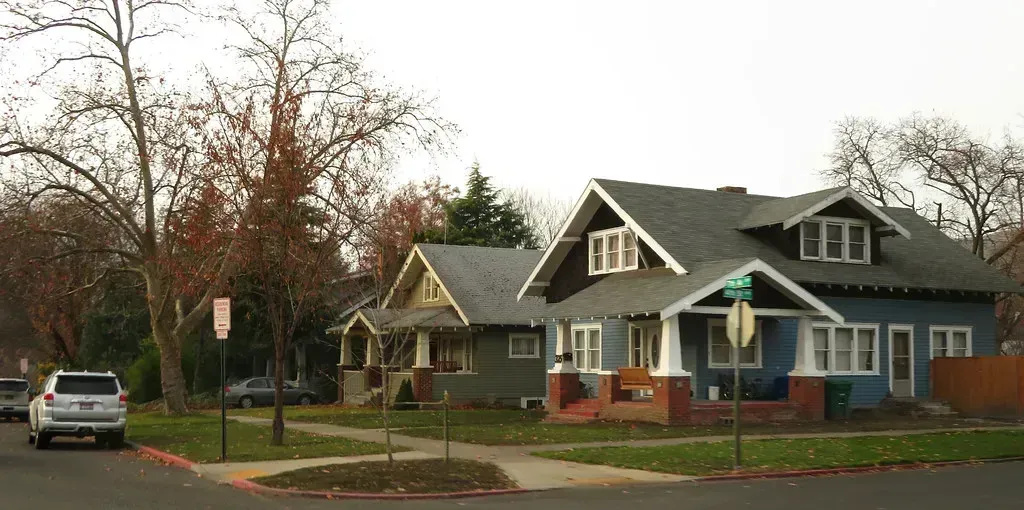
Once we committed to the idea, the search for where to go became its own project. We wanted somewhere with real seasons, reasonable property taxes, and enough distance from any coastline that flood insurance wouldn’t even be part of the conversation. We also wanted a community, not just a house, which ruled out a few towns that looked great on paper but felt hollow in person.
We ended up choosing a mid-sized inland town with a slower pace and a genuinely lower cost of living once you factored out the insurance premiums we’d been paying for years. It wasn’t glamorous. It also wasn’t a compromise we regretted, because the version of “home” we were chasing had less to do with proximity to water and more to do with peace of mind.
The move itself, and what surprised us
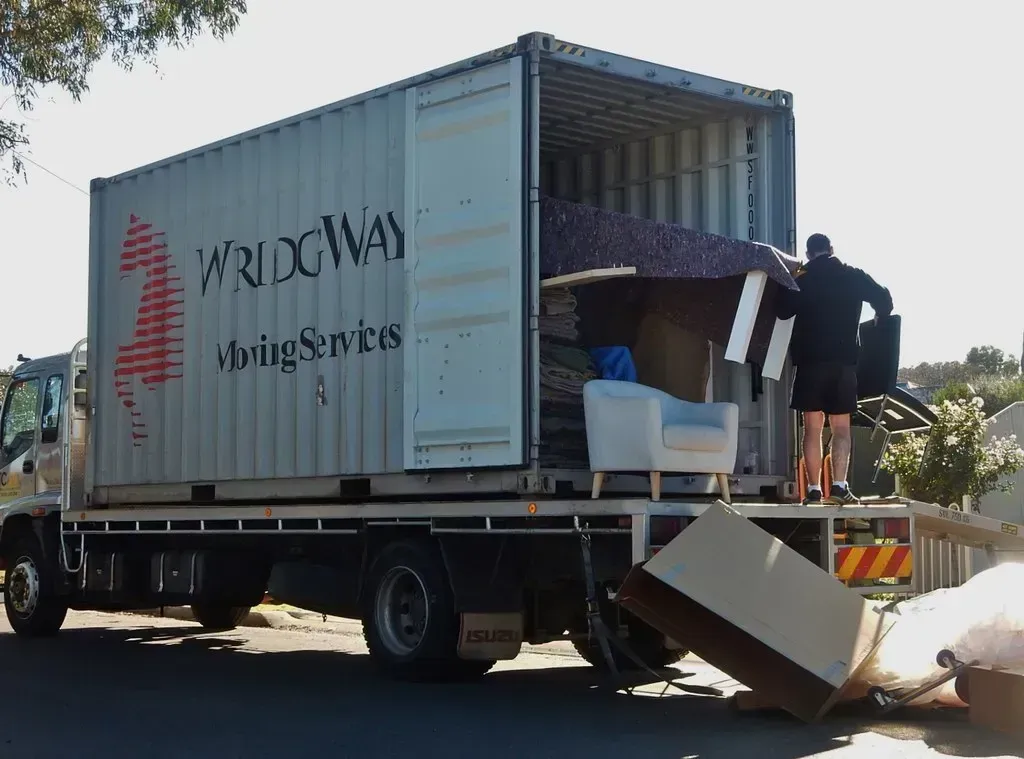
Moving a household of four across state lines is its own kind of chaos, and no amount of planning fully prepares you for it. What surprised me most wasn’t the logistics, though. It was how quickly the anxiety we didn’t realize we’d been carrying started to lift once we were settled somewhere that didn’t require checking storm tracking apps every August through November.
The other surprise was financial, and a welcome one. Homeowners insurance inland came in dramatically lower than anything we’d paid near the coast, and flood coverage simply wasn’t a line item anymore. Given that the national average for an NFIP policy has recently sat somewhere between $818 and $926 per year, or roughly $68 to $77 a month for coastal-adjacent homes, not having that expense at all felt like getting a modest raise every single year.
Life a year later, away from the water

It’s been a little over a year now, and the strangest part is how normal it all feels. We don’t check tide charts. We don’t flinch when a tropical wave forms off the coast of Africa in June. Our kids have new friends and a new school, and the ocean has become something we visit on vacation rather than something we worry about defending against.
We’re aware we’re fortunate. Plenty of families facing the same pressures don’t have the flexibility to just pick up and relocate, and researchers studying government buyout programs have found that most people who do move stay remarkably close to where they started. A Rice University report on government buyouts of flood-prone houses found that 58 percent of participating homeowners subsequently relocated within a 10-mile drive of their previous property, and nearly three-quarters remained inside a 20-mile radius. We went further than that, and for us, the distance itself was part of the point.
Final thoughts
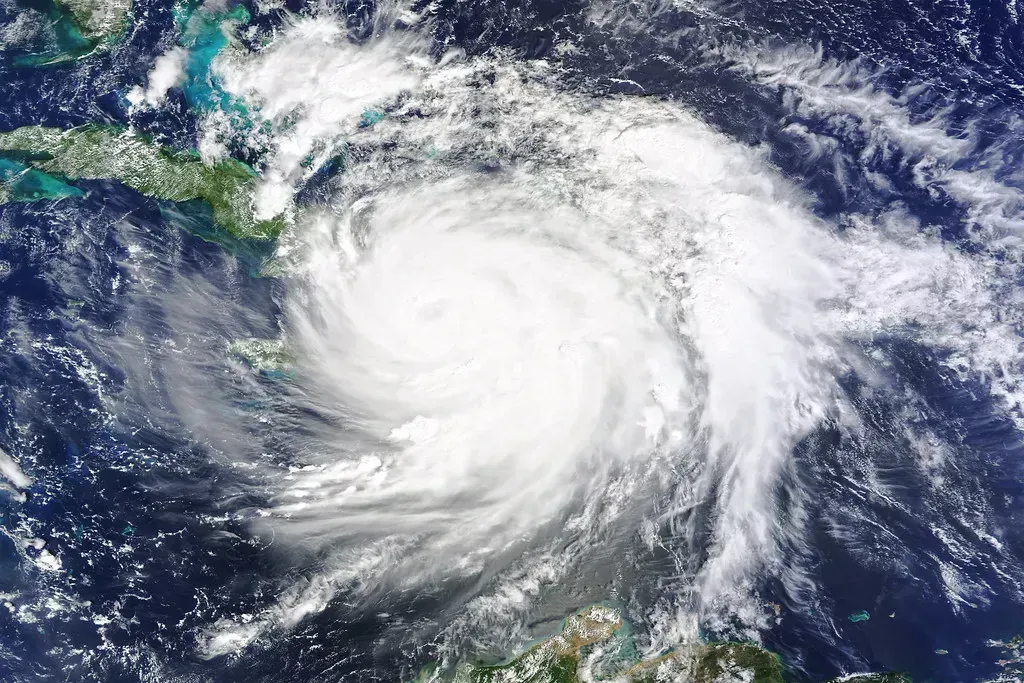
Looking back, no single letter or storm made the decision for us. It was the accumulation, the rate hikes stacking on top of the flood map changes, stacking on top of a hurricane season that kept us glued to weather forecasts every fall. Eventually all of it pointed the same direction, and we listened.
We don’t think everyone near the coast needs to pack up and leave. Plenty of people have good reasons to stay, and plenty of coastal communities are investing seriously in resilience. For our family, though, the numbers and the nights spent watching storm tracks finally told us the same story, and moving inland turned out to be less of a loss than we feared and more of a relief we didn’t expect.
