
Casper, Wyoming: wide open spaces and steady wind

Casper holds one of the more remarkable titles in American air quality right now. Casper de-throned Bangor, Maine, from the top spot and tied with Honolulu, Hawaii, for the cleanest city in the country based on year-round particle pollution. That’s a notable feat for a city of under 80,000 people, especially against a backdrop of national decline.
Much of the credit goes to geography rather than any single environmental program. The entire state of Wyoming benefits from a low population, limited industrial growth, and low manmade pollution, and Casper’s wide open spaces along with strong windy conditions help carry pollutants away from the area. Local officials have also pointed to those same wind patterns as a natural advantage over cities sitting in more stagnant valleys.
Honolulu, Hawaii: trade winds do the heavy lifting

Honolulu keeps showing up near the very top of national air quality rankings, and the data backs it up. According to the American Lung Association’s 2025 report, Honolulu recorded an annual average PM2.5 concentration of 3.4 micrograms per cubic meter, one of the lowest in the entire country. That’s well under the World Health Organization’s stricter guideline, let alone the U.S. federal standard.
The island setting plays an outsized role here. Tied with Casper for the city with the cleanest air in the U.S., Honolulu scores A grades for its clean air, sitting as a tropical paradise surrounded by ocean breezes and trade winds that help disperse pollution. There’s limited heavy industry on Oahu, and the constant airflow off the Pacific keeps particulates from ever building up the way they do in landlocked, traffic-heavy metros.
Bangor, Maine: the last city standing on every list
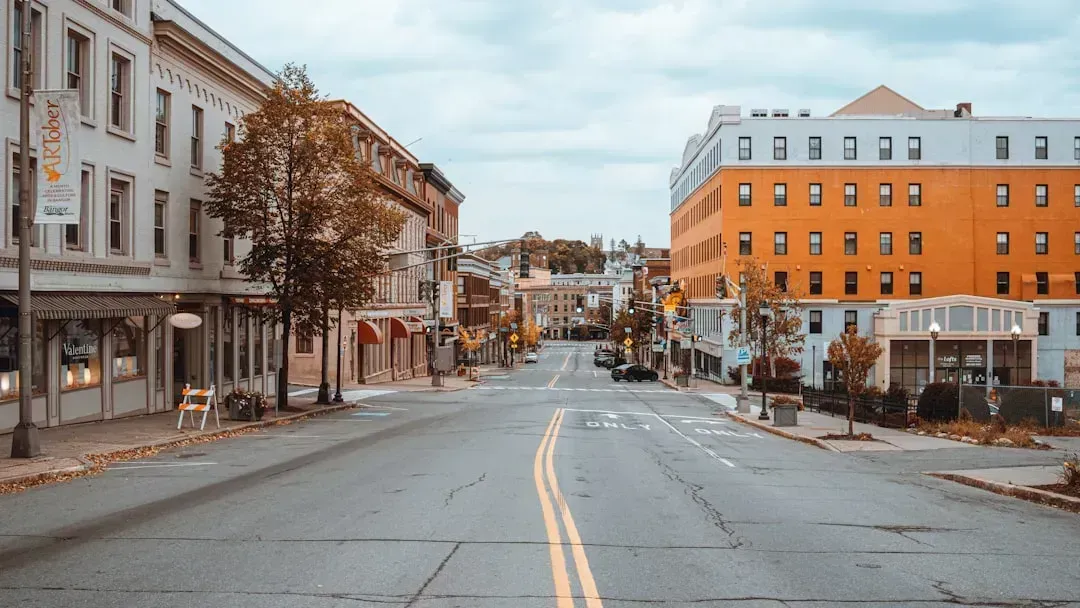
Bangor has become something of a benchmark in the annual State of the Air report. This year’s report showed only one city, Bangor, Maine, remaining ranked on all three cleanest cities lists by earning an A for ozone and short-term particle pollution and being listed among the 25 cities with the lowest year-round particle levels. That’s a rare sweep, and it says something about how consistently the region avoids the spikes that plague larger cities.
Location has a lot to do with it. Bangor keeps logging clean air results thanks to cool coastal airflow and lower traffic density than larger metros, showing up among the nation’s cleanest locations for ozone and short-term particles, with green spaces and riverside trails adding to the impression of a city that breathes well. A smaller population base and less congestion simply mean fewer emissions to begin with.
Cheyenne, Wyoming: plains, wind, and steady improvement
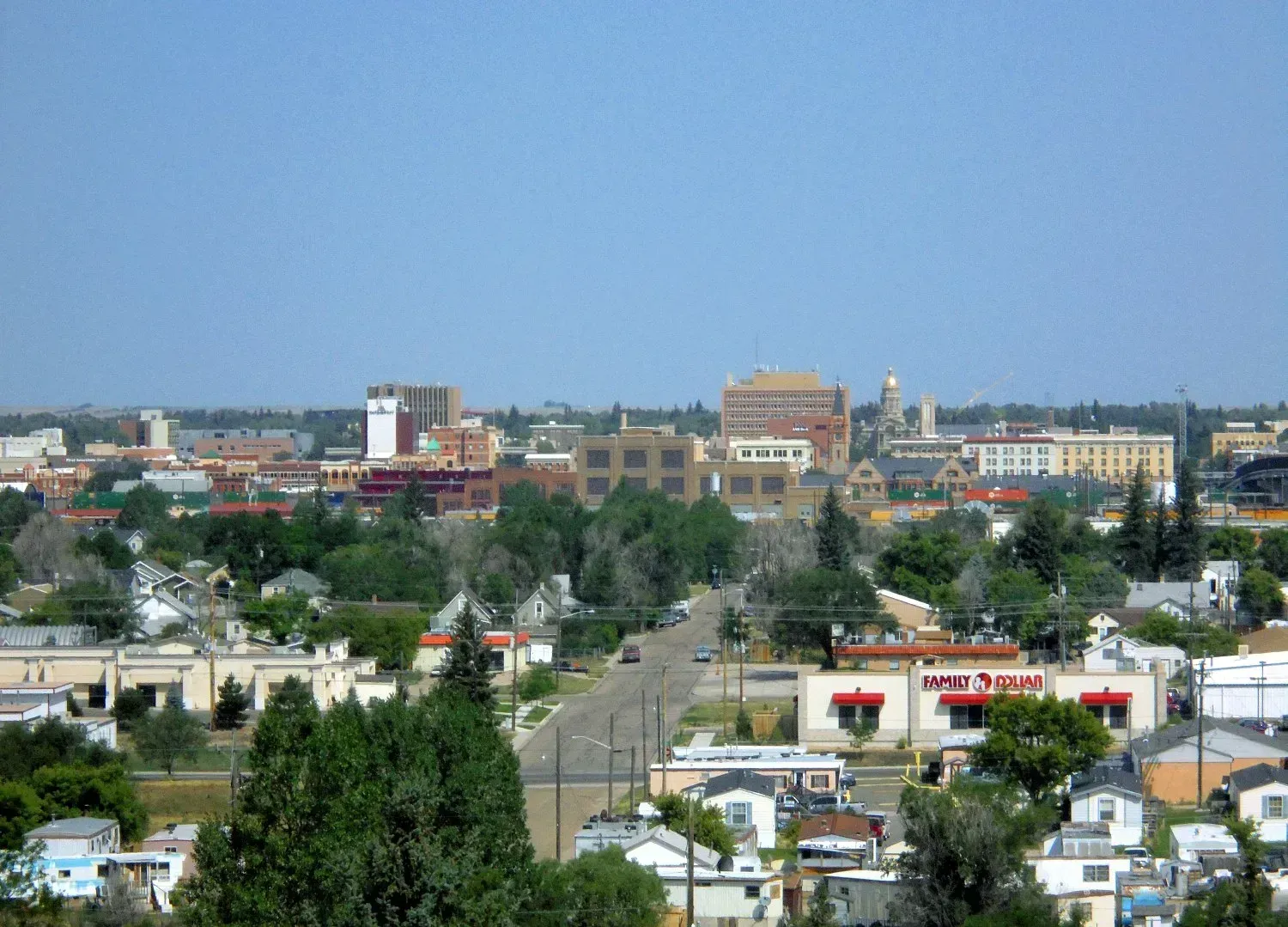
Cheyenne doesn’t get quite the same headlines as its Wyoming neighbor Casper, but it belongs in the same conversation. Cheyenne ranks as one of the cleanest air cities in the U.S. according to the American Lung Association’s 2025 State of the Air report, ranking at number eight nationally for lowest year-round particle pollution. That places it firmly among the top tier of American cities for long-term air cleanliness.
The reasons echo what works in Casper. Thanks to Cheyenne’s wide open plains and strong, steady winds, pollutants disperse quickly, helping maintain clean air. High elevation and low industrial density round out the picture, giving the city a natural ventilation system that few urban areas can match.
Burlington, Vermont: a city that chose renewable power early
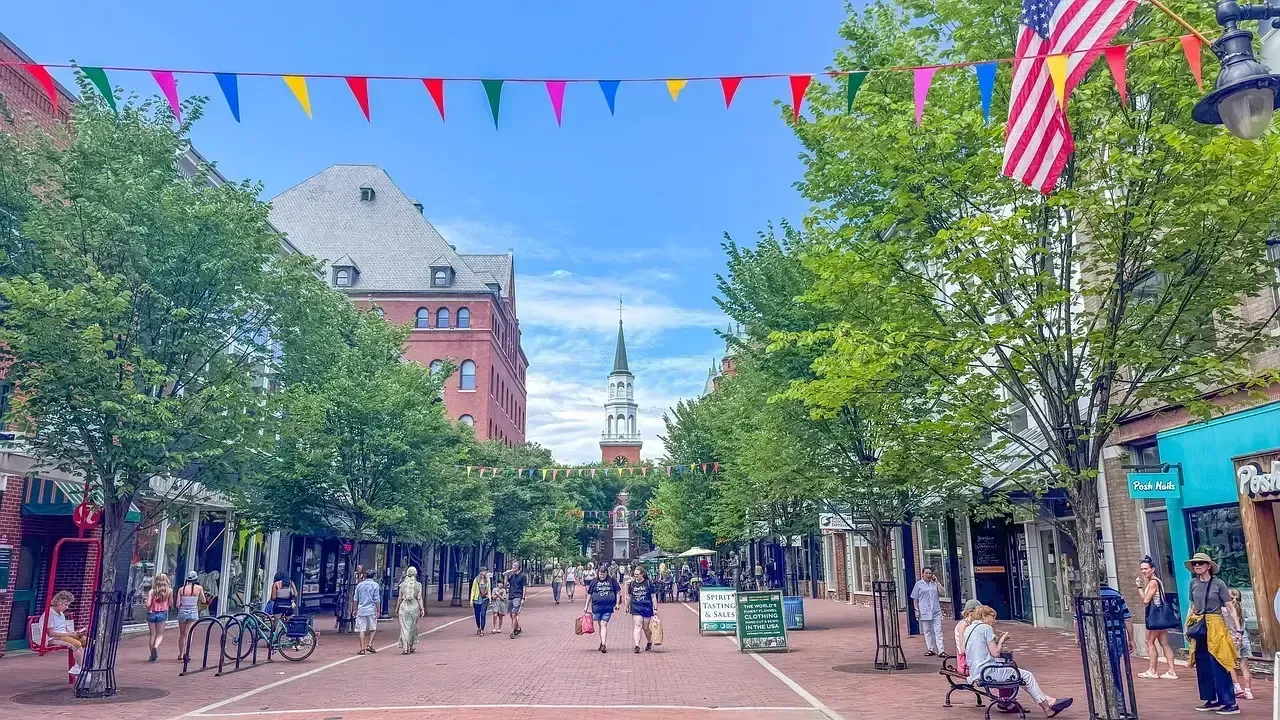
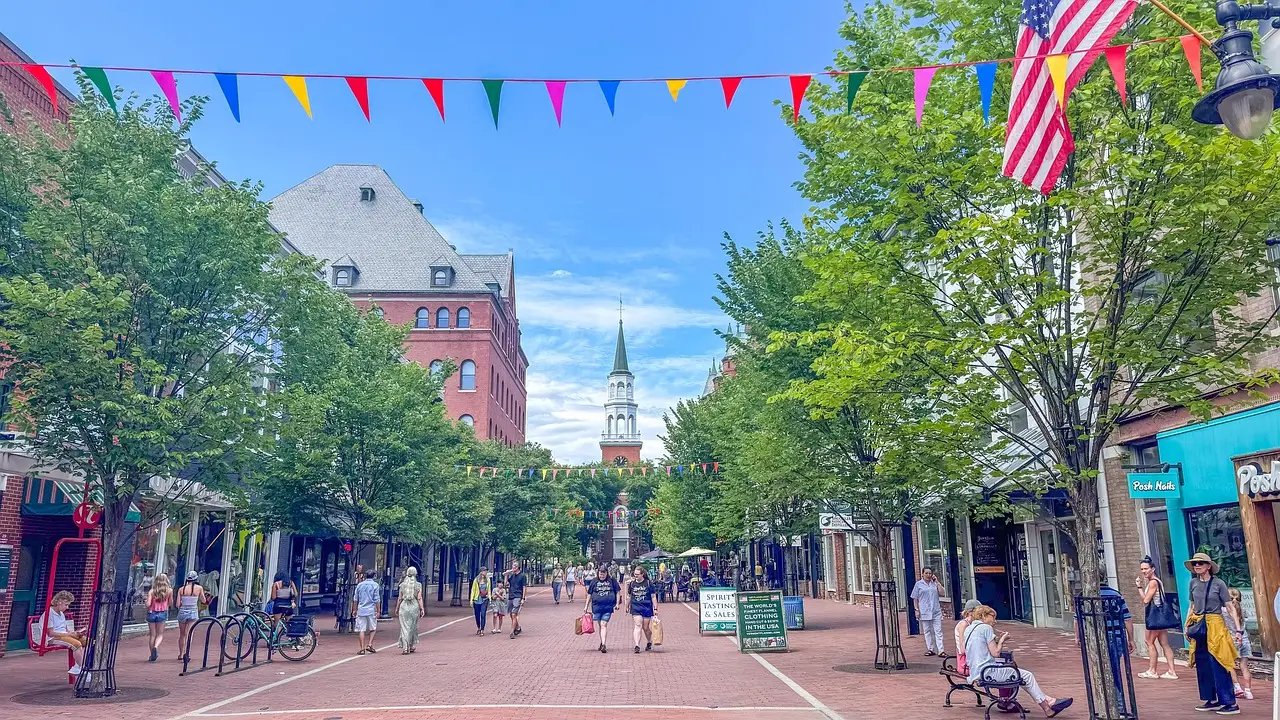
Burlington’s clean air isn’t purely a gift of geography. It reflects decades of deliberate energy choices. The city was already the first in the country to make the leap to 100% renewable electricity with the McNeil generating station being powered by biomass rather than fossil fuels. That shift away from coal and oil for electricity generation has kept local emissions markedly lower than in comparable New England cities.
Burlington has kept building on that foundation. Among other initiatives designed to help meet its 2030 net zero goal are expanded bike lanes, building out EV charging infrastructure, and providing incentives for purchases of energy efficient appliances and building weatherization. Combined with Lake Champlain’s cooling lakefront breezes, the city offers a case study in how policy and geography can reinforce each other.
Duluth, Minnesota: Lake Superior’s natural filter
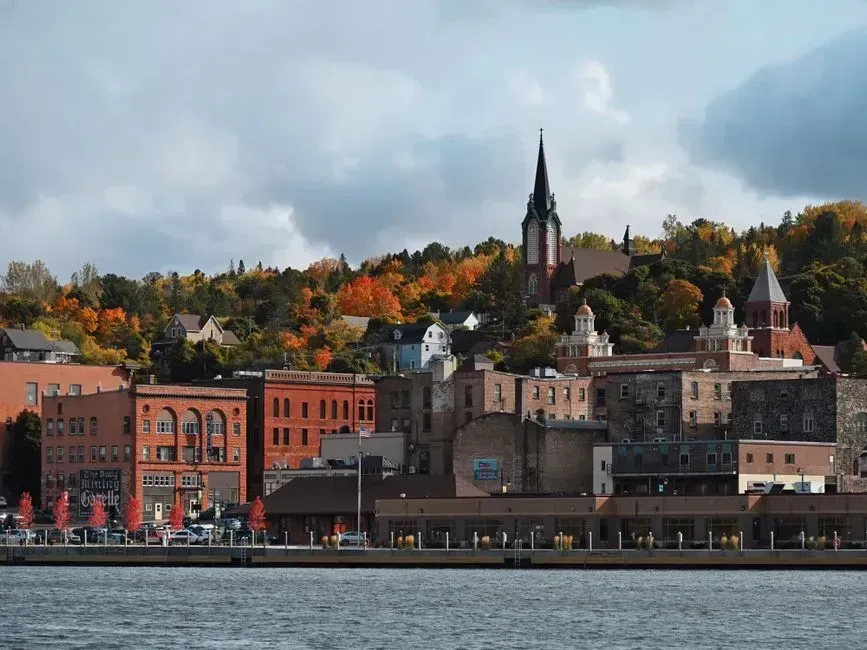
Duluth is one of the quieter entries on any cleanest air list, but its numbers hold up. Duluth ranked among U.S. cities with the best air quality in 2025, reporting an annual average PM2.5 level of 4.0 micrograms per cubic meter, far below national averages. That figure puts it in the same league as cities twice its size with far more resources devoted to pollution control.
The city’s advantage starts with its location. Its position by Lake Superior provides strong natural air movement, and low traffic and industrial emissions keep city air free of major pollutants, while extensive green areas promote natural filtration. It’s a reminder that a big lake and a modest population can accomplish what expensive infrastructure sometimes can’t.
What these cities have in common