

- The Planet Where It Rains Liquid Glass – 7 Alien Worlds Defying Known Physics - November 14, 2026
- Stars Consuming Entire Worlds – 6 Planetary Systems Swallowing Their Own Worlds - November 14, 2026
- The Ground Liquefies Like Water – 6 Silent Fault Lines Geologists Watch Closely - November 14, 2026
Ask most people to name the driest city in the country and they will point straight at the Southwest. Las Vegas, Phoenix, maybe Yuma if they have paid attention to a weather segment or two. All fair guesses, and all technically located inside a real desert.
The truth is a little more surprising. One of the driest cities in the United States sits nowhere near a cactus field or a sand dune. It is tucked into a river valley in Washington State, a state better known for rain jackets, moss, and gray skies than for parched summers. That city is Yakima, and its story says as much about geography and mountains as it does about rainfall totals.
A quiet valley that breaks the desert stereotype
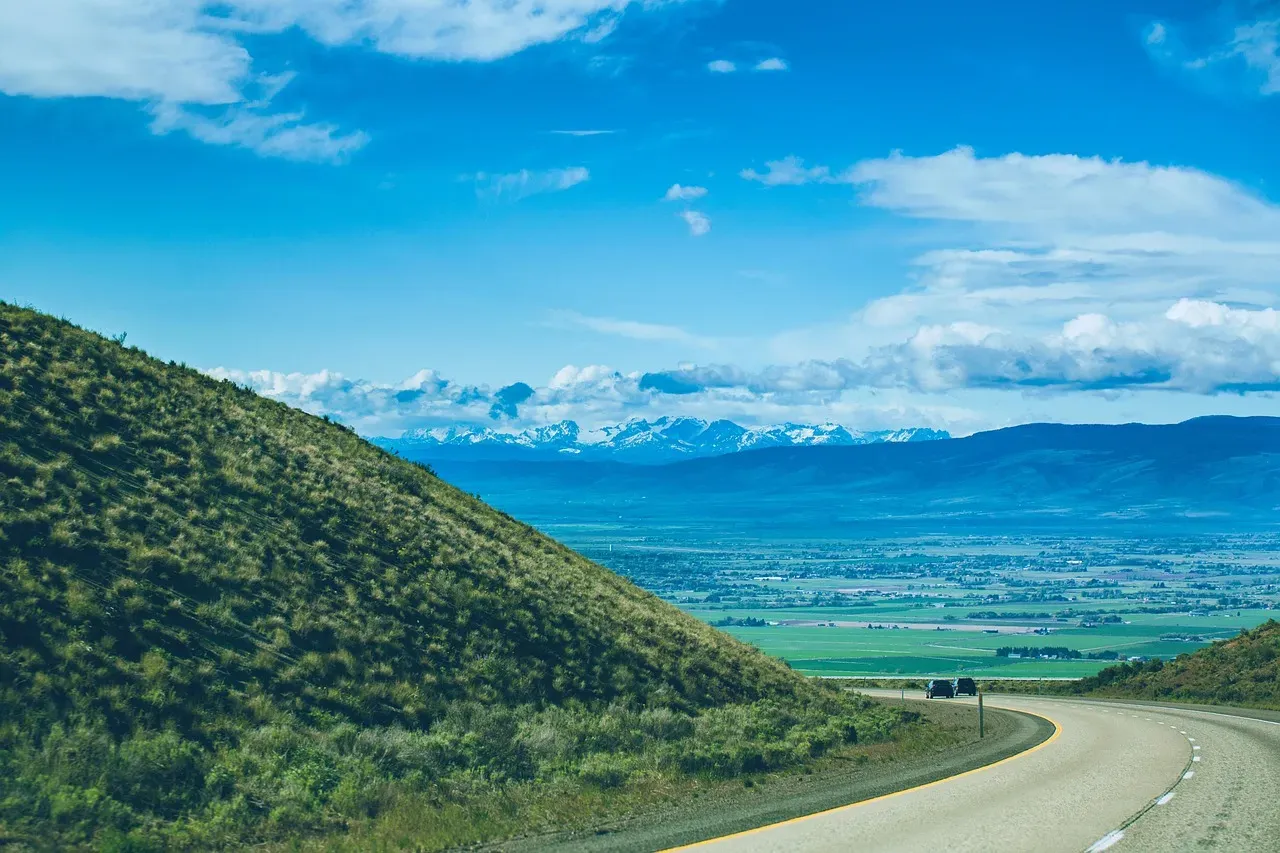
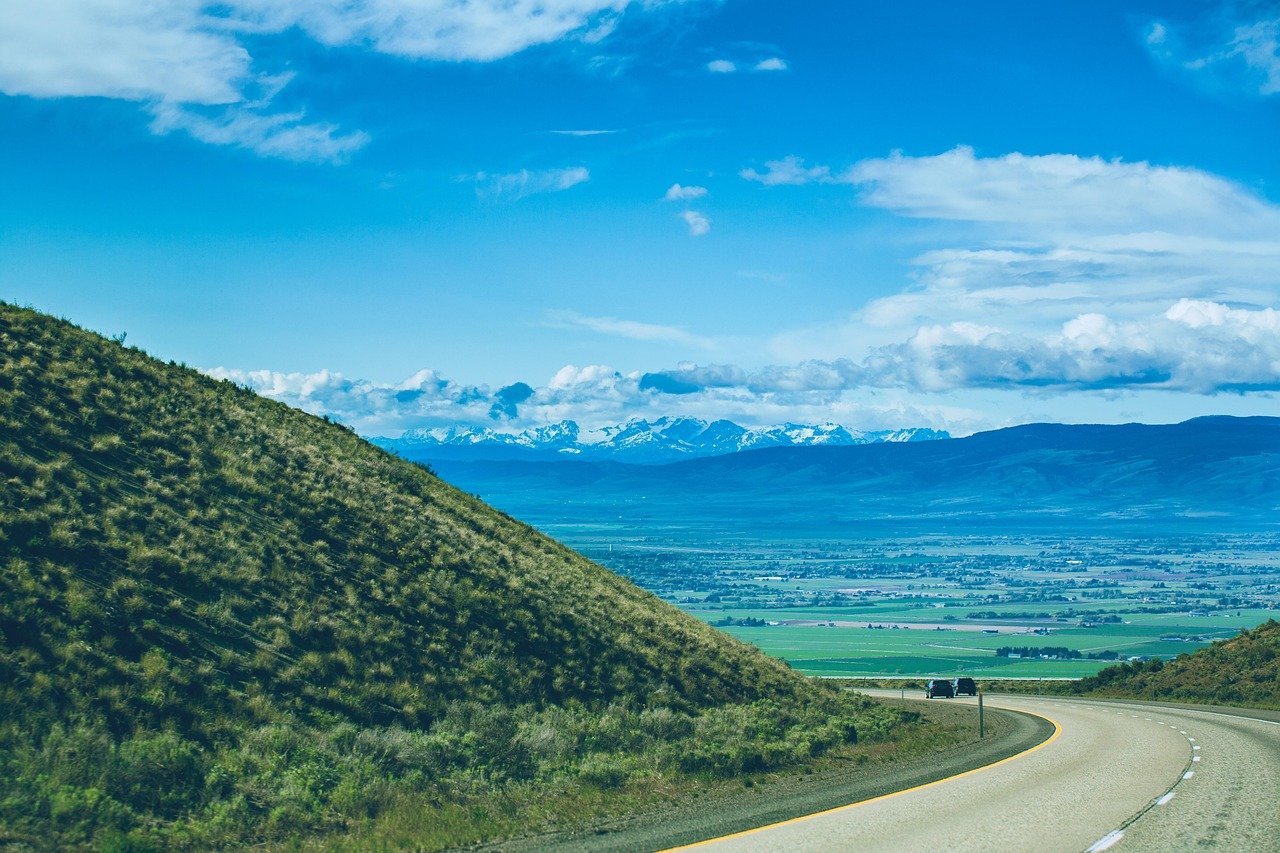
Yakima sits in south central Washington, about sixty miles southeast of Mount Rainier, in a broad agricultural basin known as the Yakima Valley. Yakima is about 60 miles (100 kilometers) southeast of Mount Rainier in Washington. It is a working town of roughly ninety seven thousand people, the county seat, and the commercial hub for a large stretch of central Washington. Nothing about the surrounding hills, orchards, and vineyards looks like the classic image of a desert.
Yet the numbers tell a different story than the scenery suggests. Precipitation here runs shockingly low for a state associated with rain. Yakima’s climate is mild and mostly dry, with the area averaging only about 8 inches of precipitation each year. That is a fraction of what falls on the western side of the same state, just a few hours away by car.
What climate scientists actually mean by “desert”
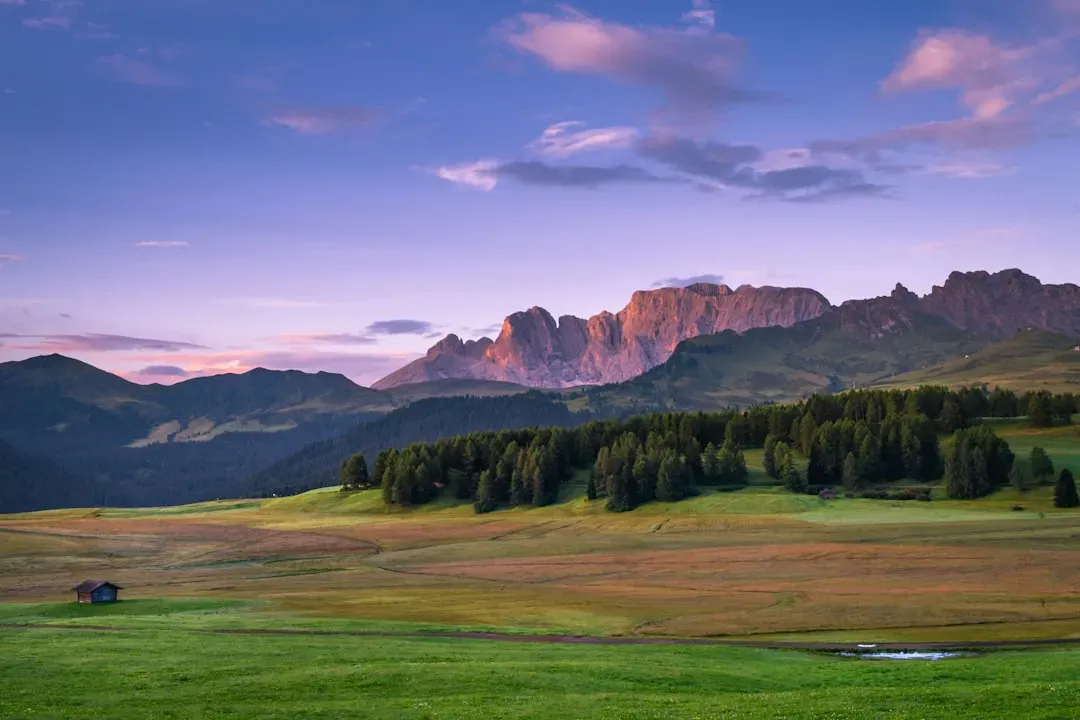
The word desert gets used loosely in everyday conversation, but climatologists apply it more strictly. Under the widely used Köppen climate classification, a true desert climate requires an even greater moisture deficit than what Yakima experiences. Deserts receive at most 10 inches (250 millimetres) of rain or snow a year, on average. Yakima’s rainfall total sits close to that line, but its official classification lands in a different category altogether.
Instead of a desert, Yakima is labeled a semi-arid steppe climate. Yakima has a cold semi-arid climate (Köppen BSk) with a Mediterranean precipitation pattern. That single letter difference, BSk instead of a true desert code, matters more than it might seem. It reflects slightly higher moisture levels, a different vegetation pattern, and a distinct set of seasonal temperature swings that separate steppe country from genuine desert basins like the Mojave or the Sonoran.
The mountain wall that keeps the rain away
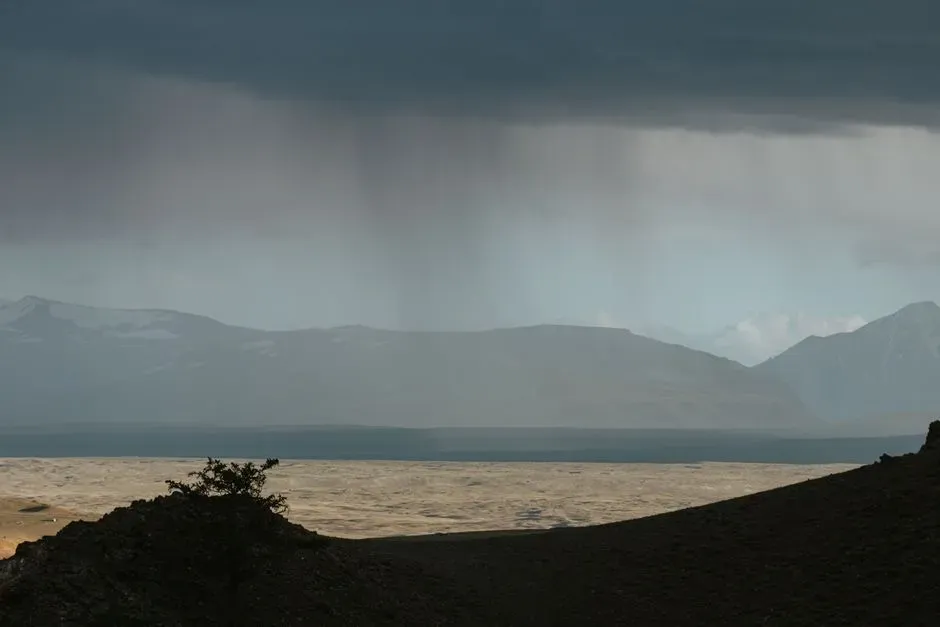
Yakima’s dryness has almost nothing to do with latitude or sunshine angle and everything to do with the Cascade Range standing directly to its west. Pacific storms roll inland loaded with moisture, then run straight into that wall of peaks. Moist air rises over West slopes, leading to saturation, cooling causes heavy rain and snow in the West, depleting the clouds, dry air descends the East slopes, losing its ability to form precipitation, and compression warms the air and prevents rain, creating a semi-arid environment. By the time that air reaches Yakima, it has almost nothing left to give.
The contrast with the coast is dramatic and easy to picture on a map. While Seattle may receive over 37 inches of rain annually, cities just a few hours east like Ellensburg or Yakima often see less than 10 inches. Two cities in the same state, separated by a single mountain range, ending up with completely different climates. It is the same rain shadow mechanism that dries out places like Reno or Bend, just applied to a stretch of Washington that most travelers never associate with drought.
Yakima by the numbers
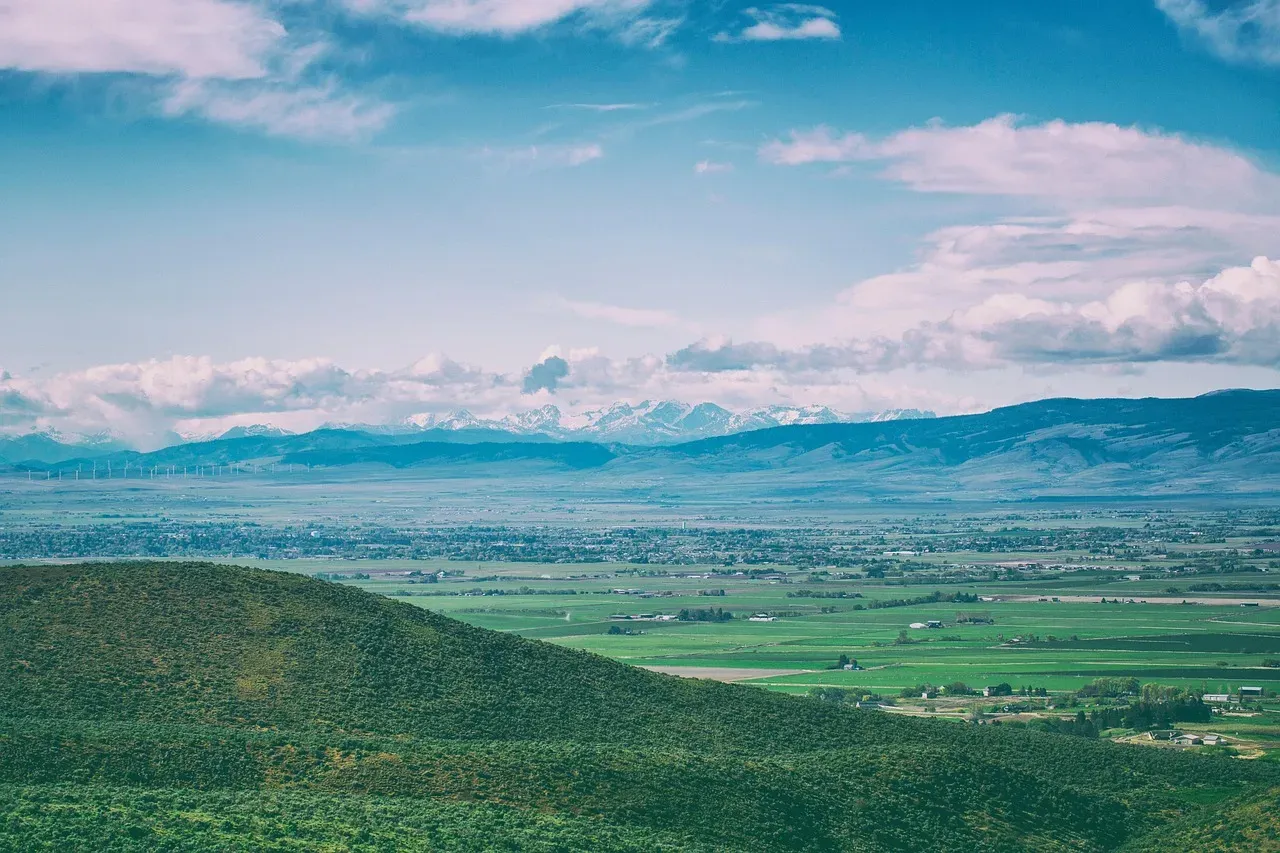
Strip away the scenery and the raw data backs up just how little moisture actually reaches this valley. Yakima, Washington gets 9 inches of rain, on average, per year, while the US average is 38 inches of rain per year. That works out to roughly a quarter of the national norm, a gap wide enough to put Yakima in the same conversation as several officially recognized desert cities.
Snowfall adds a bit more to the yearly total, since winter is when most of the region’s limited moisture actually falls. Annual average snowfall is 21.6 in (55 cm), with most occurring in December and January, when the snow depth averages 2 to 3 in (5.1 to 7.6 cm). Sunshine, meanwhile, is abundant almost all year. Locals often point to roughly three hundred sunny days a year as one of the valley’s defining, if underappreciated, features.
How Yakima compares with the “official” desert cities
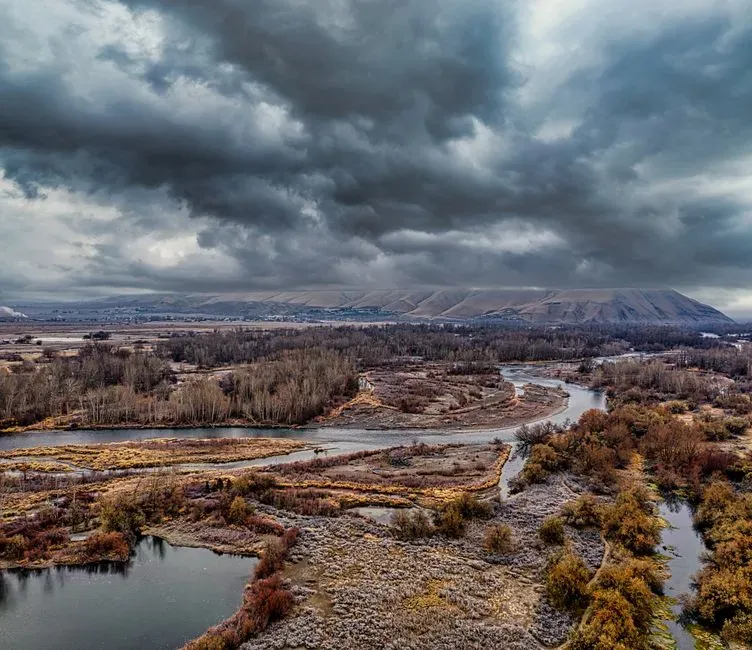
It helps to line Yakima up against the cities that usually top these lists. Las Vegas sits inside the Mojave Desert and receives barely more rain in a year than Yakima does. Surrounded by mountains in the Mojave Desert, Las Vegas averages just 4.2 inches of precipitation annually, less than half of Nevada’s 9.5-inch statewide average. Yuma, often cited as the single driest city in the country, is drier still, with totals that barely reach the low single digits.
The gap between Yakima and those Southwestern cities is smaller than most people would expect, even though the climate labels differ. Yakima’s roughly eight to nine inches a year puts it in a similar bracket to several mid sized cities that are unambiguously labeled desert communities. The difference comes down to vegetation, soil moisture retention, and the precise threshold climatologists use, not some dramatic gap in actual rainfall. In practical terms, a Yakima summer and a Phoenix summer can feel remarkably similar when it comes to the absence of rain.
A landscape shaped by irrigation, not rainfall
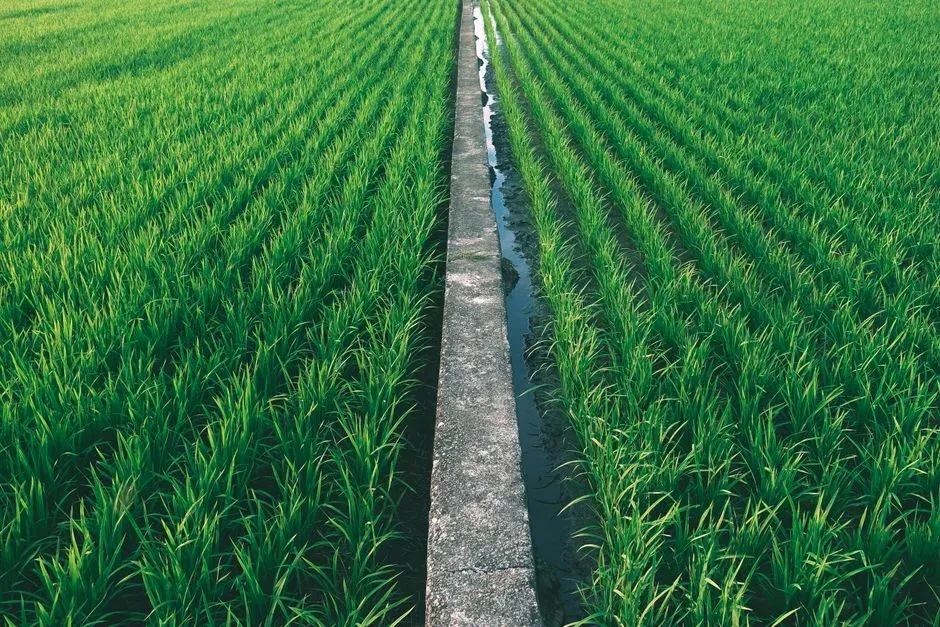
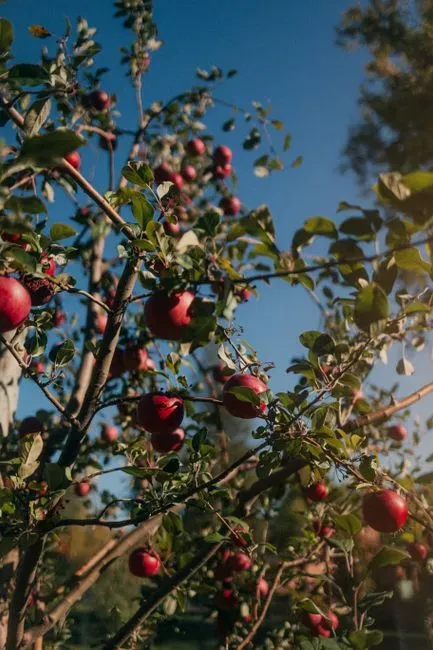
What makes Yakima’s story especially interesting is how productive the valley has become despite its dry ledger sheet. Rather than depending on rain, the region built its economy on rivers and canals. Thanks to the basin’s rich volcanic soil, long growing seasons, and irrigation from the Yakima and Naches Rivers, Yakima is a major agricultural powerhouse best known for apples, hops, and wine grapes. It is a place where engineering, not weather, decides what grows.
The hop industry in particular reveals just how much has been built on top of an arid landscape. As of 2011, the Yakima Valley produces 77% of all hops grown in the United States. That statistic alone should reshape how people picture a “dry” American city. Yakima is not a wasteland of dust and tumbleweed. It is greenhouse quality farmland, made possible entirely by controlled water delivery rather than by whatever clouds happen to pass overhead.
Four distinct seasons inside a dry climate
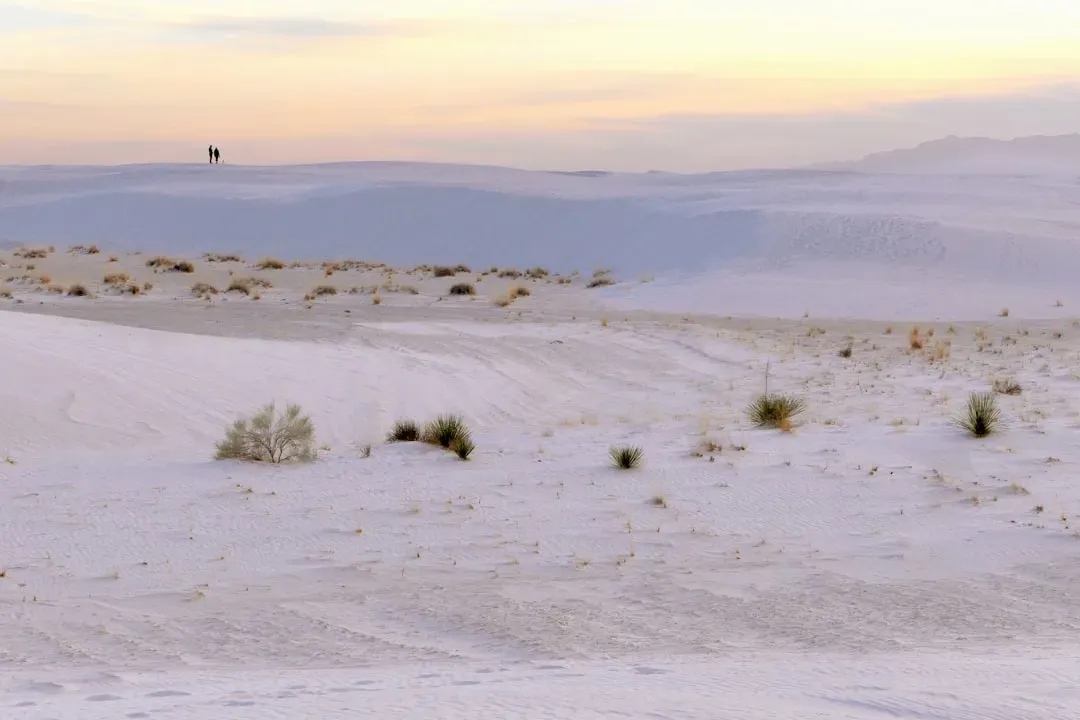
Unlike the desert Southwest, where winters stay relatively mild, Yakima experiences a genuine four season year, and that is part of what sets it apart from places like Phoenix or Yuma. Winters are cold, with December the coolest month, with a mean temperature of 28.5 °F (−1.9 °C). Snow is common, frost is routine, and the valley floor can feel more like the northern Great Plains than a Southwestern desert basin in the coldest stretch of the year.
Summers flip that pattern entirely, turning hot and almost completely rain free. July stands out as an absolutely dry month, when on average there is not a single day with precipitation. Daytime highs push into the eighties and nineties, then drop sharply once the sun goes down. The diurnal temperature range in summer is quite large, with the difference between daytime highs and nightly lows able to reach 15 to 17 degrees Celsius. That kind of hot day, cool night rhythm is a hallmark of steppe climates, and it is part of why Yakima’s wine industry has thrived.
Everyday life in a place that barely sees rain
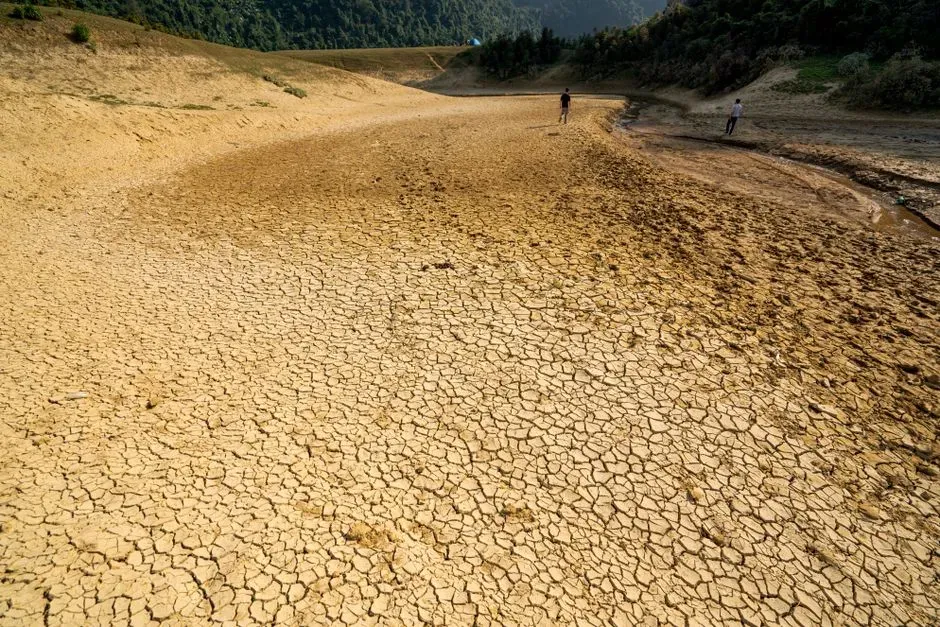
For residents, the practical experience of living somewhere this dry shows up in small, constant ways rather than dramatic ones. Umbrellas gather dust in closets for most of the year, lawns need steady watering, and outdoor plans rarely get rained out between June and September. Locals often describe the sunshine as one of the valley’s best kept secrets, a quiet perk that outsiders rarely associate with Washington State at all.
The dryness also shapes how the local landscape actually looks, favoring sagebrush, native grasses, and drought tolerant shrubs over the dense evergreen forests found just across the mountains. This shrub steppe scenery stretches across much of central Washington, giving the region a rugged, open character that feels closer to Montana rangeland than to the Pacific Northwest most tourists picture. It is a landscape built for low water use, not for lush green lawns, and residents who have lived there for years tend to plan their gardens accordingly.
Why this distinction actually matters
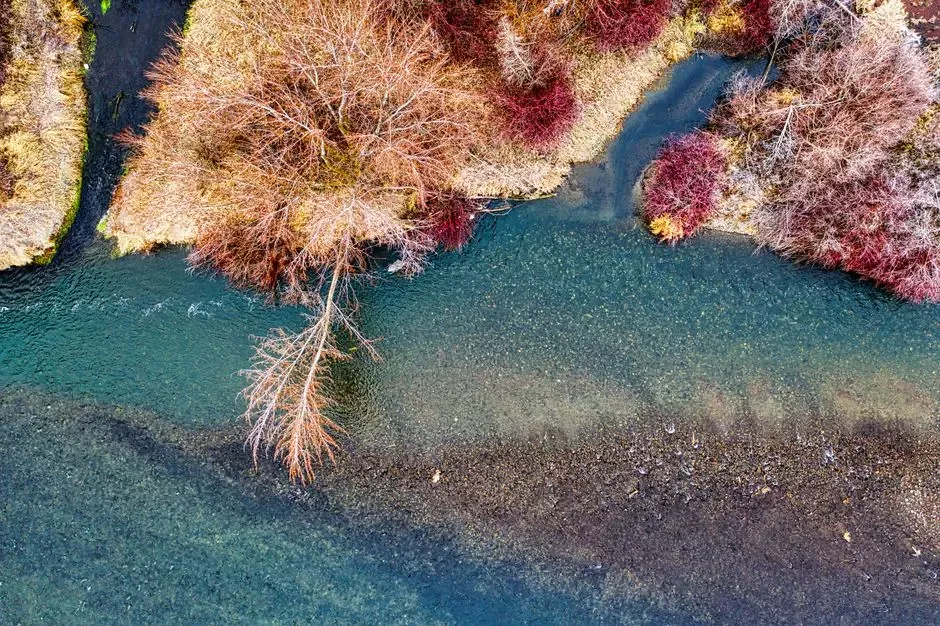
Calling Yakima the driest city that is not in the desert is not just a clever trivia fact. It highlights an important gap between how a place looks on a map and how a climatologist actually classifies its weather. Deserts and semi-arid steppe zones can have startlingly similar rainfall totals while remaining ecologically and officially distinct, and Yakima sits almost exactly on that dividing line.
It also serves as a useful reminder that geography, not state reputation, ultimately decides a city’s climate. Washington is famous nationwide for rain, yet a mountain range less than a hundred miles wide is enough to flip that reputation completely on its head for the communities sitting in its shadow. Anyone planning a move based on a state’s general weather image would do well to check the specific city first.
Final thoughts
Yakima will probably never replace Las Vegas or Phoenix in the popular imagination of dry American cities, and that is understandable given how thoroughly the desert Southwest owns that reputation. Still, the numbers do not lie. A city surrounded by orchards, vineyards, and snow capped mountains in the distance can quietly rival the driest corners of the Mojave when it comes to actual rainfall.
The next time someone brings up America’s driest city, it might be worth mentioning the one that gets there without a single sand dune in sight.
