


- 10 Home Upgrades That Can Lower Summer Cooling Costs - November 10, 2026
- 10 Questions to Ask Before Buying a Home in a Flood Zone - November 10, 2026
- 9 Coffee-Growing Regions Reporting Lower Yields as Temperatures Rise - November 10, 2026
Space is full of ideas that feel obviously true, mostly because we’ve heard them since school. Some come from movies, some from old textbooks, and some from simple intuition that doesn’t hold up far from Earth.
Astronomers and physicists have spent decades correcting these notions. Here are ten of the most common ones, along with what the evidence actually shows.
The Sun Is Yellow
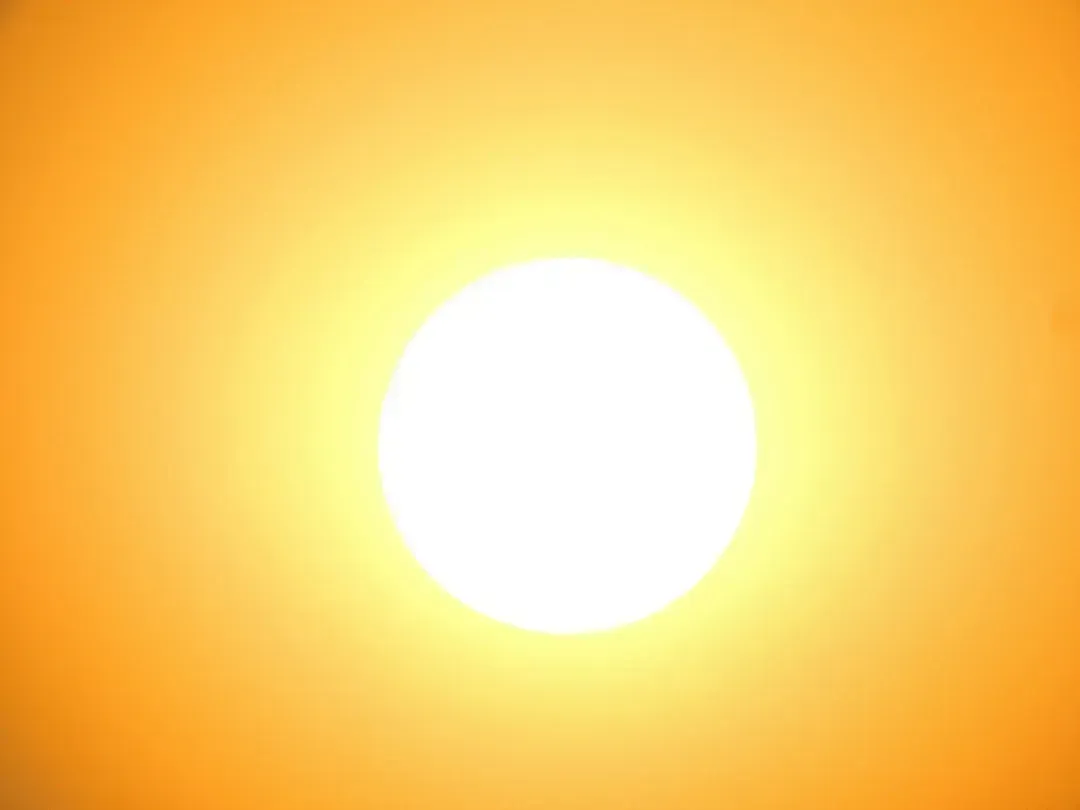
Most people would say the Sun is yellow, and children’s drawings agree. In reality, the Sun emits light across the whole visible spectrum, and its output peaks in the green part. Because all the colors mix together, the Sun is effectively white.
Earth’s atmosphere is the reason it looks yellow or orange. Air scatters shorter blue wavelengths away from the direct beam, especially when the Sun sits low near the horizon. Astronauts above the atmosphere see a bright white disk.
There Is No Gravity in Space
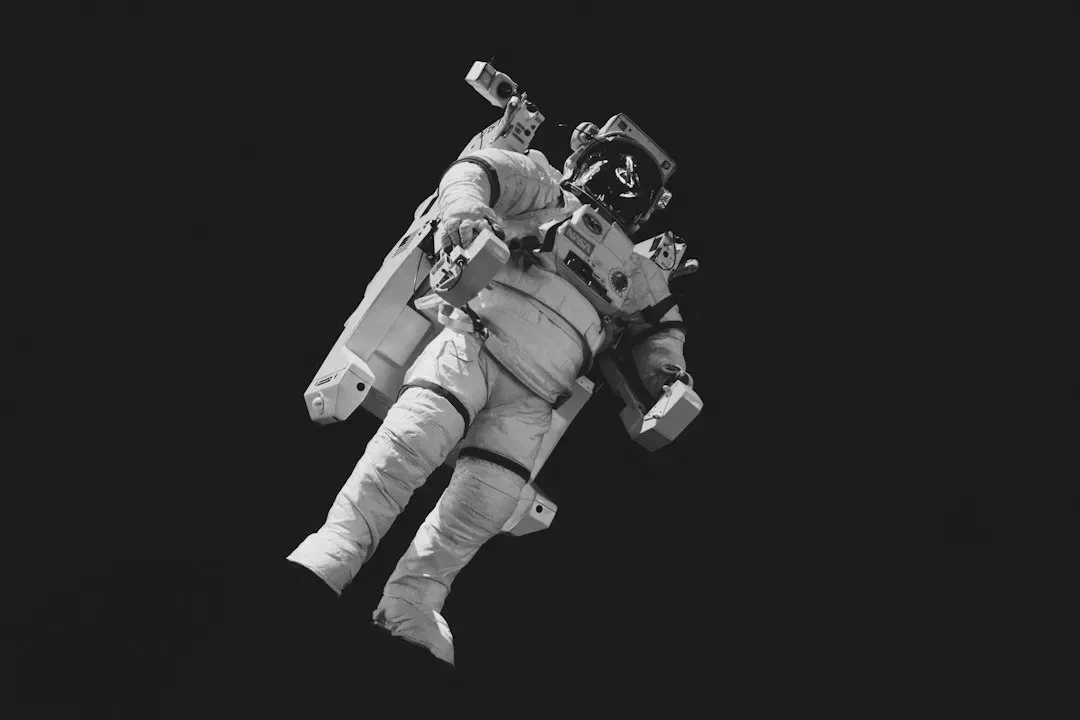
Footage of floating astronauts makes it seem gravity has switched off. It hasn’t. At the altitude of the International Space Station, roughly 400 kilometers up, gravity is still about ninety percent as strong as it is on the ground.
The floating comes from free fall. The station and its crew are constantly falling toward Earth while moving sideways so fast that they keep missing it. That’s what an orbit is, and it produces the sensation of weightlessness.
The Moon Has a Permanent Dark Side
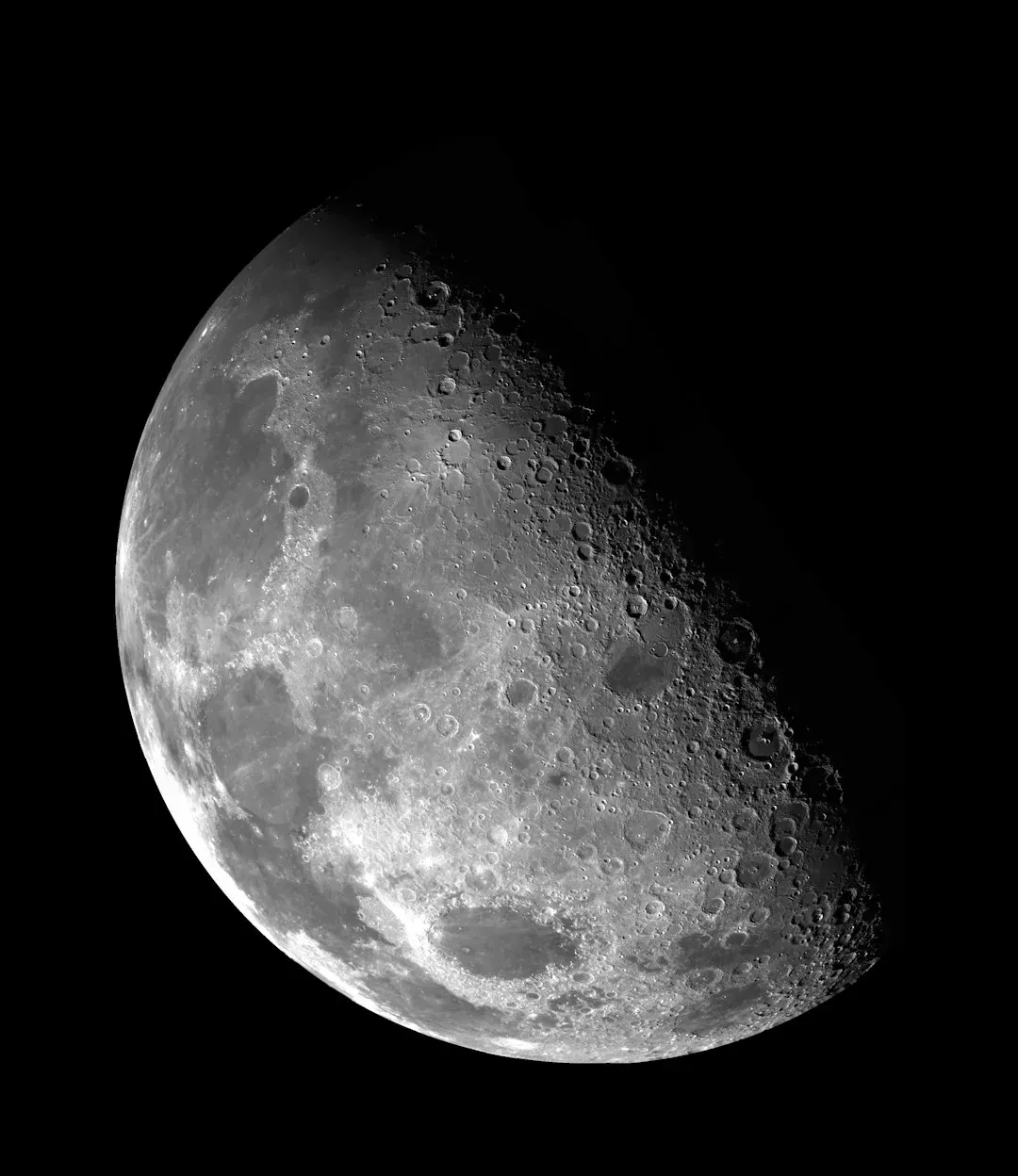
The phrase “dark side of the moon” is everywhere, yet it’s misleading. The Moon is tidally locked, so we always see the same face, but the far side gets just as much sunlight as the near side. Over one lunar cycle, both hemispheres experience day and night.
“Far side” is the accurate term. China’s Chang’e 4 mission landed there in 2019, and Chang’e 6 returned samples from the far side to Earth in 2024. Those samples are now giving researchers a direct look at material from a region we can never see from home.
The Seasons Happen Because Earth Gets Closer to the Sun
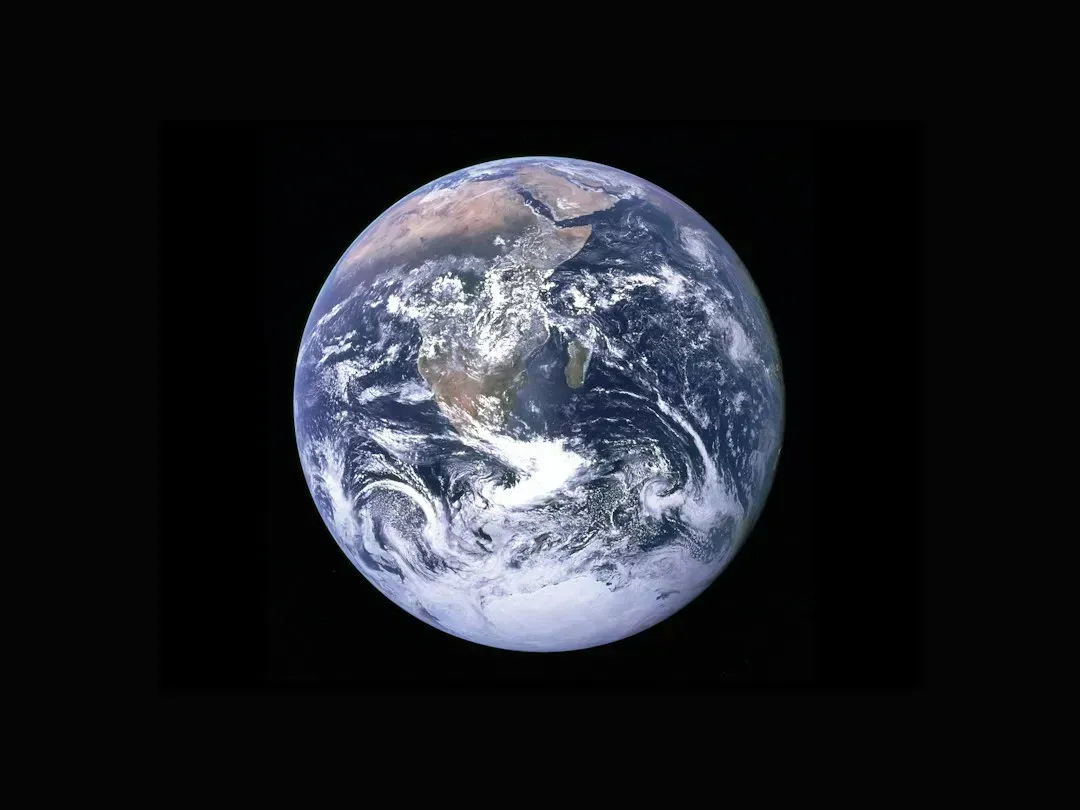
It seems logical that summer means Earth is nearer to the Sun. The opposite is true for the Northern Hemisphere, because Earth reaches its closest point, called perihelion, in early January. Our distance changes by only a few percent over the year.
Seasons come from the tilt of Earth’s axis, about 23.5 degrees. When your hemisphere tilts toward the Sun, sunlight strikes more directly and days run longer, which brings warmth. Half a year later, the tilt reverses.
Asteroid Belts Are Dense Fields of Rock
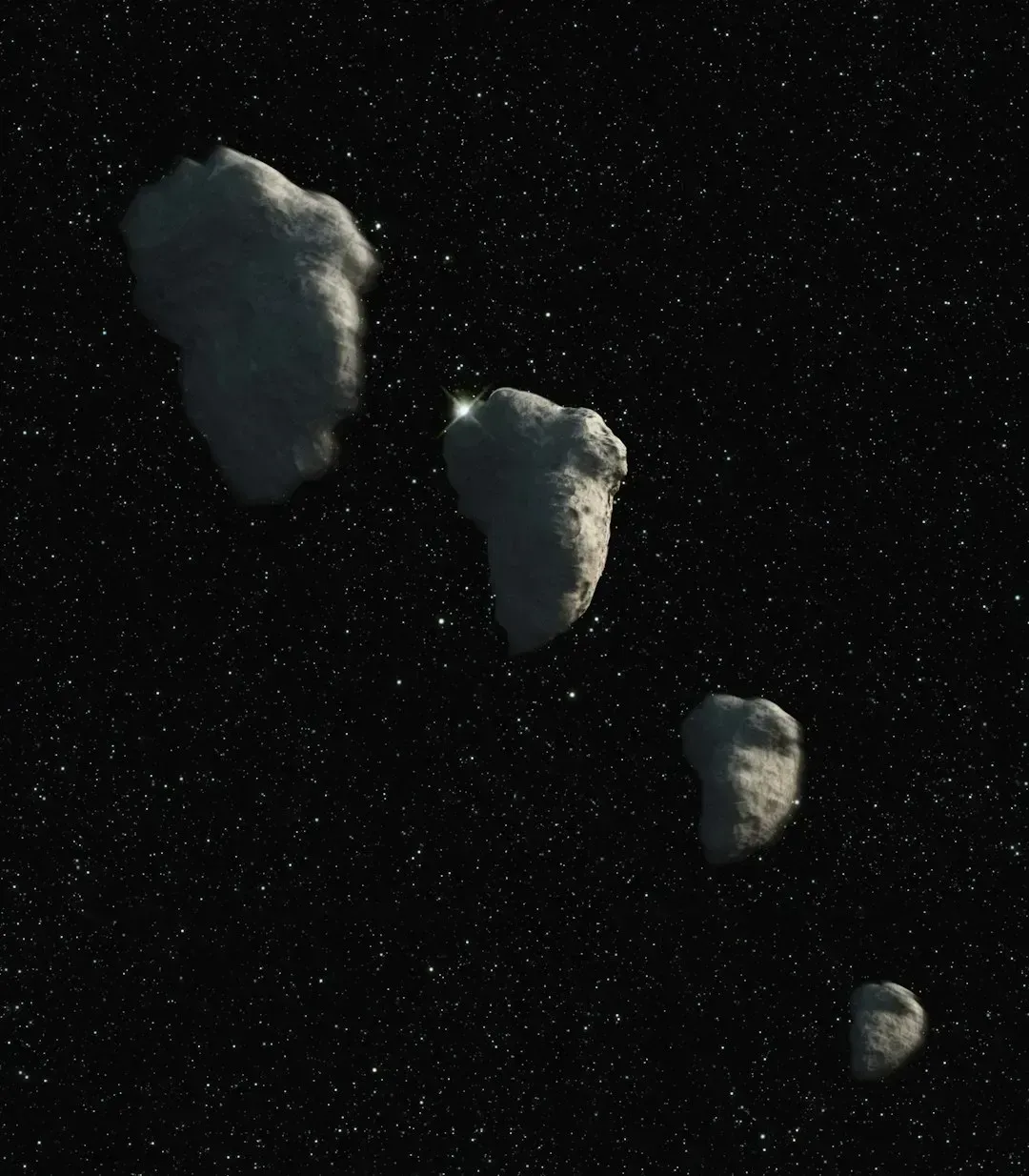
Films love showing ships dodging through crowded asteroid fields. The real main belt between Mars and Jupiter is overwhelmingly empty space. Its total mass is only a small fraction of the Moon’s, and the objects are typically separated by enormous distances.
Spacecraft have crossed it many times without close calls. Probes like Lucy, which flew past the small asteroid Dinkinesh in 2023 and visited Donaldjohanson in 2025, travel through space with almost no risk of collision.
Space Is Completely Empty
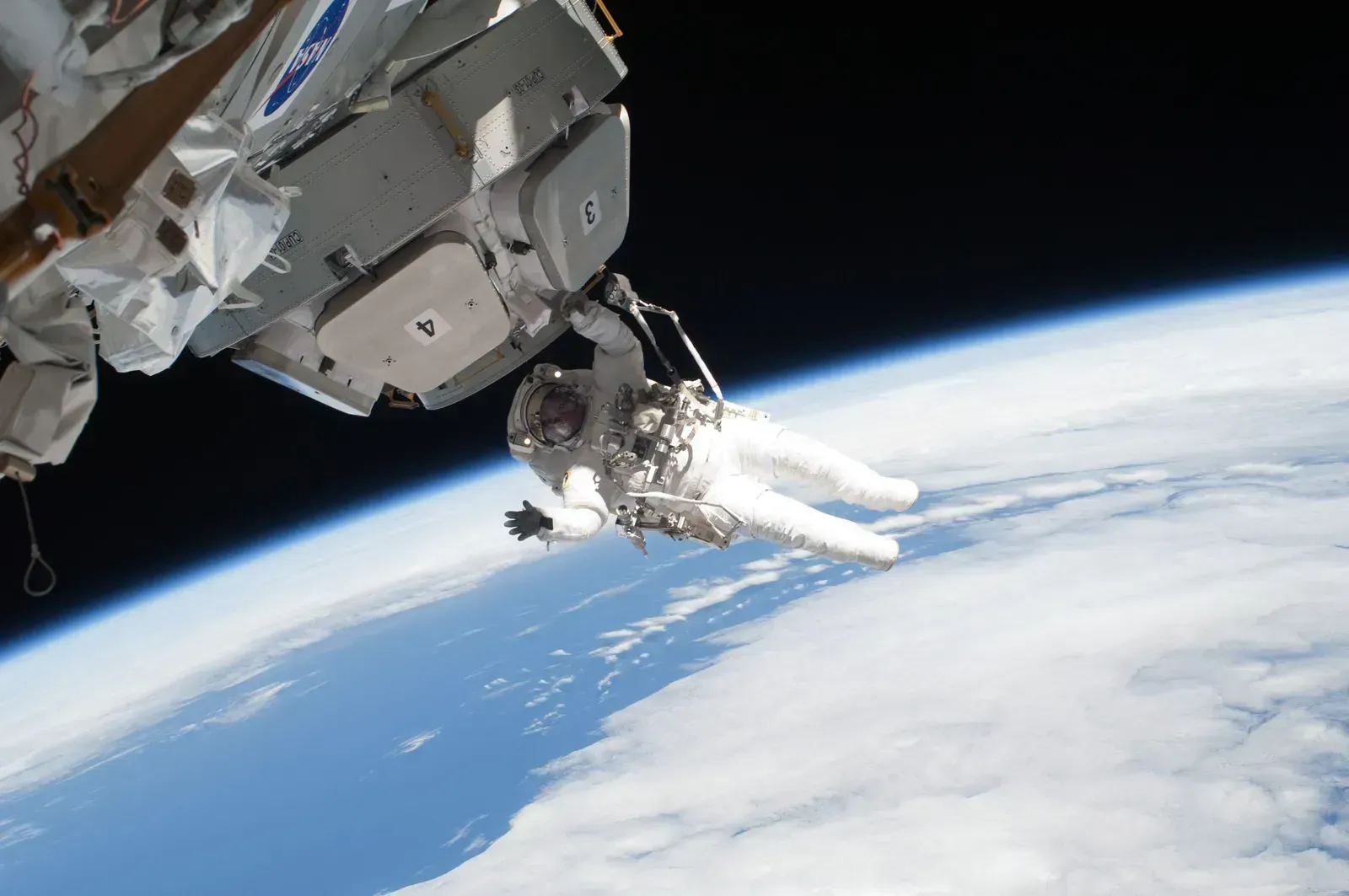
We call it a vacuum, and it’s a very good one, but it isn’t truly nothing. Interstellar space contains thin gas, dust, radiation, and magnetic fields. Even the emptiest regions hold a few atoms per cubic meter.
Voyager 1 and Voyager 2 have both crossed into interstellar space and measured plasma there, which is much denser than the intergalactic void. Space is also threaded with cosmic microwave background radiation, left over from the early universe.
The Big Bang Was an Explosion in Space
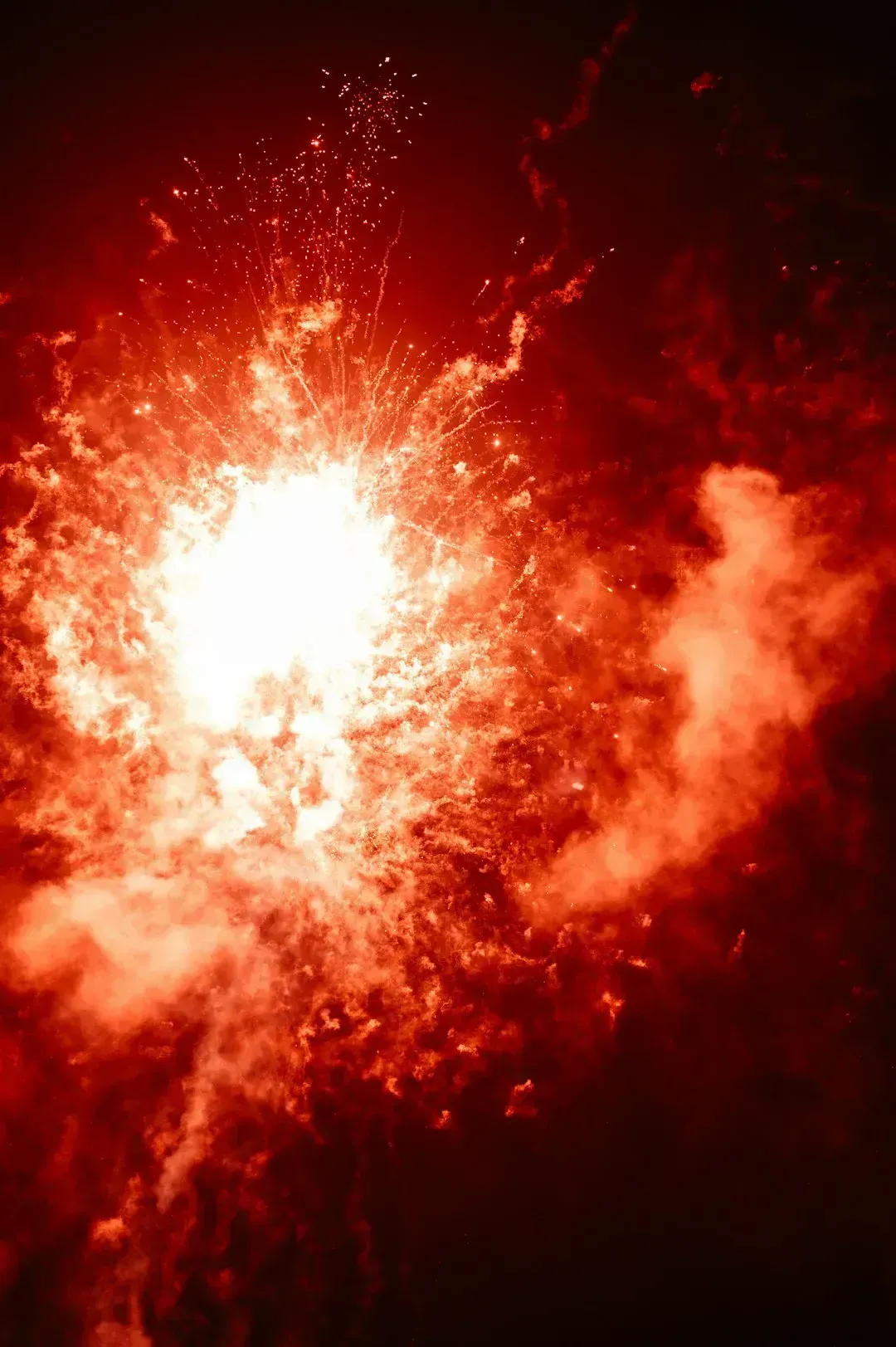
The name suggests a bomb going off in a pre-existing emptiness. Cosmologists describe something different: the expansion of space itself from an extremely hot, dense state about 13.8 billion years ago. There was no central point from which everything flew outward.
That’s why the expansion can be seen in every direction from every place. Galaxies are mostly not moving through space so much as being carried apart as space stretches. The term “Big Bang” was actually coined half-jokingly by astronomer Fred Hoyle.
Black Holes Suck Everything In
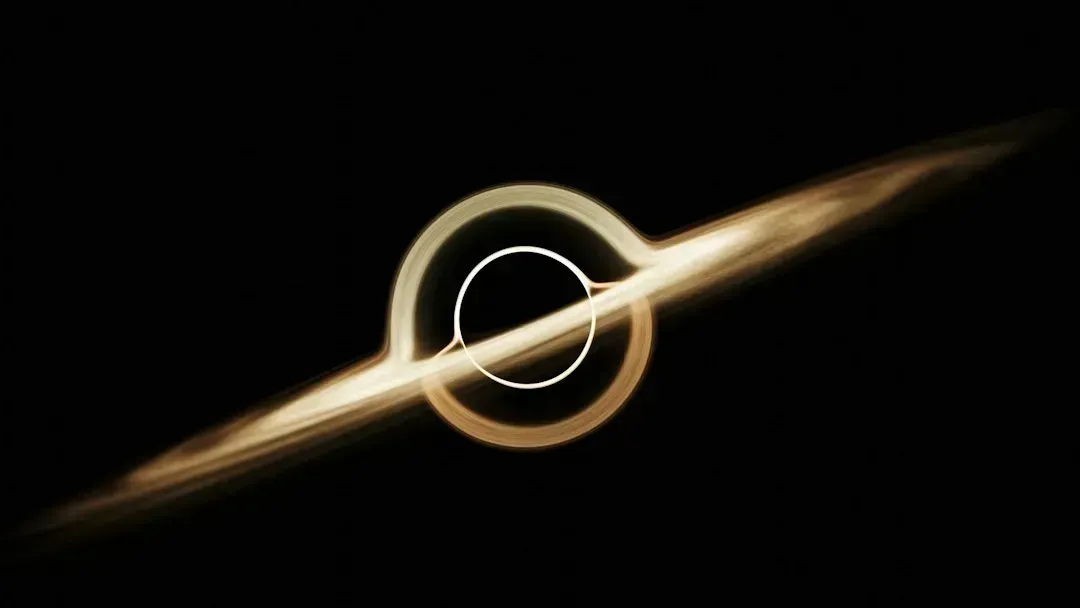
Black holes are often pictured as cosmic vacuum cleaners. Far from one, its gravity acts just like that of any object of the same mass. If the Sun were replaced by a black hole of equal mass, Earth would keep orbiting much as it does now, though it would be very cold and dark.
Danger only arises close to the event horizon. Objects need to pass inside this boundary to be trapped, and many things nearby simply orbit. The Event Horizon Telescope’s images of the black holes in galaxy M87 and in our own Milky Way show glowing material circling them, not a universal drain.
You’d Explode or Freeze Instantly in Open Space
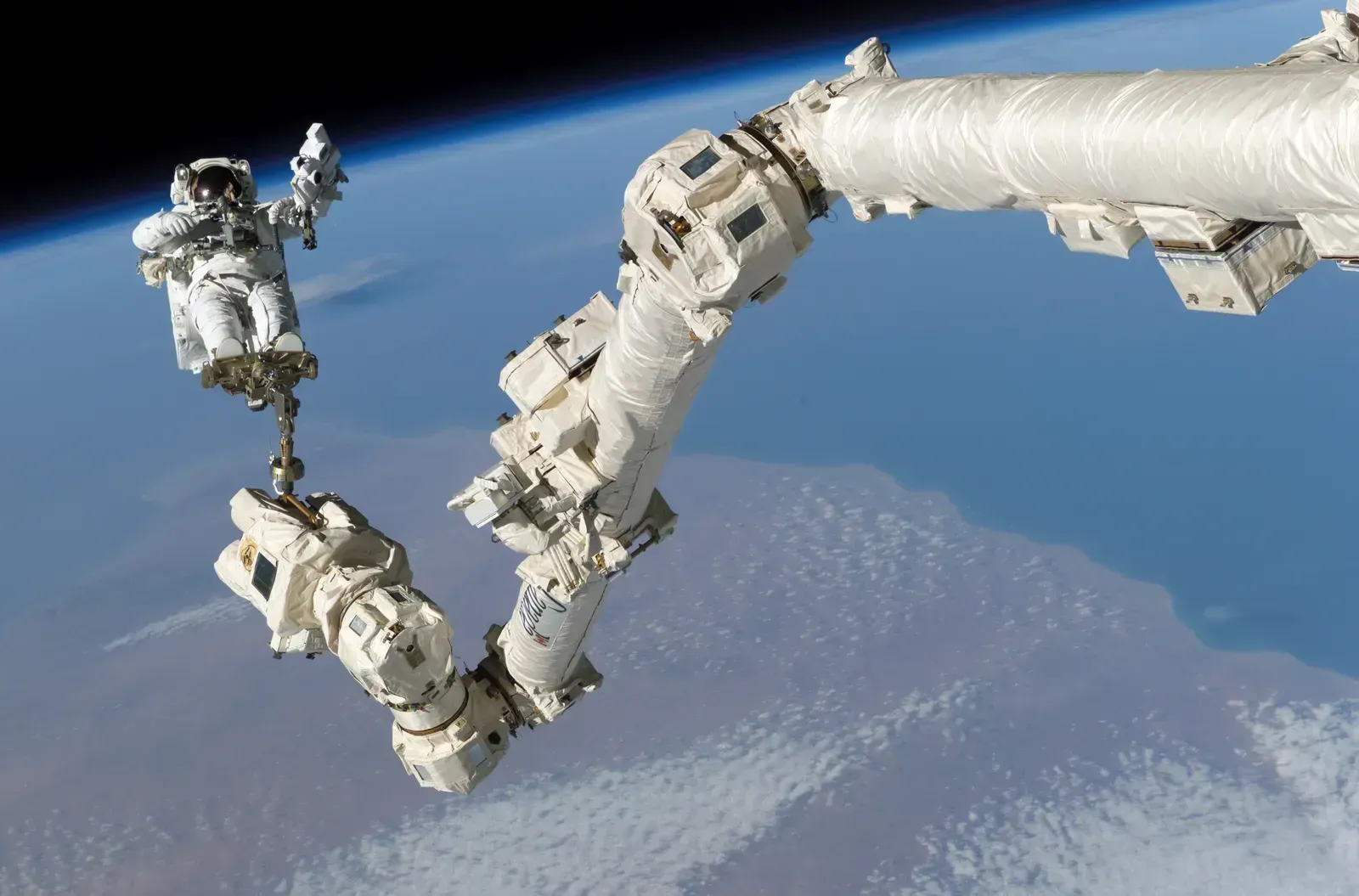
Science fiction often shows bodies bursting or turning to ice the second an airlock opens. Reality is less dramatic, though still deadly. Skin and tissue are elastic enough to hold you together, and a vacuum has no air to carry heat away quickly, so freezing takes time.
The real threat is lack of oxygen. NASA notes that a person would lose consciousness in roughly fifteen seconds, and fluids on exposed surfaces like the mouth would start to boil off. Survival beyond a minute or so would be very unlikely without help.
The Great Wall of China Is Visible From Space

This claim has circulated for generations, including in textbooks. Astronauts have repeatedly said it’s not visible to the naked eye from low Earth orbit, because it’s long but very narrow and blends into the surrounding terrain. China’s first astronaut, Yang Liwei, reported in 2003 that he couldn’t see it.
Cities at night, airports, highways, and large reservoirs are far easier to spot. NASA has also stated that the wall can be glimpsed only under very special conditions, and even then it’s hard to tell apart from other features.
