

The April 2024 eclipse left plenty of people asking the same thing the next morning: when can we do this again? The answer depends on where you’re willing to travel, and how patient you are.
Three total eclipses will touch American soil between 2033 and 2045. They are very different events, and only one of them resembles the crowd-pulling spectacle of 2017 and 2024.
The Short Calendar Ahead
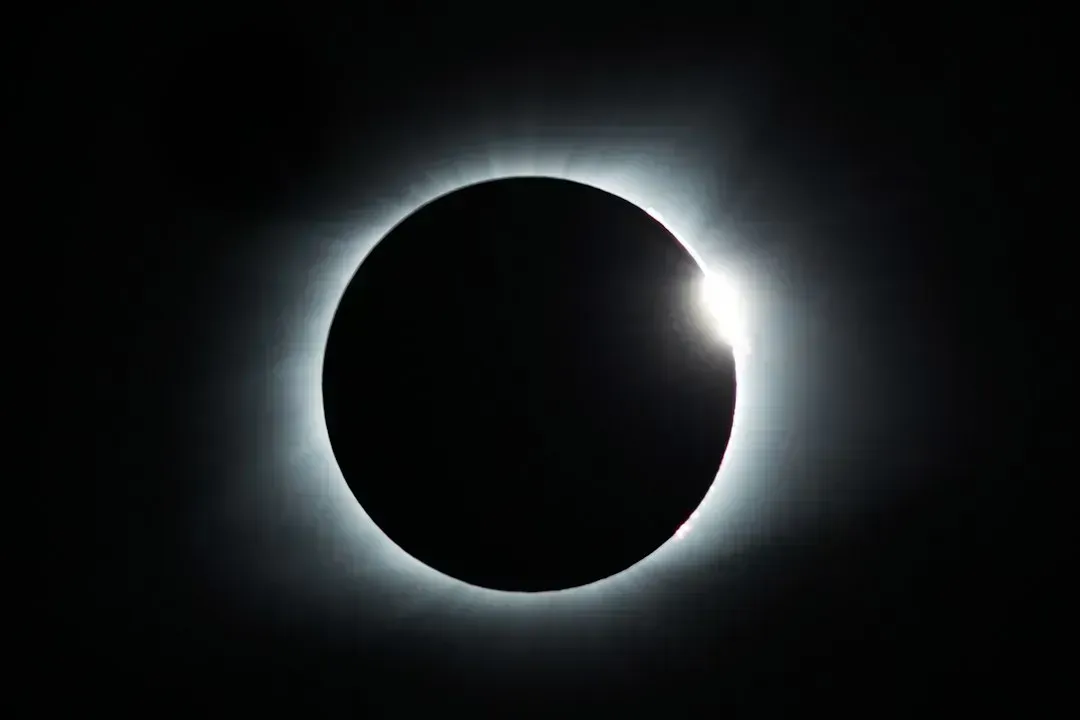
The sequence is fairly simple. Alaska gets a total eclipse in 2033, and totality will be seen in Montana and North Dakota in 2044. Another coast to coast eclipse follows in 2045, entering in California and exiting in Florida.
That leaves a gap of nearly a decade for anyone wanting to stay in the U.S. after 2024. Space.com described that wait as nearly a decade for Americans who don’t travel abroad.
March 30, 2033: Totality Over Alaska
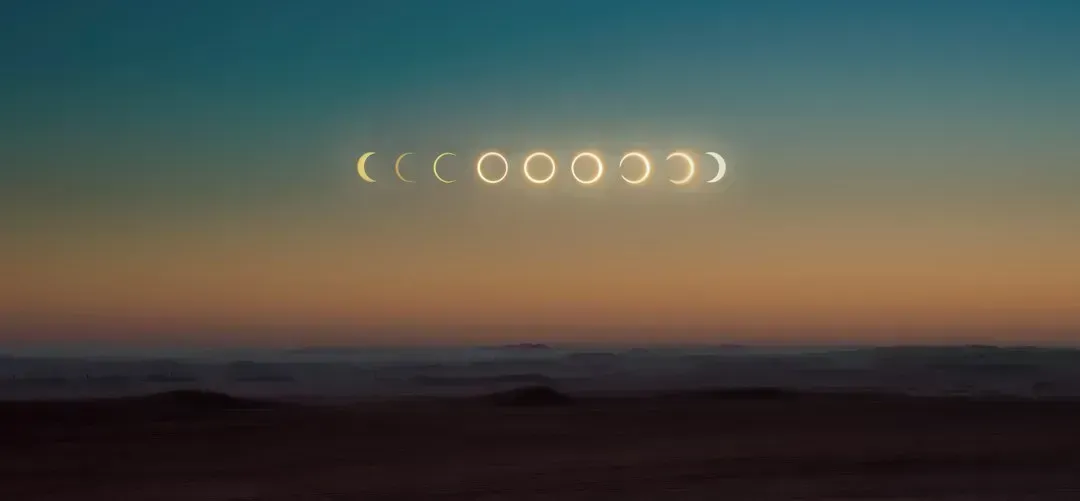
The first stop is the far northwest. On March 30, 2033, a total solar eclipse will occur in Russia and the U.S., and in the U.S. the path of totality crosses Alaska. The maximum duration of totality will be 2 minutes and 37 seconds.
EclipseWise describes the track as crossing northern Alaska and Russia. It’s a real total eclipse, though a small one in terms of who can easily get there.
Where to Stand, and What Might Go Wrong

One guide points to Utqiagvik (formerly Barrow), Kotzebue and Nome as the places worth considering. It notes that the eclipse comes just after sunrise, so the Sun will sit low in the sky.
The same source admits that clear weather is probably unlikely. Still, it argues the trip has appeal because the date falls in peak season for the aurora borealis. Anyone considering it should plan for cold and remote travel.
Who Sees a Partial Eclipse in 2033
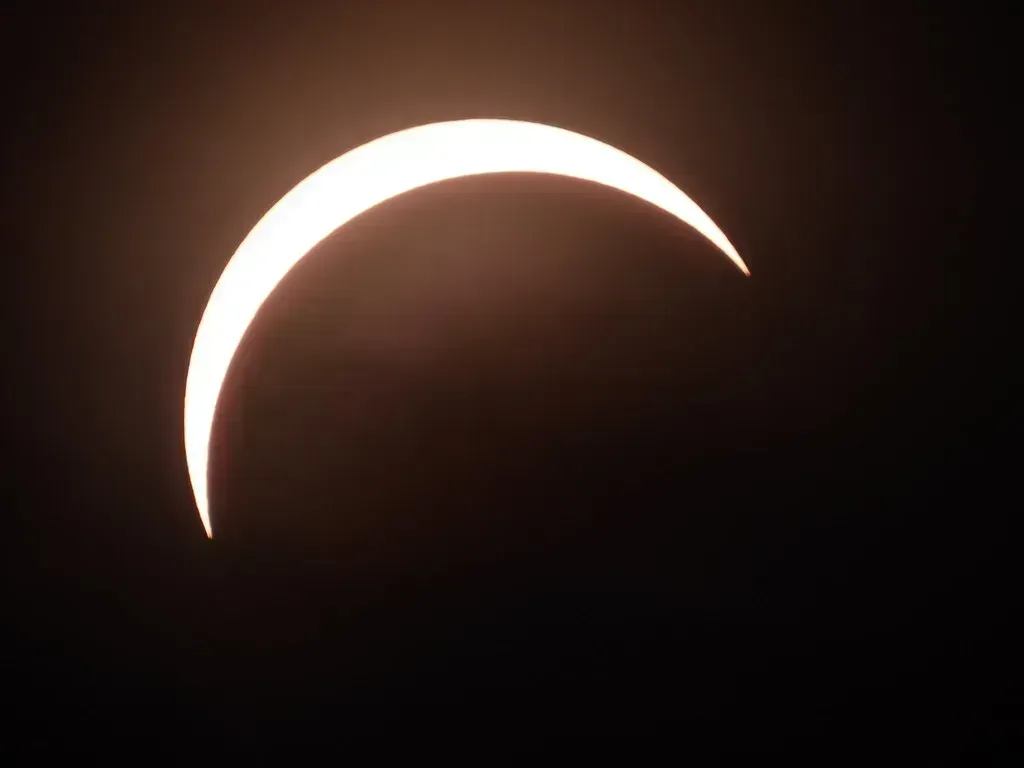
Most Americans won’t see totality in 2033, but many will see something. A partial solar eclipse will shine over most of the U.S. during that event. The maps at NationalEclipse.com list partial coverage in dozens of states, from Alabama to Wisconsin, plus Hawaii.
A partial eclipse is a different experience, though. The Sun is only partly covered, so the sky doesn’t go dark and eye protection is needed the whole time.
August 2044: A Narrow Strip Across Montana and North Dakota
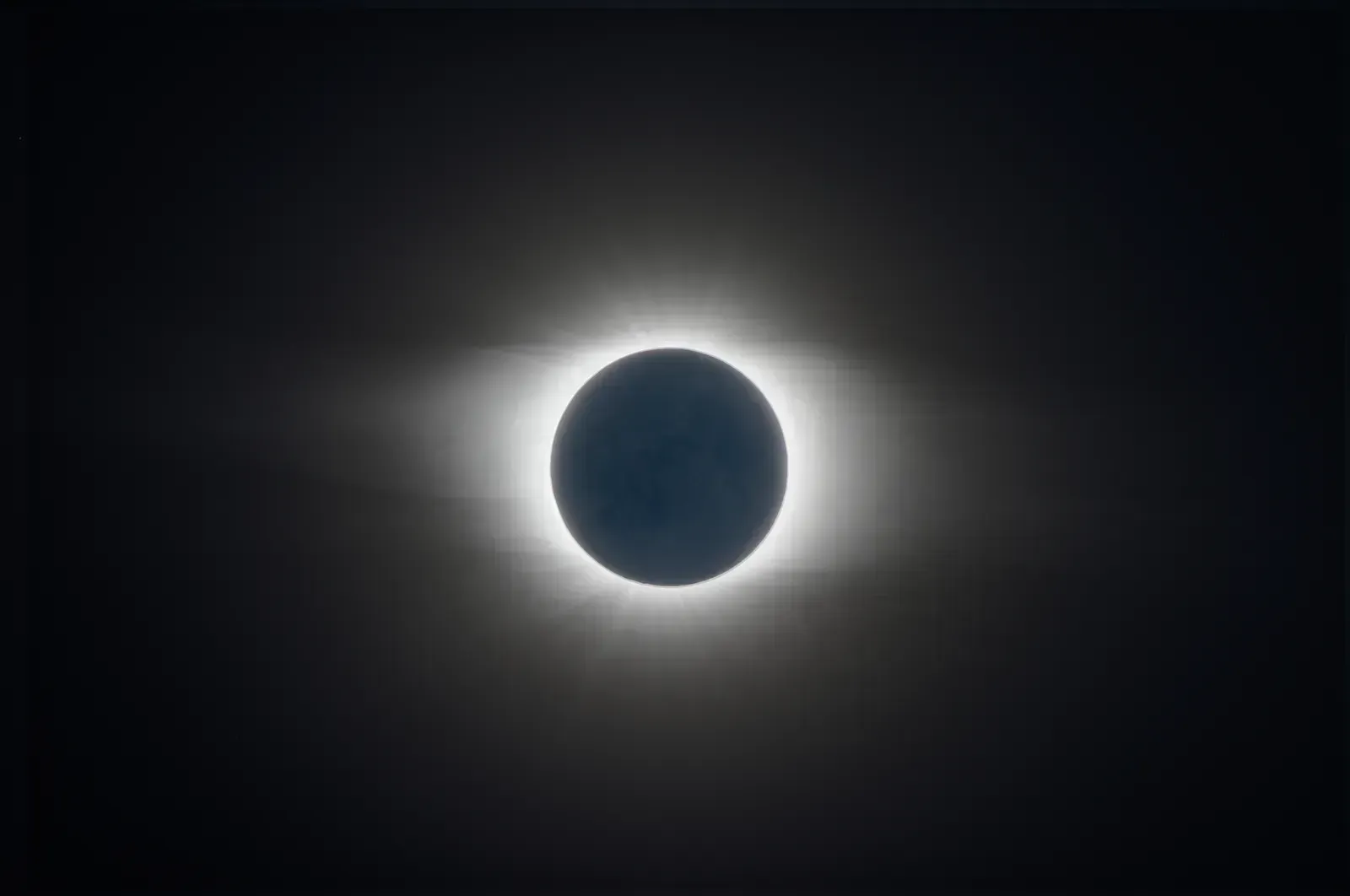
The next total eclipse for the Lower 48 is in 2044. Sources give the date as August 22 in the U.S. and August 23 in universal time, so you’ll see both. Totality will only occur over North Dakota and Montana, plus northern Canada, according to CNN.
Space.com and CBS News also list South Dakota, so sources don’t fully agree on that state. CBS News says the path crosses Williston and Dickinson, North Dakota, and Great Falls, Montana.
Why 2044 Is Mostly a Canadian Event
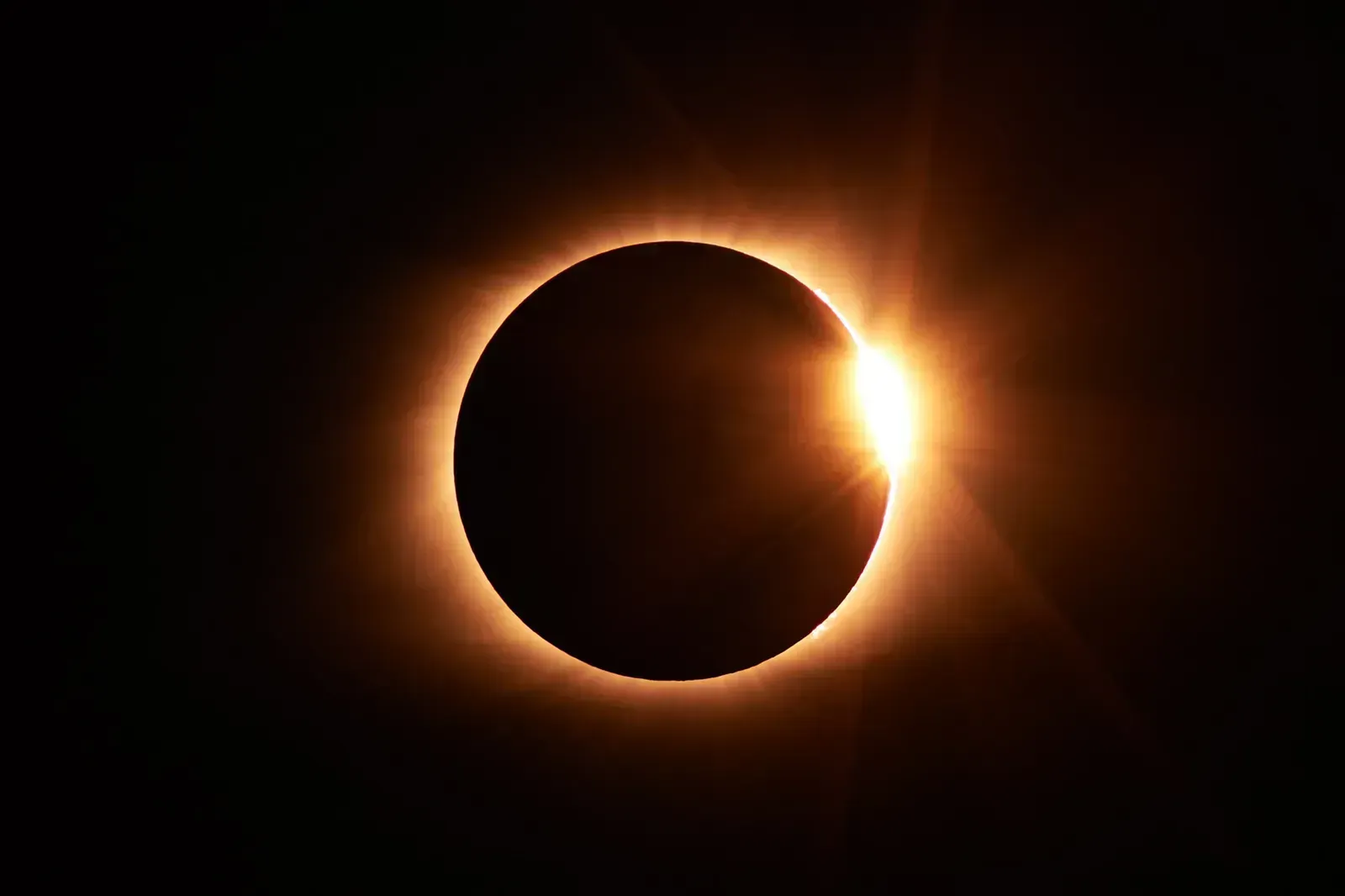
The 2044 eclipse starts in Greenland and continues its path through Canada. Most of the track lies north of the border. One guide suggests Banff and Jasper National Parks, with Calgary and Edmonton also inside the path of totality.
Space.com notes the U.S. stretch is sparsely populated. It also points out something photographers may like: the eclipse occurs around sunset. That should give a low, dramatic horizon, though it also means a cloud bank could easily spoil the view.
August 12, 2045: Coast to Coast Again
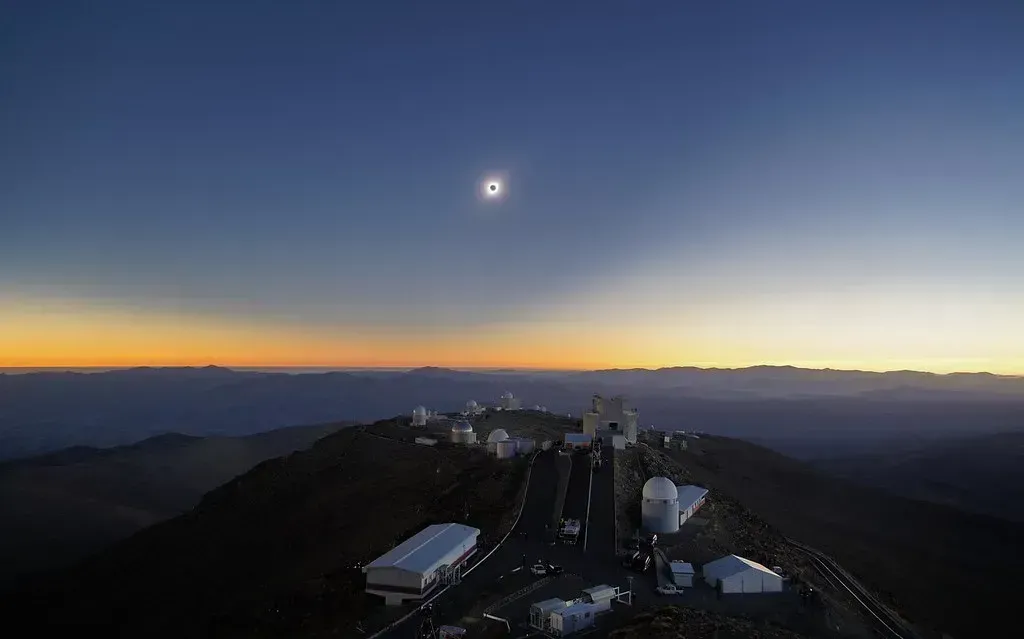
The big one arrives a year later. On August 12, 2045, the path of totality will arc over California, Nevada, Utah, Colorado, Kansas, Oklahoma, Arkansas, Mississippi, Alabama and Florida. Partial eclipse will be visible in other states.
EclipseWise counts 15 states along the path, while Wikipedia gives 13, so the tally varies by source and by how border states are counted. The path resembles 2017’s, but sits about 250 miles (400 km) to the southwest. Popular viewing suggestions include Reno, Colorado Springs and Kennedy Space Center in Florida.
Long Totality in the Southeast
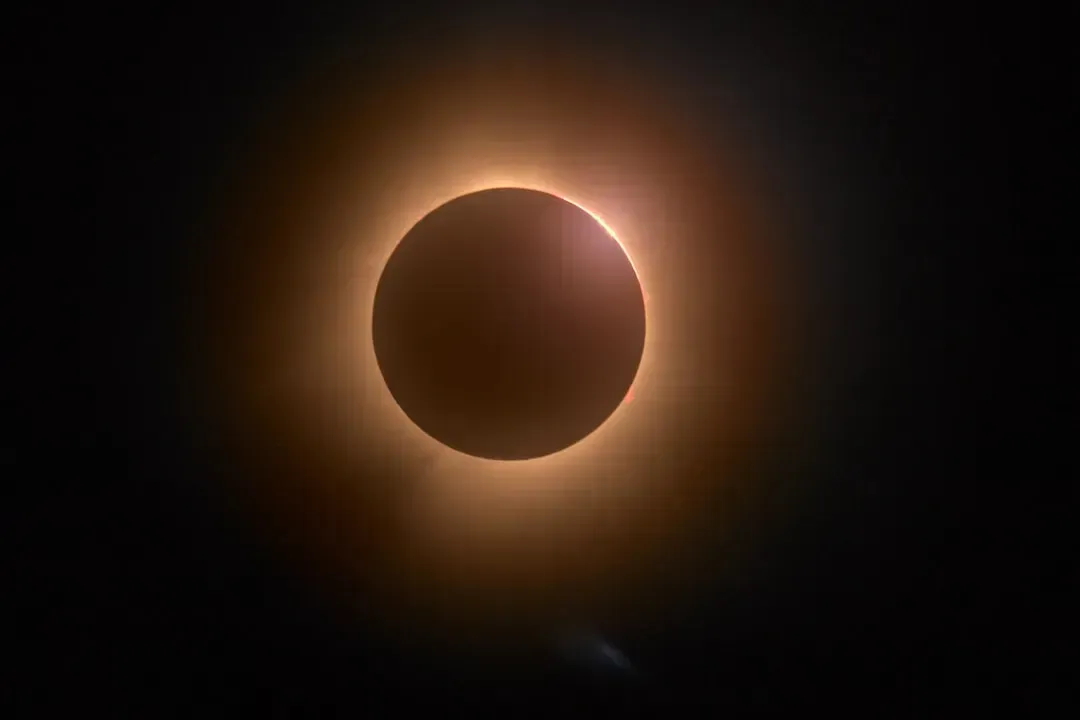
The 2045 eclipse is unusually long. Wikipedia calls it the fourth longest eclipse of the 21st century, helped by the Moon being near its closest point to Earth. Totality lasts at least six minutes along the stretch from Camden, Alabama, across Florida to the southern Bahamas.
The peak is just over six minutes, over the Atlantic east of Fort Lauderdale and south of Freeport, Bahamas. That’s well beyond the roughly four minutes seen at the best spots in 2024. Summer weather in the Southeast is a wildcard, so flexibility will matter.
Planning Ahead for Any of Them
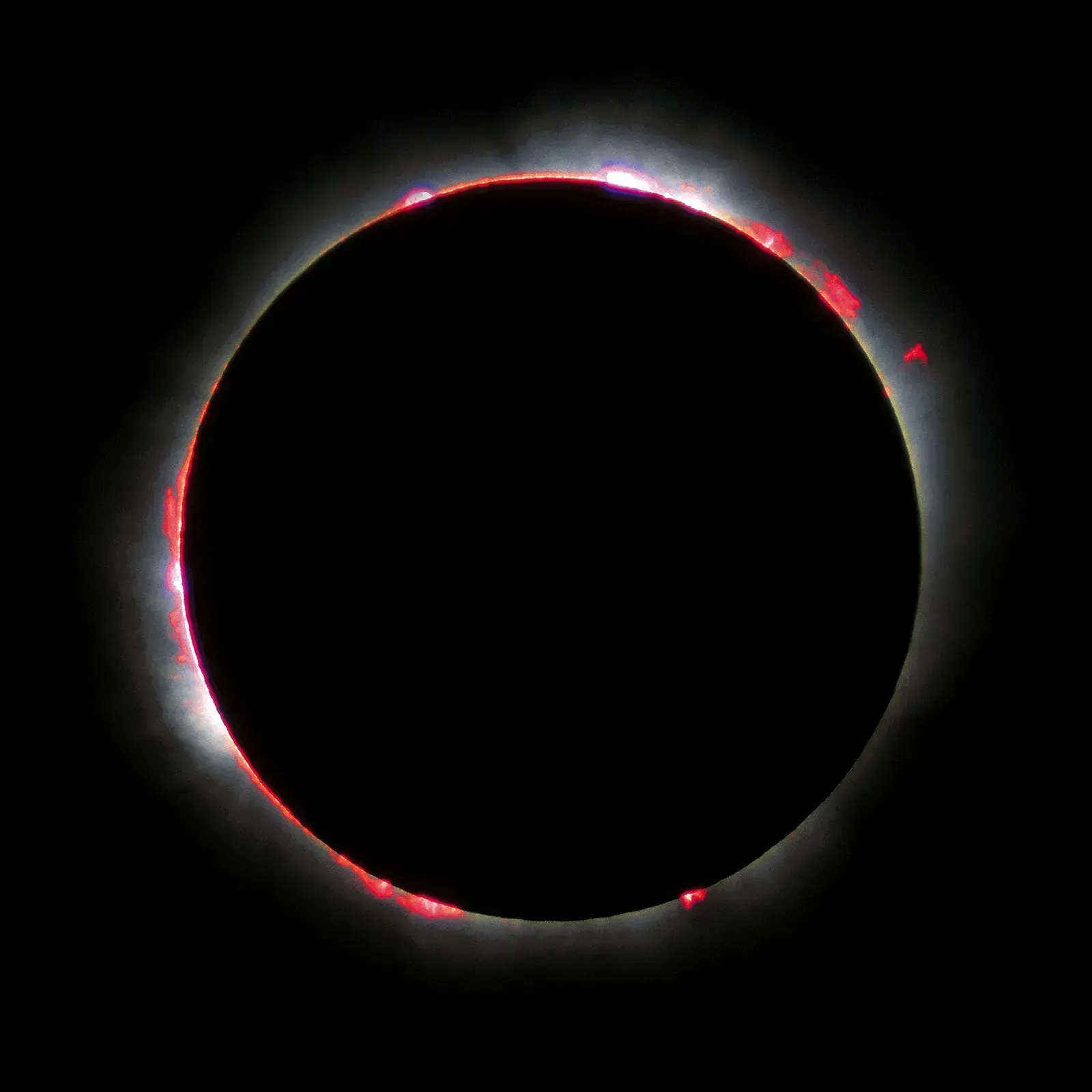
If you’re eyeing 2033 or 2044, book early. Space.com’s advice for remote places is to make your travel plans as early as possible. Small towns can fill quickly when totality passes overhead.
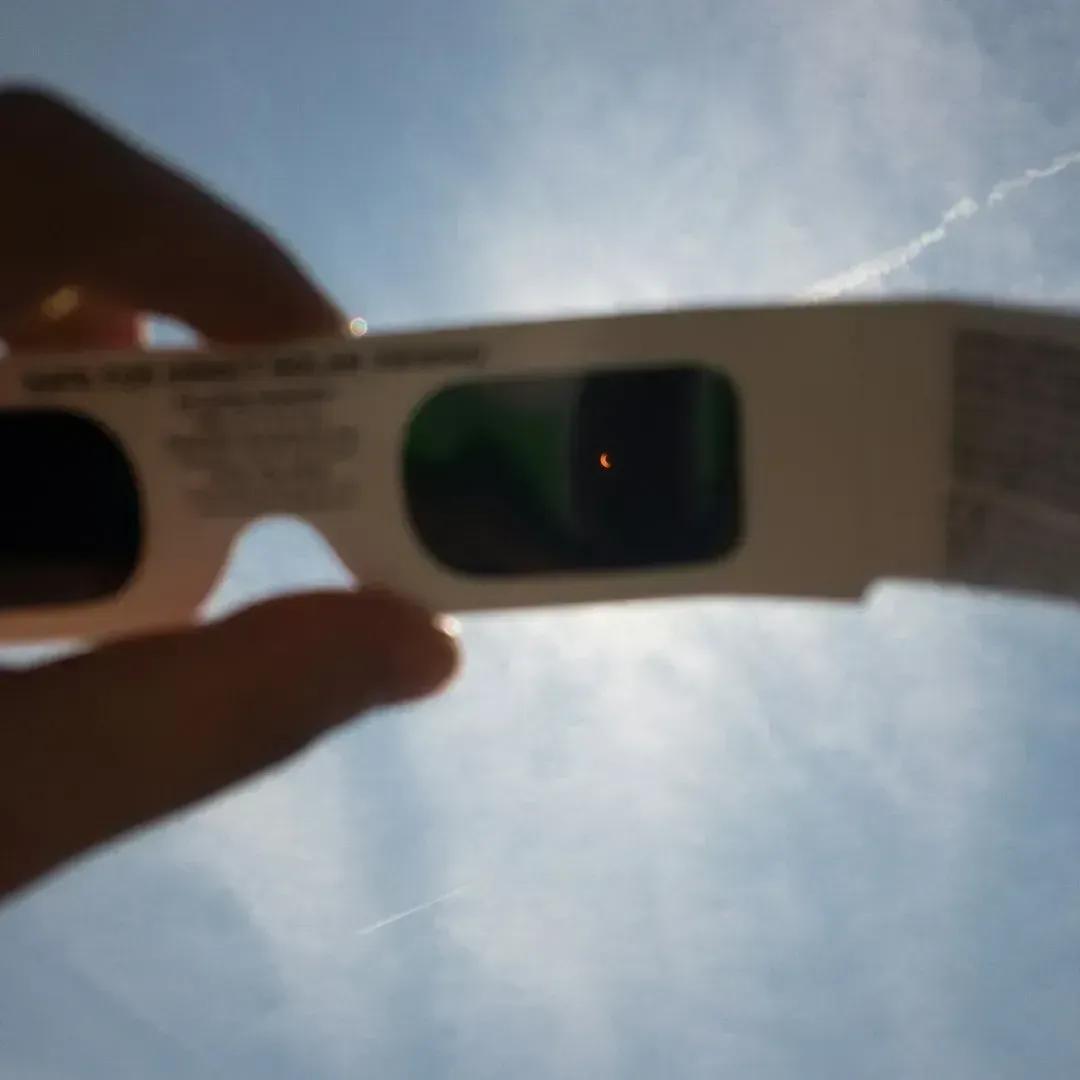
Eclipse glasses that meet the ISO 12312-2 standard are required for any partial phase, and you can only remove them during the brief total phase. Checking forecasts and having a backup location along the path is sensible for all three dates.
The Dates at a Glance
March 30, 2033: Alaska only, with totality up to 2 minutes and 37 seconds. August 22, 2044 (August 23 in universal time): Montana and North Dakota, near sunset, with South Dakota also listed by some sources.
August 12, 2045: California to Florida, with more than six minutes of totality near the Bahamas. Between them, these three events are the only total eclipses on the U.S. calendar until 2052.

- 9 Wildfire-Season Routines Many California Residents Follow - November 10, 2026
- Most US states face earthquake risk as major fault lines span the country - November 10, 2026
- The Joplin Tornado of 2011 Killed 158 People and Led to New Warning Language - November 10, 2026
