

- 9 Items Experienced Skywatchers Bring Along That Beginners Always Wish They’d Packed - November 12, 2026
- I Moved to Tornado Alley in Oklahoma – 7 Things I Did Not Anticipate About Storm Season - November 12, 2026
- VR tool shows how rising seas could flood Fort Lauderdale - November 12, 2026
Ask most people where the hottest place on Earth is, and they’ll say Death Valley. They’re mostly right, though the full story is messier. Heat records depend on whether you measure air or ground, which year you count, and whether the instruments can be trusted.
Here are five places that anchor the conversation. Some hold official records, and one holds a record of a different kind.
Death Valley, California: The Official Air Temperature Record
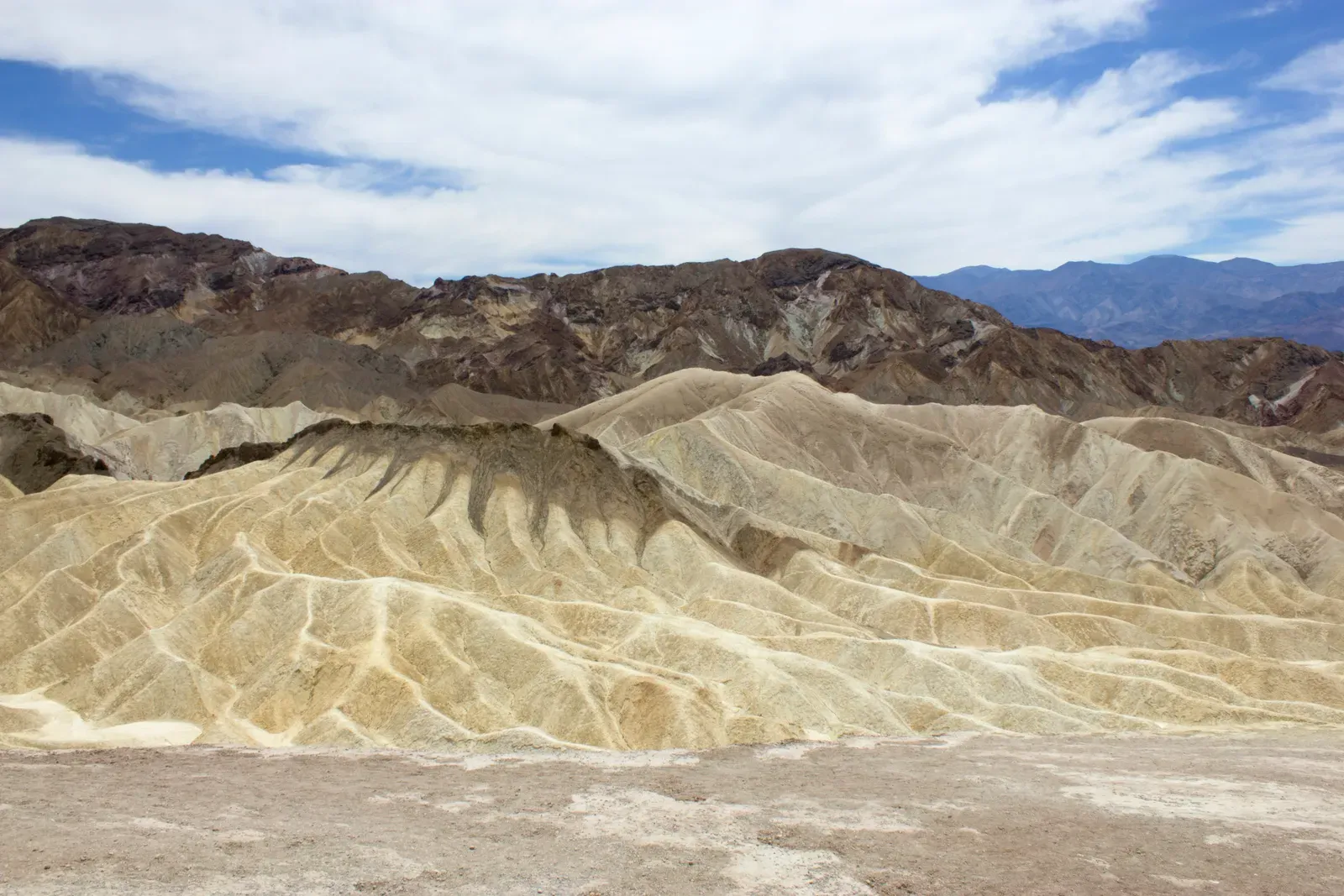
Furnace Creek in Death Valley National Park recorded 134°F (56.7°C) on July 10, 1913. The World Meteorological Organization (WMO) recognizes it as the highest air temperature ever reliably measured on Earth. The reading was confirmed after a formal review that finished in 2012.
The valley sits well below sea level, and its basin shape traps hot air. Bare, dark rock and very dry air add to the heat. Modern summers still come close to the record. In July 2024, Furnace Creek reached about 129°F (54°C) and had a long run of days above 120°F, according to National Weather Service reports.
Kebili, Tunisia: The Disputed African Record
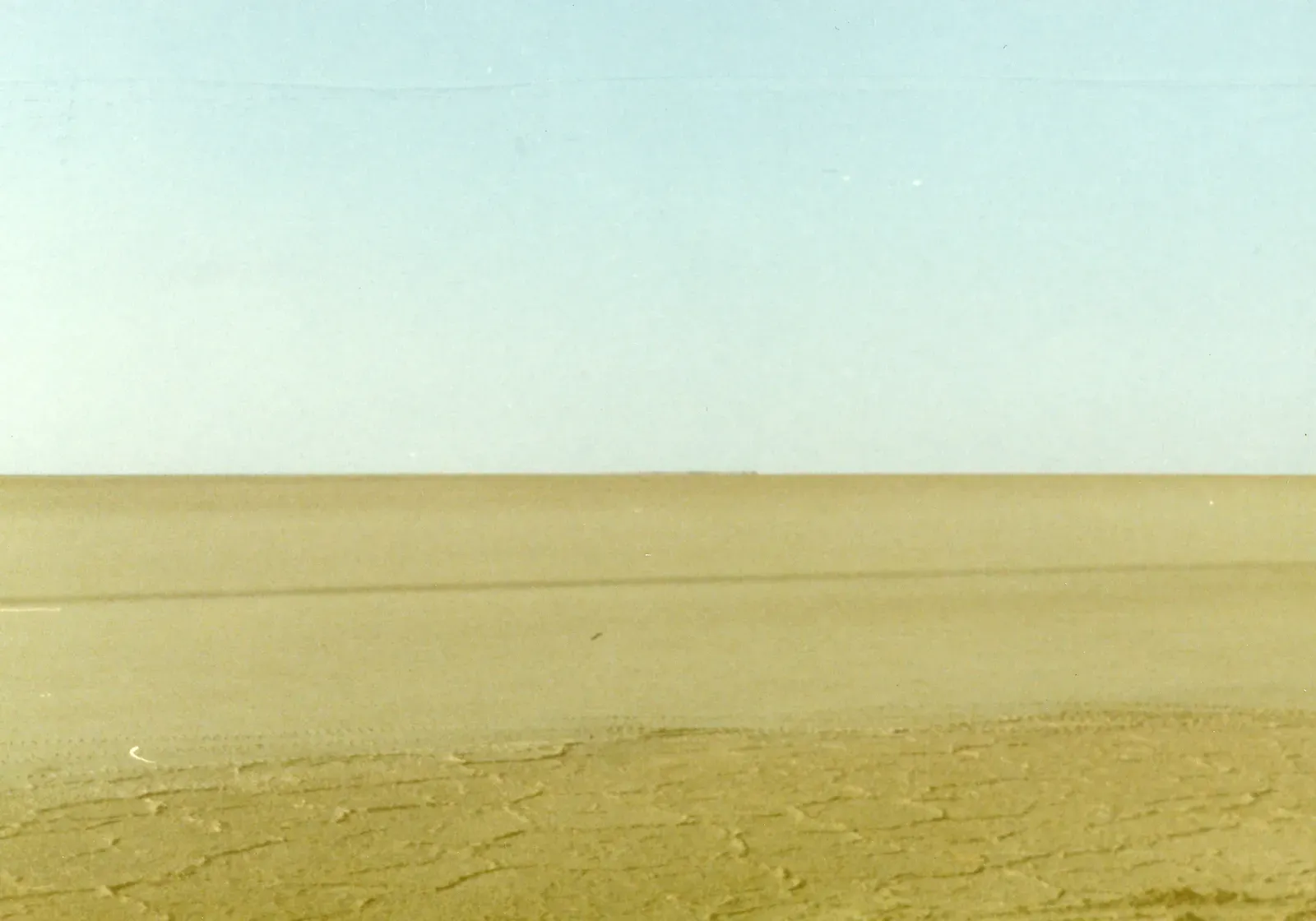
Kebili, in southern Tunisia, is credited with 55°C (131°F) on July 7, 1931. That would be the hottest African reading on record, and it would top all but Death Valley’s figure on the world list. The WMO’s records archive lists it as the African record.
Many climatologists doubt it, though. Records from that era relied on older instruments and less standardized observing practices. Some researchers have argued the reading may be unreliable, so it’s usually treated as a strong claim rather than a settled one.
Tirat Zvi, Israel: Asia’s Long-Standing Benchmark
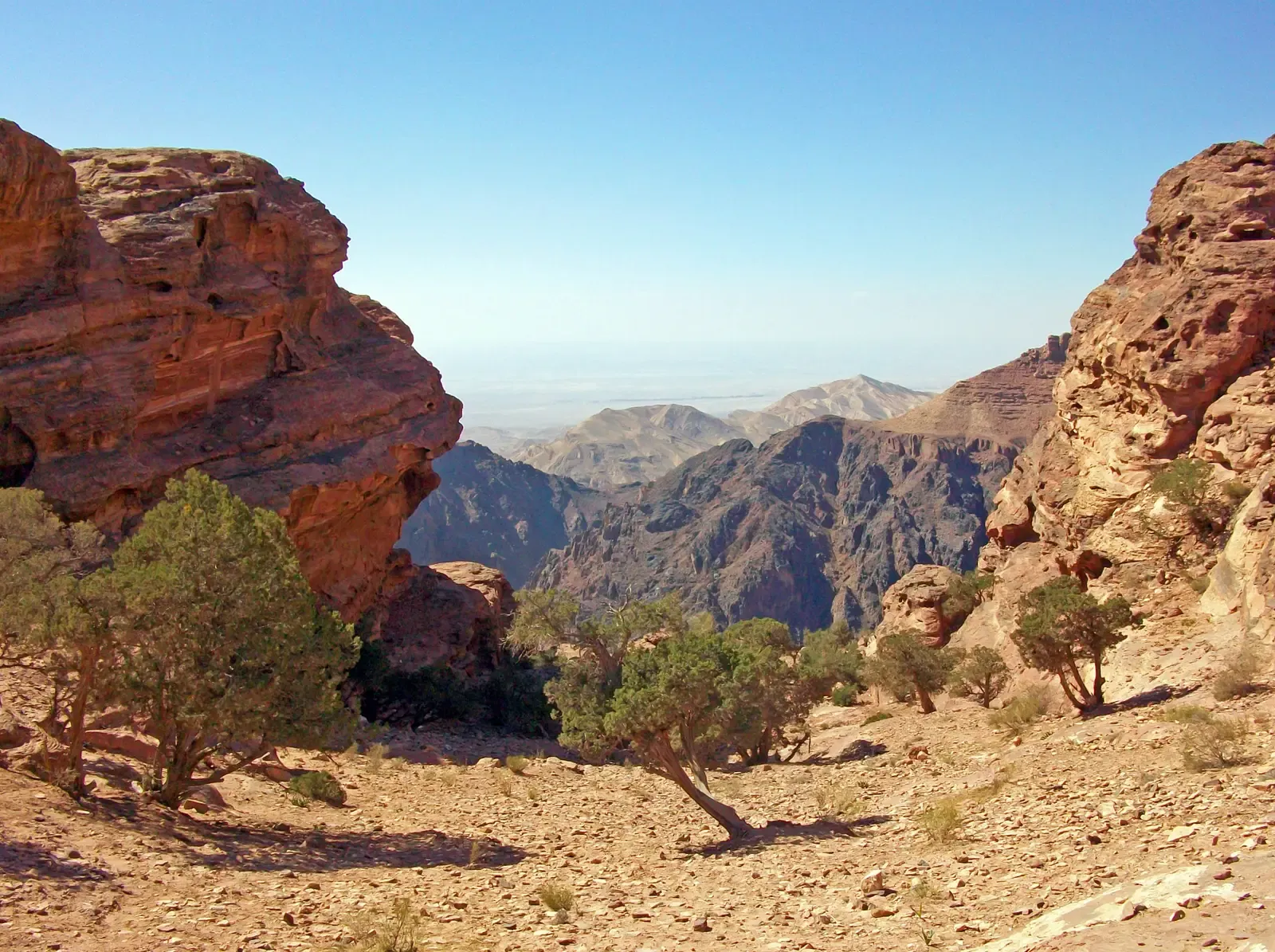
Tirat Zvi sits in the Jordan Valley, close to the Dead Sea depression. On June 21, 1942, it recorded 53.9°C (about 129°F). The WMO recognizes this as an Asian record.
The Jordan Rift is one of the lowest land areas on Earth. Sinking air in a deep basin warms as it descends, which helps explain the extremes. Tirat Zvi’s number stood alone for decades before other locations matched it.
Mitribah, Kuwait, and Turbat, Pakistan: Modern Readings
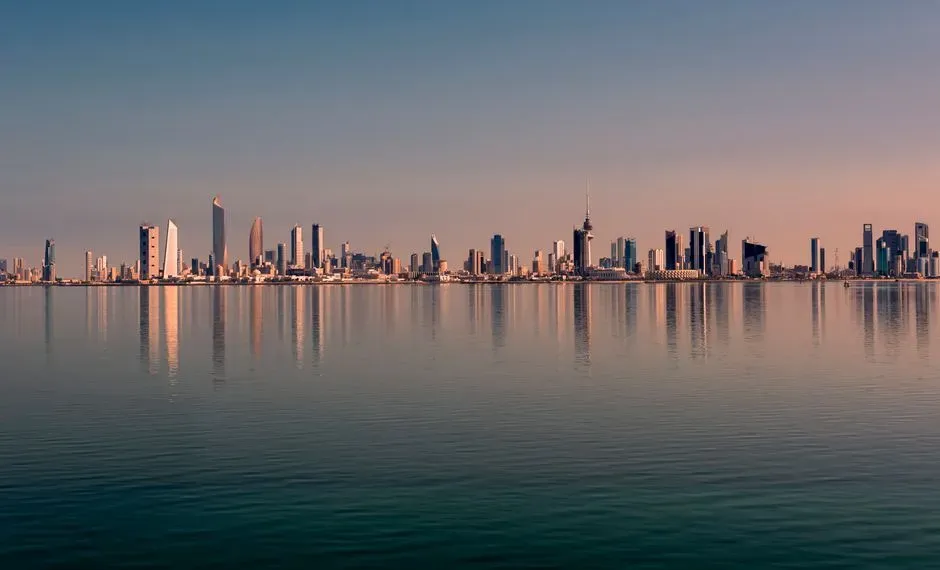
On July 21, 2016, Mitribah, Kuwait, reached 53.9°C, matching the Asian benchmark. Basra, Iraq, recorded the same value that day. The WMO later reviewed the figures and accepted them as among the highest reliably measured temperatures on the planet.
In May 2017, Turbat, Pakistan, hit 53.7°C (about 128.7°F). It was also assessed by the WMO. These readings matter because they come from modern automated stations, which makes them easier to verify than many historical claims.
Lut Desert, Iran: The Hottest Ground on Record
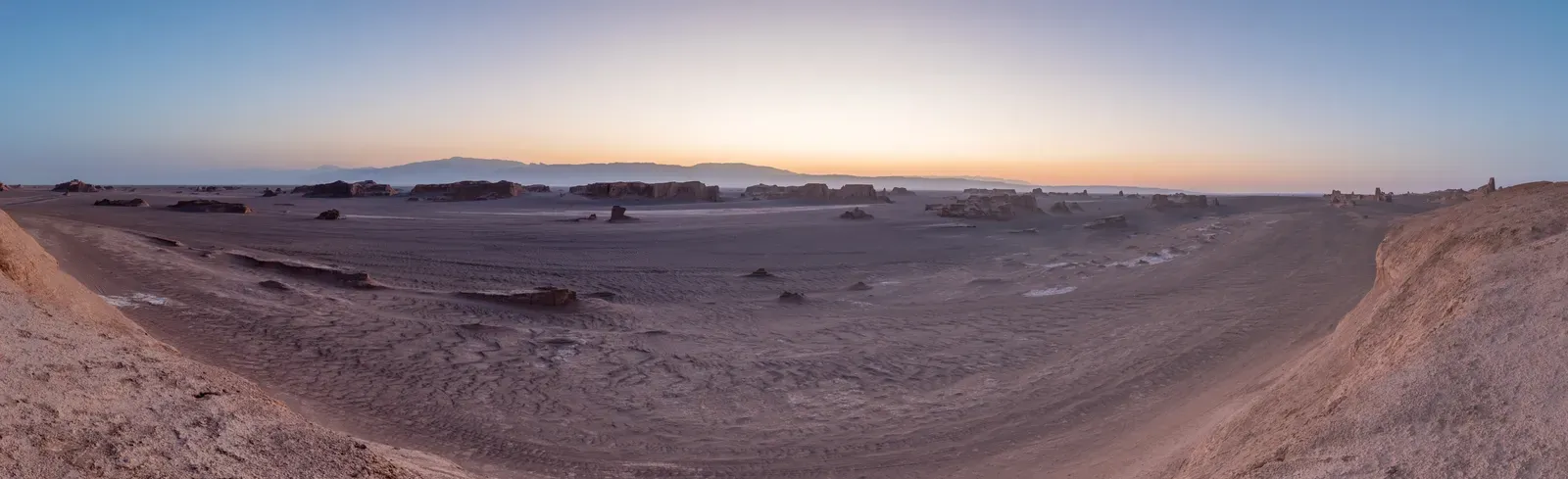
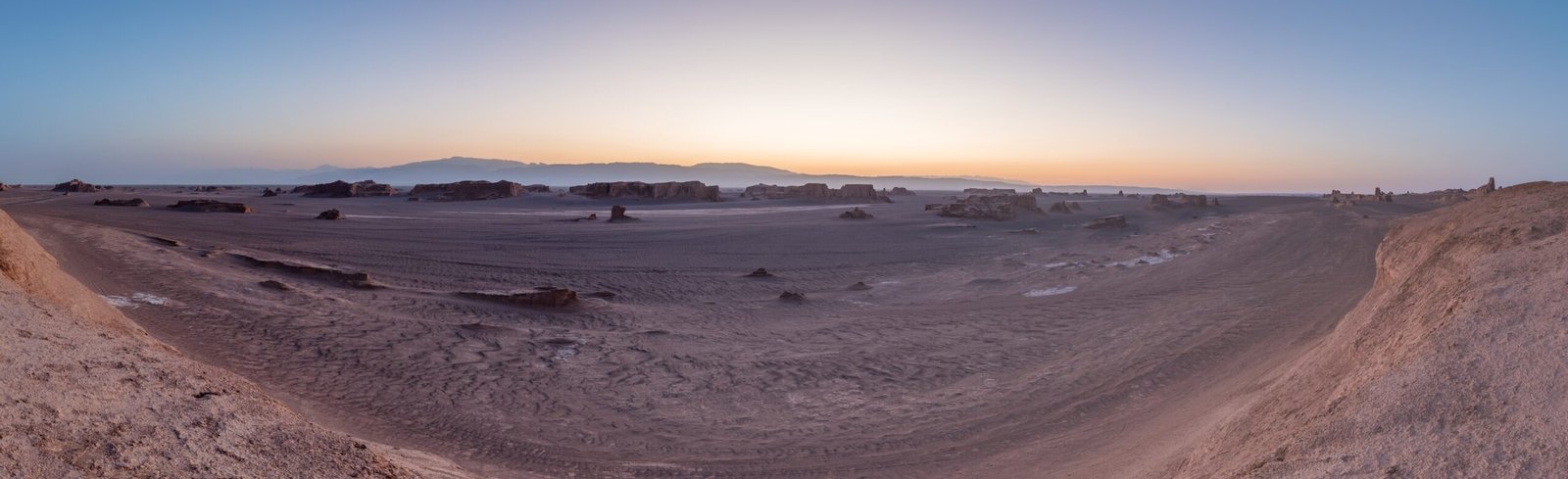
The Dasht-e Lut in southeastern Iran holds a different kind of record. NASA’s MODIS satellite instruments measured land surface temperatures there of about 70.7°C (159°F) in 2005, and again in later years. That is the ground, not the air, so it can’t be compared directly with the Death Valley figure.
The desert has almost no vegetation and its dark lava fields absorb heat, while the air is extremely dry. Satellite readings also differ from thermometers in weather shelters, which sit about a couple of meters above the ground. The Lut was named a UNESCO World Heritage Site in 2016 for its striking desert landforms.
How These Records Are Checked
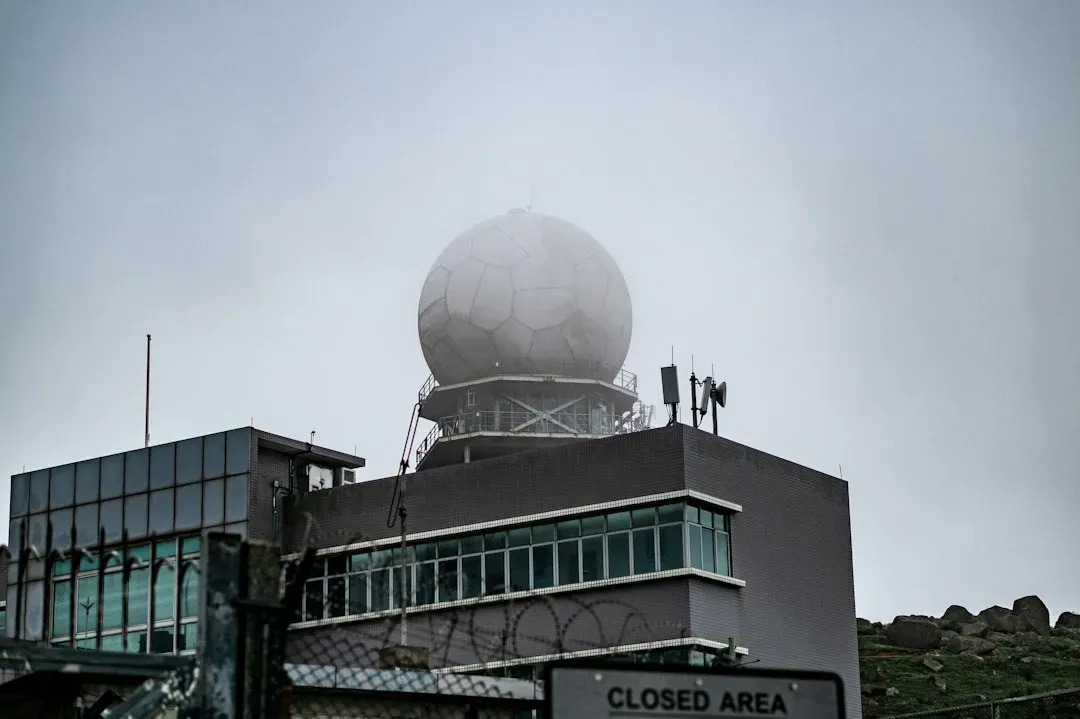
The WMO runs an evidence archive for weather and climate extremes. Investigators review the instruments, the station site, the observers, and the surrounding weather at the time. That process led the WMO to reject a 58°C reading from El Azizia, Libya, in 1922, after a 2012 review found it was invalid.
Because of that scrutiny, Death Valley’s 1913 reading stays on top for now. Kebili’s figure and the Lut satellite readings remain in separate categories, one questioned and one measuring the ground.
