


- Planetarium Educators Share the 8 Questions Visitors Ask Most Often - October 16, 2026
- 8 Pieces of Space Hardware That Fell Back to Earth, and Where They Landed - October 16, 2026
- 8 Space Technologies From the 1960s That Ended Up in Everyday Homes - October 16, 2026
1. Fatty fish and fish oil
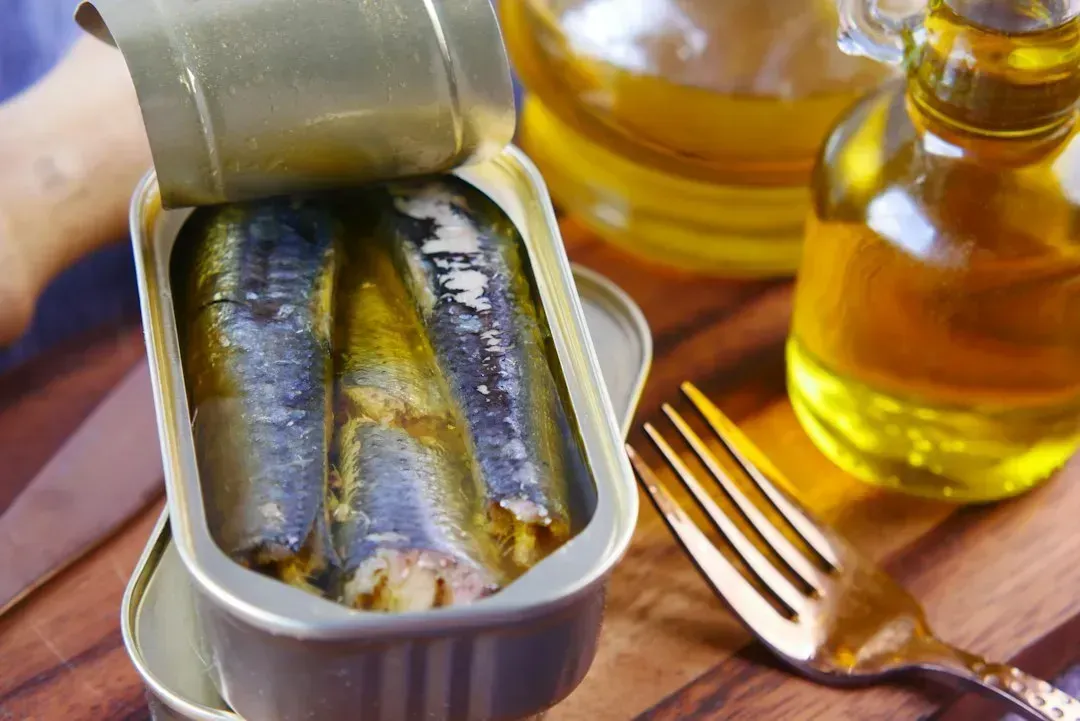
Fish sits at the center of one of NASA’s more compelling nutrition findings. NASA-sponsored studies have found that omega-3 fatty acids found in fish oil may play a role in mitigating bone breakdown that occurs during spaceflight and in osteoporosis. The research combined cell culture work, ground-based bed rest studies, and actual flight data from shuttle and station crews.
Researchers found that astronauts who ate more fish lost less bone mineral after four-to-six-month spaceflights. Digging into the mechanism, scientists documented that a specific omega-3 fatty acid called EPA inhibited activation of a protein called NF-kappaB, which is tied to bone resorption, muscle wasting, and inflammation. It’s not a magic fix, and NASA nutritionist Scott Smith has acknowledged that the link between fish intake and bone protection could partly reflect what astronauts weren’t eating instead of fish, but the pattern was consistent enough to warrant continued study.
2. Leafy greens and other potassium-rich vegetables
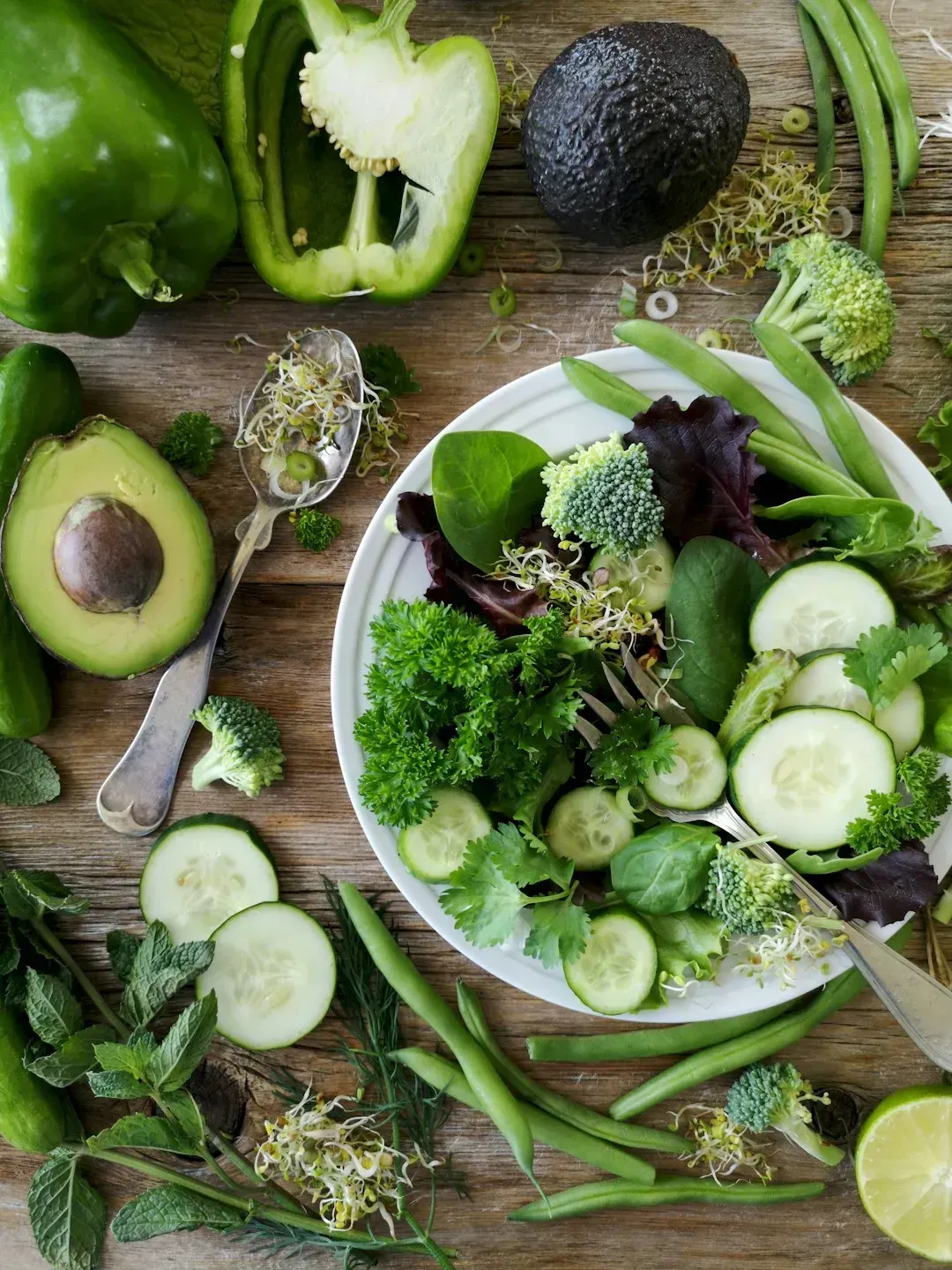
NASA’s Pro K investigation, which ran for six years aboard the space station, looked specifically at how the ratio of animal protein to potassium in the diet affects bone. NASA’s Pro K investigation, which ran from 2009 to 2015, examined whether a diet with a decreased ratio of animal protein to potassium reduced the loss of bone mineral in astronauts, and results showed that increasing vegetable and fruit intake may help protect against loss of bone mineral when adequate calcium is consumed.
The logic behind this comes down to acid-base balance in the body. Animal protein usually has a high content of sulfur-containing amino acids, and animals have a lower content of potassium than plants, and oxidation of sulfur-containing amino acids may lead to a low-grade metabolic acidosis and respective bone resorption, which can be compensated for by decreasing the ratio of animal protein to potassium. Leafy greens like spinach and kale fit neatly into that strategy, delivering potassium alongside vitamin K, which plays its own supporting role in bone metabolism.
3. Sweet potatoes
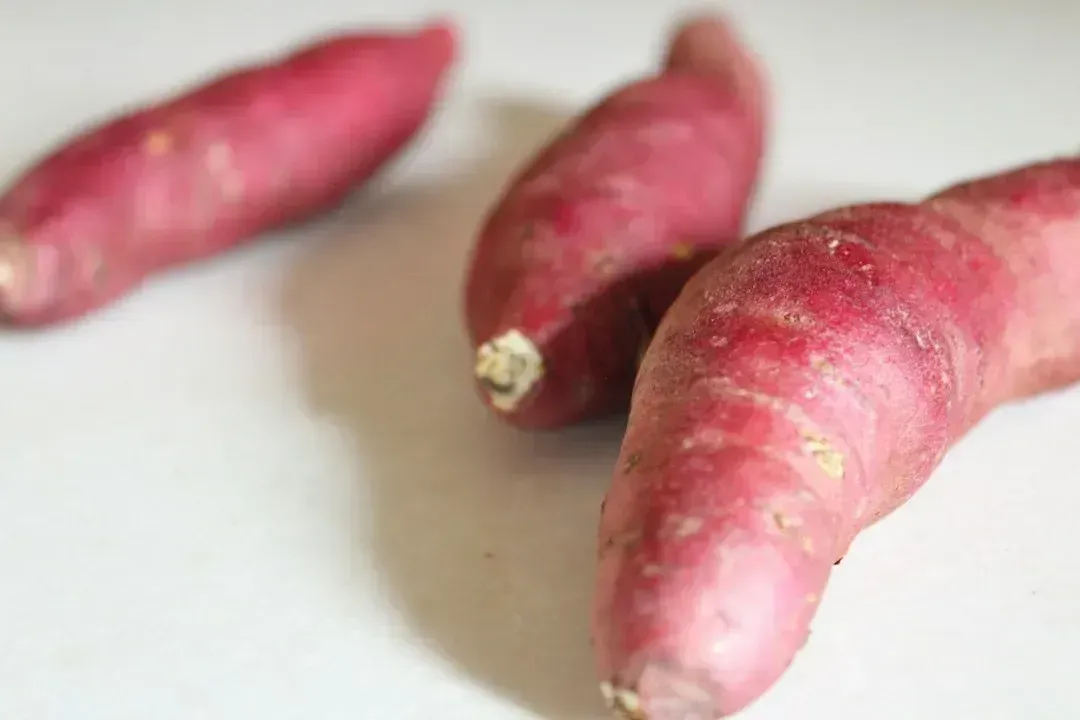
Sweet potatoes have earned a spot on the shortlist of crops NASA and affiliated researchers consider ideal for long-duration missions. Leafy greens, legumes, and biofortified grains are ideal candidates, with sweet potatoes noted for being high in vitamin A and complex carbohydrates. That combination matters for a body under stress, since vitamin A supports immune function while complex carbs provide steady energy without the blood sugar swings simpler starches can cause.
Sweet potatoes also bring meaningful potassium to the table, tying them into the same bone-protective logic behind the Pro K findings. As a crop being evaluated for actual cultivation in space, they’re doing double duty, feeding astronauts on Earth-launched supplies now while being tested as something crews could eventually grow themselves on longer missions to the Moon or Mars.
4. Soybeans and soy-based proteins
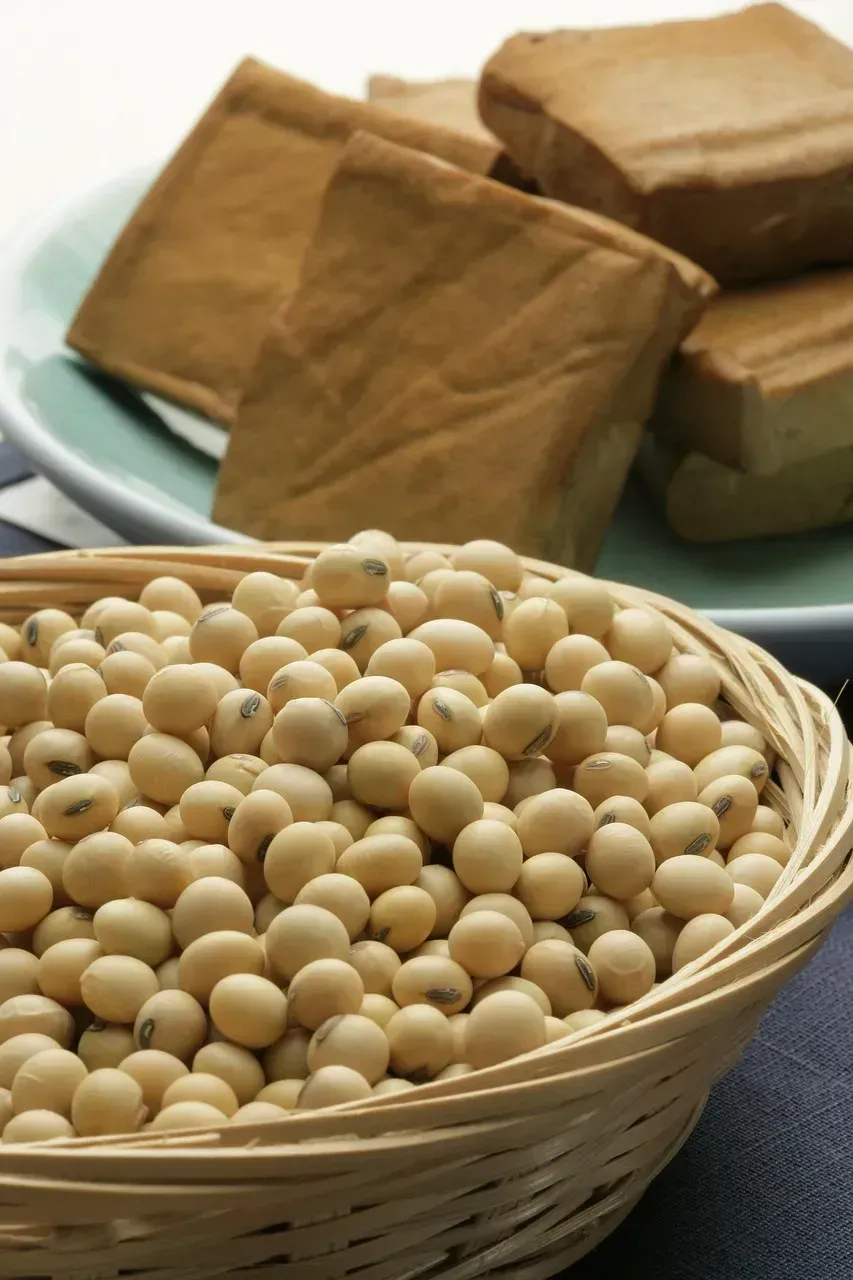
Protein type, not just protein quantity, turns out to matter for astronaut bones. The type of dietary protein is also important for bone health, plant-based protein being more efficacious than animal protein. Soybeans are a standout example, showing up repeatedly in space nutrition research as a nutrient-dense, plant-based protein source.
Soybeans are noted as rich in protein and essential amino acids among the crops considered ideal for astronaut diets. Beyond the amino acid profile, soy contains phytoestrogens that some researchers believe interact with bone-remodeling pathways, adding another layer to why it keeps appearing in discussions of functional foods for spaceflight.
5. Berries and other polyphenol-rich fruits
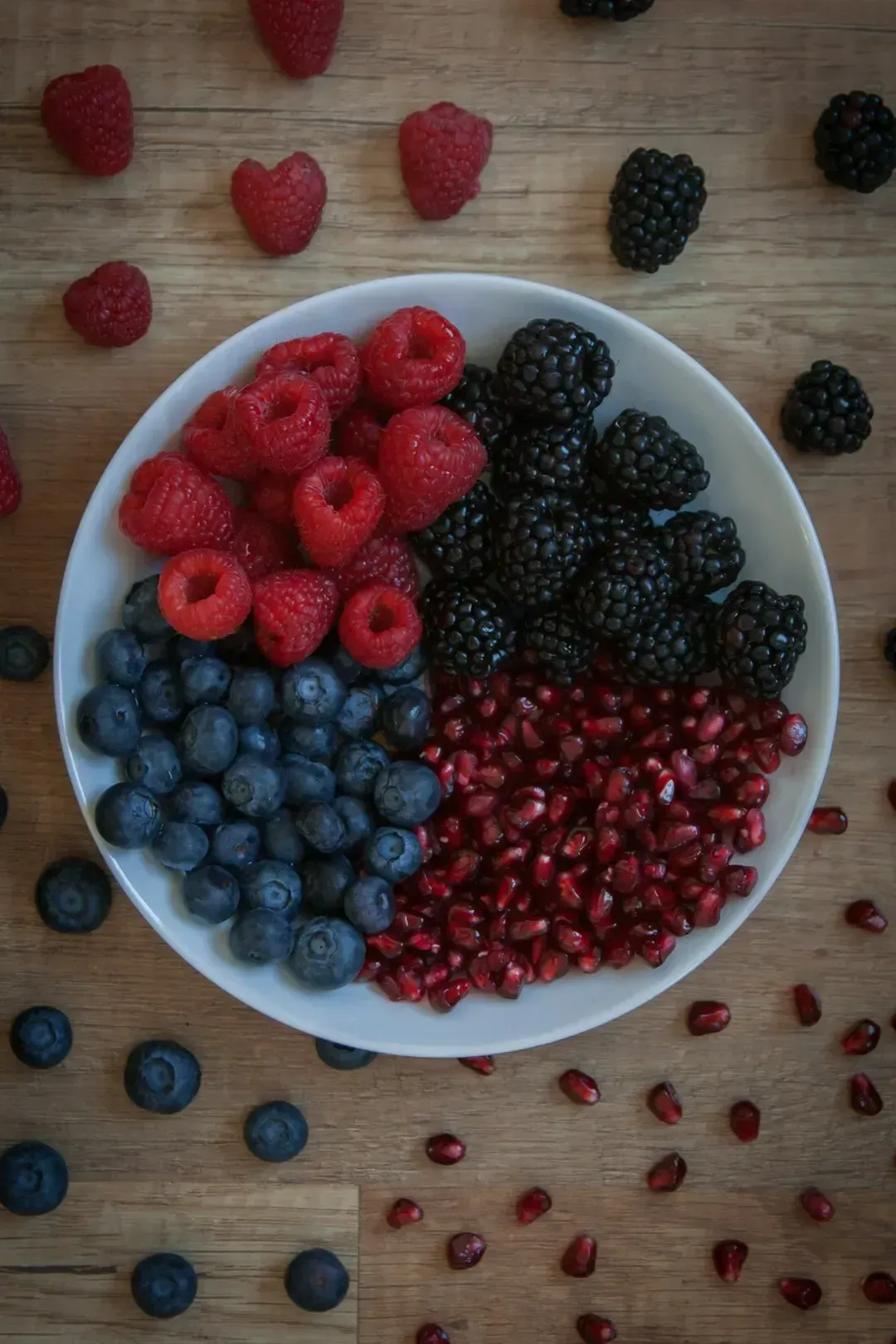
Berries have drawn attention less for their vitamin content and more for their polyphenols, plant compounds with antioxidant properties that researchers think could counter some of the cellular damage caused by radiation and microgravity. A systematic review investigated current space food systems and the potential for non-nutrients such as flavonoids and polyphenols to counteract radiation- and low gravity-induced degeneration of bone, vision, muscle strength, immune function and cognition, finding that polyphenol dietary interventions have been shown to mitigate radiation-related physiological effects.
Specific to the brain and immune system, one line of that research pointed to berry extracts having a measurable protective effect. From the results of these studies, it appears that berry extracts have a significant effect on preventing cognitive problems through attenuating the expression of NADPH-oxidoreductase-2 and cycloocygenase-2 in both frontal cortex and hippocampus and immune system problems caused by radiation similar to that experienced in space. While most of this work has been done in animal models rather than in astronauts directly, it’s shaping how mission planners think about fortifying future food systems.
6. Fortified dairy and calcium-rich foods

Calcium remains the most obvious nutrient tied to bone health, yet spaceflight complicates how the body handles it. Many nutrients are important for healthy bone, particularly calcium and vitamin D, and when a food containing calcium is eaten, the calcium is absorbed by the intestines and goes into the bloodstream, though absorption of calcium from the intestines decreases during spaceflight. That’s a frustrating wrinkle, because it means simply adding more calcium to the menu doesn’t automatically solve the problem.
Even so, calcium-fortified dairy and dairy-alternative products remain a baseline part of the space diet, largely because the alternative, cutting back, would be worse. Even when astronauts take extra calcium as a supplement, they still lose bone, which underscores why NASA pairs calcium intake with resistance exercise and vitamin D rather than relying on any single fix. Dairy also happens to be one of the easier ways to deliver that calcium in a form that travels well and fits into freeze-dried meal formats.
7. Potassium-rich fruits like bananas
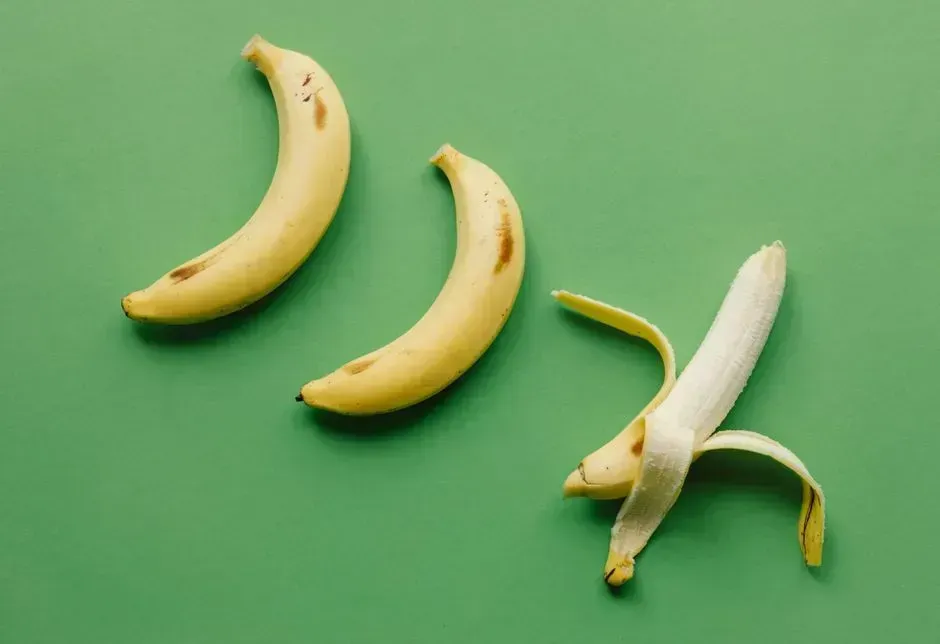
Sodium has been one of the trickier problems in space food history, and potassium-rich fruit has been part of the counterbalance. Prepackaged food for the ISS was originally high in sodium at 5300 milligrams per day, but NASA has reformulated 90 foods to reduce sodium intake to 3000 milligrams per day. That reformulation effort ran alongside dietary strategies to boost potassium intake, since the two minerals interact closely in how the body regulates fluid balance and bone metabolism.
Bananas are an easy shorthand for potassium-dense fruit, and while fresh bananas obviously don’t survive long in a spacecraft, dehydrated versions and potassium-fortified fruit products serve a similar purpose. High sodium intake has bone-resorbing effects during inactivity such as bed rest, which is essentially what extended microgravity mimics, so pairing sodium reduction with potassium-rich foods has become a two-pronged approach in NASA’s nutrition planning.
8. Quinoa and other complete-protein grains
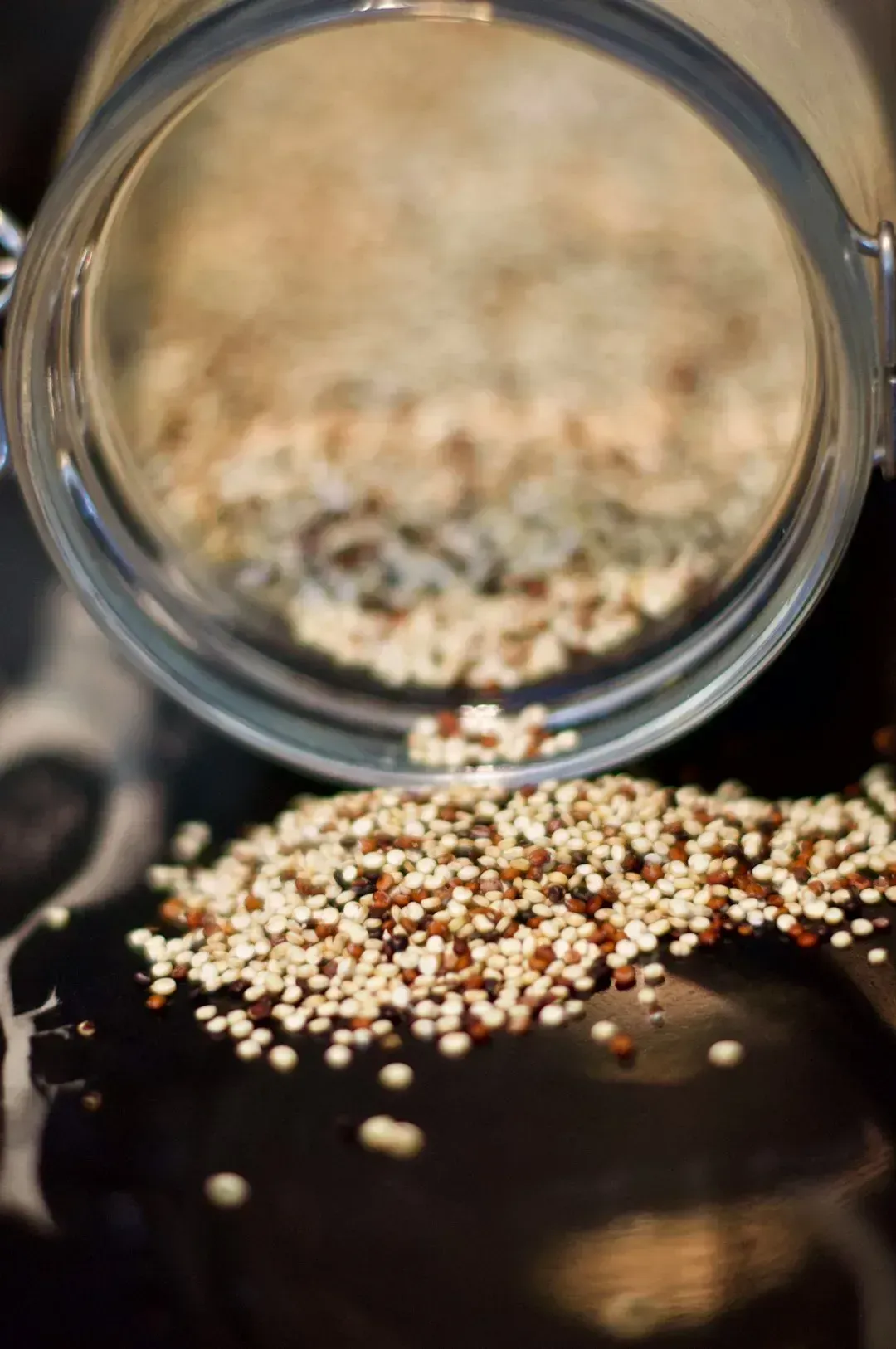
Quinoa shows up in space nutrition literature specifically because it checks a box that’s hard to fill with plant foods alone: a complete amino acid profile. Quinoa is described as a complete protein with high nutritional value among the crops researchers consider strong candidates for long-duration missions. That matters because relying too heavily on animal protein carries the bone-health downsides mentioned earlier, so having a plant-based grain that doesn’t require pairing with other proteins is genuinely useful for meal planning.
Grains like quinoa also tend to travel and store well, which is a practical concern that shouldn’t be underestimated. A food can have perfect nutritional credentials and still be useless on a mission if it spoils, takes up too much volume, or requires cooking equipment the spacecraft doesn’t have. Quinoa’s resilience on that front is part of why it keeps appearing on shortlists for both current resupply missions and future space-grown crops.
9. Vitamin D-fortified foods
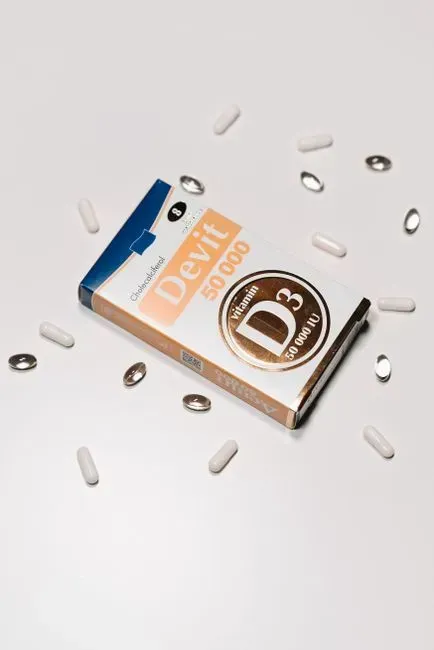
Vitamin D deserves its own entry because astronauts simply can’t make it the way people on Earth do. There are no sunny days on a space station, and because vitamin D is normally produced through sunlight exposure, along with sodium and iron it’s a nutrient astronauts need managed at different levels, since a lack of vitamin D can lead to dangerous bone loss or spaceflight osteopenia. Without that dietary source, the vitamin D pathway that supports calcium absorption and bone mineralization simply doesn’t function the way it would on the ground.
Research backing this up has been fairly direct about the payoff of getting vitamin D intake right. Recent publications have documented the effects of good nutrition and heavy resistance exercise on bone metabolism during space flight, and after more than a half century of human space flight, this represents the first evidence of the ability to mitigate the loss of bone mineral density in astronauts on long-duration missions. Fortified cereals, dairy products, and dedicated supplements now form a standard part of how NASA makes sure crew members get enough of this nutrient despite living without natural sunlight for months at a time.
Taken together, these nine foods reflect decades of trial, error, and careful measurement rather than any single breakthrough moment. NASA’s approach has consistently paired dietary changes with exercise countermeasures, since food alone has never been shown to fully prevent bone loss in microgravity. Still, the research offers a useful reminder that what astronauts eat genuinely shapes how their bodies hold up in space, and some of those lessons, particularly around fish, potassium balance, and vitamin D, carry practical relevance for bone health back here on Earth too.