


- Climate vs. Weather: How Scientists Distinguish Long-Term Trends From Daily Conditions - October 15, 2026
- How Warmer Ocean Water Affects the Strength of Hurricanes and Typhoons - October 15, 2026
- Sahara and Gobi Dust Storms: The Winds That Carry Desert Sand Across Continents - October 15, 2026
1. Paper straws
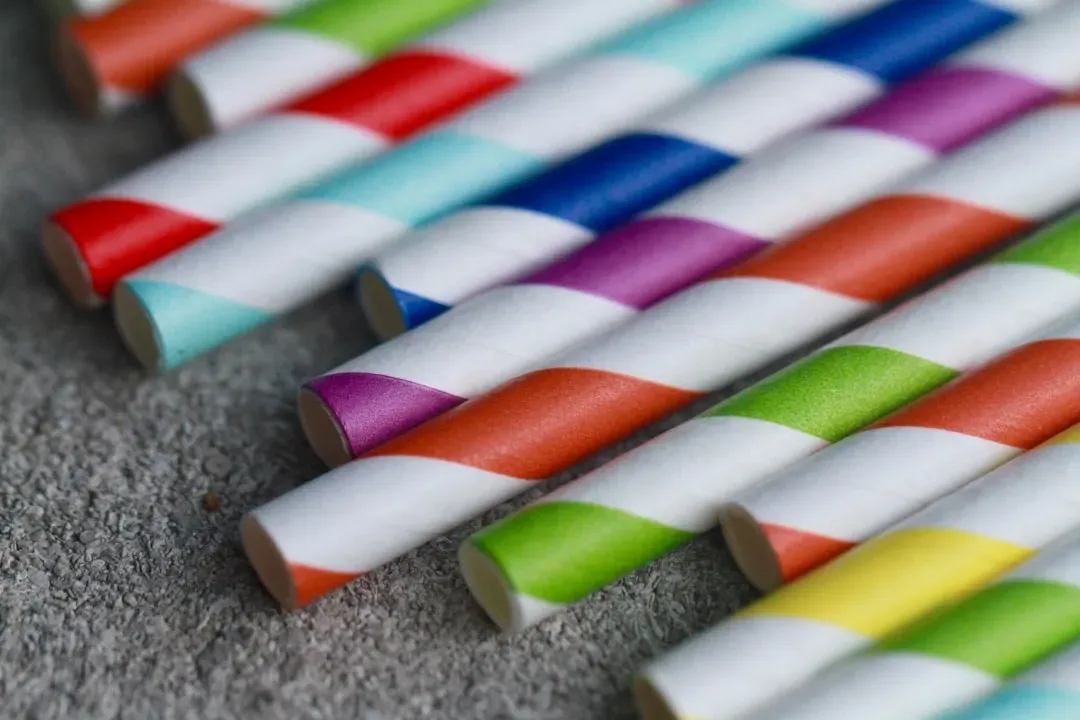
Few sustainability swaps have generated as much consistent griping as the paper straw. A 2023 YouGov poll found that 33% of Americans “disliked” or “hated” paper straws while only 21% “disliked” or “hated” plastic straws. That’s not a small gap. It suggests the backlash isn’t just online noise from a vocal minority.
The complaints are almost always the same: they get soggy fast, sometimes within minutes, and many drinkers end up going through two or three per beverage. Social media posts have called them everything from useless to an outright nuisance, with one user describing them online as an “abomination to drinks”. The irony is that the original push against plastic straws was based on a statistic about daily usage that was a rough guesstimate produced by then-9-year-old Milo Cress, while more precise industry estimates put Americans’ daily plastic straw use at around 170 million to 330 million.
2. Low-flow showerheads and toilets
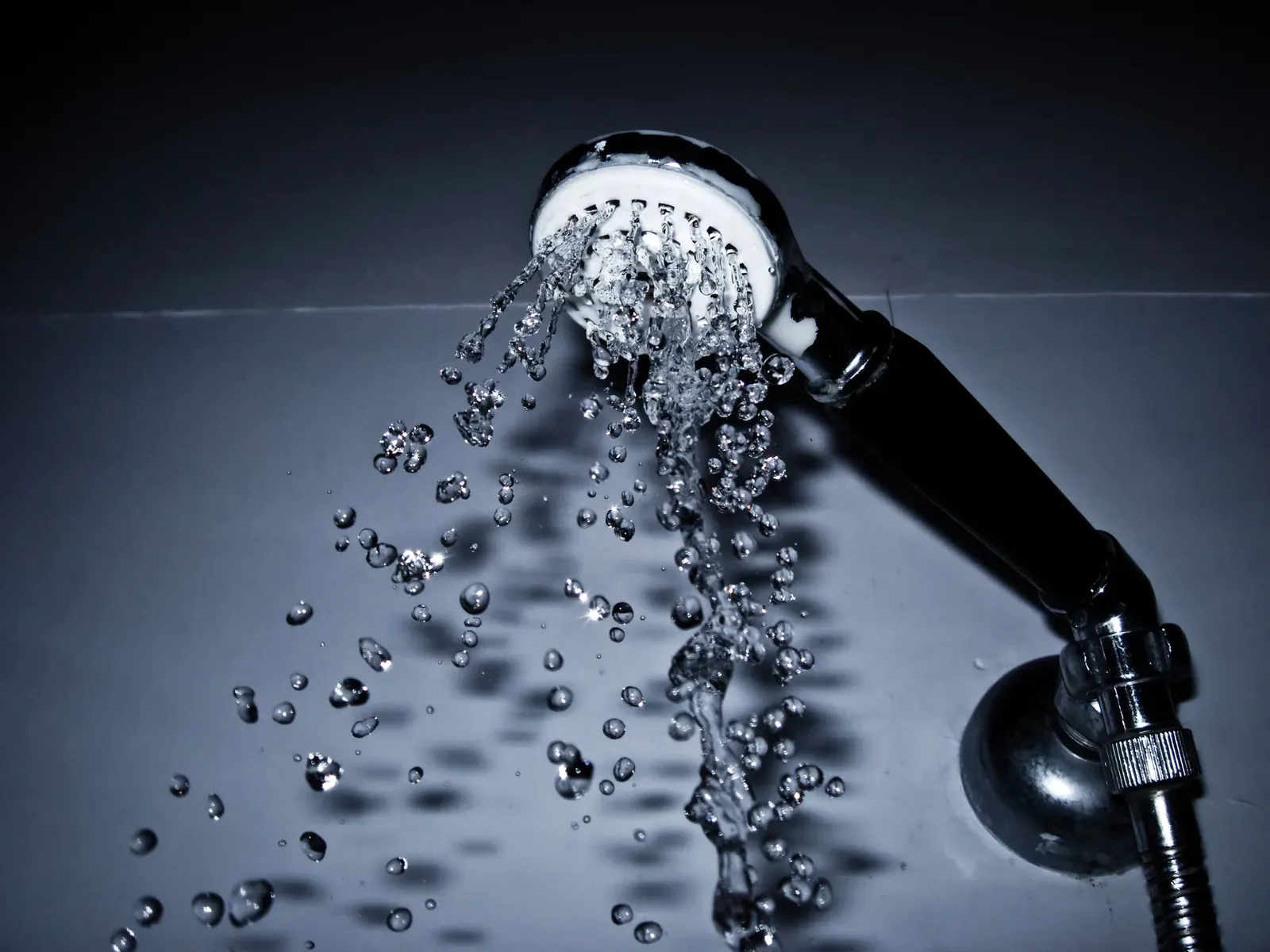
Water conservation fixtures have quietly annoyed Americans for decades, long before they became a political talking point. The federal flow limit dates back to the Energy Policy Act of 1992, passed by a Democratic Congress and signed by Republican President George H.W. Bush, which set the maximum flow rate for showers at 2.5 gallons per minute. Complaints about weak water pressure have followed that rule ever since.
The frustration became a genuine policy debate when a sitting president made his personal dissatisfaction public. President Trump signed an order to roll back water conservation regulations enacted by the Biden administration to limit pressure for showerheads and other appliances, calling the rules “ridiculous”. Whatever one thinks of the politics, the episode captured something real: showers account for roughly a fifth of household water use, and plenty of Americans simply find low-flow fixtures unsatisfying, regardless of the water they save.
3. Mandatory composting programs

New York City’s citywide composting mandate is the clearest recent example of a sustainability rule that looked reasonable on a fact sheet and ran into a wall of practical objections once enforcement actually began. When fines started in April 2025, DSNY issued over 4,000 tickets within two weeks, and the backlash was immediate, prompting Mayor Eric Adams to pause fines for smaller buildings just weeks later. That’s not a minor stumble. It’s a citywide program hitting resistance fast enough to force an official retreat.
The complaints weren’t abstract, either. Residents and building managers described stolen compost bins, as well as irregular pickups that lead to rotting food that attracts rats. One Bronx councilwoman bluntly called the fine structure “a money grab because the single family homes, two family homes are the only ones that are getting tickets for this”. Fines eventually came back in full starting in January 2026, but the friction between good intentions and apartment-living realities never fully disappeared.
4. Electric vehicle mandates and expectations
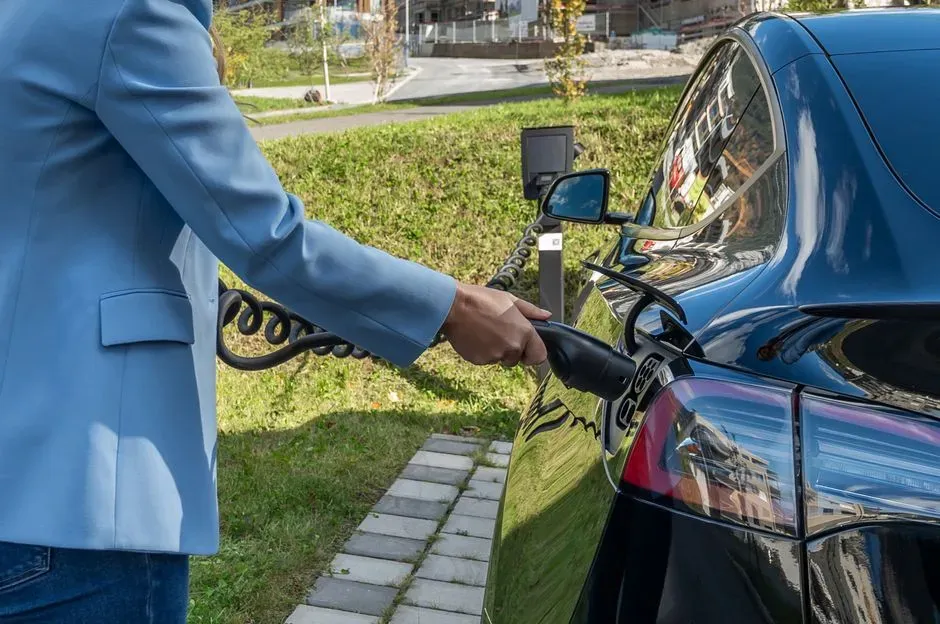
Electric vehicles occupy an odd space in the sustainability conversation. Many Americans like the idea of them in theory, yet actual purchase interest has been sliding rather than climbing. Pew Research found that interest in buying an EV is lower than a year ago, with today’s 29% of Americans saying they would consider an EV for their next purchase, down from 38% in 2023. That’s a meaningful drop in a short window.
Part of the resistance isn’t about the environment at all. It’s about charging infrastructure, upfront cost, and range anxiety in places without dense charging networks. Combine that with broader fatigue over top-down mandates, and EVs become a case study in how a technology can be widely acknowledged as cleaner while still losing ground in consumer enthusiasm. The gap between environmental messaging and household purchasing decisions rarely gets discussed as directly as the sales numbers demand.
5. Plastic bag bans and paid alternatives

Bag bans and the small fees attached to paper or reusable alternatives tend to generate a specific kind of low-grade, everyday irritation. It’s not usually dramatic outrage. It’s the repeated inconvenience of forgetting a reusable bag, paying an extra dime or quarter at checkout, or juggling groceries by hand because a store no longer offers a free option. That friction accumulates over hundreds of small shopping trips a year.
The policy debate underneath these bans is also more complicated than the marketing suggests. Critics have pointed out that heavier reusable bags require far more resources to produce than a single thin plastic bag, meaning the environmental math only works out if shoppers actually reuse them dozens of times, which many don’t. That disconnect between intention and outcome is a big part of why the policy draws grumbling even from people who don’t object to reducing plastic waste in principle.
6. Gas stove and appliance restrictions
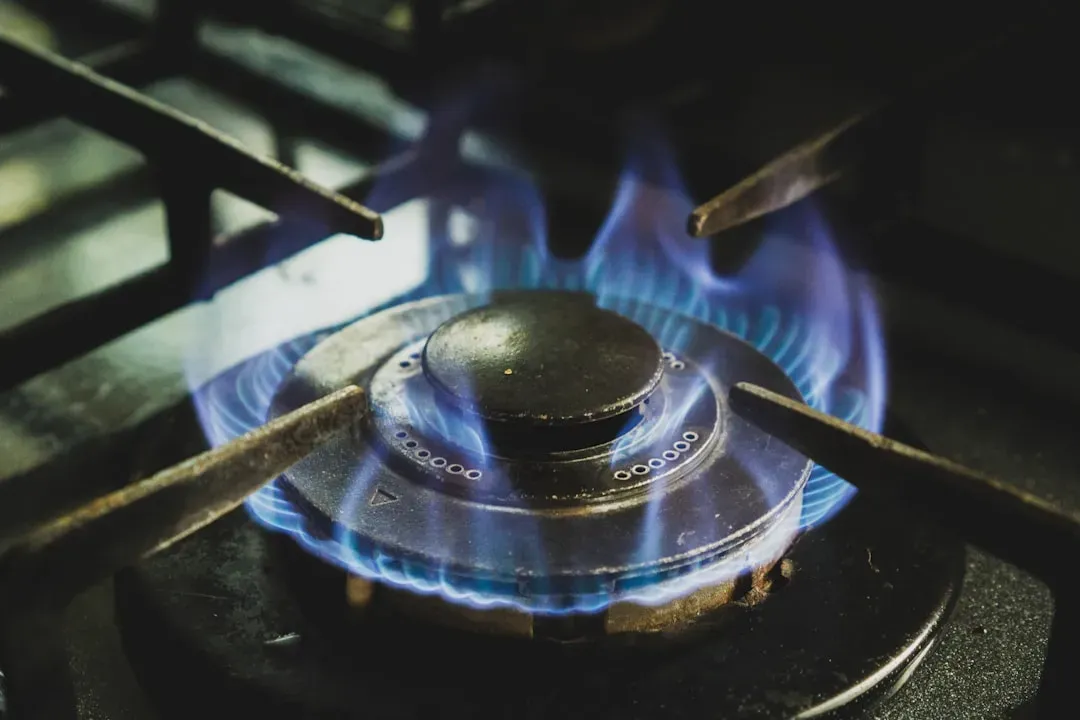
Efforts to phase out gas stoves in new construction or push households toward electric alternatives have consistently struck a nerve, particularly among home cooks who feel genuine attachment to how gas burners perform. Unlike some sustainability swaps, this one touches something people do multiple times a day, which seems to intensify the reaction. Restaurant chefs and home cooking enthusiasts alike have been especially vocal about resisting the switch.
The debate has also become tangled with broader anxieties about government overreach into home appliances, echoing similar fights over showerheads, lightbulbs, and dishwashers. Whether or not electric induction cooktops eventually close the performance gap, as many manufacturers now claim they will, the emotional resistance to being told which stove to use has proven durable. It’s less about the specific emissions math and more about a felt sense of losing choice over something intimate and habitual.
Taken together, these six examples share a common thread. The friction rarely comes from opposition to sustainability as a goal. It comes from products and mandates that feel less convenient, less functional, or more costly than what they replaced, especially when the switch happens abruptly or gets enforced with fines rather than incentives. Real reactions, whether from surveys, social media, or city council testimony, suggest that durable environmental change depends less on mandates alone and more on solutions that actually work as well as, or better than, what came before.