

On a mountaintop in northern Chile, a telescope is now doing something no observatory has done at this scale. It photographs the same patches of sky again and again, night after night, so astronomers can watch the universe change.
The instrument behind this effort is a digital camera roughly the size of a small car. The Simonyi Survey Telescope at the NSF–DOE Vera C. Rubin Observatory has officially begun the Legacy Survey of Space and Time. Here’s how the machine works and what it’s meant to find.
A Camera Built on an Unusual Scale
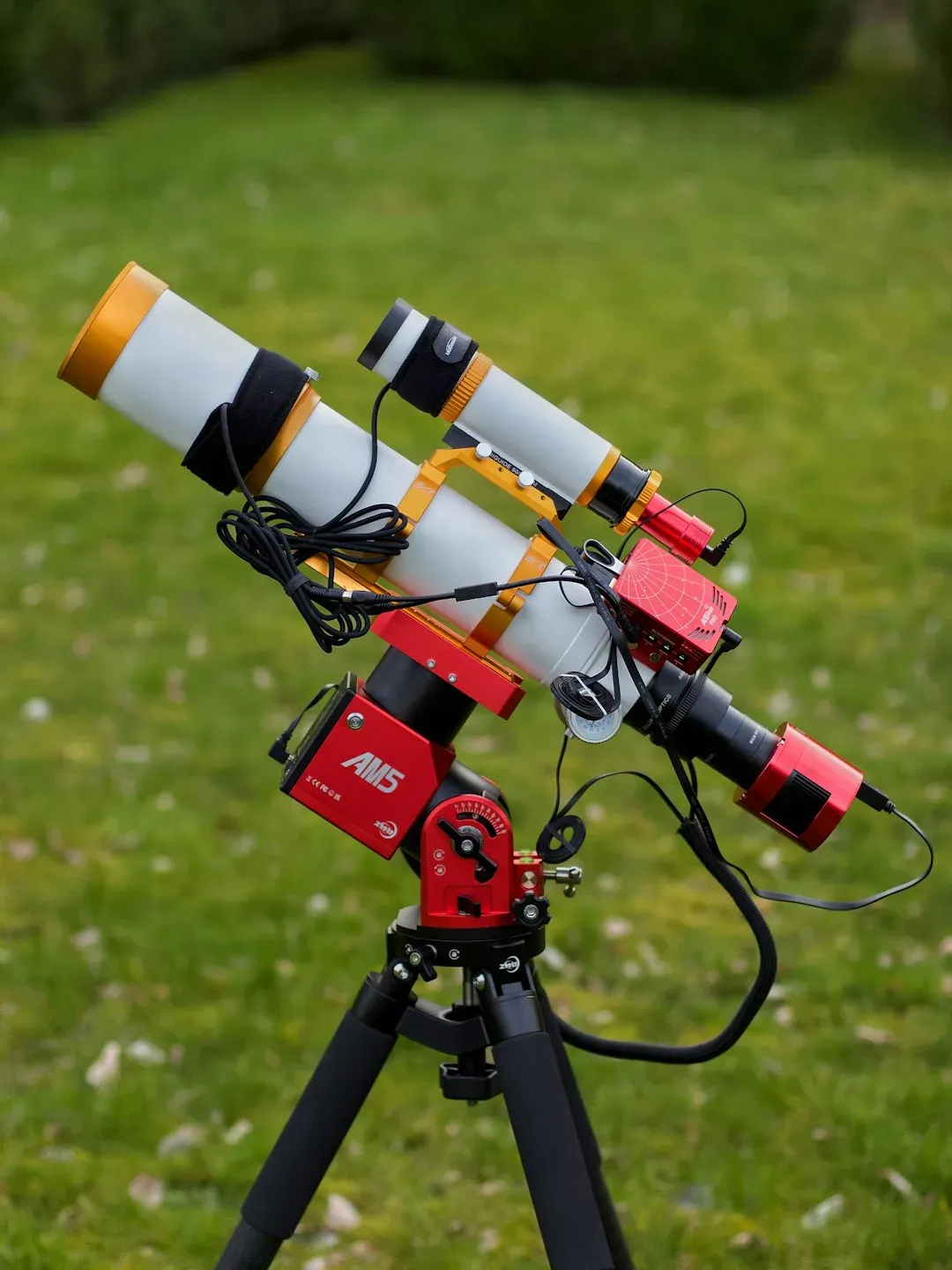
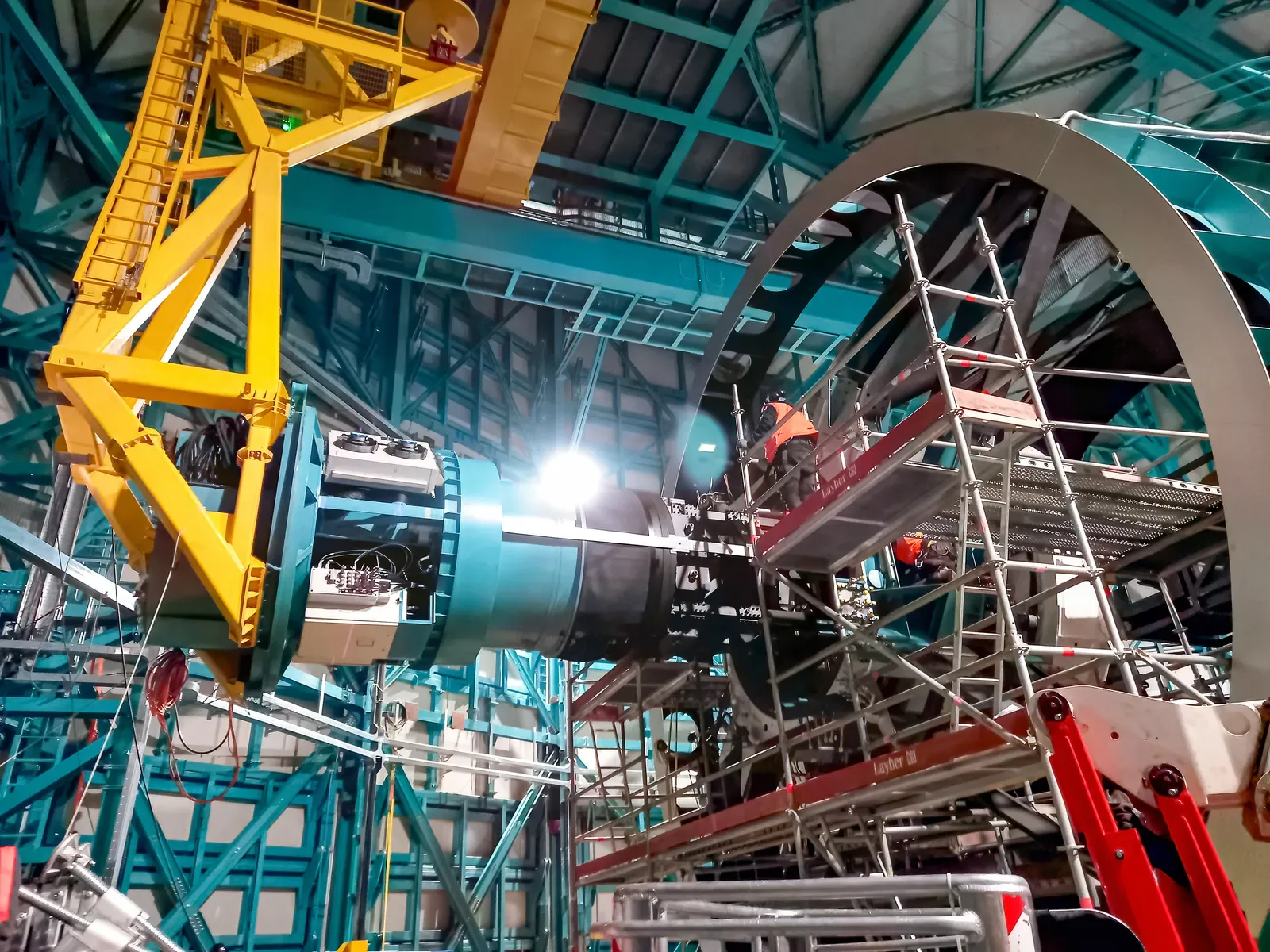
The LSST Camera is the largest digital camera ever constructed for astronomy. Its focal plane holds 189 sensors that together produce an image of about 3,200 megapixels. A single frame would take dozens of ultra high definition televisions to display at full resolution.
The camera weighs about three tonnes and sits at the heart of the telescope. It was built at SLAC National Accelerator Laboratory, a Department of Energy facility in California, and then shipped to Chile. Its size isn’t a stunt. A wide, sharp view is exactly what a sky survey needs.
The Telescope That Feeds It
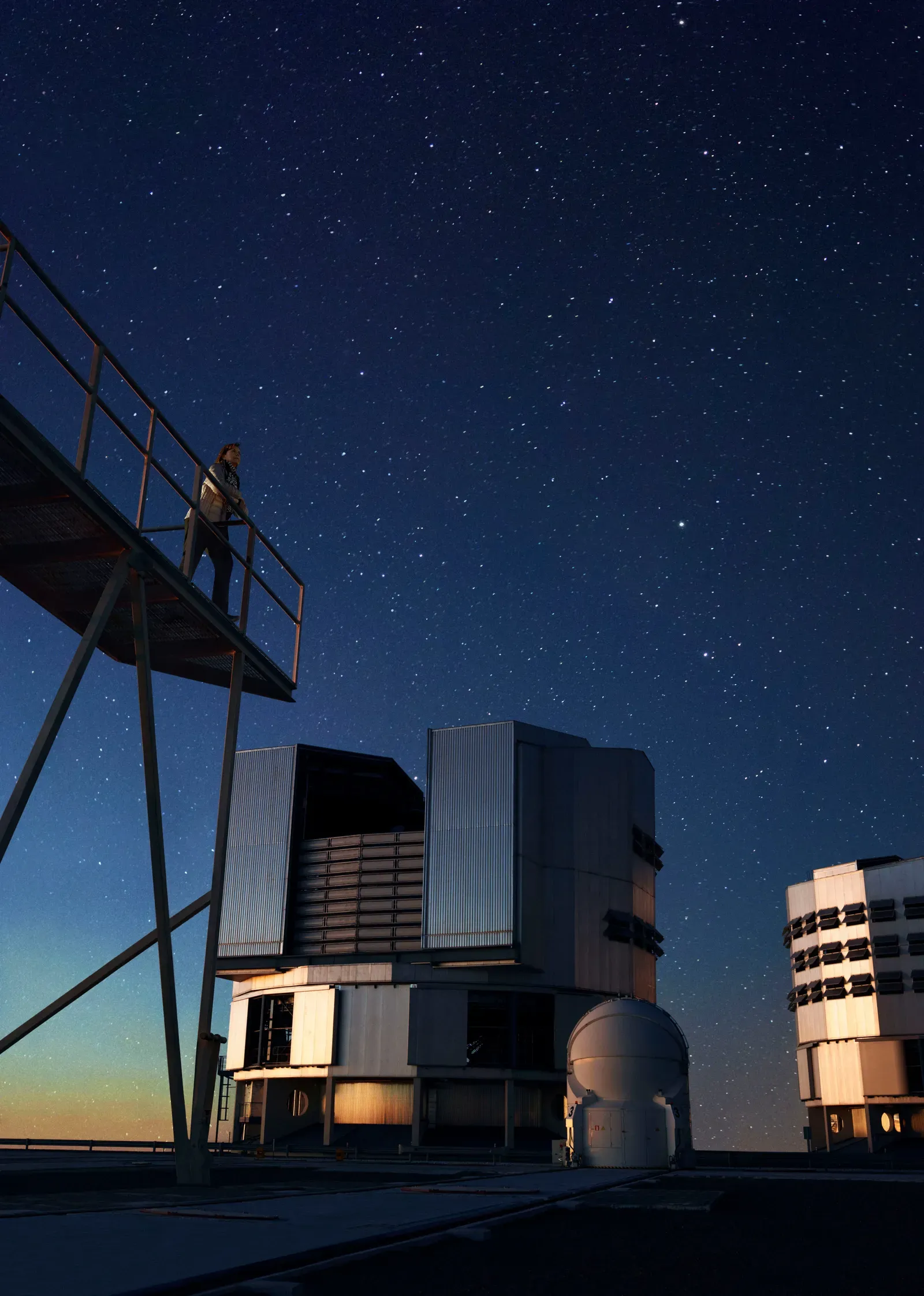
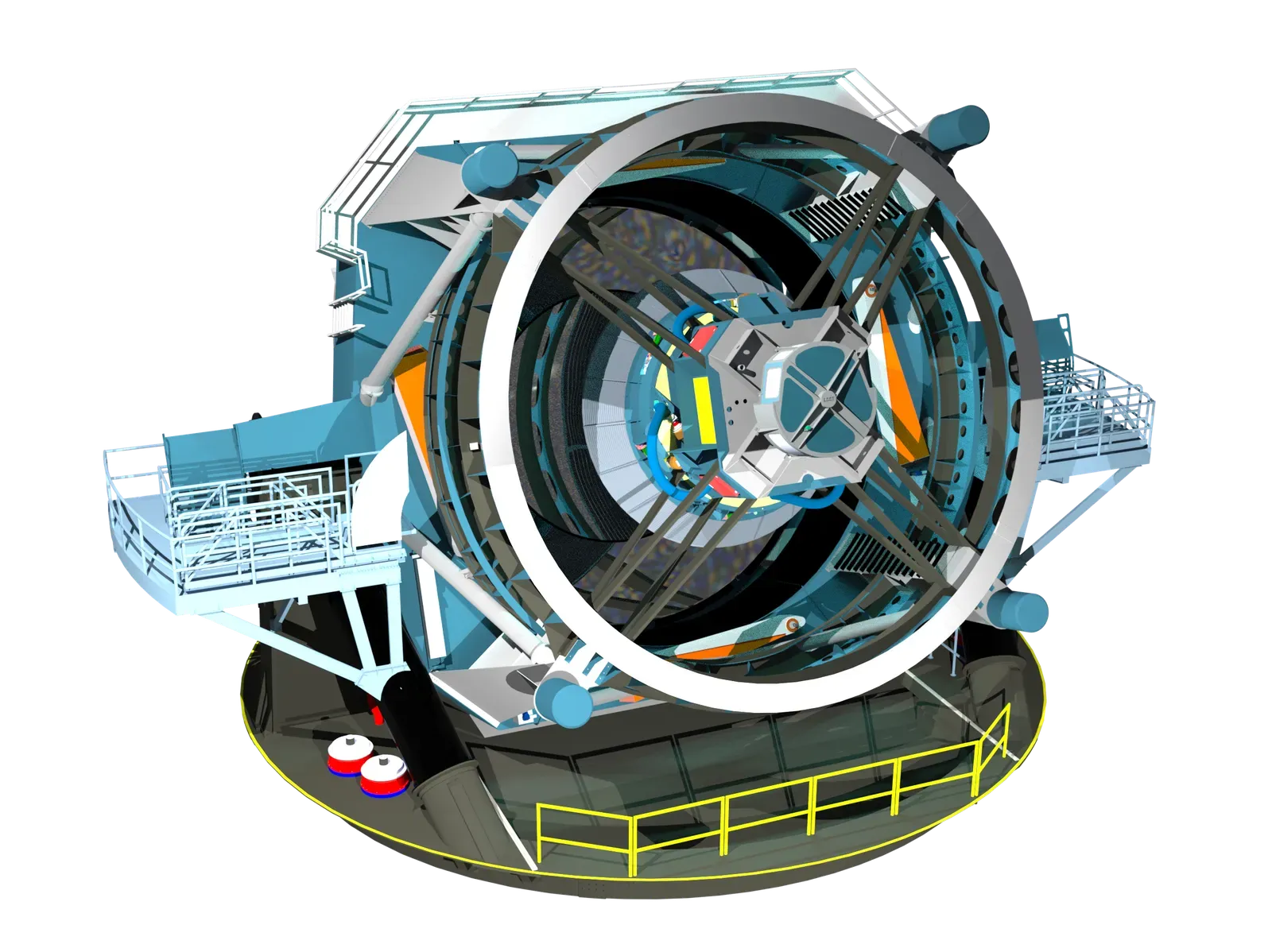
The camera is only half the system. The Simonyi Survey Telescope has an 8.4 meter primary mirror and a compact three mirror design that keeps a very wide field of view in sharp focus. Each exposure covers roughly nine and a half square degrees, about the area of forty+ full Moons.
The telescope is also built to move quickly. It repositions in seconds between exposures, which lets it cover a lot of ground every night. Speed matters here, because the whole plan depends on revisiting the same areas often.
From First Light to a Formal Survey Start
The public first saw Rubin’s pictures in 2025. First light images, released in June 2025, showed the Trifid and Lagoon nebulae and thousands of galaxies in the Virgo Cluster. Those images were a demonstration of what the system could do.
Formal operations took longer. After the handover from the construction project in late October 2025, the observatory entered a period of early operations optimization. Rubin then began the 10 year Legacy Survey of Space and Time as of June 29, 2026.
What the Survey Actually Does Each Night
The main component is called the Wide Fast Deep survey. It observes the southern sky in six filters, taking an exposure of about 30 seconds every three days or so over roughly 18,000 square degrees. Different filters let astronomers read the colors of faint objects, which reveals their temperature and distance.
The result is a long time lapse. Rubin will generate a new snapshot of the entire southern sky every few nights. The observatory is now taking hundreds of images of the Southern Hemisphere sky every night.
Four Big Science Goals
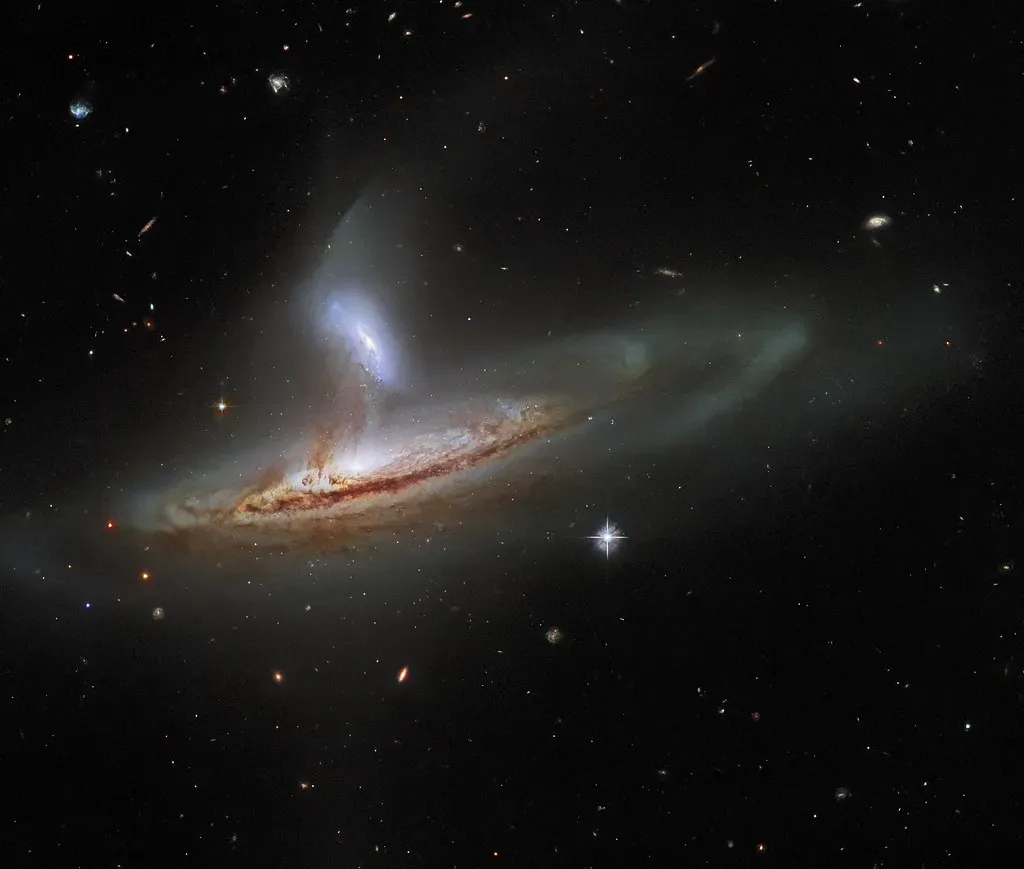
Rubin is open to any kind of research, but it was designed with a short list in mind. Those areas are the nature of dark matter and dark energy, an inventory of the Solar System, a map of the Milky Way, and the changing sky. Each one benefits from repeated, deep imaging.
Dark energy studies, for example, rely on measuring the shapes and distances of huge numbers of galaxies. Solar System work depends on catching faint asteroids as they drift across the field. The same data can serve both, which is a large part of the survey’s appeal.
Alerts for a Sky That Never Sits Still
Rubin isn’t only an archive. Since February 2026, it has been streaming roughly 100,000 automated alerts per night to astronomers worldwide, flagging anything that has moved, brightened, faded, or changed. Those alerts let other telescopes follow up on exploding stars and other fleeting events quickly.
The volume is expected to grow. One report on the survey’s launch described a stream of up to seven million alerts per night, powered by SLAC’s pipeline, which detects changes within 60 seconds. That figure comes from a secondary outlet, so the exact nightly count may shift as operations mature.
A Mountain of Data for Everyone

The data volume is enormous. When the LSST is complete, the final dataset will contain billions of objects with trillions of measurements, accessible through regular data releases. Rubin’s team has stressed that this access is meant to reach well beyond a few big institutions.
Early releases are already appearing. The early phase of Data Preview 2 became available on July 27, 2026. The complete version is targeted for October to December 2026, when visit and difference images will be added.
What Comes Next in the Release Schedule
The first full survey data release is still a couple of years away. Data Release 1 is anticipated by the end of June 2028, based on the first year of LSST data. That delay is normal, since the data must be calibrated and checked before it’s published.
Data Preview 2 fills the gap. It draws on commissioning and small field survey visits from April 2025 to January 2026, including a contiguous region of deeply coadded images of about 3,000 square degrees. Researchers can use it now to test their analysis software ahead of the main releases.
The People and Partners Behind the Project

Rubin is a joint effort. It is funded by the U.S. National Science Foundation and the U.S. Department of Energy’s Office of Science. NSF NOIRLab runs the observatory, while SLAC and Fermilab contribute heavily on the camera and data side.
International participation is broad as well. Forty three international teams outside the United States and Chile already contribute to the project, according to one report. The observatory is named for Vera C. Rubin, the astronomer whose work on galaxy rotation helped establish the case for dark matter.

- 9 Wildfire-Season Routines Many California Residents Follow - November 10, 2026
- Most US states face earthquake risk as major fault lines span the country - November 10, 2026
- The Joplin Tornado of 2011 Killed 158 People and Led to New Warning Language - November 10, 2026
