

- Atlantic Hurricane Activity Has Often Rebounded After Strong El Niño Years, Records Show - November 15, 2026
- The Planet Where It Rains Liquid Glass – 7 Alien Worlds Defying Known Physics - November 14, 2026
- Stars Consuming Entire Worlds – 6 Planetary Systems Swallowing Their Own Worlds - November 14, 2026
Most people think of water conservation as something that happens at a policy level, something for governments and utilities to sort out. The reality is far more personal. The choices made inside individual homes, across millions of households, add up to a staggering collective drain on local water systems every single day.
The average American uses 82 gallons of water per day at home. That number sounds manageable in isolation, but 40 states expect water shortages in the next decade, and in 2025, roughly a third of the U.S. was in drought, affecting more than 90 million people. The habits listed below are rarely dramatic. They’re the quiet, ordinary ones.
1. Overwatering the Lawn
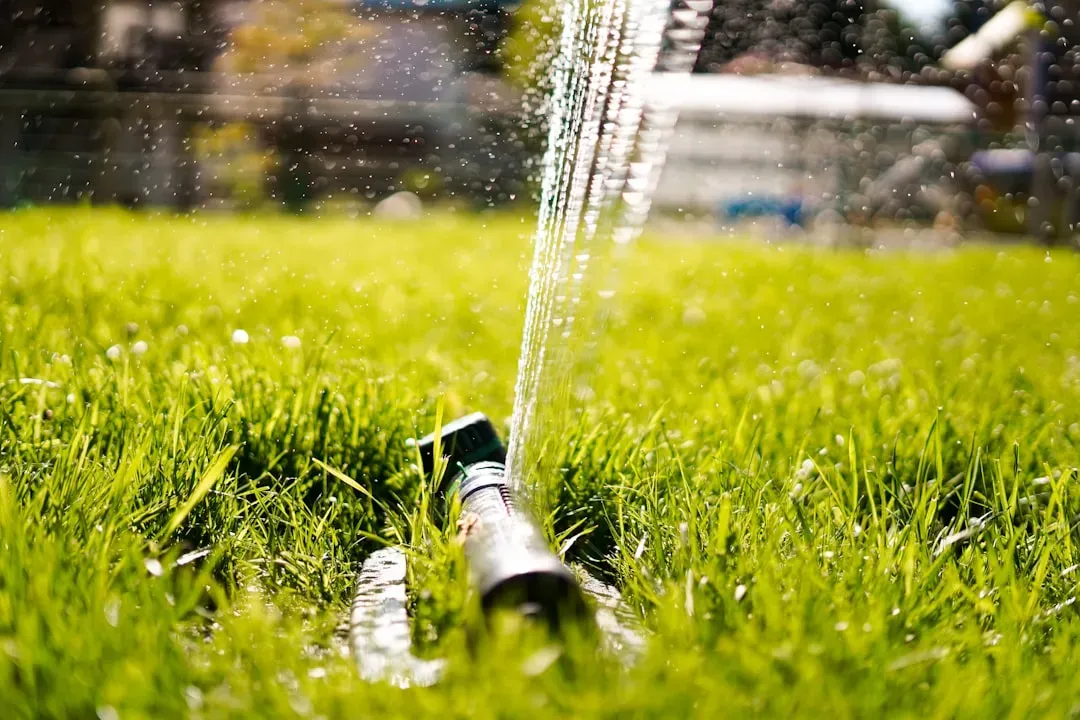
Of all the ways households waste water, lawn overwatering sits near the top of the list. Outdoor water use accounts for more than 30 percent of total household water use on average, but can reach as much as 60 percent in arid regions. The math gets stark quickly. If an average-sized U.S. lawn is watered for 20 minutes every day for 7 days, it’s the equivalent of running the shower continuously for 4 days, or the amount of water a typical family needs for a full year’s worth of showers.
The problem isn’t that people water their lawns. It’s that most do it far more than necessary. Most lawns only need about an inch of water per week, including rainfall. As much as half of the water used outdoors is lost to wind, evaporation, and runoff caused by inefficient irrigation, and a household with an automatic landscape irrigation system that isn’t properly maintained can waste up to 25,000 gallons of water annually. Timing matters too. Watering early in the morning or late in the evening when temperatures are cooler minimizes evaporation, ensuring more water actually reaches the roots.
2. Ignoring Leaky Faucets and Running Toilets
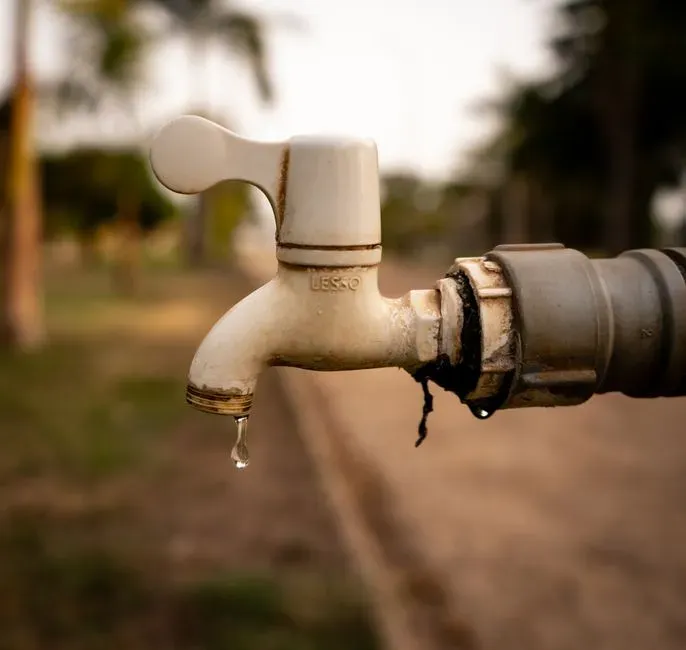
A drip sounds harmless. It isn’t. A leaky faucet that drips at the rate of one drip per second can waste more than 3,000 gallons per year, which is the amount of water needed to take more than 180 showers. Toilets are even worse offenders. A running toilet can waste up to 200 gallons of water per day. Most homeowners don’t even notice it’s happening.
The average family can waste 180 gallons per week, or 9,400 gallons of water annually, from household leaks alone, which is equivalent to the amount of water needed to wash more than 300 loads of laundry. Scaled nationally, the picture is staggering. Household leaks waste approximately 900 billion gallons of water annually nationwide, equal to the annual household water use of nearly 11 million homes. Ten percent of homes have leaks that waste 90 gallons or more per day, with the most common culprits being worn toilet flappers, dripping faucets, and other leaking valves.
3. Leaving the Tap Running While Brushing Teeth or Shaving
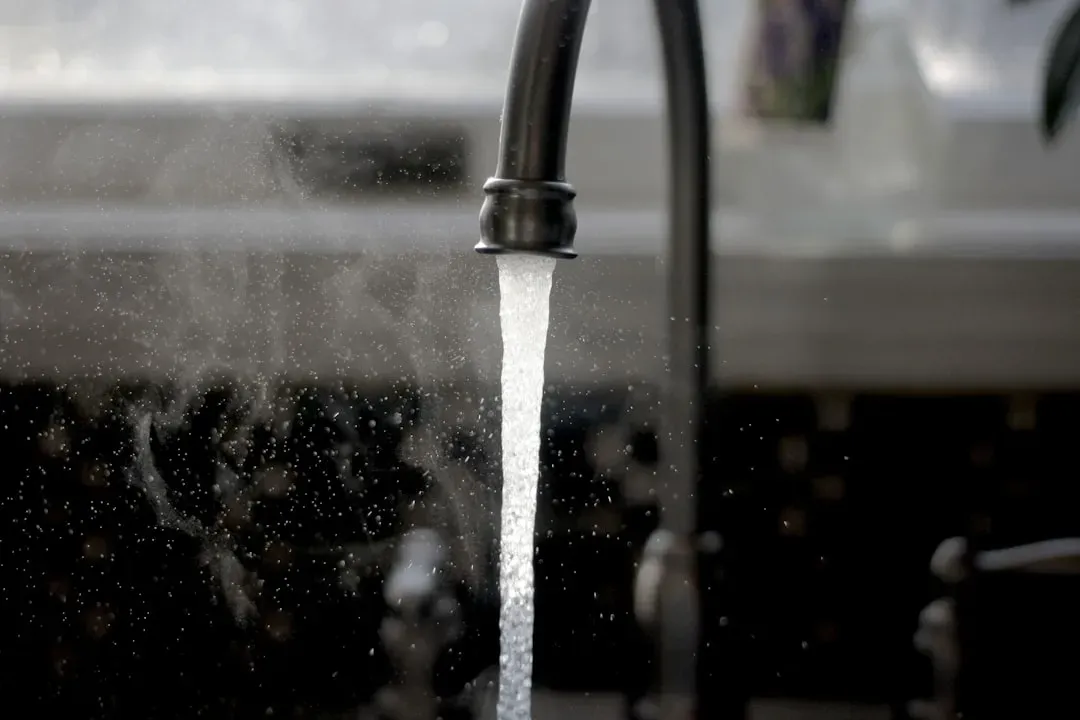
This one is almost entirely a habit, which makes it both the most fixable and the most stubborn. Over one third of American adults leave the tap running while they brush their teeth, wasting up to 16 gallons of water each day if brushing the recommended two minutes, morning and night. That’s a significant volume for something that requires no water at all while the actual brushing is happening.
Turning off the tap while brushing teeth can save 8 gallons of water per day, and while shaving can save 10 gallons per shave. Assuming twice-daily brushing and shaving five times per week, the savings add up to nearly 5,700 gallons per year. At a national scale, most Americans are guilty of leaving the water running during simple tasks like brushing teeth, shaving, or washing dishes, and nearly 6,000 gallons of water could be saved every year per household simply by shutting the faucet off during these activities.
4. Taking Excessively Long Showers
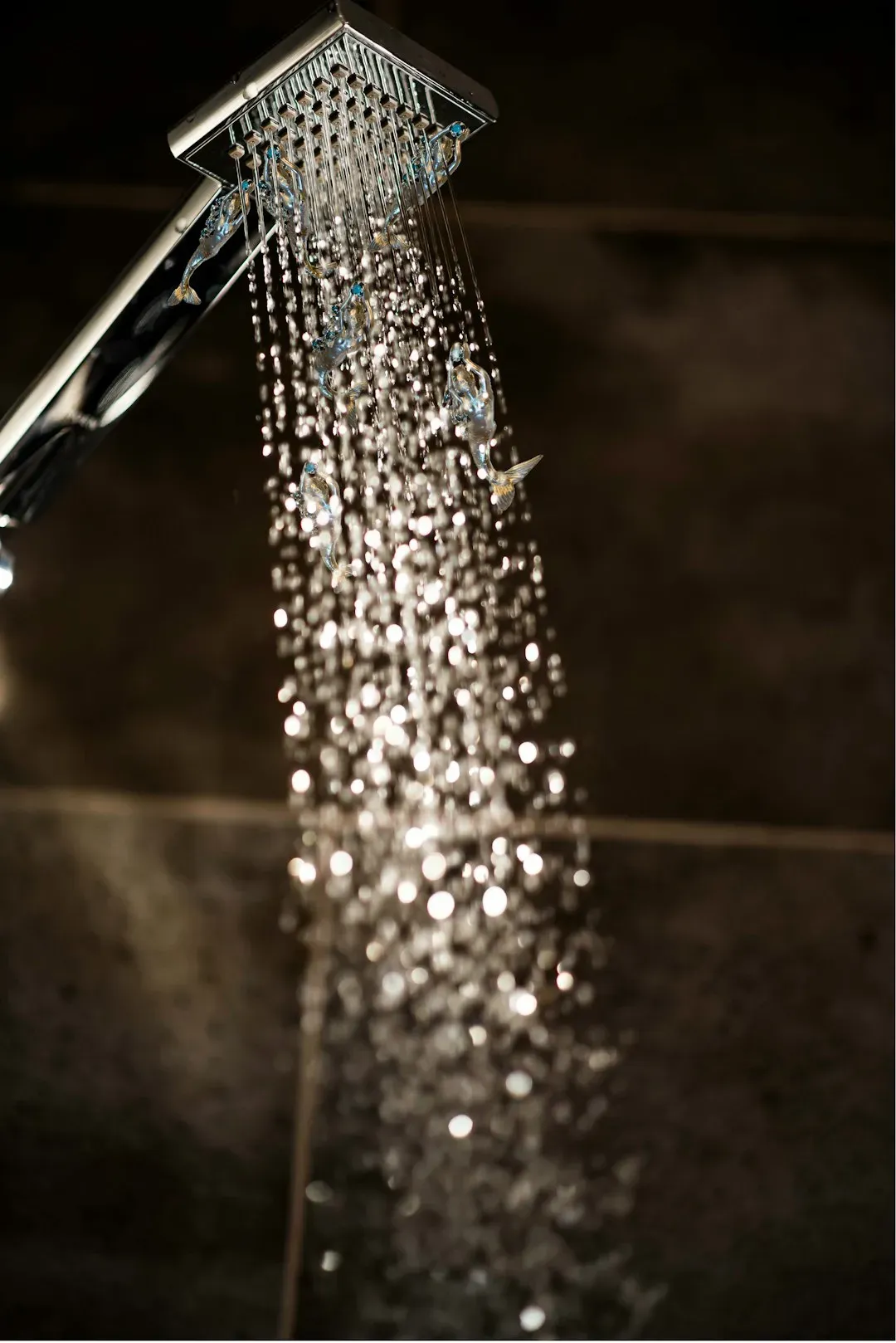
Long showers are one of the more culturally embedded water habits, particularly in the United States. Long showers are a common habit in the U.S., often using up to 2.5 gallons of water per minute. The average 8-minute shower uses 17 to 20 gallons of water, while baths can consume even more, often 35 to 50 gallons. Reducing shower time by just a few minutes each day can save thousands of gallons per year.
A ten-minute shower can use anywhere between 25 to 50 gallons of water depending on the showerhead. Standard showerheads compound the problem. Older or standard showerheads use up to 2.5 gallons per minute, and a family of four could be using over 14,000 extra gallons a year just from outdated showerheads. Swapping to a WaterSense labeled showerhead could save 2,000 gallons of water each year. It’s one of the simplest upgrades a household can make.
5. Running Half-Empty Dishwashers and Washing Machines
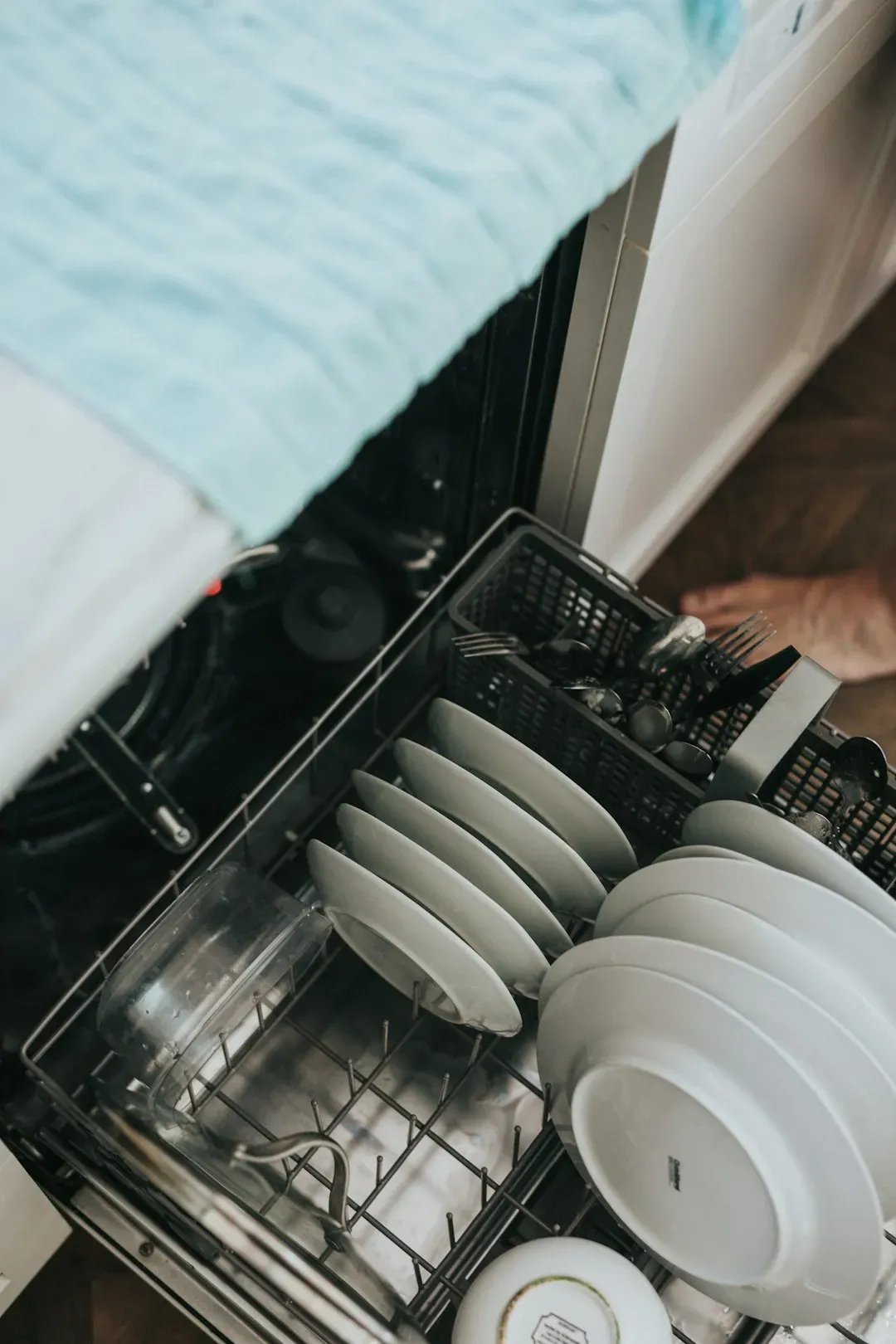
Convenience has a water cost. Many people run the dishwasher with just a few plates or toss a small pile of clothes into the washing machine because waiting feels like an inconvenience. A small load still uses nearly the same amount of water as a full one, so running half loads wastes water. Running the dishwasher only when it’s full can eliminate one load of dishes per week and save the average family nearly 320 gallons of water annually.
Laundry carries a similar weight. The average residential washing machine uses about 41 gallons of water per load. When you consider that the average American family washes about 300 loads of laundry per year, the environmental impacts from water use add up significantly. Washing machines use 15 to 45 gallons per load depending on the model, and running small or partial loads wastes both water and energy. Simply waiting until there’s a full load is one of the easiest, most consistent ways to reduce household water consumption.
6. Using a Garden Hose Without a Shut-Off Nozzle
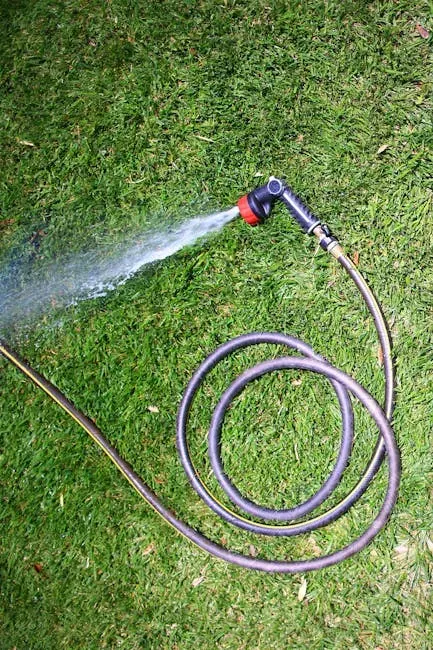
A garden hose left running freely is easy to underestimate. Leaving a garden hose running freely is like turning on a faucet at full blast. Whether watering plants or rinsing the driveway, using a hose without a shut-off nozzle can waste 10 gallons per minute or more. That’s not a minor trickle. Over the course of a typical watering session, the volume lost is substantial.
Using the garden hose to wash down sidewalks instead of a broom is another common mistake, and a garden hose can use more than 10 gallons of water per minute. Not using soaker hoses or drip irrigation in flower beds is another overlooked issue, since those methods can save up to 50 percent of water used compared to sprinklers. A simple shut-off nozzle costs very little and immediately puts control back in your hands, preventing hundreds of gallons from quietly flowing away while attention drifts elsewhere.
None of these habits require major lifestyle overhauls. They’re small adjustments to routines that most people run on autopilot. The cumulative effect of fixing even two or three of them, across a single household, reaches into the thousands of gallons saved each year. Multiply that by the number of homes in a city or region, and the impact on local water supplies becomes genuinely meaningful.
