


- 9 Items Experienced Skywatchers Bring Along That Beginners Always Wish They’d Packed - November 12, 2026
- I Moved to Tornado Alley in Oklahoma – 7 Things I Did Not Anticipate About Storm Season - November 12, 2026
- VR tool shows how rising seas could flood Fort Lauderdale - November 12, 2026
A cotton shirt looks simple on a hanger. Behind it sit irrigated fields, chemical dye baths and long shipping routes. Most of that is invisible at the checkout.
Two problems stand out in the research on fast fashion: how much water the industry uses and pollutes, and how many clothes end up thrown away. The figures below come from recent reports and summaries. Estimates vary between sources, so they are best read as rough orders of magnitude.
How Much Water the Textile Sector Uses
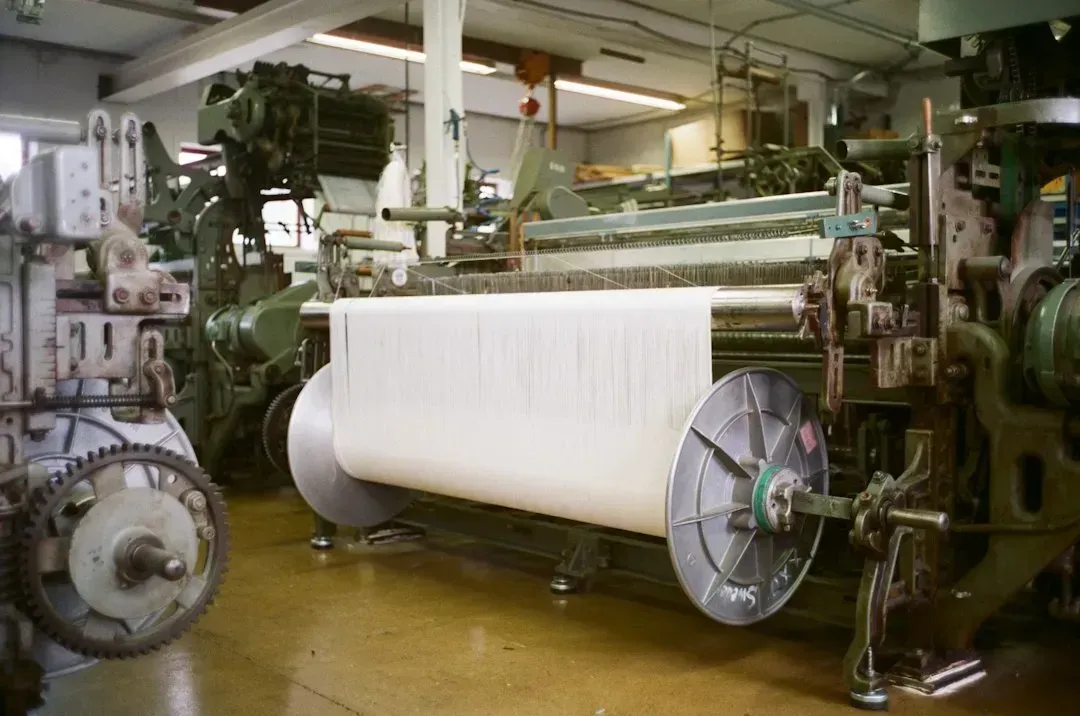
The textile sector uses around 93 billion cubic meters of water per year. That is about 4% of all freshwater extraction globally. Other estimates use different boundaries. One industry analysis puts the figure for the wider fashion supply chain at 79 trillion litres of water annually.
The gap between these numbers comes mostly from what each study counts. Some include only manufacturing, while others add farming and fibre production. The direction is the same either way. Clothing is a thirsty product.
The Thirst of a Cotton Shirt
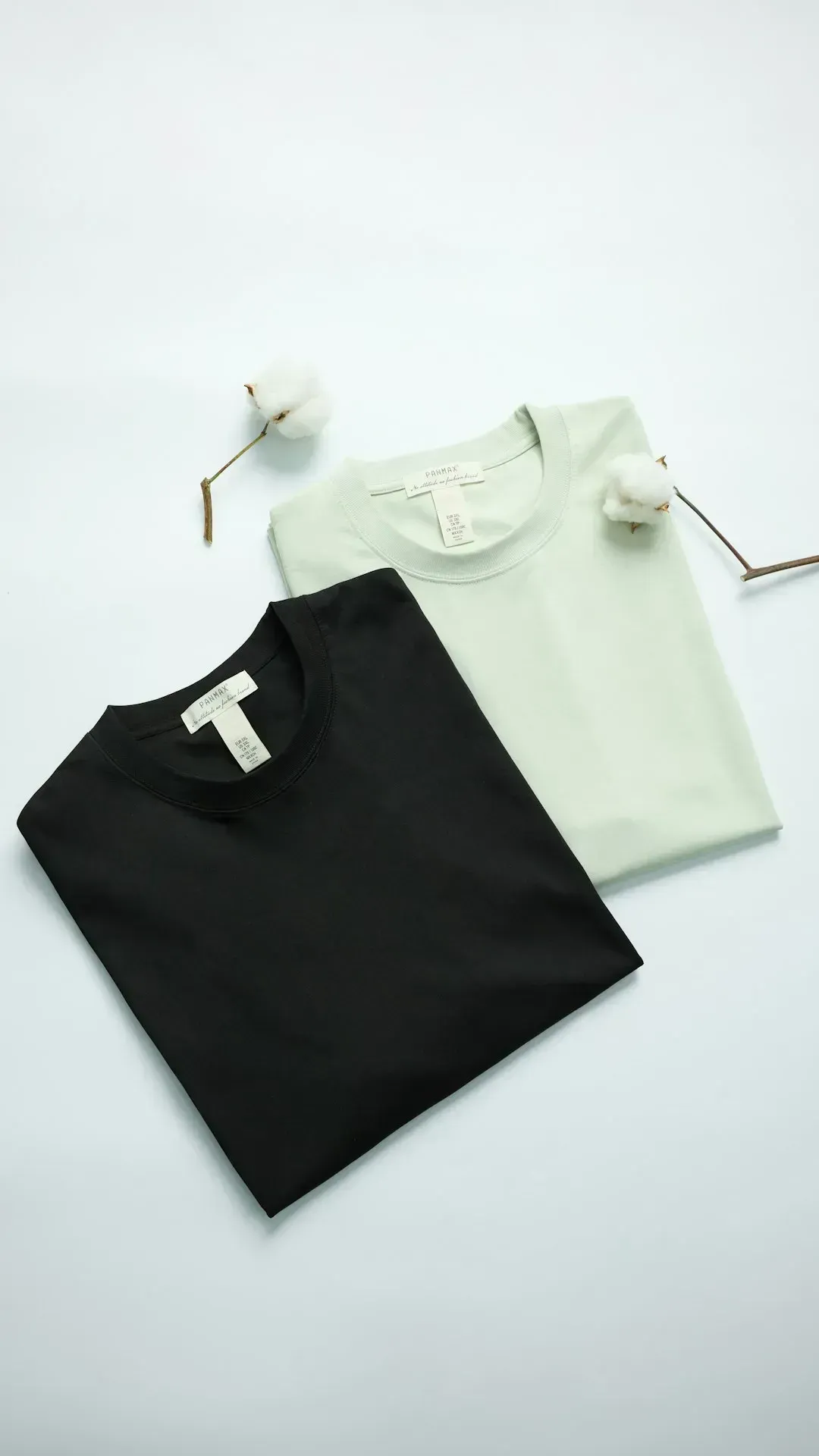
Cotton is the main reason the numbers climb so high. Making one cotton shirt takes about 2,700 liters of water, enough for one person to drink for 2.5 years. A pair of jeans is thirstier still, at approximately 7,500 liters.
Most of this water is used on the farm, not in the factory. Surface and ground waters are often used to irrigate cotton fields, and poor water management makes it worse. Where cotton grows in dry regions, local communities and farmers compete for the same supply.
Dyeing and the Wastewater Problem
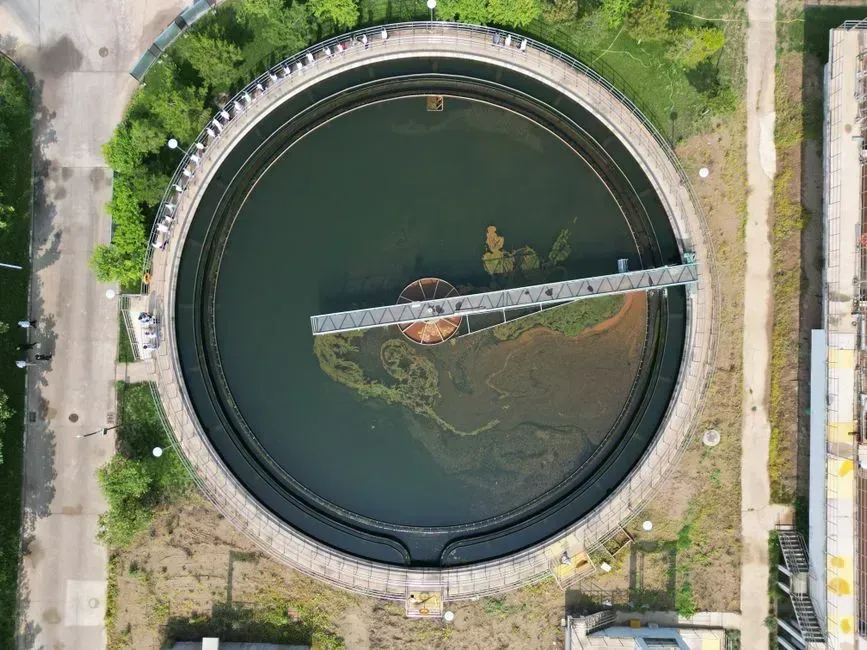
After harvest, dyeing, bleaching and finishing require tremendous amounts of water. The result is a stream of coloured, chemical rich wastewater. About a fifth of global wastewater is linked to fabric dyeing and treatment.
Where it goes next depends on local rules. Factories in countries like Bangladesh, India and Vietnam often release untreated wastewater into rivers and oceans. That pollutes water sources and damages ecosystems.
Microplastics Washed Out of Synthetic Clothes
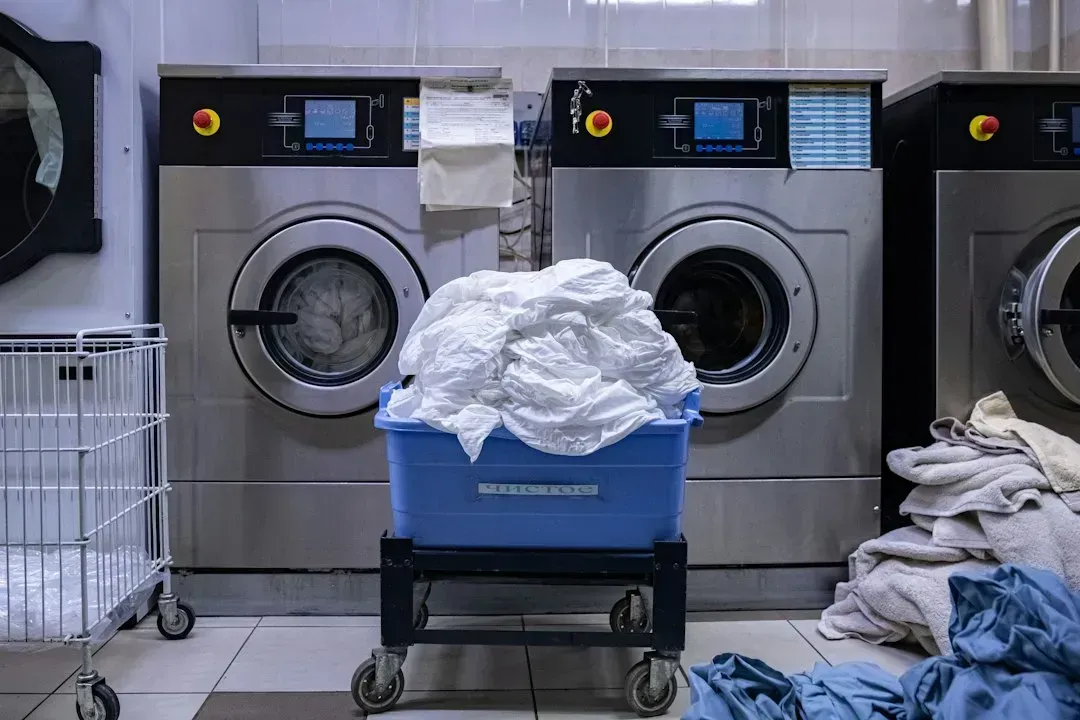
Polyester and other synthetics add a different kind of water pollution. Clothing textiles are estimated to produce about a third of the primary microplastics leaked into the environment. Much of it escapes in the wash.
One widely repeated estimate says a single laundry load of polyester clothes can discharge 700,000 microplastic fibres. Treatment plants catch some of them, but not all. Synthetics also matter because virgin fossil based fibres made up 62% of global fibre production in 2022.
The Scale of Textile Waste
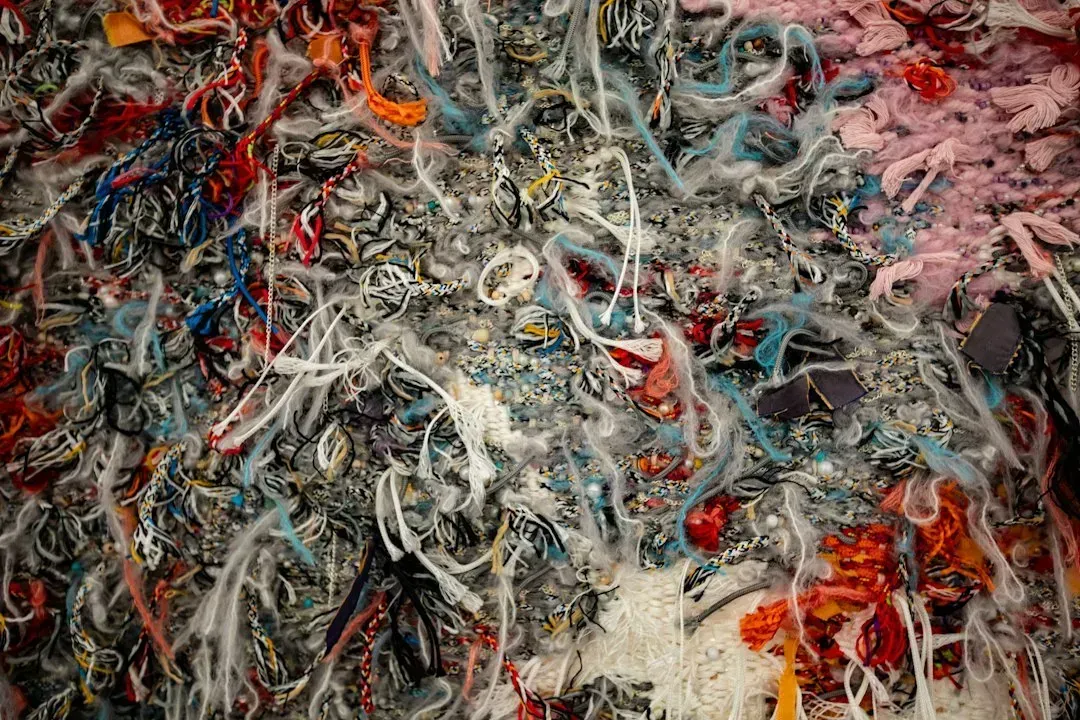
The fashion industry generates 92 million tonnes of textile waste each year, according to the UN, overwhelming waste systems and polluting waterways. The UN made textile and fashion waste the focus of World Cleanup Day on 20 September 2025.
The trend points upward. One 2025 analysis says that without major change, textile waste is expected to reach 134 million tonnes by 2030. The UN puts the current rate in a vivid way: every second, a garbage truck full of clothes is dumped in a landfill or burned.
Wearing Less, Buying More

Cheap, fast turnover drives the waste. According to one statistics roundup, the average consumer buys 60% more clothing a year than 15 years ago, and keeps each garment for half as long. That figure circulates widely, though it is often repeated without a clear original source.
Cost plays a part too. Producers can make garments quickly and sell them at low prices, so a piece that is worn a few times feels like a fair deal. The environmental bill is paid elsewhere, and later.
Why So Little Clothing Gets Recycled
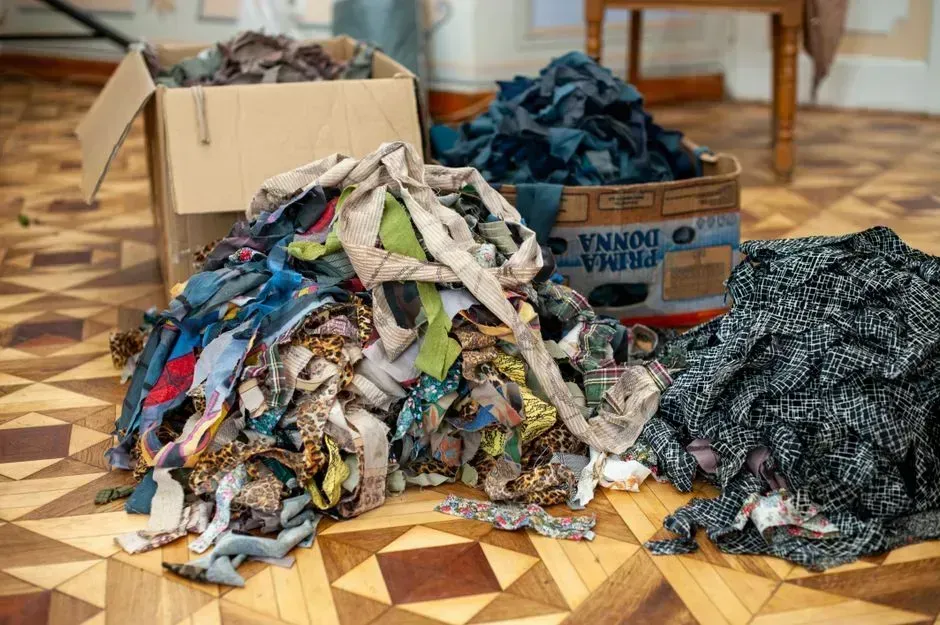
Recycling clothes into new clothes is still rare. Less than 1% of all textiles worldwide are recycled into new products. Blended fibres, trims and dyes make sorting and processing difficult.
Most discarded clothing is landfilled or burned. In the United States, one summary estimates 11.3 million tons of textile waste a year, with around 85% ending up in landfills. Cost is part of the reason, since recycling can run more expensive than dumping.
Where Discarded Clothes End Up
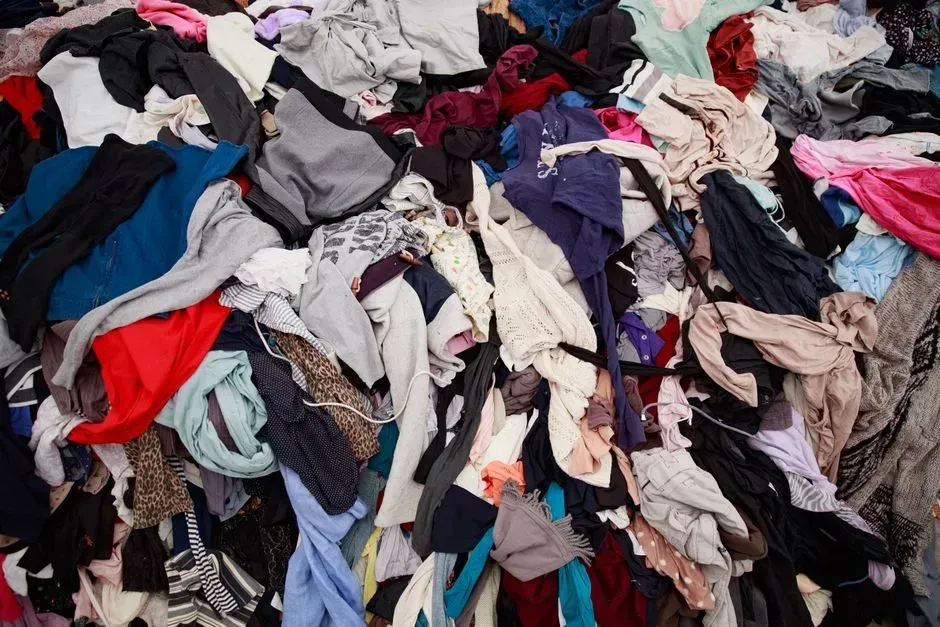
Many used garments are exported rather than recycled at home. Ghana’s Kantamanto Market is one well known example, and it receives 15 million used garments every week, mostly waste. Local traders sort what they can and the rest piles up.
Exports shift the burden to places with limited waste infrastructure. Items that do not sell can end up in dumps, in drains or on beaches. The clothes may have been bought thousands of kilometres away, but the cleanup falls on the receiving community.
Longer Wear and Policy Responses

Making clothes last offers measurable gains. One analysis estimates that extending clothing life by nine months would cut carbon by 8%, water by 10% and waste by 4%. Material choices help too. Organic cotton is reported to use 91% less water and release 46% less emissions than traditional cotton.
Regulation is starting to catch up. The EU’s Circular Economy Action Plan is reported to aim for 55% of textiles to be recycled or reused by 2030. Industry observers note that regulation and consumer demand are speeding progress, while missing global standards and infrastructure gaps still limit adoption.
