


- The Planet Where It Rains Liquid Glass – 7 Alien Worlds Defying Known Physics - November 14, 2026
- Stars Consuming Entire Worlds – 6 Planetary Systems Swallowing Their Own Worlds - November 14, 2026
- The Ground Liquefies Like Water – 6 Silent Fault Lines Geologists Watch Closely - November 14, 2026
The World Meteorological Organization’s State of Global Water Resources report drew a stark picture in recent years: 2023 was the driest year for global rivers in 33 years, and the past five years have seen below-normal conditions for river flows and reservoir inflows worldwide, increasing stress on global water supplies. That’s not an aberration. It’s a pattern.
What makes the current situation different from past dry spells is the permanence creeping into the data. The global water crisis worsens as rivers continue to recede, and water scarcity is no longer just a problem in arid areas – it now affects both industrialized and emerging nations. Five rivers, in particular, have drawn urgent attention from the scientific community.
1. The Colorado River: Running Out of Time in the American Southwest
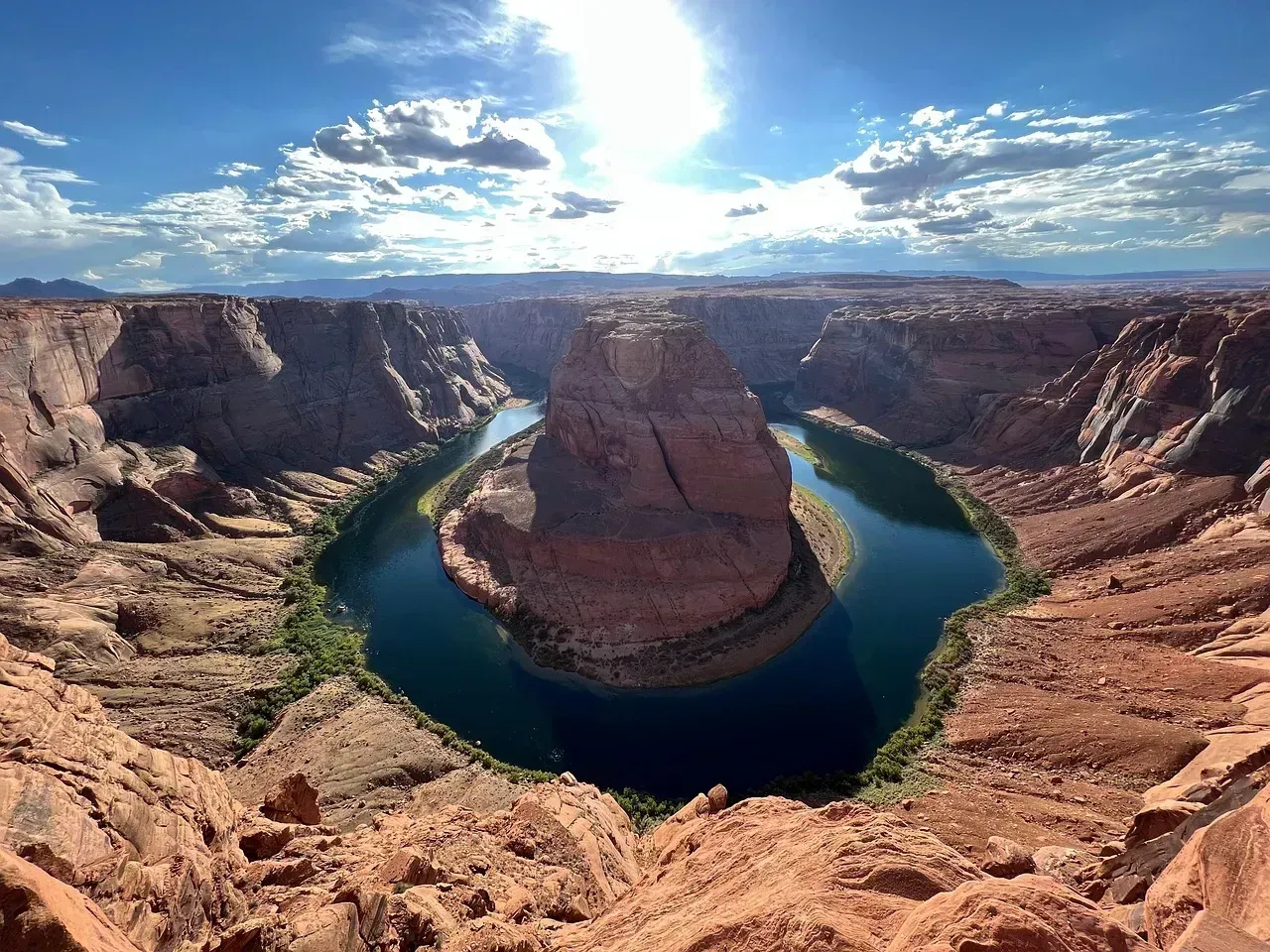
The latest projections for the Colorado River paint a picture of more dry conditions and dropping reservoirs. The river supplies water to nearly 40 million people across the Southwest, and it’s stretched thin by climate change and steady demand. The winter of 2025 to 2026 made things worse. Record-warm temperatures day after day across the mountains that feed the river have led to record-low snow levels, and all indications are that spring snowmelt will be scant.
That is a huge problem because Colorado River reservoirs, which historically held vast water reserves, are already depleted, with Lake Powell at 25 percent and Lake Mead at 34 percent of capacity. A 2025 peer-reviewed study found the situation extends underground too: the Colorado River Basin lost 52.2 km³ of total freshwater between April 2002 and October 2024, and 65 percent of that came from groundwater depletion alone. In the 21st century, flows have averaged around 12.5 million acre-feet per year, with the most recent water year seeing just 8.5 million acre-feet – a drastic fall from the 18 million the original 1922 compact assumed would always be available.
2. The Rio Grande: Half a River, Twice the Demand
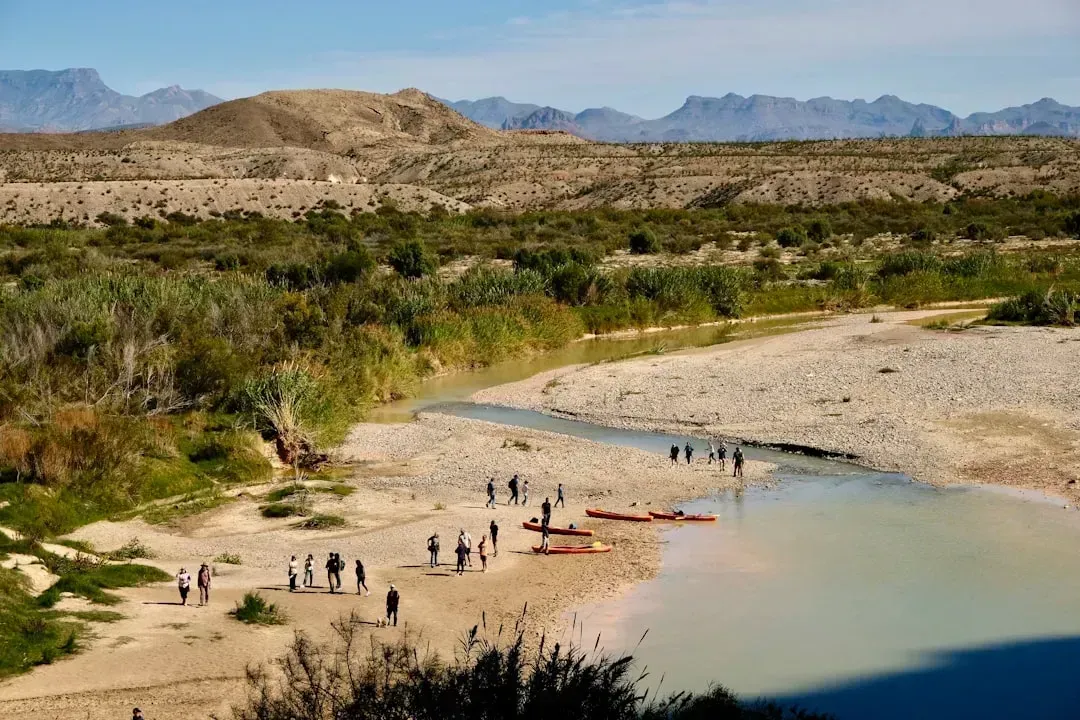
A new scientific study warns that the Rio Grande, the river that marks much of the border between the United States and Mexico, is in a state of severe water crisis, driven by decades of overuse and worsening drought, and researchers say the situation now demands urgent action from both countries. The numbers are unsparing. Researchers found that more than half of all water consumed in the basin is unsustainable, pulled from reservoirs, aquifers, and the river itself faster than nature can replace it – resulting in a river that runs dry for long stretches, shrinking farmland, collapsing aquifers, and growing conflict between states and nations that share its waters.
In 2025, Albuquerque’s stretch of river ran dry on July 13, and by mid-August, about 11 miles of river were empty throughout the city. Other areas of the Middle Rio Grande system also suffered significant drying, including about 40 miles near Socorro and 18 miles near Belen. Projections offer little comfort: a prolonged, two-decade megadrought has cut snowmelt by 17 percent since 2000, and scientists no longer view it as a short-term dry spell but as a shift toward a more arid climate, with the river projected to lose an additional 16 to 28 percent of its flow in the coming decades.
3. The Yangtze River: China’s Economic Artery Under Threat
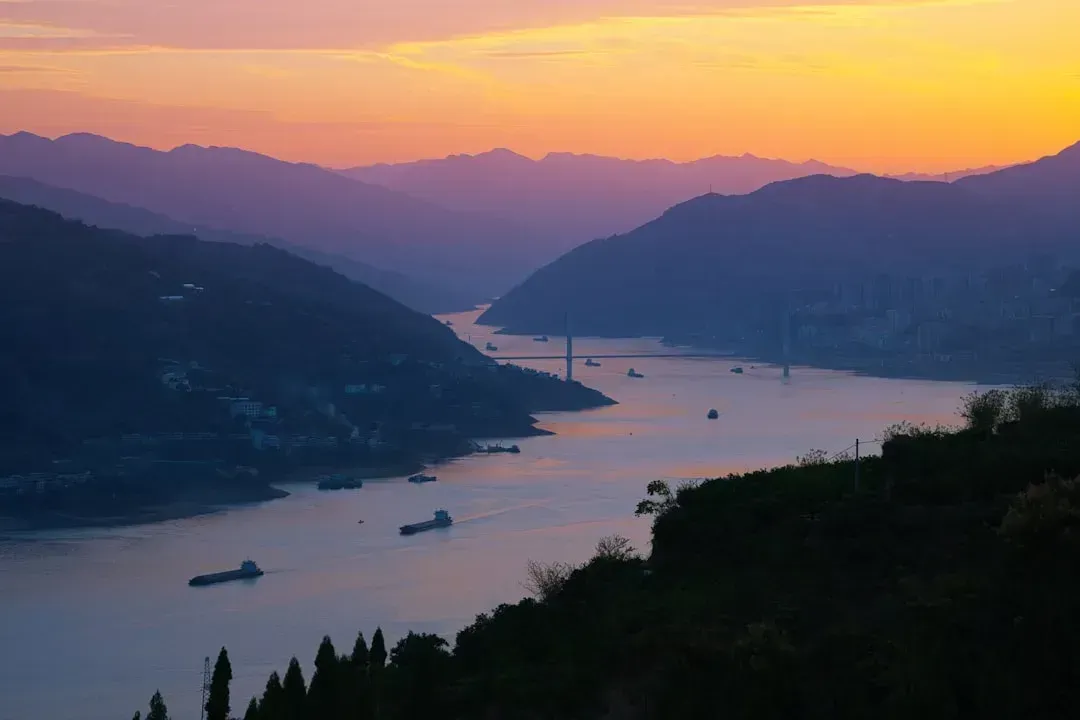
The Yangtze provides water to over 400 million people – roughly one third of China’s population – and some of China’s largest cities draw from it, including Shanghai, Chengdu, and Wuhan, with the river flowing past over 19 provinces. The crisis first made global headlines in 2022. The Yangtze River fell to half its usual levels, many parts were completely dry with parched and cracked ground, extremely high summer temperatures caused the water to evaporate rapidly, and without rain the supply did not regenerate – leaving the river below half its usual water levels by August 2022.
Hydropower generation plunged by half in Sichuan province, and a large number of industrial enterprises and factories were told to suspend production for six days to ensure that public basic needs of power and water were met. The underlying science points to something more lasting: the combined impact of climate change and human activity has brought significant uncertainty regarding hydrological drought in the lower reaches of the Yangtze River, thereby threatening the security of regional water resources. The proportion of severe and extreme droughts in autumn in the Yangtze River Basin is expected to increase in future years.
4. The Indus River: A Basin at the Intersection of Climate and Conflict
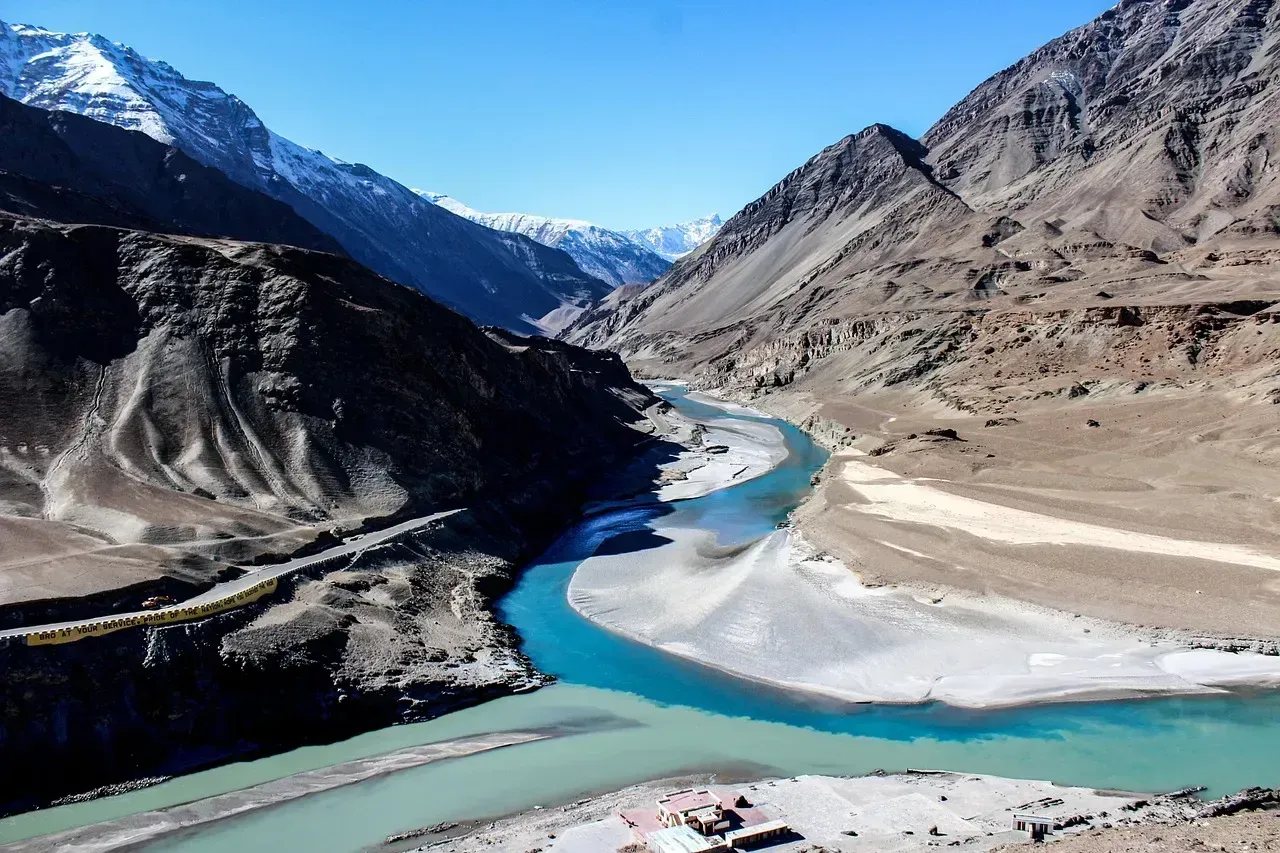
Pakistan’s Indus River has already lost more than 30 percent of its flow, while Himalayan glaciers, an essential water source for hundreds of millions, are melting at unprecedented rates, reducing river flows and hydropower generation. The political dimension compounds the ecological one. When India suspended the Indus Waters Treaty in April 2025, it ended what had been the world’s most successful water-sharing accord. The 1960 treaty had survived wars and coups, guaranteeing Pakistan unhindered flows from three of the six rivers that make up the Indus system, and even limited upstream impoundment could choke the water that irrigates four fifths of Pakistani farmland.
The Indus drives 55 percent of Pakistan’s GDP, making the river’s decline far more than an environmental problem. All major Asian river systems, including the Indus, are at risk and exposed to rising water scarcity due to accelerated glacial melt, reduced snowfall, and changing monsoon patterns – all key components of river flow. The region faces a difficult balance: a growing population, rising irrigation demand, and a river that’s physically delivering less water every decade.
5. The Mekong River: Dams, Drought, and 65 Million People
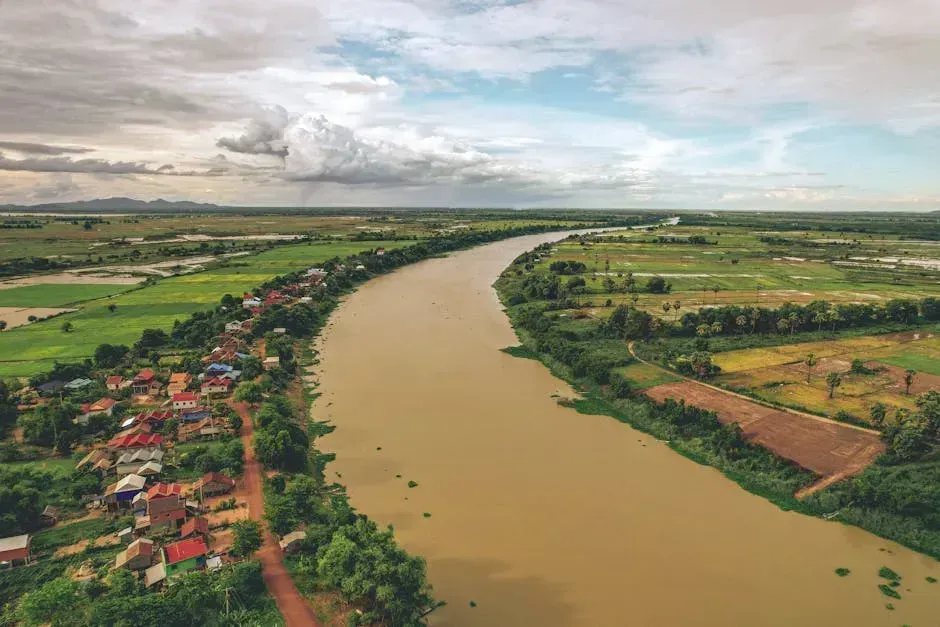
Exploitation of the Mekong River basin’s natural resources, especially through hydropower and sand mining, is causing escalating harm to the region’s ecosystems and endangering the livelihoods of millions of people, with the effects distributed unevenly, and many of the costs borne by the poor and marginalised. The river is now squeezed from two directions: climate stress from above and dam management decisions from upstream. Environmental damage from rampant hydropower development and climate change threatens the river’s seasonal movements, supply of sediment, fish stocks, and the physical security of people living along the Mekong in Cambodia, Laos, Thailand, and Vietnam.
The Mekong accounts for 94 to 97 percent of Cambodia and Laos’s GDP, a dependence that few other river systems in the world can match. As the Mekong River Commission has pointed out, drought only brings socio-economic hardship to riparian countries, especially riverine communities, citing crop damage, water shortages, declining fish catches, and rising levels of salt water. Unfortunately, nobody is predicting less frequent droughts.
What’s Driving the Crisis Across All Five Rivers
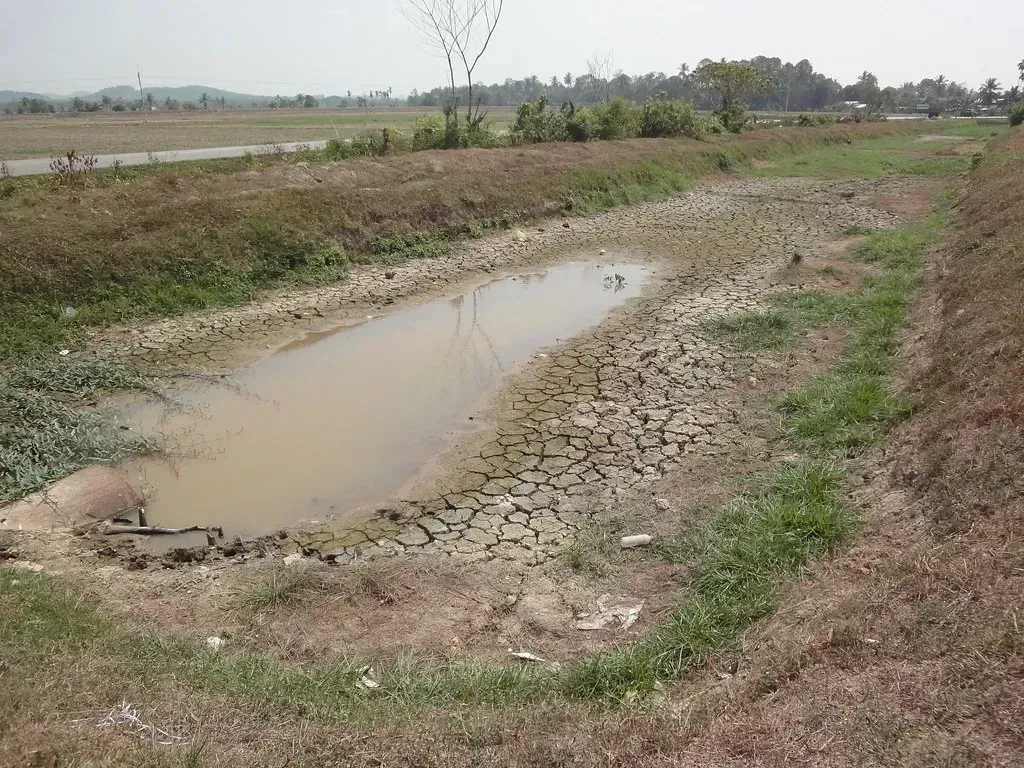
Drought and rising temperatures due to climate change have accelerated evaporation from reservoirs, melted snowpack faster so that rivers run dry earlier in the season, and parched the soil so it soaks up precipitation before it even reaches the river. The problem isn’t just nature. Across nearly every basin on this list, water has been allocated on paper far beyond what the rivers actually carry. Thanks to outdated management plans negotiated during wetter times with less hydrologic data, we have allocated more water than the river actually supplies – a reckoning that applies to the Colorado, the Rio Grande, and increasingly the Indus as well.
Research has revealed significant effects on both downstream rivers, with a 44 percent decrease in water flow recorded, and upstream rivers with a 17 percent flow increase, including flooding, ecosystem disruption, hydropower development interference, and insufficient fresh water supplies. The pattern is consistent across continents: overuse compounds drought, and drought compounds overuse. The Yangtze River in China, the Indus River in South Asia, and the Colorado River in the United States and Mexico all see severe reductions, and if these trends continue, millions of people will have an uncertain water future, forcing communities to make tough water conservation and allocation decisions.
The Groundwater Problem Nobody Wants to Talk About
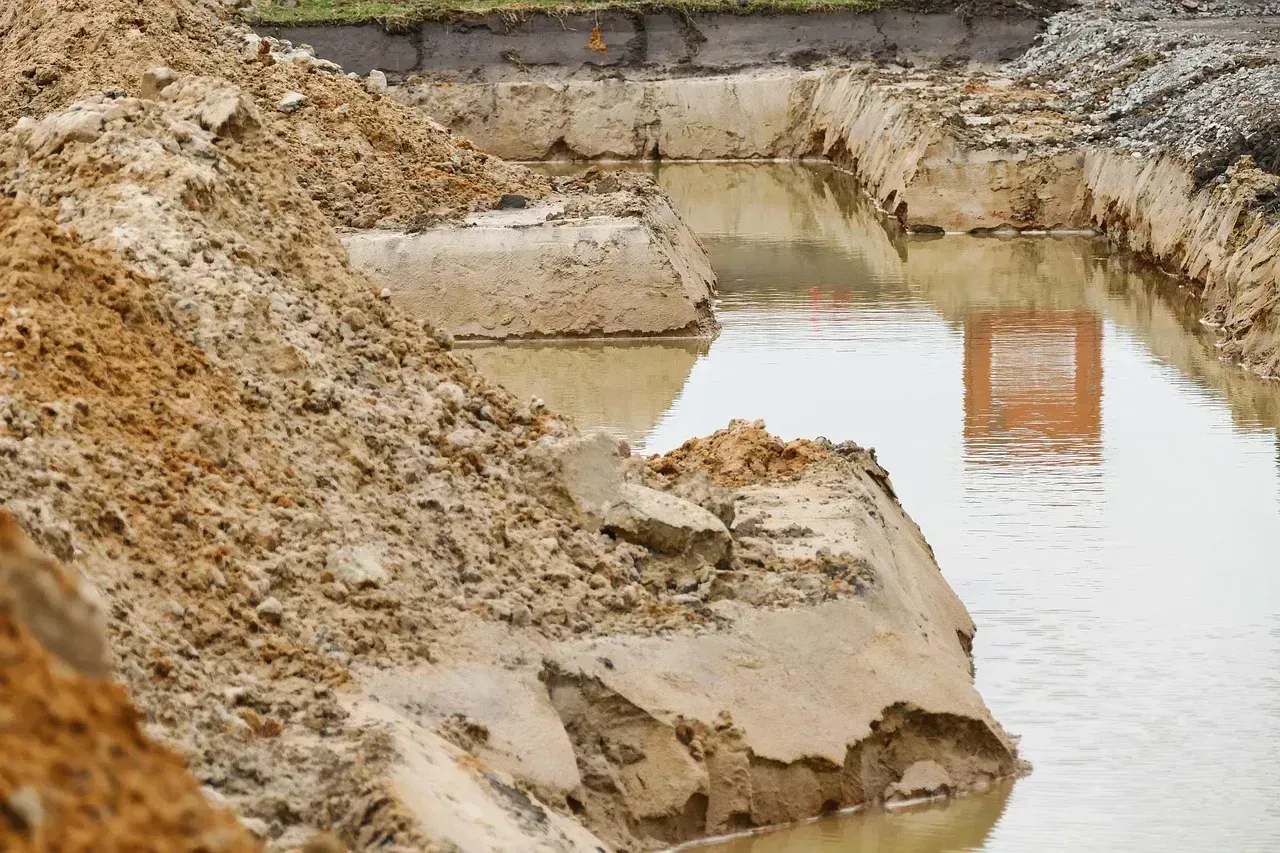
Surface water losses are the visible part. The less visible part is what’s happening beneath the ground. Once a reliable backup during dry years, groundwater is now being overdrawn and not replenishing at sustainable rates. The Lower Colorado River Basin already relies on groundwater for 40 percent of its supply, a number expected to rise as surface water availability continues to shrink. The Rio Grande tells a similar story. Between 2000 and 2024, New Mexico’s reservoirs lost 71 percent of their stored water, and the loss of groundwater has been 25 times greater.
Only about 48 percent of the water people use in the Rio Grande basin is naturally replenished each year. The other 52 percent is coming from reserves that are steadily running out – groundwater that drops a little lower each season, reservoirs sitting at historic lows, and river stretches that no longer carry enough flow to stay connected. This is a structural deficit, not a temporary dry spell. When the underground reserves are gone, there is no fallback left.
The Human Cost of Vanishing Rivers
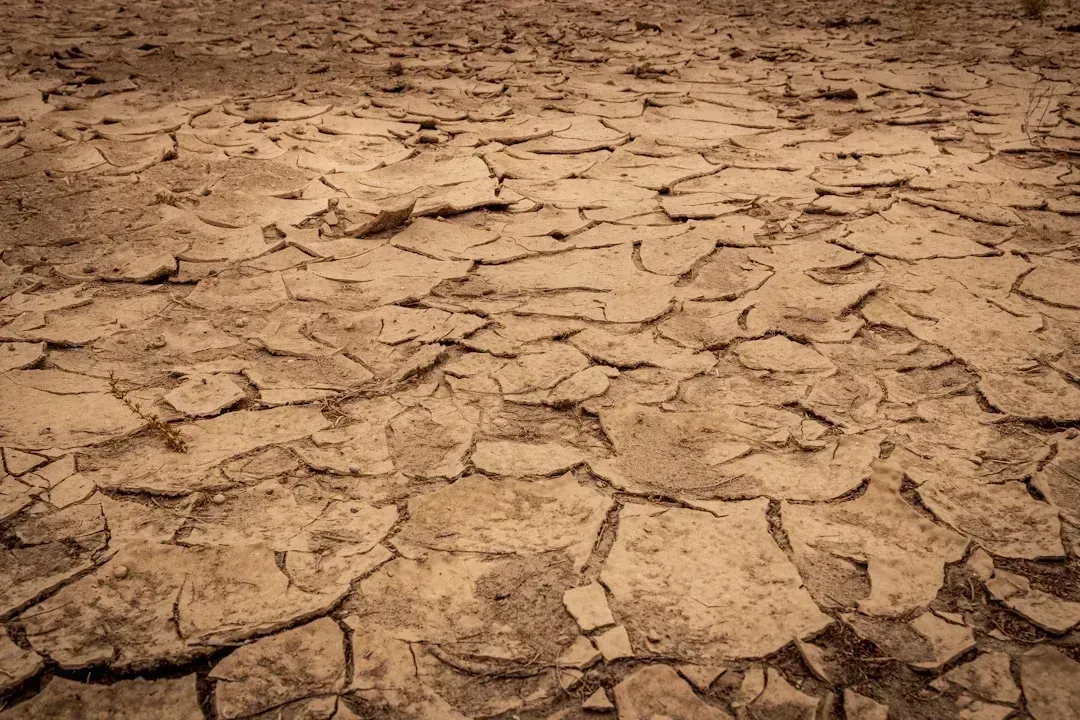
The statistics are compelling enough on their own, but the human dimension is what gives the crisis real weight. For the 15 million people who rely on the Rio Grande-Bravo for drinking water, and the thousands of farmers who depend on it for their livelihoods, this is not a distant threat. It is today’s reality. Agriculture absorbs the largest share almost everywhere. Agriculture, the largest straw in the Colorado River, continues to consume over 70 percent of the river water available for human use.
Texas farmers lost 500 million dollars in 2024 due to irrigation shortages. Colorado has lost 18 percent of farmland, New Mexico 36 percent, and the Pecos sub-basin in New Mexico and Texas 49 percent since 2000. In Asia, the stakes are arguably even higher: almost one in two Asians rely on water from 10 rivers that flow from Himalayan water towers, the GDP generated in these river basins now accounts for nearly half the total GDP of 16 countries, and these countries will face a difficult future if these rivers run dry.
Can Policy Catch Up With the Science?
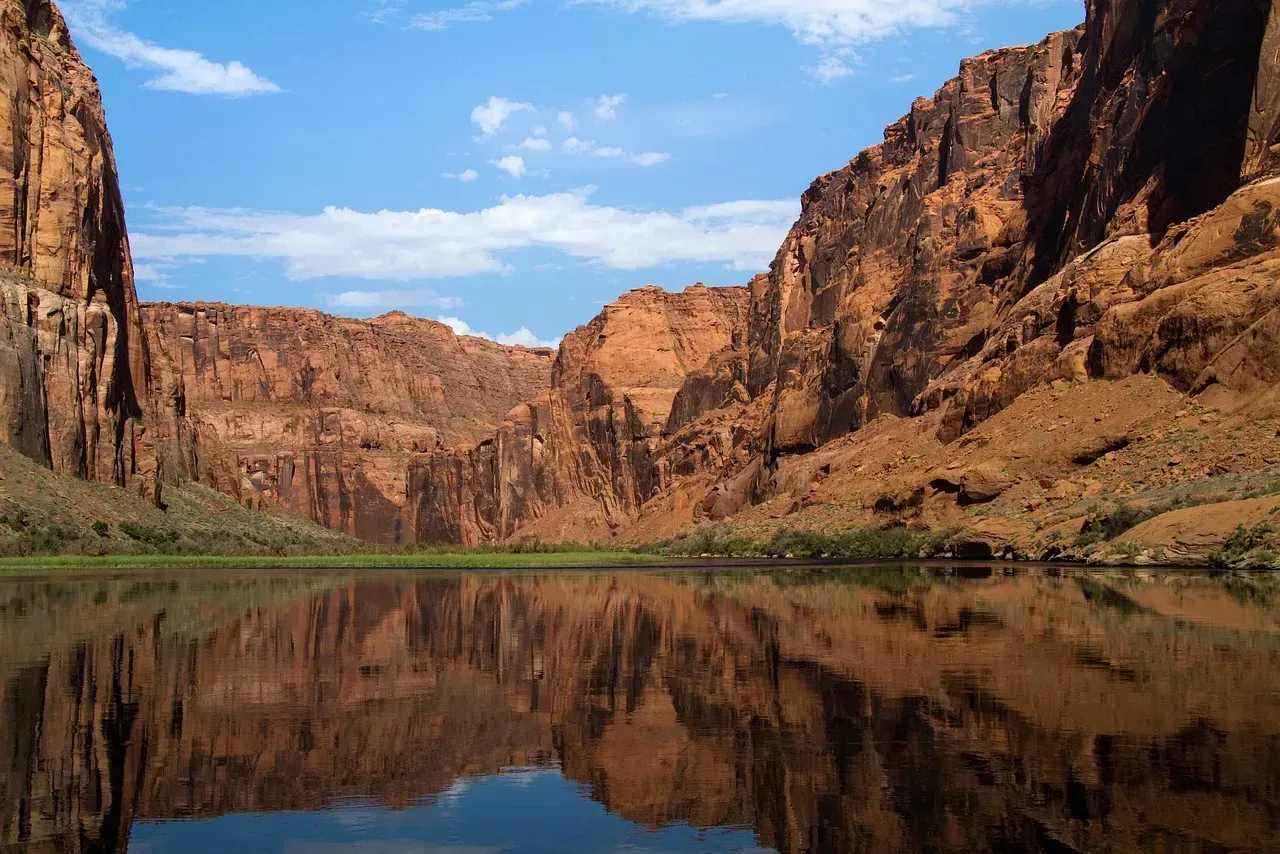
Reports indicate that a single dry year or two could jeopardize hydropower, water deliveries, and even physical conveyance downstream as Lake Powell and Lake Mead fall below critical thresholds. Negotiations over the Colorado River’s future have repeatedly missed deadlines. After two years, the seven states that rely on the Colorado River are at an impasse in tense negotiations over the cuts in water allocations that each of them will accept in a new agreement being drafted to take effect when the current guidelines expire at the end of 2026.
A major part of the Rio Grande problem is a patchwork of water rules and agencies that makes it difficult for states, irrigation districts, and two nations to coordinate. In the U.S., Colorado, New Mexico, and Texas each manage water separately, while in Mexico one national water law governs the system but local irrigation districts still control most water deliveries – making these fragmented systems hard to plan around or enforce. The science has been clear for years. The politics have not kept pace, and the rivers are not waiting.
