

Ask a farmer in Iowa or a citrus grower in central Florida how their land has changed over the past twenty years, and you’ll likely hear some version of the same thing: the old rules don’t apply anymore. Frost dates shift, rain comes in bursts instead of steady soaks, and winters that used to kill off pests just don’t get cold enough anymore.
Scientists who study agriculture and climate have been mapping these shifts for years, and the picture that’s emerging is fairly consistent. Several of America’s signature crops are drifting away from the regions that made them famous, and by 2040 some of that drift will already look like a permanent relocation.
Corn belt heading north
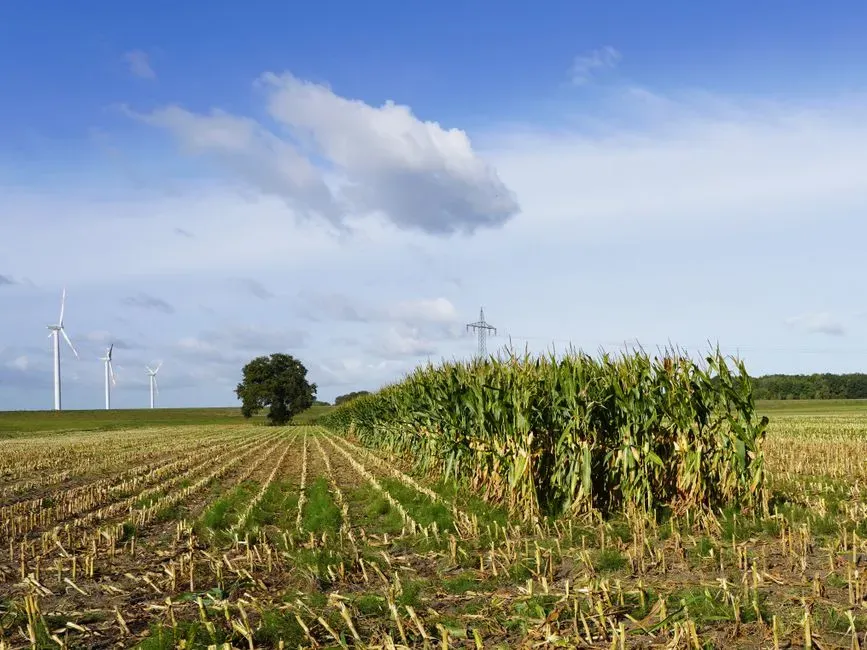
The Corn Belt has anchored the American food system for generations, but researchers increasingly describe its future in the past tense. As climate change continues to shift U.S. cultivation geographies north, the Corn Belt will be unsuitable for cultivating corn by 2100 without major technological advances in agricultural practices, according to an Emory University study. Even under moderate-emission scenarios, the cultivation geographies of corn, soy, alfalfa and wheat will all shift strongly north, with the Corn Belt of the upper Midwest becoming unsuitable to corn cultivation by 2100.
The 2040 timeline looks less dramatic but still shows real movement. Research from Penn State shows the core Corn Belt states may no longer represent the center of American corn and soybean production, with more suitable conditions potentially shifting northward from Illinois and Iowa to Minnesota and the Dakotas. A University of Connecticut simulation study also found that the most productive growing regions will move northward by 2050, though that shift will not be enough to fully compensate for yield losses in more southern parts of the region.
Soybeans following the corn north
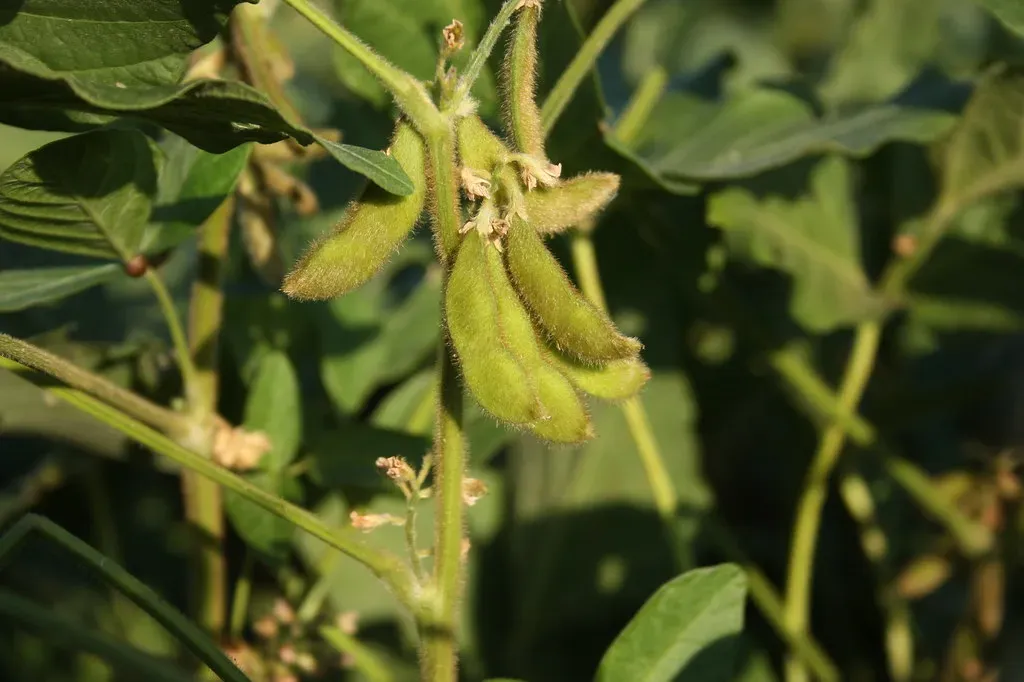
Soybeans tend to travel wherever corn goes, since the two crops are often rotated on the same fields. That makes the soybean story almost a mirror image of corn’s, with one interesting wrinkle researchers didn’t fully expect.
One researcher noted being surprised by the clear northward shift of the productive zone, and equally surprised that soybean yields actually increase for a period before eventually declining. That pattern creates an awkward planning problem. Farmers and infrastructure investors would need to commit to a region for a temporary boom, knowing the good years won’t last forever, which is a strange kind of gamble to build a farming operation around.
Wine country redrawing itself in California
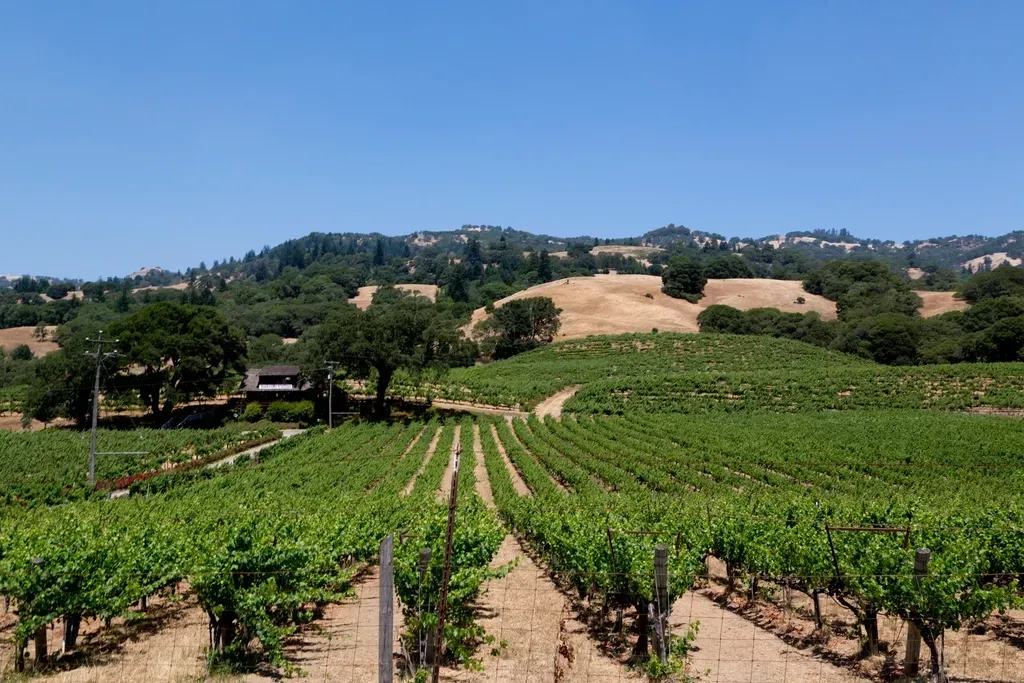
Few American crops are as closely tied to a specific patch of ground as wine grapes are to Napa and Sonoma. That association may be weakening. Recent modeling shows the suitability of currently important wine growing regions, including Napa, Sonoma, San Luis Obispo and Santa Barbara, is likely to decline sharply under severe climate change.
The flip side is that other parts of the state are gaining ground. Established regions including Napa and Sonoma are likely to become less suitable, while others like Mendocino and Monterey are projected to become ideal due to warming and a reduced local climate inducing wildfires. Mendocino, Monterey, and swaths of the central and southern coast, bolstered by persistent marine influence, could become increasingly favorable for premium grapes. It’s a genuine geographic swap, not just a shrinking industry.
Florida citrus in retreat
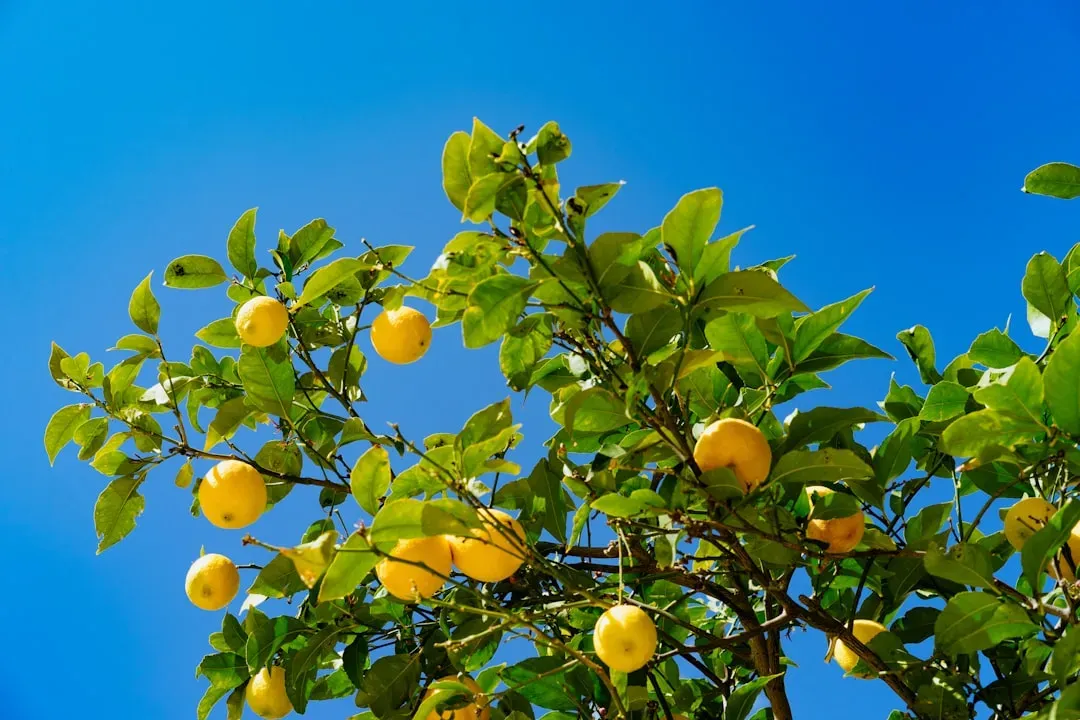
Florida’s citrus story is partly about disease, but climate plays a supporting role that’s easy to overlook. The decline in orange production, down by nearly 90 percent from its peak, has been attributed to a relentless bacterial disease combined with increasingly severe extreme weather caused by climate change. The state was once among the world’s leading citrus producers and until 2014 produced almost three-quarters of the nation’s oranges.
Warmer winters aren’t helping the underlying disease problem either. The insect that spreads citrus greening thrives under warm conditions, and as Florida experiences more and more milder winters, psyllids are able to keep reproducing and feeding on the plants. That combination of disease, hurricanes, and freezes has allowed California to surpass Florida in citrus output. By 2040, it’s plausible that “Florida orange” will mean something closer to a legacy brand than a dominant supply source.
Apples under stress out west and up north
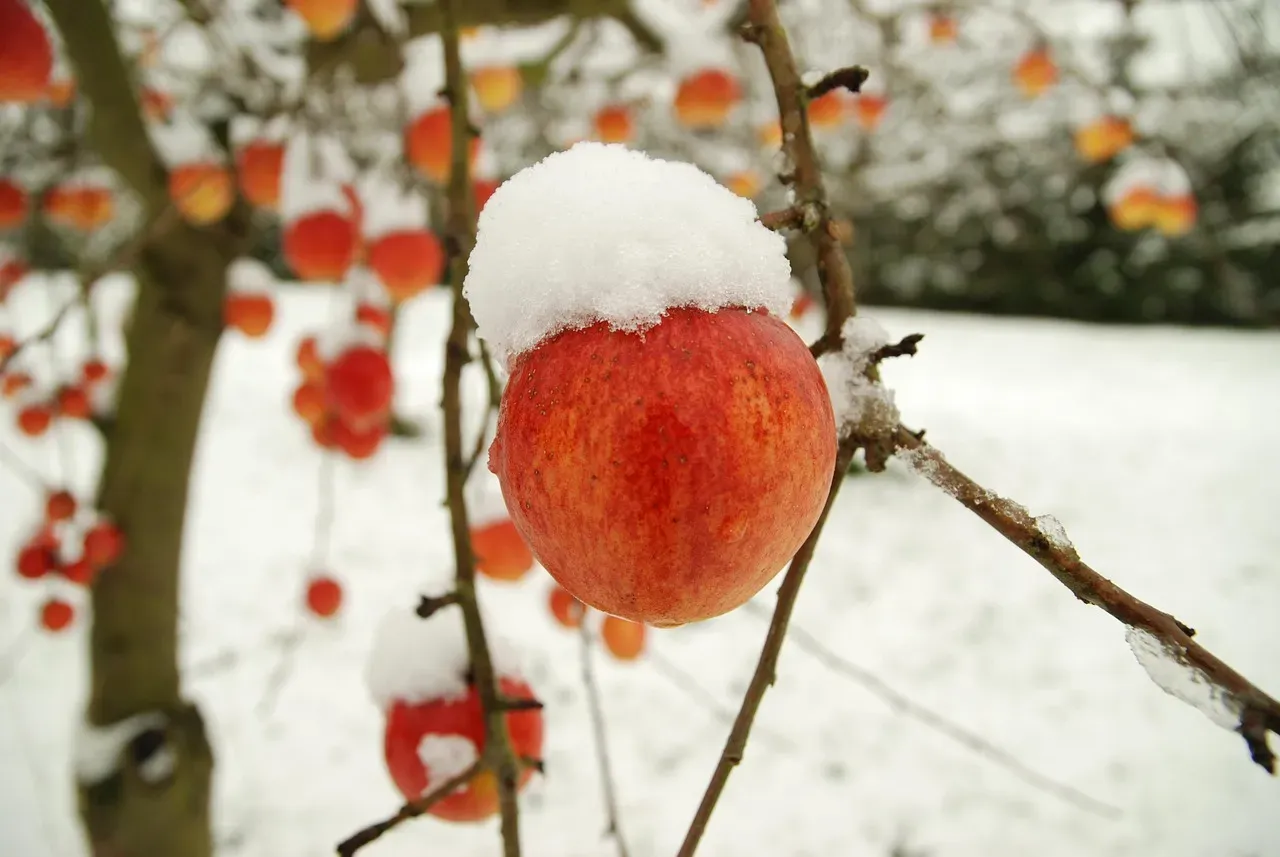
Apples might seem like a hardy crop, but they’re surprisingly picky about winter cold and spring timing. A recent study of the three most productive apple growing counties in the country, Yakima County in Washington, Kent County in Michigan, and Wayne County in New York, found Yakima showing harmful trends in five of six climate metrics studied.
The western U.S. has experienced the strongest trends in multiple metrics that are detrimental to apples, according to the Washington State University research team behind the study. Washington remains the country’s biggest annual apple producer, followed by Michigan, New York and Pennsylvania, but the metrics that made those states ideal, enough winter chill and predictable frost dates, are becoming less reliable every year.
Cotton fields feeling the heat
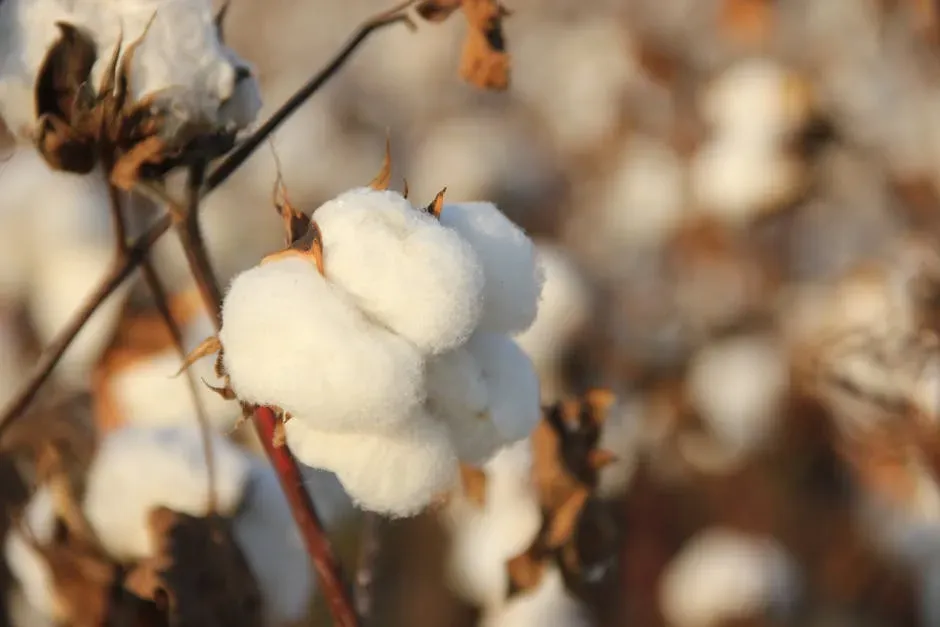
Cotton has long thrived in the hot, humid stretches of the American South and Southwest, but that heat tolerance has limits. By 2040, 40 percent of cotton producing regions worldwide will see shorter growing seasons due to rising heat, and droughts could affect half of global crops, according to a report from Cotton 2040, an initiative focused on building a more climate resilient cotton industry.
American cotton isn’t immune to this pattern. A 2020 study found that Arizona is already experiencing lower production of upland cotton due to heat and drought worsened by climate change. The United States remains the third largest global cotton producer behind China and India, with production projected to grow around 2 percent annually, though the effects of climate change are expected to undermine yields in some traditional growing areas.
Wheat, barley and rice: the limits of switching crops
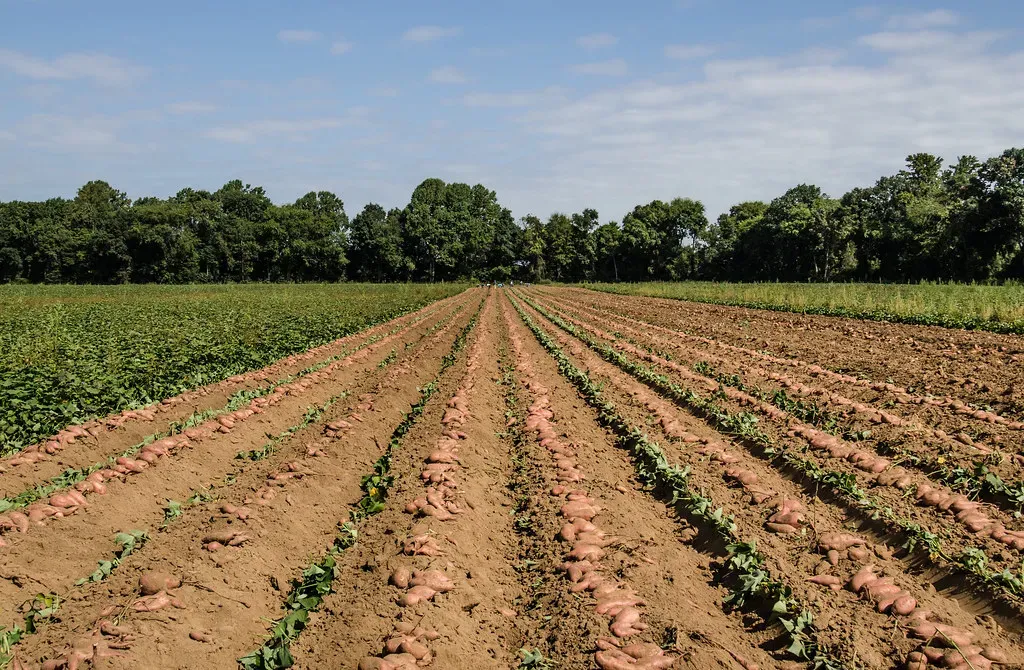
Not every crop can simply relocate a few hundred miles and carry on as before. A widely cited Nature Communications study modeled six major U.S. crops together, including barley, corn, cotton, soybeans, rice and wheat, to see how much moving crops around could soften climate losses.
If crop locations are held constant, total agricultural profits for those six crops would drop by 31 percent under the temperature patterns projected for 2070. When crop lands are reallocated to avoid yield decreases and capture yield increases, half of those losses can be avoided, but 57 percent of counties end up growing crops different from what they currently plant. That’s a striking number. It suggests that by the time we reach the back half of this century, well over half the country’s farmland could be growing something other than its traditional crop just to stay economically viable.
Alfalfa and hay pushing into new ground

Alfalfa and hay rarely get the attention that corn or wine grapes do, but they cover an enormous share of American farmland and follow similar climate pressures. Currently, 80 percent of U.S. agricultural lands are cultivated with only five types of crops: alfalfa, corn, hay, soy, and wheat, which means shifts in any one of them ripple through a huge portion of the landscape.
Even under a moderate emission scenario, the areas where corn, soy, alfalfa, and wheat can be grown are projected to shift strongly north by the end of the century. Livestock operations that depend on locally grown hay and alfalfa for feed will feel this indirectly, even if they never touch a row crop themselves. Feed costs and transport distances tend to rise together when the growing map moves away from where the animals already are.
What the USDA’s hardiness zone map already shows
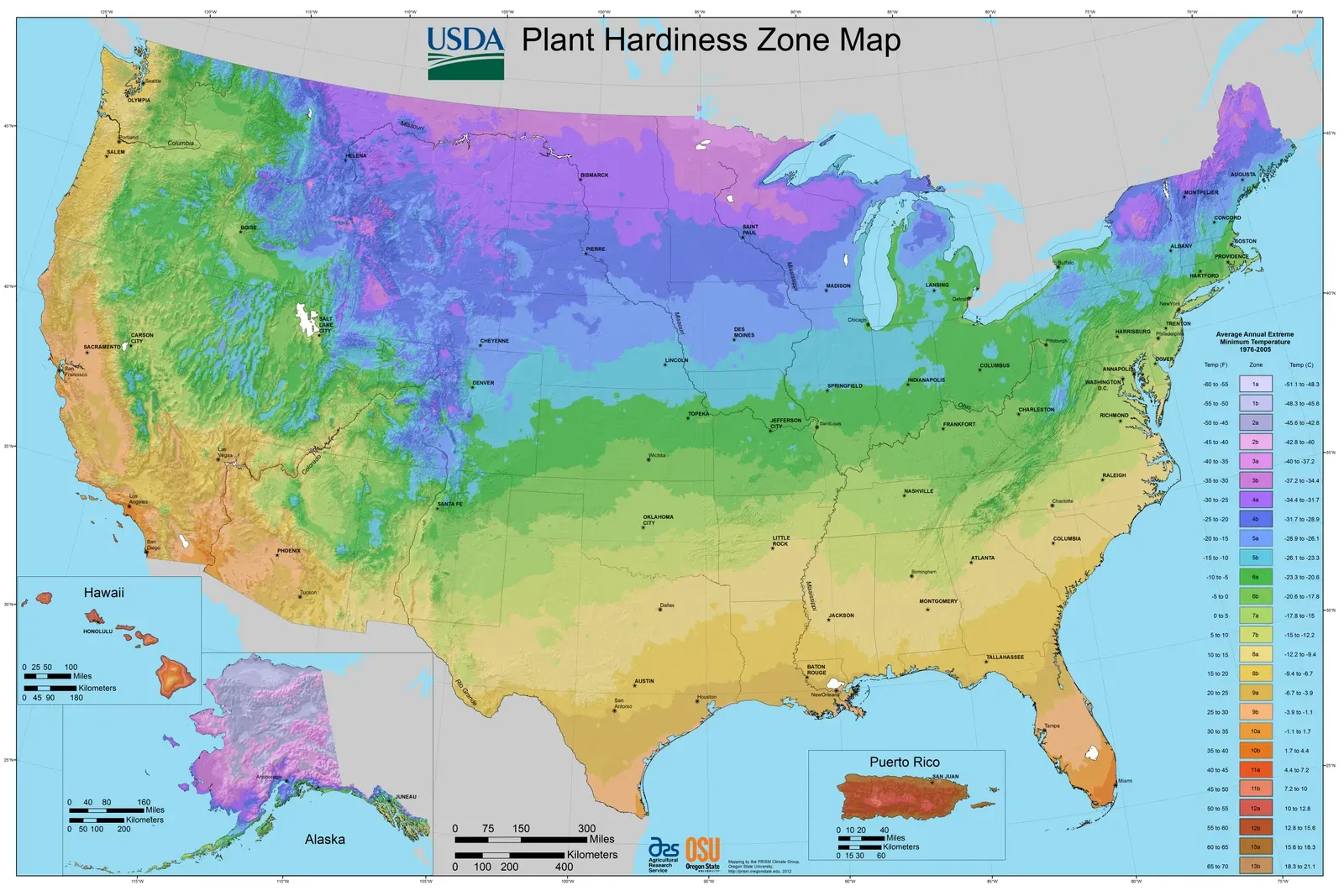
You don’t need a climate model to see this shift happening. The government’s own reference tool for gardeners and farmers already reflects it. The USDA’s Plant Hardiness Zone Map, updated in November 2023, already reflected a half-zone northward shift across much of the country compared to the previous version.
New projections from the USDA’s updated map, combined with recent climate modeling from university agricultural extension programs, suggest that by 2050 large swaths of the Midwest could experience growing conditions that more closely resemble present-day central Texas than the temperate heartland farmers have relied on for generations. Land values are already tangled up in this uncertainty. Prime Iowa farmland currently sells for over $10,000 per acre, a price that assumes the productivity patterns of the past will roughly hold, an assumption that looks shakier with each passing decade.
A shifting map, not a disappearing harvest
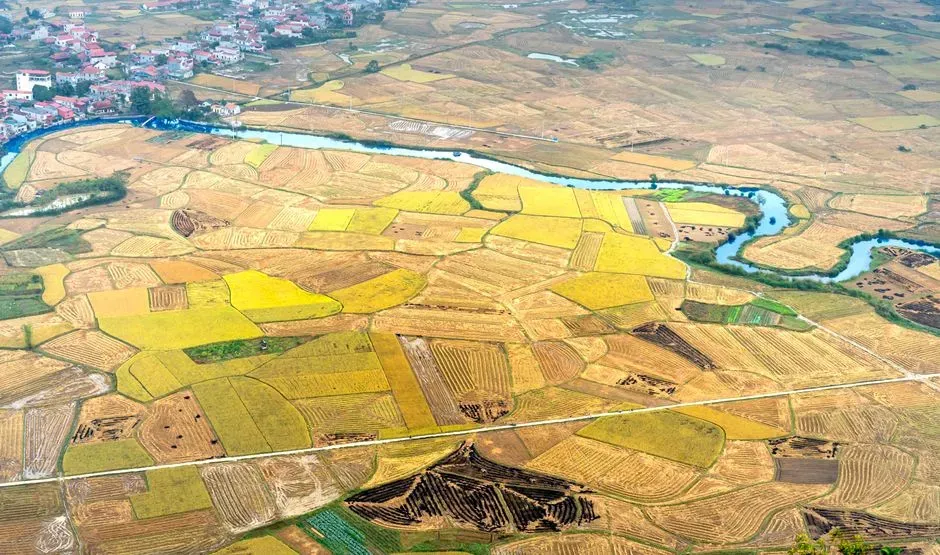
None of this means American agriculture is heading toward collapse. It means the map is being redrawn, county by county, crop by crop, and the redrawing is already visible in USDA data, university research, and the price of a glass of orange juice. Some regions currently thought of as marginal, like Mendocino’s coastline or the northern Dakotas, may become the new centers of production that Napa and central Iowa once were.
The harder truth is that switching crops or migrating a growing region isn’t free. It takes new infrastructure, new expertise, new water rights, and years of trial and error, all while the climate keeps moving. Whatever the American plate looks like by 2040, it’s a safe bet that the places growing our food will have shifted meaningfully from where they sit today.

- Insurers Ranked Every State by Climate Risk – This One Came in Dead Last - August 18, 2026
- I Asked 3 Water Engineers How Bad the Next Drought Will Be – Their Answers Didn’t Match - August 18, 2026
- The Real Reason Some Cities Are Becoming Unlivable in Summer – And It’s Not Just Heat - August 18, 2026
