

- The Planet Where It Rains Liquid Glass – 7 Alien Worlds Defying Known Physics - November 14, 2026
- Stars Consuming Entire Worlds – 6 Planetary Systems Swallowing Their Own Worlds - November 14, 2026
- The Ground Liquefies Like Water – 6 Silent Fault Lines Geologists Watch Closely - November 14, 2026
Most of the climate migration conversation focuses on who’s leaving: coastal communities bracing for floods, fire-prone neighborhoods in California, sun-scorched towns in the Southwest. The departure story is vivid and well-documented. What gets less attention is the flip side – specific states and regions that are quietly gaining residents, at least in part, because their natural conditions look increasingly appealing as extremes worsen elsewhere.
Storms, droughts, flooding, and heat can all affect people’s decisions about where to live or relocate, a phenomenon broadly known as climate migration. The relationship, though, is rarely clean or linear. Economics, jobs, and housing costs are always in the mix. Still, certain states are growing faster than the national average, and climate is now a measurable thread in that story – even if it rarely acts alone.
The Broader Migration Shift Reshaping American Demographics
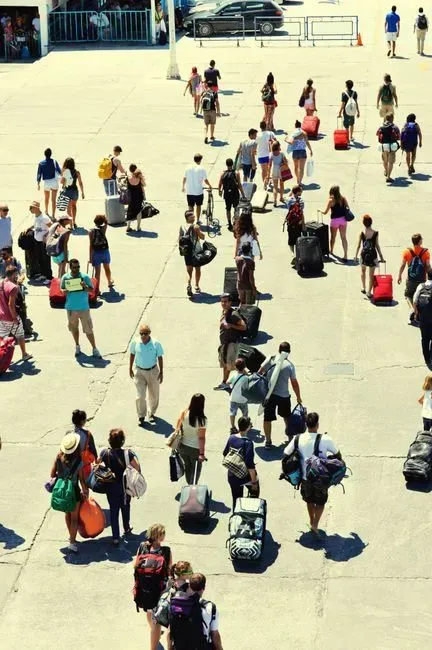
In 2024, over seven million Americans changed their state of residence, according to the American Community Survey, reflecting ongoing demographic shifts reshaping the nation’s population distribution. Nearly 15 million Americans moved in 2025, with many relocating across state lines in search of lower costs, job opportunities, and warmer climates.
Southern states such as the Carolinas, Florida, Texas, Nevada, and Arizona tended to gain migrants on net, while states like California, New York, and Illinois experienced net losses through domestic migration. These patterns suggest possible correlations with factors such as climate and cost of living, though migration decisions are typically influenced by multiple considerations, including employment opportunities, housing availability, and proximity to family.
South Carolina: The Nation’s Fastest-Growing State
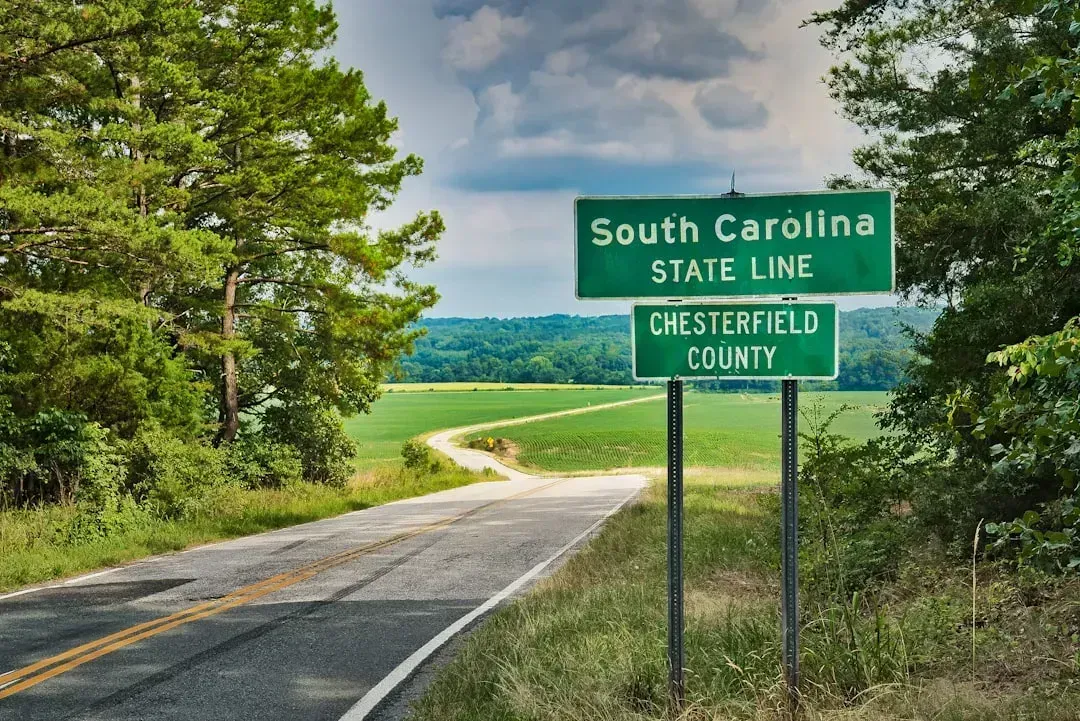
South Carolina’s 1.5% annual increase in 2025 led the country in population growth, expanding roughly three times faster than the national average of 0.5%. Its growth has been driven primarily by robust net domestic migration, and its proximity to higher-cost Northeastern states combined with its comparative affordability makes it a popular destination for relocating households, particularly retirees.
South Carolina experienced the largest turnaround in natural population change as well, reversing its 2024 natural change figure from negative territory to a positive count of 564, representing a dramatic improvement. The state saw the largest net migration gain per 10,000 residents in 2025 of any state in the nation. Its inland character, relatively modest flood exposure compared to coastal peers, and mild winters make it a practical landing spot for people retreating from harsher or more volatile conditions.
North Carolina: A Consistent Growth Engine – With Complications
North Carolina continues to be one of the nation’s leading destinations for people relocating from other states. Between July 2024 and July 2025, the state saw a net gain of 84,000 domestic migrants – the largest gain of any state. Since the 2020 Census, North Carolina has added 477,000 residents through state-to-state migration, a total exceeded only by Texas and Florida.
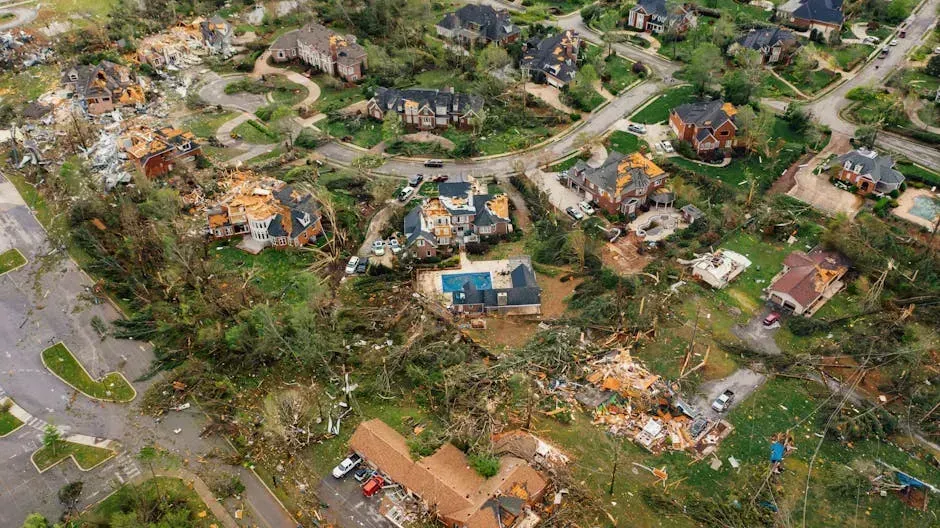
North Carolina’s latest population projections predict the state’s growth will be around 1.3 million throughout the decade, and the state is projected to surpass both Georgia and Ohio to become the seventh largest state in the nation early next decade. The state’s diversity of terrain – from the mountains to the Piedmont to the coast – has long been a draw. Yet that same geography brings complications: in September 2024, Hurricane Helene flooded the mountain town of Asheville, which had once been called a climate haven, a place less prone to the toll of climate change.
Idaho: The Mountain West’s Quiet Demographic Star

Population growth was among the strongest in Idaho at 1.4% in 2025, placing it second nationally behind South Carolina. Idaho remains one of the fastest-growing states percentage-wise, with Boise’s balance of affordability, safety, and outdoor recreation continuing to lure families escaping high-cost states.
Idaho’s climate appeal is partly about what it doesn’t have. Wildfire risk exists in forested zones, but the state’s high desert and mountain regions offer four distinct seasons without the persistent heat stress found further south. At the state level, domestic migration and natural change become more central to population growth in 2026, with many states in the Sunbelt and Mountain West able to rely on these factors to sustain growth. Idaho fits squarely into that pattern.
Tennessee: Growing Without the Coastline Risk
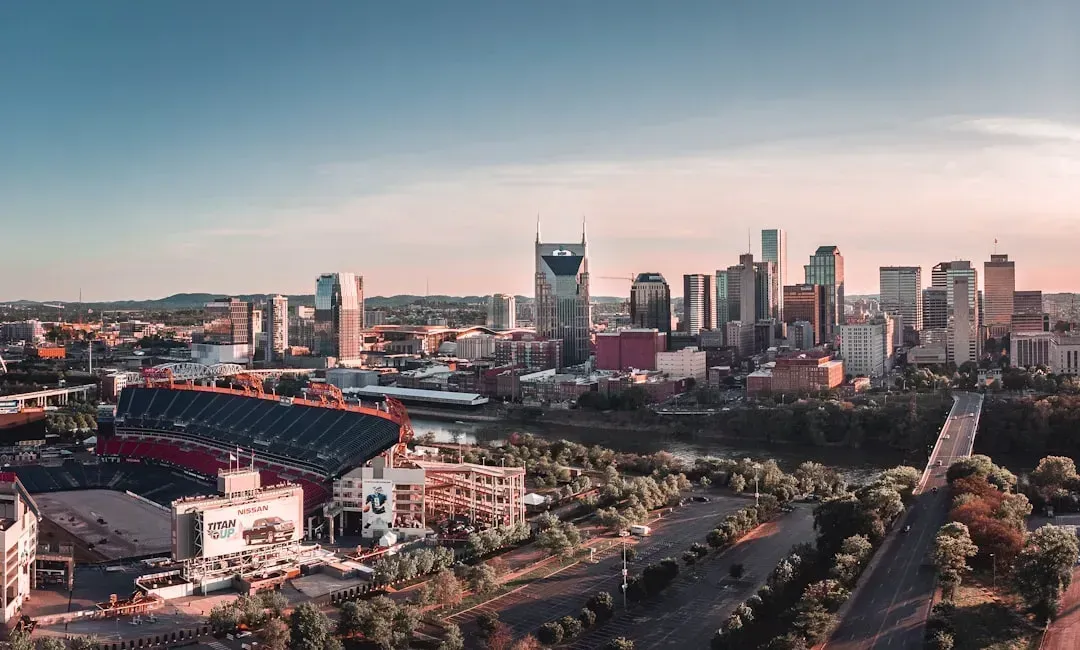
North Carolina attracted the largest net inflow of domestic migrants in 2025, followed by Texas with around 67,300 net arrivals, South Carolina with 66,600 movers, and Tennessee gaining more than 42,000. Tennessee’s inland position keeps it removed from the sea-level rise pressures bearing down on Gulf Coast and Atlantic states. Its mix of major cities and affordable rural areas makes it attractive to a wide range of movers.
The states growing fastest in 2025 have a few things in common: job opportunities, affordable housing relative to major coastal cities, and warmer climates that appeal to retirees and remote workers alike. Tennessee checks nearly all of those boxes simultaneously. Nashville and its suburbs continue to absorb newcomers from expensive coastal metros at a steady pace, and the state’s low tax environment reinforces the pull.
The Great Lakes States: Tomorrow’s Climate Magnets?
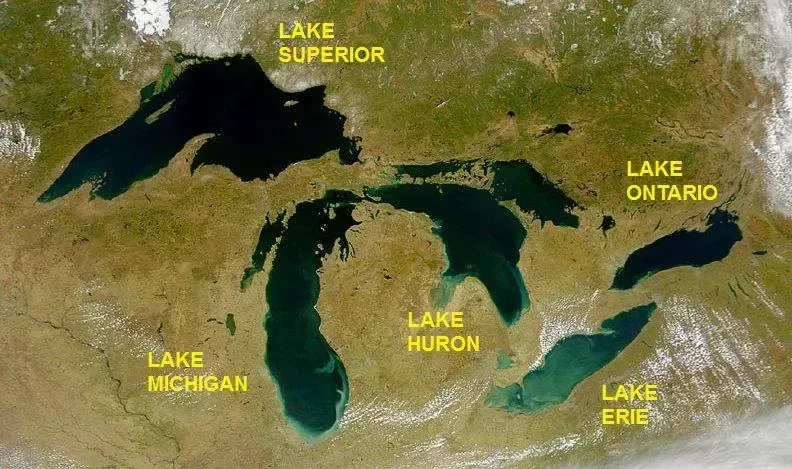
The question of “climate havens” – places where extreme weather events are rare and which tend to be located in the northern regions of the U.S. close to bodies of freshwater – has gained currency in recent years, as deadly wildfires, record heat, and damaging hurricanes increasingly affect day-to-day life in the southern and western parts of the country. Researcher Jesse Keenan created a list of the best climate havens across the United States, and most are in the Northeast and Upper Midwest, including Ann Arbor and at least six Great Lakes shoreline cities: Buffalo, New York; Detroit; Duluth, Minnesota; Milwaukee; Rochester, New York; and Toledo, Ohio.
While many experts cite ready access to huge volumes of freshwater as a leading reason for considering the Great Lakes as a climate haven, day-to-day needs such as housing, healthcare access, and jobs are essential for any thriving community. Keenan predicts as many as 50 million Americans may relocate to climate havens within the U.S. in the coming decades, likely sooner rather than later. Whether or not that projection proves accurate, the idea is informing how planners and municipal leaders think about long-range infrastructure investment.
Michigan and Minnesota: Freshwater as a Long-Term Asset
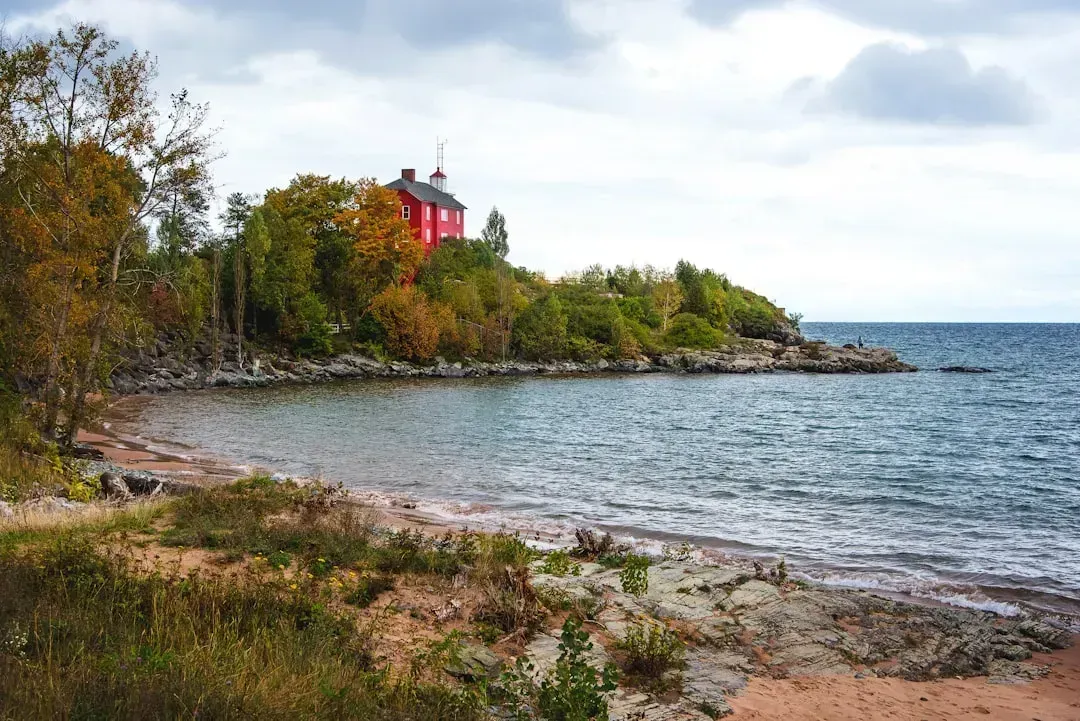
The Great Lakes are at the center of Madison and Michigan’s claim to climate stability, as the massive waterways help keep temperatures down while providing the region with plenty of moisture, which can prevent wildfires. Michigan’s population reached 10,127,884 as of July 2025, representing an increase of about 28,000 people from the previous year. Growth remains modest in percentage terms, but the direction has been consistently positive.
Minnesota added 33,000 residents in 2025, an increase of 0.57%, down from 44,000 in 2024 but well above pandemic-era lows. Since 2020, Minnesota’s population has grown by 2.1%, performing better than or comparably to nearby states like Michigan and Wisconsin. Unlike other states where international migration largely fuels population increases, Minnesota actually saw growth on multiple fronts, including a natural population increase of 12,000 from births exceeding deaths.
Buffalo and the “Climate Refuge” Rebranding

About 3,000 people came to Buffalo from Puerto Rico after Hurricane Maria hit the island in 2017, joining an already large Puerto Rican community. Some later returned to the island, but many stayed, and this influx contributed to Buffalo’s first population growth in 70 years, as recorded in the 2020 census.
Buffalo launched a relocation guide advertising the advantages of living there, including an average July temperature of a comfortable 71 degrees. Anticipating a possible population uptick, the city also revised zoning codes to encourage development in existing city corridors and began upgrading dated sewage infrastructure. Climate change has become a rallying call for so-called haven cities, offering them a chance to capture population and economic growth, rethink their housing strategy, improve infrastructure, and ensure all residents have equal access to amenities.
The Limits and Uncertainties of “Climate Haven” Status
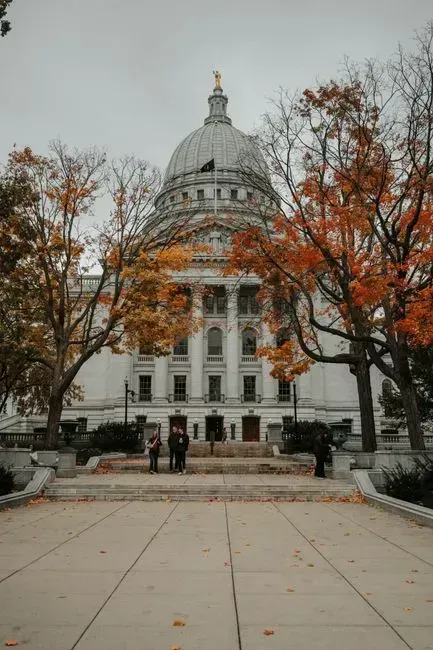
What befell Asheville illustrates how no place in the U.S. is truly safe from the ravages of the climate crisis. There are no perfect climate havens. So-called haven cities are already feeling the impacts of climate change. In 2023 alone, regions in Wisconsin, Vermont, and Michigan suffered significant damage from powerful storms and flooding.
Data scientists note that recent census data won’t necessarily reflect any hints of future climate migration – those arriving specifically for climate reasons don’t yet outnumber those leaving for other reasons, like better-paying jobs. Population growth would also strain water supplies over time, eventually creating new pressures in places currently seen as insulated. The math of climate-driven growth is real, but it remains tangled up with economics, infrastructure, and human inertia in ways that no single trend line can fully capture.
What the Numbers Actually Tell Us Right Now

Homebuyers are starting to avoid entire states because of their vulnerability to wildfires, extreme heat, and windstorms. Several states, like California, Texas, and Florida, are still experiencing population growth, but there is evidence they’re now growing more slowly than they would be if not for climate hazards. That slowdown, even if subtle, is where the climate signal becomes detectable in the data.
What extreme fire risk, extreme drought, and extreme heat will generally mean is that the population of the United States is likely to shift toward cities and generally toward the North and Northeast in a long-term climate migration pattern. The states already registering gains today – South Carolina, North Carolina, Idaho, Tennessee, and the Great Lakes corridor – sit at varying points along that trajectory. Some are growing because of climate resilience. Others are growing despite climate risk. Telling the difference, with confidence, is still work in progress.
